Keeping your Jeep Wrangler’s cabin air fresh is not just about comfort—it’s essential for your health. The cabin air filter is the part that quietly works behind the scenes, trapping dust, pollen, and even small debris before they enter your vehicle’s cabin.
Many Jeep owners overlook this small but important component. If you’ve noticed musty smells, foggy windows, or reduced airflow from your vents, it might be time to replace your cabin air filter.
This task is easier than most people think and can be done with just a few tools and a bit of patience.
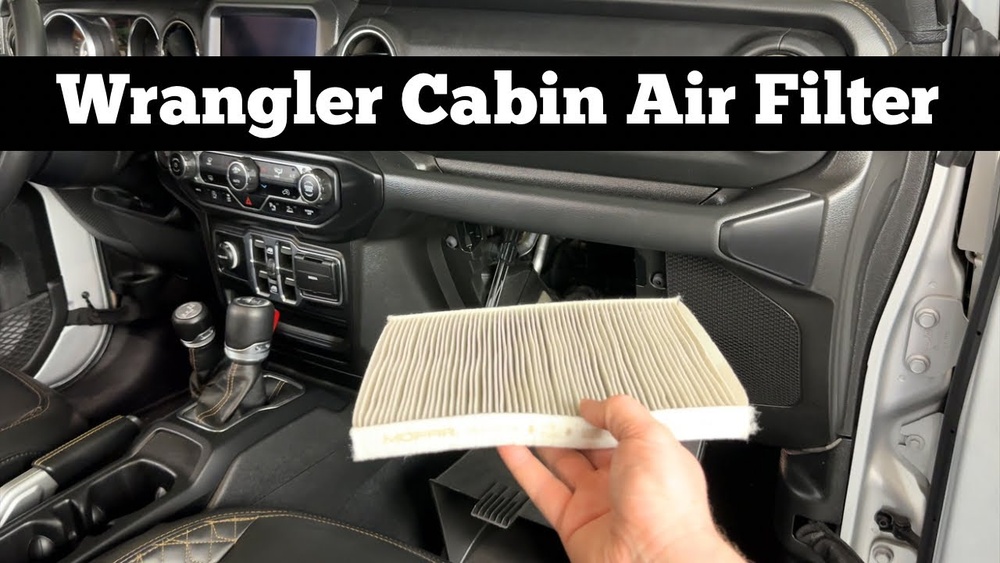
In this guide, you’ll learn exactly how to replace the cabin air filter in a Jeep Wrangler, why it matters, what tools you’ll need, and some tips that even experienced car owners sometimes miss.
Why The Cabin Air Filter Matters In Your Jeep Wrangler
Your Jeep Wrangler is designed for adventure—dusty trails, city streets, or anything in between. The cabin air filter is your first line of defense against pollutants. It captures:
- Dust and pollen: Essential for allergy sufferers.
- Road debris: Tiny particles that can irritate your lungs.
- Smog and exhaust fumes: Especially in urban areas.
A dirty or clogged filter can lead to several issues:
- Reduced air quality: You breathe more dust and allergens.
- Weak airflow: Your AC or heater struggles to push air.
- Foggy windows: Dirty filters can increase humidity inside.
Replacing your filter regularly keeps your heating, ventilation, and air conditioning (HVAC) system working efficiently and helps protect you and your passengers from airborne irritants.
How Often Should You Replace The Cabin Air Filter?
Most manufacturers recommend changing the cabin air filter every 15,000 to 20,000 miles or once a year, whichever comes first. However, if you drive off-road, in dusty areas, or in cities with heavy pollution, you may need to change it more often.
Some signs you need a new filter sooner:
- Strong, musty odors from vents
- Visible dirt on the filter
- Reduced airflow even at high fan settings
Checking your filter during every oil change is a smart habit, especially if you take your Wrangler off-road.
Which Jeep Wrangler Models Have Cabin Air Filters?
Not all Jeep Wranglers came with a cabin air filter from the factory, but most models from 2011 and newer (JK, JL, and Gladiator JT platforms) have a slot for it. Some older Wranglers (TJ, YJ) did not include this feature.
Here’s a quick reference:
| Model | Years | Cabin Air Filter |
|---|---|---|
| Wrangler YJ | 1987–1995 | No |
| Wrangler TJ | 1997–2006 | No |
| Wrangler JK | 2007–2018 | Yes (2011+) |
| Wrangler JL | 2018–Present | Yes |
| Gladiator JT | 2020–Present | Yes |
If you’re unsure, check your owner’s manual or look behind the glove box for a filter slot.
Choosing The Right Cabin Air Filter
Selecting the correct filter is important for performance and fit. There are a few types commonly available:
| Filter Type | Features | Best For |
|---|---|---|
| Standard Paper | Basic dust, pollen capture | Regular use |
| Activated Carbon | Removes odors, absorbs fumes | City driving, allergies |
| HEPA | Captures very fine particles | Asthma, sensitive passengers |
Most Jeep owners find that activated carbon filters offer a good balance between cost and protection, especially if you drive in dusty or polluted areas.
Tools And Materials Needed
Replacing the cabin air filter in a Jeep Wrangler is a simple job. You’ll need:
- New cabin air filter (check your model year)
- Phillips screwdriver (some models)
- Flashlight (helpful for visibility)
- Gloves (optional, but keeps your hands clean)
Most Wranglers don’t require any special tools, but check your owner’s manual for details about your specific year and trim.
Step-by-step Guide: Jeep Wrangler Cabin Air Filter Replacement
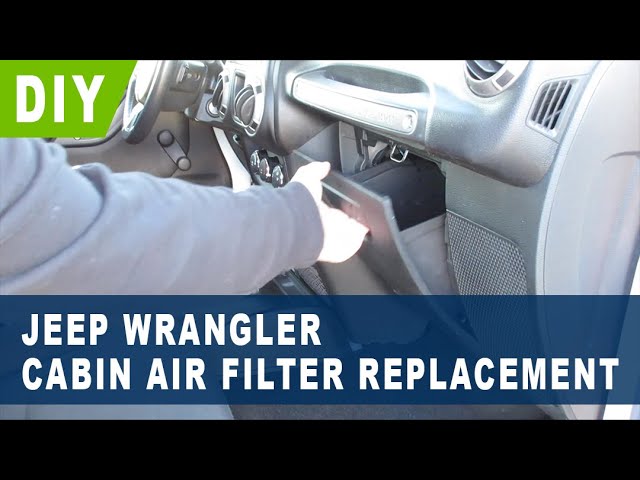
The most common location for the cabin air filter is behind the glove box. Here’s how to change it:
1. Prepare Your Jeep
- Park on a flat surface and turn off the engine.
- Set the parking brake.
- Open the passenger door and sit in the seat.
2. Empty The Glove Box
- Remove any items from the glove box.
- Press in on both sides of the glove box to release the stops.
- Lower the glove box so it hangs down, giving you access behind it.
3. Locate The Cabin Air Filter Cover
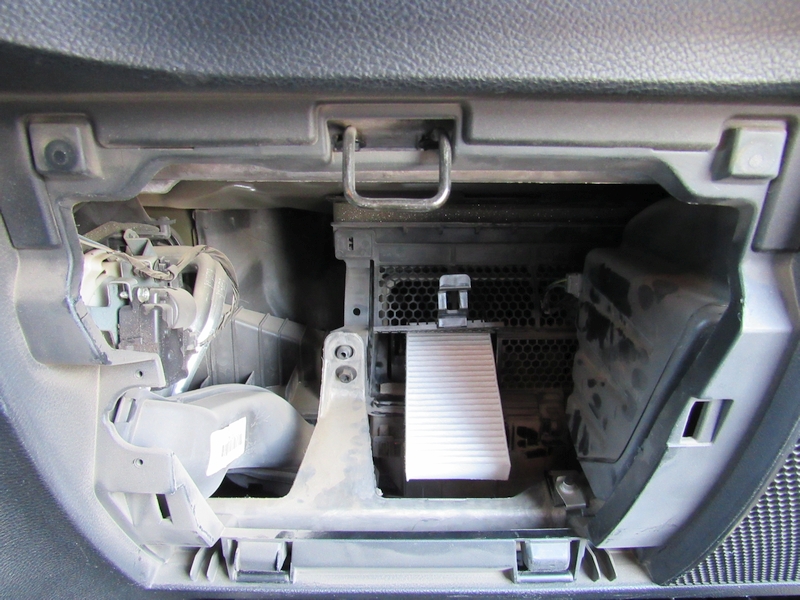
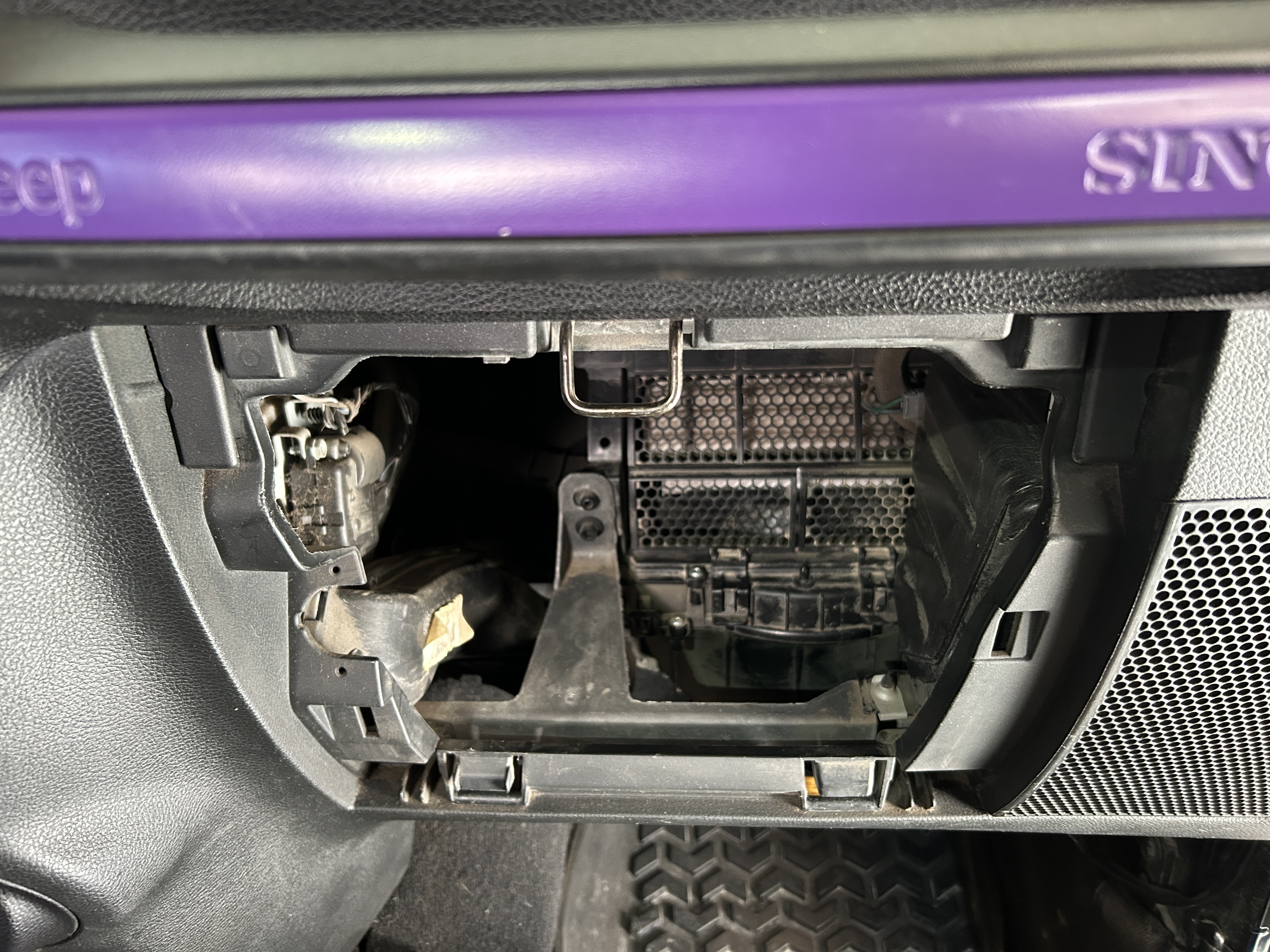
- Look for a rectangular black or white plastic cover on the HVAC unit.
- Some models may have two latches or screws holding the cover in place.
4. Remove The Filter Cover
- Release the latches or remove screws (if any).
- Carefully pull the cover off.
5. Take Out The Old Filter
- Slide the old filter straight out.
- Note the direction of the airflow arrows on the filter—this is important when installing the new one.
- Inspect the old filter for excessive dirt or debris.
6. Insert The New Filter
- Align the new filter with the airflow arrows pointing in the same direction as the old one.
- Gently slide the new filter into place.
- Make sure it sits flat and fully inside the slot.
7. Reinstall The Filter Cover
- Snap or screw the cover back on securely.
8. Reassemble The Glove Box
- Lift the glove box back into position and push in the sides to re-engage the stops.
9. Test The System
- Turn on your Jeep and set the fan to different speeds.
- Check for improved airflow and cleaner smell.
Common Mistakes To Avoid
Changing the cabin air filter is simple, but here are some mistakes Jeep owners sometimes make:
- Installing the filter backwards: Always follow the airflow arrows. Backwards installation reduces efficiency.
- Forgetting to replace the filter cover: Leaving the cover off can cause rattling and let unfiltered air in.
- Using the wrong filter type: Make sure the filter matches your Wrangler’s year and trim.
- Neglecting to check for leaves or debris: Clean out any debris from the filter slot before inserting the new filter.
- Not resetting maintenance reminders: If your Jeep has a reminder system, reset it after replacement.
How A Clean Filter Benefits Your Jeep
A new cabin air filter doesn’t just protect your lungs—it also helps your vehicle:
- Improved HVAC performance: Your air conditioner and heater don’t have to work as hard.
- Less strain on the blower motor: A clogged filter makes the motor work harder, leading to premature wear.
- Better fuel efficiency: Slight, but a dirty filter can indirectly affect energy use.
- Cleaner interior: Less dust and debris means your seats and dashboard stay cleaner.
According to the Environmental Protection Agency (EPA), indoor air can be 2–5 times more polluted than outside air. That includes the air inside your vehicle. Changing your filter regularly is a simple step to protect yourself, especially if you have young children or allergies.
When To See A Mechanic
Most Jeep owners can handle this task, but if you notice:
- Unusual noises from the HVAC system
- Persistent musty smells even after filter change
- Difficulty accessing the filter slot
It might be wise to consult a professional. Sometimes, mold or debris can build up deeper in the system, requiring expert cleaning.
Cost Of Cabin Air Filter Replacement
You can save money by doing this job yourself. Here’s a cost comparison:
| Replacement Method | Average Cost (Parts + Labor) | Time Required |
|---|---|---|
| DIY | $15–$40 | 10–20 minutes |
| Dealership | $60–$120 | 30–60 minutes |
| Independent Shop | $40–$90 | 30–45 minutes |
Most owners find the DIY route is both cheaper and faster.
Extra Tips For Jeep Wrangler Owners
- Keep a spare filter: If you travel off-road often, carry an extra filter in your glove box.
- Check after water crossings: Mud or water can sometimes splash into the filter area, especially if you drive with the doors off.
- Upgrade to HEPA or carbon: If you or your passengers have allergies, consider a higher-grade filter for better protection.
- Log your maintenance: Make a note of replacement dates in your phone or service log to avoid forgetting.
Many Wrangler owners are surprised by how much difference a clean filter makes, especially during allergy season or after dusty trail runs. It’s a small investment for a much more comfortable ride.
How Do I Know If My Jeep Wrangler Has A Cabin Air Filter?
Most Wranglers from 2011 and newer (JK, JL, and Gladiator JT) have a slot for a cabin air filter. Check your owner’s manual or look behind the glove box. If you see a rectangular slot with a removable cover, your Wrangler supports a cabin air filter.
Can I Clean And Reuse My Old Cabin Air Filter?
Most Jeep Wrangler cabin air filters are disposable and not designed to be washed or reused. Some aftermarket filters are washable, but it’s important to follow manufacturer instructions. Using a damaged or improperly cleaned filter can reduce air quality.
What Happens If I Never Replace My Cabin Air Filter?
A neglected cabin air filter can cause poor air quality, reduced airflow, foggy windows, and even HVAC system damage. Over time, your blower motor may wear out faster, and your Jeep’s interior may become more dusty and musty.
Are Aftermarket Cabin Air Filters As Good As Oem Filters?
Many aftermarket filters work as well as original equipment (OEM) filters, especially if they meet or exceed manufacturer standards. Some brands even offer better filtration (such as activated carbon or HEPA filters). Always check reviews and make sure the filter fits your specific Wrangler model.
Where Can I Learn More About Air Quality In Vehicles?
For more information on air quality and filters in vehicles, visit the EPA’s air quality resource.
Changing your Jeep Wrangler’s cabin air filter is one of the easiest ways to enjoy cleaner, fresher air on every drive. It only takes a few minutes, saves you money, and helps protect your health—no special skills required.
Next time you hop in your Wrangler, you’ll notice the difference right away.