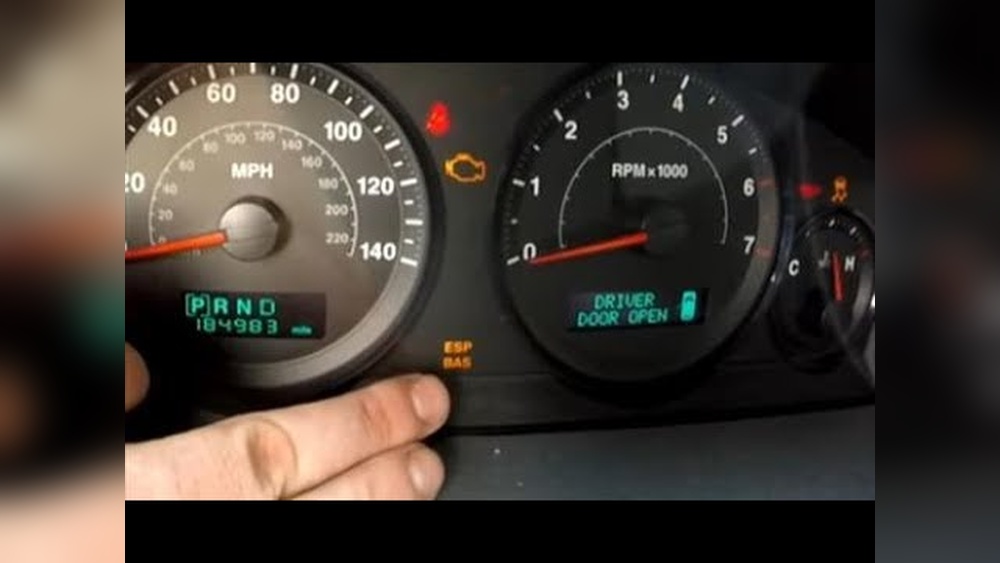
If you’ve ever seen the ESP BAS light come on in your Jeep Commander, you probably wondered what it means, and whether you should be worried.
This warning light isn’t just a random flicker; it’s your vehicle’s way of telling you there might be an issue with your Electronic Stability Program (ESP) or Brake Assist System (BAS).
Ignoring it could affect how your Jeep handles on the road, especially when you need extra control. You’ll discover exactly what triggers the ESP BAS light, what risks you face if it stays on, and simple steps you can take to fix it.
Keep reading to make sure your Jeep Commander stays safe and reliable every time you drive.

Esp Bas Light Basics
The ESP BAS light on a Jeep Commander dashboard shows important information. It alerts you about the vehicle’s safety systems.
Understanding this light helps you know when your car needs attention. This section explains the basics of the ESP BAS light.
What Esp And Bas Stand For
ESP means Electronic Stability Program. It helps keep your Jeep stable on slippery or rough roads.
BAS stands for Brake Assist System. This system adds extra braking power during sudden stops.
Both systems improve driving safety by preventing skids and accidents.
How The Systems Work Together
ESP and BAS work as a team to protect you. ESP controls the brakes and engine to keep the vehicle steady.
BAS detects emergency braking and boosts brake pressure quickly. Together, they help you maintain control during tricky driving situations.
Why The Light Comes On
The ESP BAS light turns on if there is a problem. It might be a sensor issue or a fault in the braking system.
Sometimes, low battery voltage can trigger the light. The vehicle shows the light to warn you to check these systems soon.
Common Causes Of Esp Bas Light
The ESP BAS light on a Jeep Commander signals a problem with the vehicle’s stability and braking systems. Understanding the common causes helps you identify and address the issue quickly.
Various components work together to keep your Jeep safe and stable on the road. When any of these parts fail or malfunction, the ESP BAS light turns on.
Below are some typical reasons the ESP BAS light may activate. Each points to a specific system or part that needs inspection or repair.
Recognizing these causes can save time and prevent further damage.
Faulty Wheel Speed Sensors
Wheel speed sensors monitor each wheel’s rotation speed. They send data to the stability control system.
If one sensor fails or gets dirty, it sends incorrect signals. This causes the ESP BAS light to come on.
Faulty sensors can also affect ABS and traction control functions.
Steering Angle Sensor Issues
The steering angle sensor tracks your steering wheel’s position. It helps the system know the direction of the vehicle.
A malfunction or misalignment in this sensor triggers the ESP BAS warning. Calibration errors after repairs can also cause the light to stay on.
Brake Switch Problems
The brake switch signals when you press the brake pedal. It tells the system to activate brake lights and stability controls.
A broken or worn brake switch can fail to send this signal. This failure leads to the ESP BAS light appearing on the dashboard.
Low Battery Voltage
Low battery power affects many vehicle systems, including the ESP and BAS. If the battery voltage drops too low, the control modules may not work properly.
This problem can cause the ESP BAS light to illuminate. Checking battery health and connections helps avoid this issue.
Wiring And Electrical Faults
Damaged or loose wiring can disrupt signals between sensors and control units. Corroded connectors or broken wires cause communication errors.
These electrical faults often trigger the ESP BAS light. Inspecting the wiring harness and connectors can reveal hidden problems.
Impact On Vehicle Performance
Diagnosing the ESP BAS light on a Jeep Commander requires a clear approach. This warning signals issues with your vehicle’s stability or braking systems.
Identifying the exact problem helps avoid costly repairs and ensures safety on the road. The following methods guide you through the diagnostic process.
Using An Obd-ii Scanner
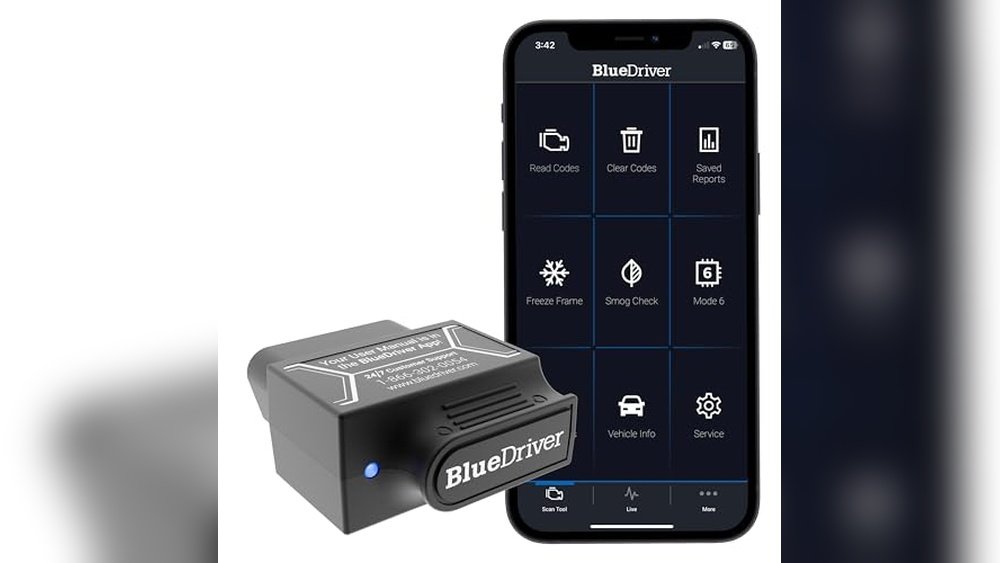
An OBD-II scanner reads trouble codes from your Jeep’s computer system. Plug the scanner into the port below the dashboard. Turn on the ignition without starting the engine. The scanner will display codes related to the ESP or BAS system. Note these codes for further research or to share with a mechanic. This tool quickly points out sensor failures or electrical issues causing the warning light.
Visual Inspection Tips
Check the wheel speed sensors and wiring near each wheel. Look for broken, loose, or corroded wires.
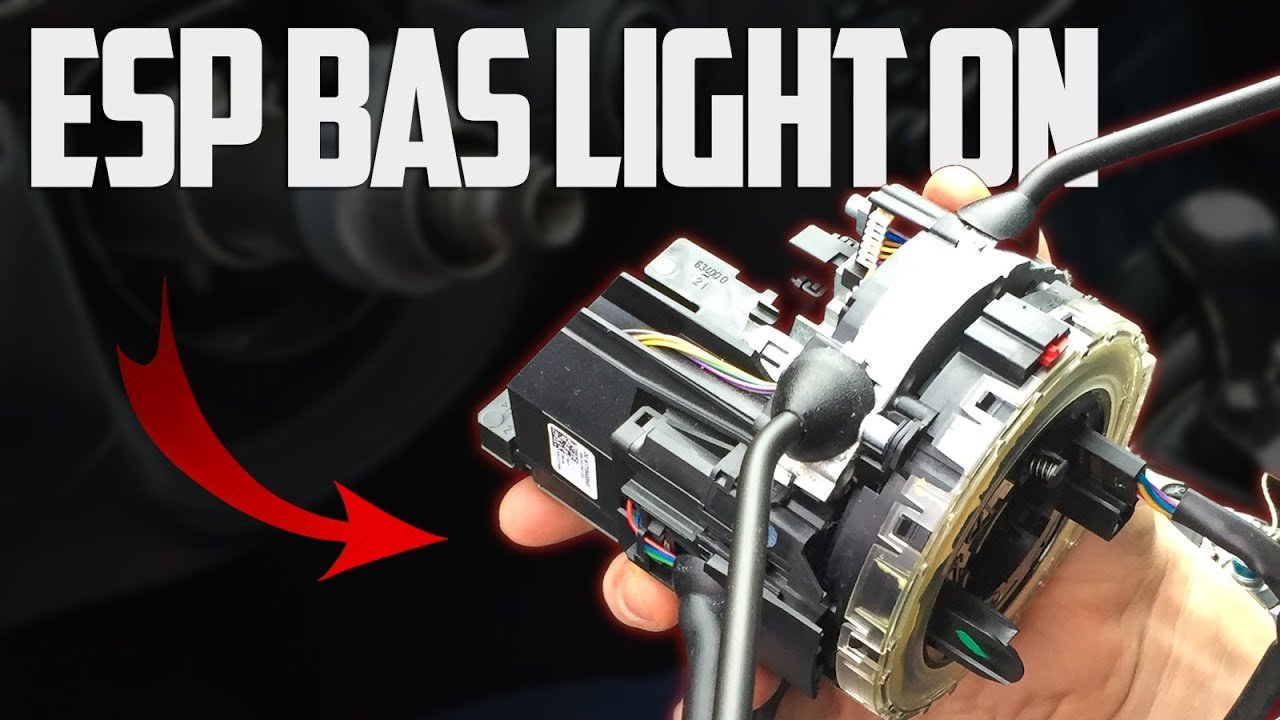
Inspect the steering angle sensor located near the steering column. Signs of damage or disconnection here can trigger the ESP BAS light.
Also, examine the brake fluid level. Low fluid can affect brake assist functions.
Clean any dirt or debris around sensors to ensure proper signal transmission.
Professional Diagnostic Tools
Mechanics use advanced diagnostic tools beyond basic scanners. These tools can perform live data streaming and system tests.
They check the ABS module and traction control components in real time. Professionals can also recalibrate sensors or update the vehicle’s software.
Using these tools provides a thorough diagnosis, ensuring the root cause of the ESP BAS light is found and fixed properly.

Diagnosing The Problem
The ESP BAS light on your Jeep Commander signals problems with stability or braking systems. Knowing when to visit a mechanic helps keep your vehicle safe.
Some issues need immediate attention, while others may wait.
Watch for signs beyond the warning light. These signs tell you if the problem is serious or minor.
Acting quickly can prevent bigger damage and higher repair costs.
Persistent Warning Lights
If the ESP BAS light stays on after starting your Jeep, see a mechanic soon. This indicates a continuous fault in the electronic stability or brake assist systems.
Ignoring it can cause these systems to stop working.
Do not reset or ignore the light without checking the cause. A trained technician can use special tools to find the exact problem.
Unusual Vehicle Behavior
Notice any strange driving behavior? If your Jeep slips, pulls to one side, or brakes oddly, get it checked.
These symptoms often relate to the same systems that trigger the ESP BAS light.
Problems with sensors or brakes affect how your Jeep drives. A mechanic can test and fix these issues to keep you safe on the road.
Cost Considerations For Repairs
Repair costs vary based on the problem’s complexity. Simple sensor replacements cost less than fixing ABS or traction control modules.
Early repairs can save money by avoiding damage to other parts.
Ask for a repair estimate before work starts. A good mechanic will explain options and help you decide what needs fixing now or later.
Diy Fixes And Troubleshooting
Keeping your Jeep Commander in good shape helps avoid the ESP BAS light from coming on. Simple checks and maintenance keep sensors and brakes working well.
These tips reduce unexpected repairs and keep your driving safe.
Regular Sensor Checks
ESP and BAS systems rely on sensors to work properly. Check wheel speed sensors and steering angle sensors often.
Clean any dirt or debris around sensors. Replace damaged sensors quickly to prevent warning lights.
Battery Health Monitoring
A weak battery can cause the ESP BAS light to activate. Test your battery regularly to ensure it holds a good charge.
Replace old or failing batteries before they cause system errors.
Scheduled Brake System Maintenance
Brake system problems often trigger the ESP BAS light. Inspect brake pads, rotors, and fluid levels on schedule.
Fix worn or faulty parts immediately. Proper brake care keeps your Jeep safe and the warning light off.
Can I Drive With My Esp Bas Light On?
Driving with the ESP BAS light on is not recommended. It signals issues in stability or brake assist systems.
Get your vehicle checked immediately to ensure safety and proper function.
How Do I Fix My Esp Bas Light?
Fix the ESP BAS light by checking and replacing faulty wheel speed or steering angle sensors. Clear error codes with a scanner.
Inspect wiring and brake switch for damage. Consult a mechanic if the light stays on after these steps.
Why Is The Esp Bas Light On In My Jeep?
The ESP BAS light on your Jeep indicates a problem with the electronic stability program or brake assist system. Common causes include faulty wheel speed sensors, steering angle sensor issues, or ABS system faults.
Check these components to diagnose and fix the issue promptly.
How Much Does It Cost To Fix The Esp Bas Light?
Fixing the ESP BAS light typically costs between $100 and $300. Costs vary by sensor or module replacement needed.
Conclusion
The ESP BAS light on your Jeep Commander signals a problem with stability or braking systems. Common causes include faulty wheel speed sensors or steering angle sensors.
Ignoring this light can affect your vehicle’s safety features. Getting a professional checkup helps find the exact issue quickly.
Regular maintenance can prevent these warnings from appearing. Staying alert to dashboard lights keeps your Jeep running smoothly and safely.
Don't delay fixing the ESP BAS light to ensure a safe drive every time.