If the check engine light on your Jeep Liberty suddenly turns on, it can catch you off guard and leave you wondering what’s wrong. You might ask yourself, “Is it safe to keep driving?
What does this warning really mean? ” That little light is your Jeep’s way of telling you that something needs attention whether it’s a simple fix like a loose gas cap or a sign of a bigger issue under the hood.
Understanding what triggers the check engine light can save you time, money, and stress. You’ll learn exactly what that light means for your Jeep Liberty and what steps you should take next to keep your vehicle running smoothly.
Don’t ignore it read on to find out how to decode this important warning and protect your ride.
Check Engine Light Basics
The check engine light on a Jeep Liberty warns drivers about engine or emission issues. It is part of the vehicle’s onboard diagnostic system.
This light helps identify problems early to avoid bigger repairs.
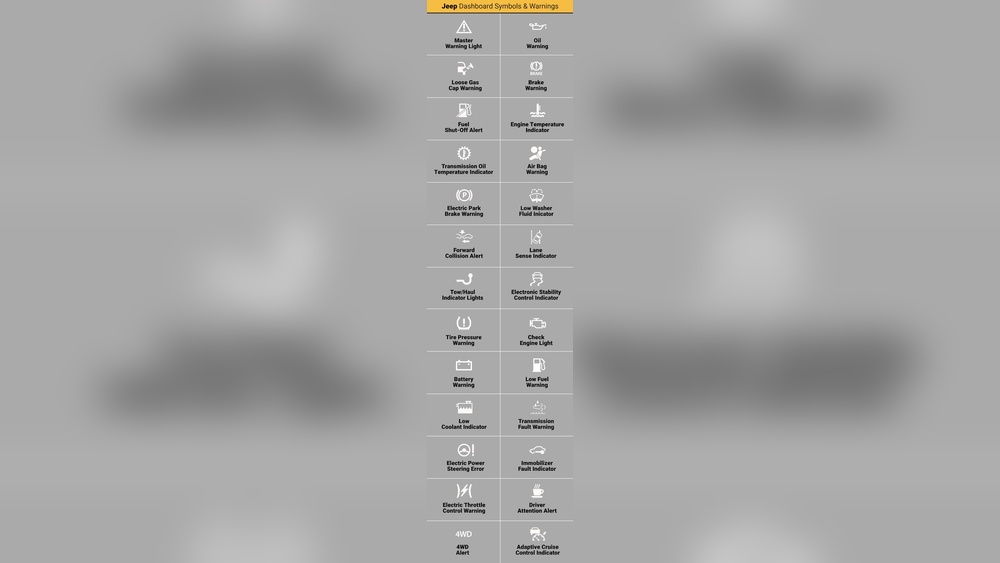
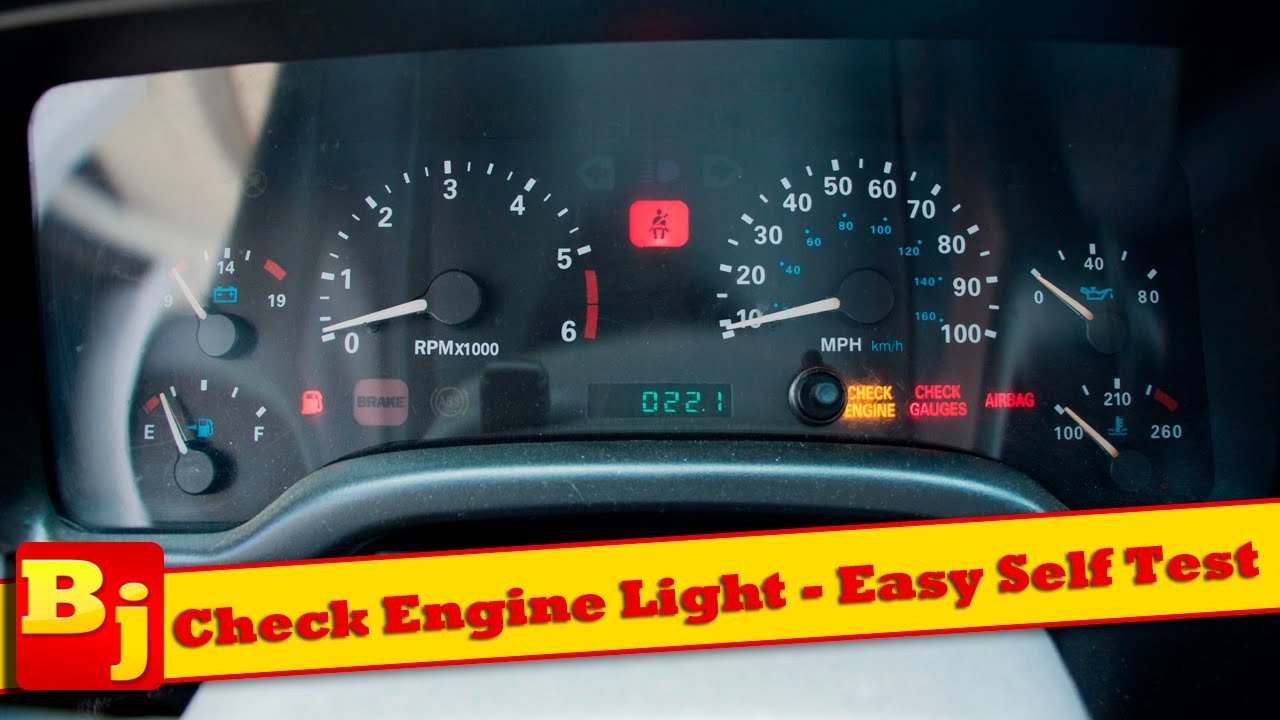
The light appears as an icon shaped like an engine or says “Check Engine.” It usually glows yellow or orange on the dashboard. Understanding its basics helps in quick response and proper vehicle care.
What Triggers The Light
The light turns on when the car’s computer finds a fault. Sensors detect issues in the engine, exhaust, or fuel system.
Problems may include a loose gas cap or a bad oxygen sensor. Even small issues can cause the light to appear.
Sometimes, the light blinks or stays steady depending on the problem’s severity.
Common Warning Indicators
Common causes include engine misfires, faulty spark plugs, or a failing catalytic converter. A loose or damaged gas cap often triggers the light too.
Low engine oil or overheating may also cause warnings. Ignoring the light can lead to poor fuel economy or engine damage.
Regular checks keep your Jeep Liberty running smoothly.

Typical Causes In Jeep Liberty
The check engine light in a Jeep Liberty signals a detected problem by the vehicle’s diagnostic system. It can point to a range of issues, from simple to complex.
Understanding typical causes helps in addressing the problem quickly. Common reasons include gas cap issues, sensor failures, and engine timing problems.
Each cause affects vehicle performance and fuel efficiency differently. Below are some common triggers for the check engine light in a Jeep Liberty.
Loose Or Faulty Gas Cap
A loose or damaged gas cap often triggers the check engine light. It allows fuel vapors to escape, disrupting the fuel system.
This problem is easy to fix by tightening or replacing the cap. Ignoring it can lead to fuel leaks and reduced mileage.
Check the gas cap first if the light turns on suddenly.
Oxygen Sensor Failures
The oxygen sensor monitors exhaust gases to optimize fuel mixture. A failing sensor causes poor engine performance and higher emissions.
It can also lower gas mileage and cause the light to come on. Replacing a faulty oxygen sensor restores proper engine function and reduces pollution.
Catalytic Converter Issues
The catalytic converter reduces harmful emissions by converting gases into less toxic substances. Problems here can cause the check engine light to activate.
A damaged converter can lead to poor engine power and increased emissions. Fixing or replacing the converter is essential to pass emissions tests.
Ignition And Engine Timing Problems
Issues with ignition coils or engine timing affect how the engine runs. Misfires or timing errors trigger the check engine light.
These problems cause rough idling, reduced power, and higher fuel consumption. Repairing ignition components or adjusting timing improves engine smoothness and efficiency.
Diagnosing The Problem
The check engine light on a Jeep Liberty signals a problem detected by the vehicle’s system. Diagnosing this issue involves understanding what the light means and how to find its cause.
Proper diagnosis helps prevent further damage and costly repairs.
Start by using the vehicle’s diagnostic tools to identify the problem. These tools provide specific error codes that point to the issue.
You can also perform a simple inspection to catch obvious problems yourself.
Using Onboard Diagnostic Tools
Every Jeep Liberty has an onboard diagnostic system called OBD-II. This system monitors engine performance and emissions.
When a problem arises, the OBD-II triggers the check engine light and stores a trouble code.
To access these codes, connect an OBD-II scanner to the port under the dashboard. This scanner reads the stored codes and displays them on its screen. Many auto parts stores offer free code reading services too.
Reading Error Codes
The error codes are alphanumeric and start with a letter followed by four digits. Each code corresponds to a specific problem.
For example, a code like P0420 usually means an issue with the catalytic converter.
After reading the code, look it up in a code reference guide or online. This step helps understand what part or system needs attention.
Knowing the code reduces guesswork and speeds up repairs.
Diy Inspection Tips
Check simple things first, like the gas cap. A loose or damaged gas cap often triggers the check engine light. Tighten or replace it if needed.
Next, inspect the air filter and spark plugs. Dirty filters or worn plugs can cause engine problems.
Cleaning or replacing these parts may fix the issue.
Look for visible signs of damage or leaks under the hood. Broken hoses or disconnected wires can also cause trouble codes.
Impact On Driving
The check engine light on a Jeep Liberty affects your driving in several ways. It warns that the vehicle’s system found a problem.
This alert can mean something small or a serious issue. Understanding the impact helps you decide how to drive safely.
Is It Safe To Drive?
Driving with the check engine light on depends on the situation. If the light is steady, your Jeep may still be safe to drive.
Watch for unusual sounds or smells. Avoid hard acceleration and long trips until you check the problem.
If the light is flashing, stop driving immediately. A flashing light means a serious engine problem.
Continuing to drive can cause severe damage. Pull over safely and get professional help as soon as possible.
When To Seek Immediate Repair
Seek immediate repair if the check engine light flashes or stays on with warning signs. These signs include loss of power, stalling, or strange noises.
Also, if you notice smoke or a strong fuel smell, do not wait.
Ignoring these warnings can lead to costly repairs or unsafe driving conditions. Visit a mechanic or Jeep service center right away.
Quick action protects your Jeep Liberty and keeps you safe on the road.
Fixes And Maintenance
The check engine light on a Jeep Liberty warns about possible problems with the vehicle. Understanding how to fix and maintain your Jeep can help keep it running smoothly.
Some issues are easy to solve at home. Others need a professional’s attention.
Regular care can prevent many problems from appearing.
Simple Solutions You Can Try
Start by checking the gas cap. A loose or damaged cap often triggers the light.
Tighten it until it clicks or replace it if broken.
Next, look for obvious issues like damaged wires or hoses under the hood. Sometimes, dirt or debris can cause sensor problems.
Cleaning these parts might turn off the light.
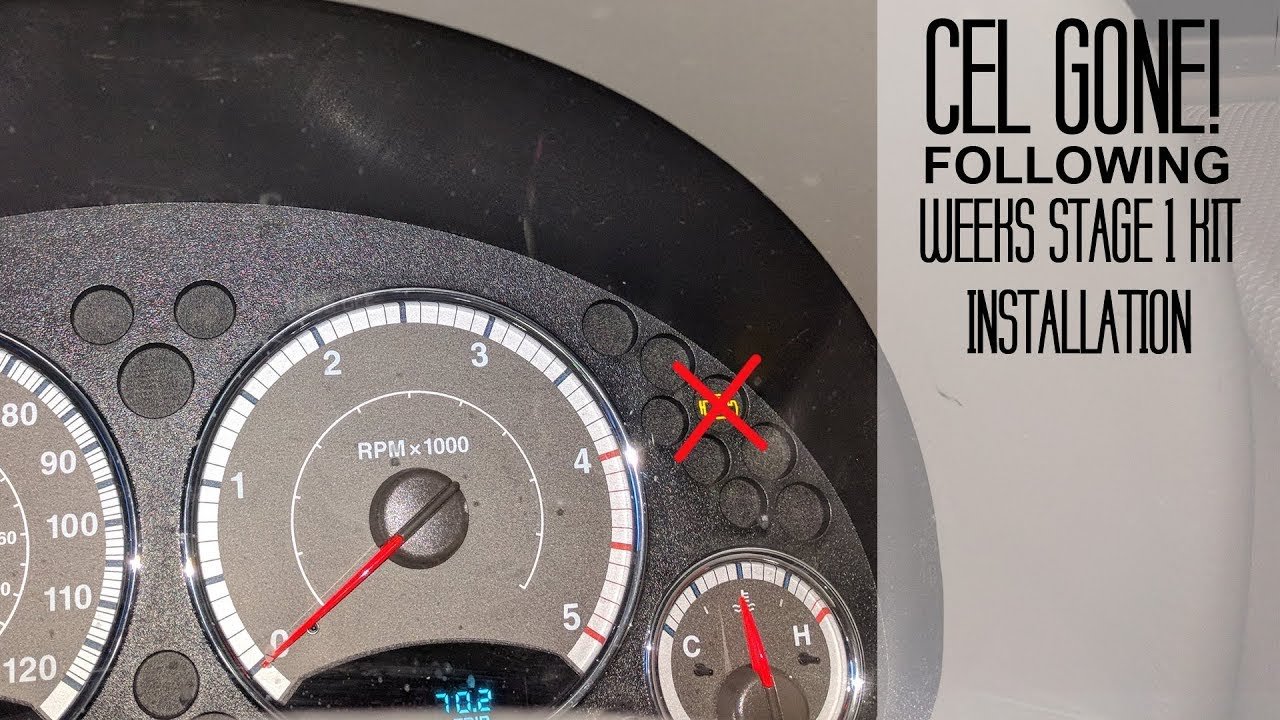
Reset the check engine light by disconnecting the battery for a few minutes. This can clear minor errors.
Drive the car afterward to see if the light stays off.
When To Visit A Mechanic
Visit a mechanic if the check engine light flashes or stays on after simple fixes. This signals a serious issue that needs expert care.
Also, if your Jeep shows poor performance, strange noises, or smells, seek professional help. Mechanics use special tools to read error codes and find the exact problem.
Ignoring the light can cause more damage and costly repairs. Timely visits protect your Jeep’s engine and parts.
Preventive Maintenance Tips
Change your Jeep’s oil and filters regularly. Clean oil helps the engine work better and lasts longer.
Check and replace spark plugs as needed. Worn plugs can cause engine misfires and light warnings.
Keep an eye on the air filter and replace it when dirty. A clean filter improves fuel efficiency and engine health.
Schedule regular tune-ups and inspections. Early detection of small problems keeps your Jeep safe and reliable on the road.
Recurring Light Issues
The check engine light on a Jeep Liberty can sometimes come on and off repeatedly. These recurring light issues may confuse drivers.
Understanding why this happens helps in knowing what to do next. Ignoring the light can lead to bigger problems later.
It is best to pay close attention to these alerts.
Some issues cause the light to appear briefly and then disappear. Other times, the light stays on longer but goes off after a short drive.
This behavior indicates the vehicle’s diagnostic system is detecting intermittent problems. Proper action can prevent damage and keep your Jeep Liberty running smoothly.
Why The Light Comes On And Off
The check engine light turns on when the car’s computer finds an issue. It may turn off if the problem is temporary or the system resets.
Loose gas caps, sensor glitches, or minor engine misfires can cause this. Sometimes, the light switches off after the engine warms up or after a few drives.
Recurring on-and-off alerts mean the issue is not fully resolved. The system keeps detecting the fault but cannot confirm it all the time.
This can happen with faulty sensors or wiring problems. Regular scanning of the error codes helps identify the real cause quickly.
Handling Persistent Alerts
Persistent check engine lights need immediate attention. Start by checking the gas cap to ensure it is tight.
Use an OBD-II scanner to read the trouble codes stored in the vehicle’s computer. This gives clues about the problem’s source.
Visiting a trusted mechanic is important if the light keeps coming back. They can perform thorough diagnostics and fix the underlying issue.
Avoid driving long distances with a flashing or constant check engine light. Doing so protects your Jeep Liberty from costly damages.
Frequently Asked Questions
Can I Drive My Jeep With The Engine Light On?
You can drive your Jeep briefly with the engine light on. Check for serious issues promptly to avoid damage.
Why Is My Check Engine Light On In My Jeep Liberty?
Your Jeep Liberty’s check engine light indicates the onboard system detected a problem. Causes range from a loose gas cap to engine or emission issues.
What Is The First Thing To Check When The Check Engine Light Comes On?
Check the gas cap first; a loose or damaged cap often triggers the check engine light. Tighten or replace it.
Can I Still Drive My Car If The Check Engine Light Just Came On?
You can drive briefly, but avoid long trips. Check the gas cap first.
Get a diagnostic test soon to prevent serious damage.
Conclusion
The check engine light on a Jeep Liberty signals a detected problem. It might be a simple issue, like a loose gas cap.
Or it could mean a more serious engine or emission fault. Ignoring the light can lead to bigger, costly repairs.
Always check the light promptly to keep your Jeep running well. A quick diagnosis can save time and money.
Pay attention to your vehicle’s signals for safer driving.