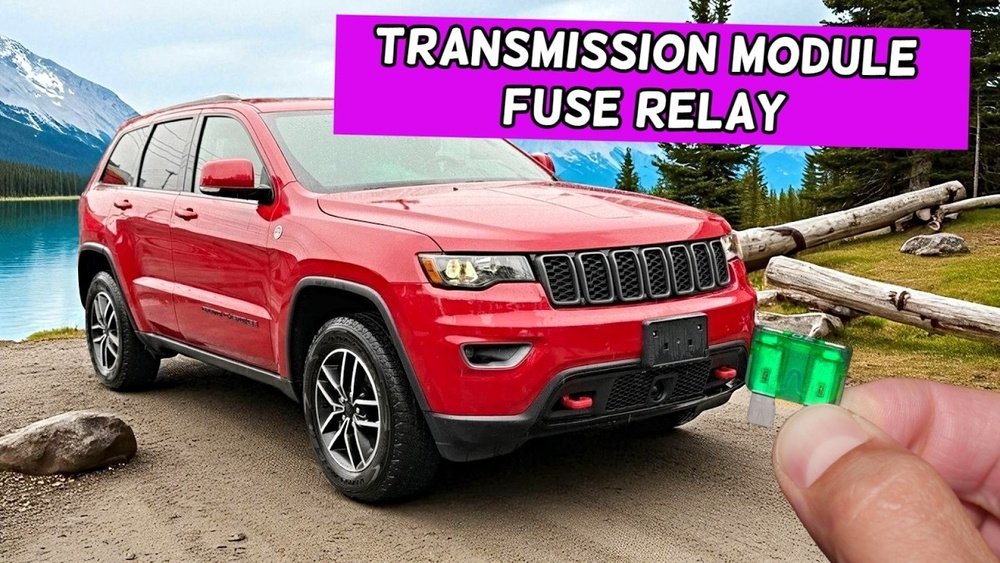
If you’re driving your Jeep and suddenly see the check engine light come on, you might feel a surge of worry or confusion. What exactly does that light mean for your vehicle?
Is it something urgent, or can you keep driving safely for now? Understanding what triggers the check engine light in your Jeep is key to preventing costly repairs and keeping your vehicle running smoothly.
You’ll learn the most common reasons why your Jeep’s check engine light might turn on, how to quickly diagnose the issue yourself, and what steps you should take next.
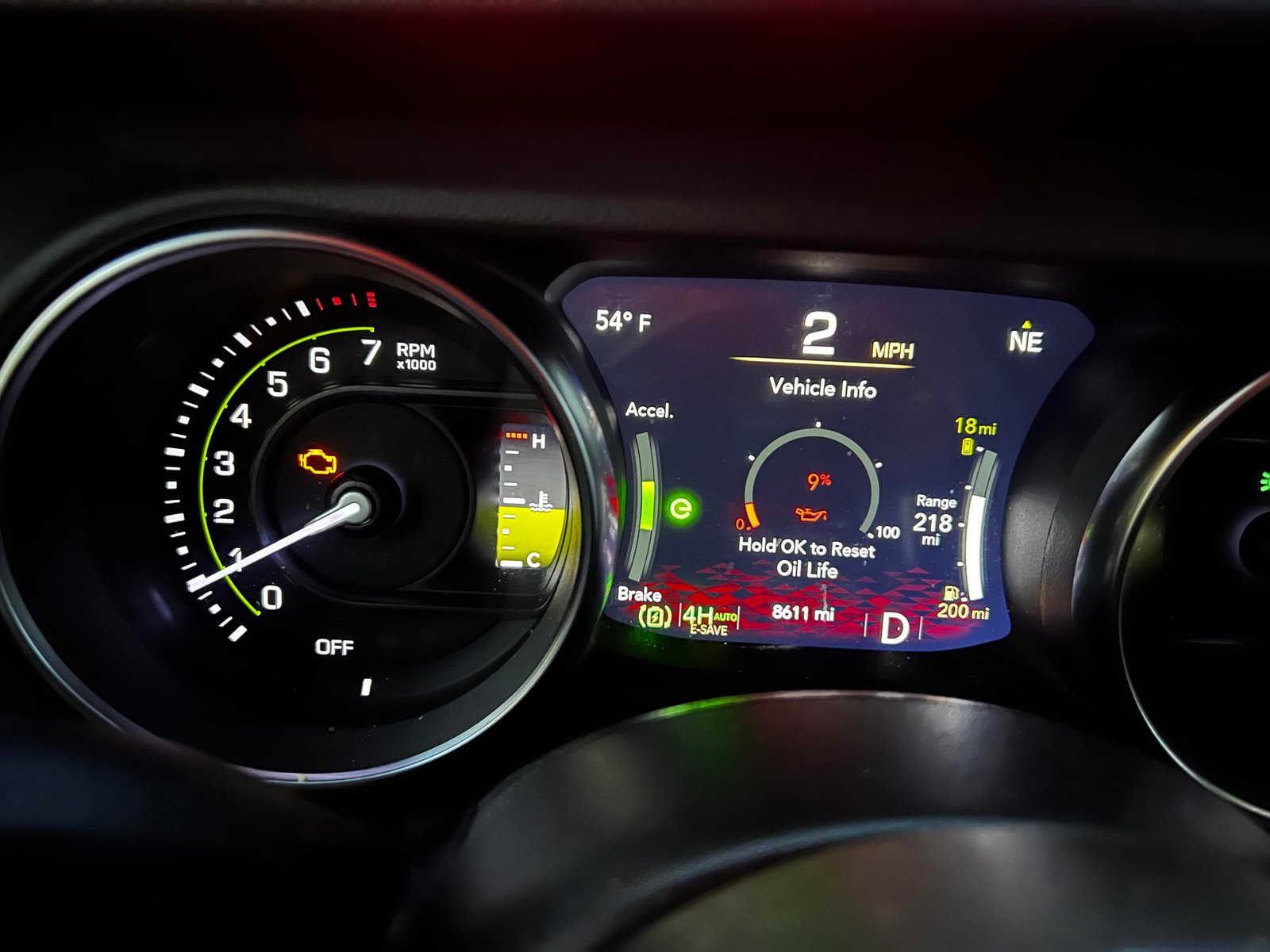
Keep reading to take control of your Jeep’s health and avoid surprises on the road.
Check Engine Light Basics
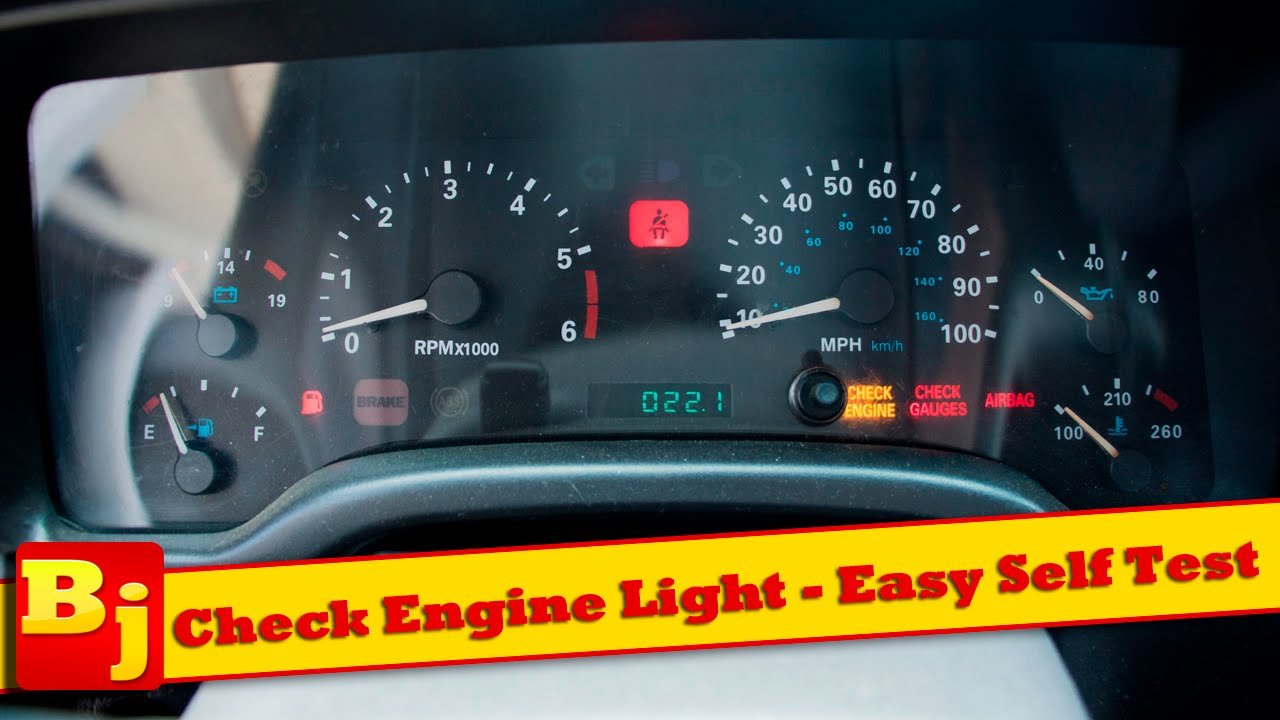
The check engine light in your Jeep signals a problem detected by the onboard computer. It can light up for many reasons.
Some causes are simple, while others need quick attention. Knowing common causes helps you understand why the light is on.
These issues affect engine performance, emissions, or fuel efficiency. Ignoring the light can lead to costly repairs.
Here are some frequent reasons your Jeep’s check engine light might come on.
Loose Or Damaged Gas Cap
A loose or damaged gas cap is the most common cause. It lets fuel vapors escape from the tank.
This triggers the onboard system to warn you. Tightening or replacing the gas cap often fixes the problem. It is a simple and cheap fix.
Failing Catalytic Converter
The catalytic converter reduces harmful emissions. When it fails, your Jeep may lose power and run poorly.
The check engine light will come on to alert you. A bad catalytic converter needs replacing to avoid damage to other parts.
Bad Spark Plugs Or Wires
Spark plugs create the spark for combustion. Worn plugs or damaged wires cause engine misfires.
This leads to rough running and lower fuel efficiency. The check engine light signals these problems early.
Replacing plugs or wires restores smooth engine performance.
Faulty Mass Airflow Sensor
The mass airflow sensor measures air entering the engine. A faulty sensor sends wrong information to the computer.
This disrupts fuel delivery and affects engine running. The check engine light will warn you of this issue.
Cleaning or replacing the sensor often solves the problem.
Common Causes
The check engine light on a Jeep signals that the vehicle’s computer found a problem. The onboard system stores trouble codes to help identify the issue.
You can read these codes yourself without special tools. This process is called self-diagnosing trouble codes.
It saves time and money by giving you a clear idea of what needs fixing. Two common ways to access these codes are the ignition key cycle method and reading codes without a scanner.
Using Ignition Key Cycle Method
Start by inserting the key into the ignition. Turn the key from OFF to ON three times.
Do not start the engine. On the third turn, leave the key in the ON position.
The check engine light will flash codes in a sequence. Count the flashes to note the numbers.
Each number represents a specific trouble code. Write down the codes for later reference.
This method works on many Jeep models made before 1996.
Reading Codes Without A Scanner
Newer Jeeps have an onboard diagnostic system called OBD-II. You can read codes without a scanner by using the vehicle’s dashboard lights.
Turn the ignition ON but do not start the engine. Watch the check engine light blink.
The light will flash two-digit codes. Pause briefly between each code.
Write down all the codes you see. Use an online code list to understand what each means.
This method helps diagnose issues without any extra tools.
Self-diagnosing Trouble Codes
Preventive maintenance plays a key role in keeping your Jeep running smoothly. It helps avoid unexpected issues that trigger the check engine light.
Routine care ensures the engine and related systems stay in good condition. This reduces the chance of costly repairs and improves your Jeep’s performance and fuel efficiency.
Taking simple maintenance steps regularly can catch problems early. This way, you keep your Jeep safe and reliable on the road.
Here are some essential preventive maintenance tasks every Jeep owner should follow.
Regular Oil Changes
Changing the oil regularly keeps the engine parts lubricated and clean. Old or dirty oil can cause engine wear and trigger the check engine light.
Jeep manufacturers recommend changing oil every 5,000 to 7,500 miles. Check your owner’s manual for the exact schedule.
Fresh oil helps the engine run efficiently and prevents overheating.
Sensor Monitoring
Modern Jeeps rely on many sensors to monitor engine health. Sensors track air flow, fuel mixture, and emissions.
Faulty sensors can cause the check engine light to turn on. Regularly checking sensor function ensures they report correct data.
Mechanics can use diagnostic tools to spot sensor issues early. Replacing bad sensors avoids engine problems and saves money.
Scheduled Engine Checks
Routine engine inspections identify wear or damage before it worsens. Scheduled checks include examining spark plugs, belts, and hoses.
These parts affect engine performance and emissions. Worn spark plugs can cause misfires that light up the check engine warning.
Mechanics also test emissions systems and fuel lines. Keeping to a service schedule ensures your Jeep stays reliable.
Frequently Asked Questions
Can I Drive My Jeep With The Engine Light On?
You can drive your Jeep briefly with the engine light on, but get it checked soon. Ignoring it risks costly damage or breakdowns.
Why Would My Check Engine Light Come On On My Jeep?
Your Jeep’s check engine light signals the onboard computer detected engine, emissions, or transmission issues. Common causes include a loose gas cap, faulty spark plugs, or a failing catalytic converter.
Addressing the warning quickly prevents costly repairs and ensures safe driving.
Can I Drive $1000 Miles With The Check Engine Light On?
Driving 1000 miles with the check engine light on risks severe damage. Stop and diagnose the issue promptly to avoid costly repairs.
Can Low Oil Cause A Check Engine Light?
Low oil levels can trigger the check engine light by causing engine damage or sensor malfunctions. Always check oil regularly.
Conclusion
The check engine light in your Jeep signals a detected problem. It may point to simple issues like a loose gas cap or more serious engine troubles.
Ignoring the light can lead to costly repairs. Use basic steps to check the code yourself or visit a trusted mechanic.
Staying alert helps keep your Jeep running smoothly and safely. Don’t delay fixing the problem once the light appears.