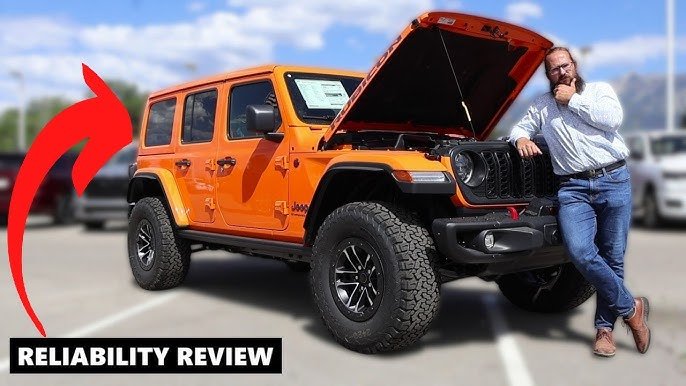
The 2014 Jeep Wrangler is an iconic off-road vehicle. Many owners want to know about wheel size for this specific model year.
Choosing the right wheels can change how your Wrangler looks and performs. It also affects your ability to tackle tough terrain.
This article will guide you through everything you need to know about 2014 Jeep Wrangler wheel sizes. We will cover factory options, common aftermarket choices, and important factors to consider when upgrading.
Understanding Jeep Wrangler Wheel Specifications
When looking at wheels, you’ll see a series of numbers and letters. This is called the wheel specification. For a 2014 Jeep Wrangler, the key numbers you need to know are:
- Bolt Pattern: This is the number of lug nuts and the diameter of the circle they form. For the 2014 Jeep Wrangler, the bolt pattern is 5×5 inches (or 5x127mm). This means there are 5 lug nuts, and the distance from the center of one stud to the center of another, across the hub, is 5 inches. This is a crucial measurement. If the bolt pattern doesn’t match, the wheel simply won’t fit on your Jeep.
- Offset: This measures how far the wheel is mounted inward or outward from the hub’s mounting surface. A positive offset means the wheel is mounted further inward. A negative offset means it’s mounted further outward. For the 2014 Wrangler, the factory wheels typically have a positive offset (around +44mm). Many aftermarket wheels for Wranglers have a negative offset to allow for larger tires and a wider stance, which is great for off-roading.
- Center Bore: This is the hole in the center of the wheel that fits over your Jeep’s hub. If the center bore of an aftermarket wheel is too small, it won’t fit. If it’s too large, you might need hub-centric rings to ensure a snug fit and prevent vibrations. The 2014 Wrangler has a center bore of 71.5mm.
- Wheel Diameter: This is the size of the wheel from one edge to the other, measured in inches.
- Wheel Width: This is how wide the wheel is, also measured in inches.
Knowing these specifications is the first step to making an informed decision about wheel size.
Factory Wheel Size For The 2014 Jeep Wrangler
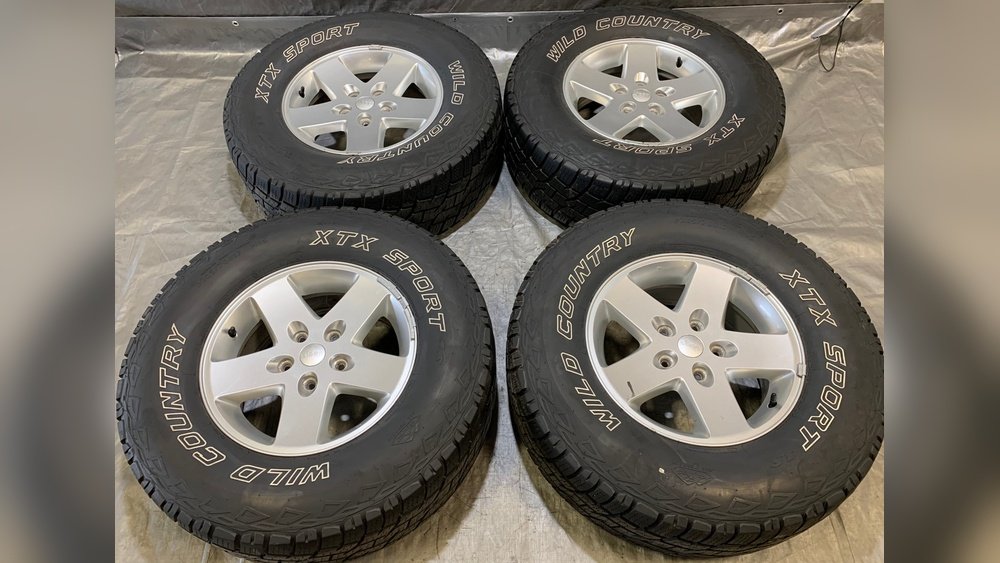
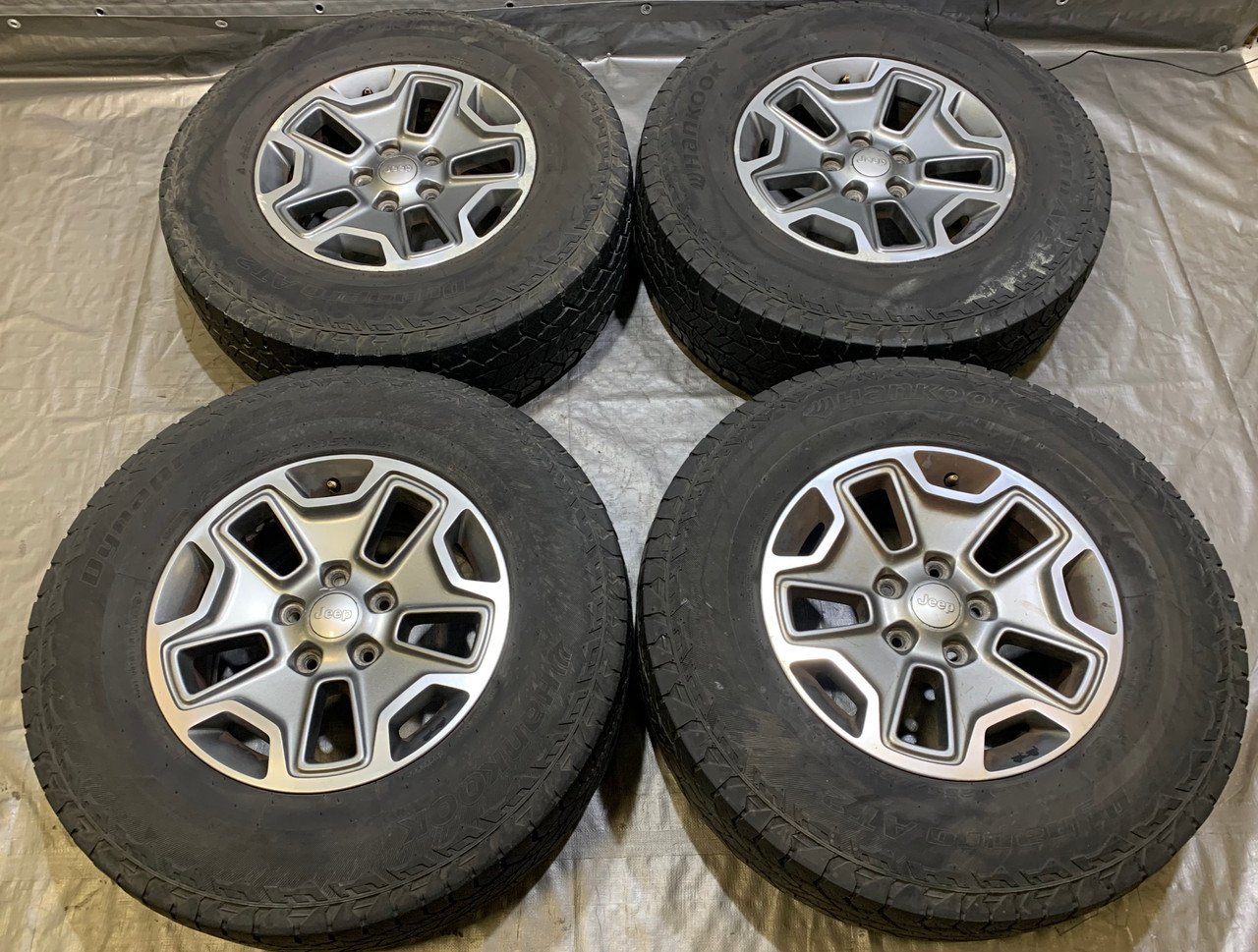
The 2014 Jeep Wrangler came with a few different wheel sizes depending on the trim level. Most commonly, you would find:
- 16-inch wheels: Often found on the base Sport model. These typically came with 225/75R16 tires.
- 17-inch wheels: This was the most common size, found on Sport S, Sahara, and Rubicon trims. Tires varied, but common sizes included 255/75R17 (Sport, Sport S) and 265/70R17 (Rubicon).
These factory sizes are designed to balance on-road comfort with off-road capability. However, many owners look to upgrade for better performance or aesthetics.
16-inch Factory Wheels
The 16-inch wheels on the 2014 Wrangler were usually paired with tires that offered a good balance for daily driving and light off-roading. The 225/75R16 tire size is relatively narrow and has a taller sidewall. This taller sidewall can be beneficial for absorbing impacts on rough trails. However, these wheels and tires might look a bit small on the Wrangler’s large frame for some owners.
17-inch Factory Wheels
17-inch wheels became the standard for many trims in 2014. The 255/75R17 and 265/70R17 tire sizes offer a wider contact patch compared to the 16-inch options. This can provide better grip on various surfaces, both on and off-road. The Rubicon trim, in particular, often came with larger, more aggressive tires on its 17-inch wheels, ready for serious trail use.
Common Aftermarket Wheel Sizes For The 2014 Wrangler
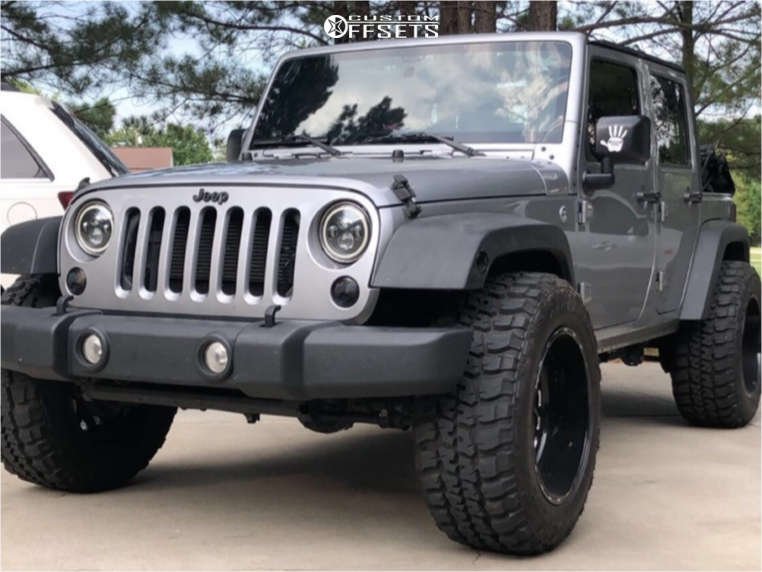
When you start looking at aftermarket wheels, you'll find a much wider range of options. The goal for most Wrangler owners is to fit larger tires.
This often means going with larger diameter wheels or wheels with different offsets.
Common Diameter Upgrades
- 17-inch Wheels: This is the most popular size for aftermarket upgrades. Why? Because it allows you to fit a wide variety of larger, more aggressive off-road tires. You can find 17-inch wheels in many styles and finishes, from rugged beadlocks to sleek alloys. The factory 17-inch wheels already provide a good base, and many aftermarket 17-inch wheels offer different backspacing and offset options that are more conducive to larger tires.
- 18-inch Wheels: Some owners opt for 18-inch wheels. This size allows for a slightly lower profile tire compared to a 17-inch wheel with the same overall diameter. While some people prefer the look, it’s generally less popular for hardcore off-roading because the tire sidewall is smaller, offering less protection and cushioning.
- 20-inch Wheels and Larger: While visually striking, wheels larger than 18 inches are generally not recommended for serious off-road use on a Wrangler. The extremely low-profile tires that come with these larger wheels offer very little sidewall flex and are prone to damage on rough terrain. They are primarily for aesthetic purposes and on-road driving.
Common Widths And Offsets
Aftermarket wheels for the 2014 Wrangler often come in widths ranging from 8 inches to 10 inches. Wider wheels can help seat larger tires more securely and provide a more stable footprint.
The offset is where things get interesting for aftermarket wheels. Most aftermarket wheels for Wranglers have a negative offset. This pushes the wheel and tire further out from the Jeep’s suspension and body.
- Why Negative Offset?
- More Tire Clearance: It helps clear larger tires without rubbing on suspension components.
- Wider Stance: It gives the Wrangler a more aggressive, wider look.
- Improved Off-Road Stability: A wider track can increase stability on uneven terrain.
- Clearance for Big Brakes: Some aftermarket big brake kits require wheels with specific offset and backspacing.
Common negative offsets you’ll see are -12mm, -24mm, and -44mm. The specific offset you choose will depend on the tire size you plan to run and whether you have any suspension modifications like lifts.
Tire Size And Wheel Size Relationship
It’s crucial to understand that wheel size and tire size work together. You can’t just pick a wheel and expect any tire to fit. The overall diameter of the tire is what determines how much ground clearance you have and how the speedometer reads.
Calculating Overall Tire Diameter
The tire size is written as XXX/YYRZZ, for example, 285/70R17.
- XXX: Tire width in millimeters (e.g., 285mm).
- YY: Aspect ratio (sidewall height as a percentage of width). So, 70 means the sidewall height is 70% of 285mm.
- R: Radial construction.
- ZZ: Wheel diameter in inches (e.g., 17 inches).
To calculate the overall diameter:
- Calculate Sidewall Height: (Width in mm / 100) * Aspect Ratio.
- Example: (285 / 100) 70 = 2.85 70 = 199.5 mm.
- Convert Sidewall Height to Inches: Divide by 25.4 (since 1 inch = 25.4 mm).
- Example: 199.5 mm / 25.4 = 7.85 inches.
- Calculate Overall Diameter: (Sidewall Height in Inches * 2) + Wheel Diameter in Inches.
- Example: (7.85 inches 2) + 17 inches = 15.7 inches + 17 inches = 32.7 inches*.
So, a 285/70R17 tire has an approximate overall diameter of 32. 7 inches.
Common Tire Sizes And Corresponding Wheel Sizes
Here’s a look at popular tire sizes for the 2014 Wrangler and the wheel sizes they are typically mounted on:
- 33-inch Tires:
- 285/70R17: A very popular size. Fits on 17×8 or 17×9 wheels. Often requires minor trimming or a small lift (2-3 inches).
- 305/70R17: A bit wider than 285. Fits on 17×9 wheels. May need more trimming or a lift.
- 33×12.50R15: If you have 15-inch wheels (less common on 2014s but possible), this is a classic 33-inch size. Requires wider wheels like 15×8 or 15×10.
- 35-inch Tires:
- 315/70R17: A common 35-inch size for 17-inch wheels. Usually requires a 3-4 inch lift and potential fender modifications. Fits well on 17×8.5 or 17×9 wheels.
- 35×12.50R17: Another popular 35-inch size for 17-inch wheels. Similar fitment requirements to 315/70R17.
- 35×12.50R15: For 15-inch wheels. Requires 15×8 or 15×10 wheels.
- 37-inch Tires:
- 37×12.50R17: A large tire size that demands significant modifications. Requires a suspension lift of 4 inches or more, often fender flares, and potentially re-gearing the axles. Fits on 17×9 or 17×10 wheels.
Pro Tip: Always check the tire manufacturer’s recommended wheel width range for any tire size you consider. Mounting a tire on a wheel that is too narrow or too wide can affect its performance and safety.
Factors To Consider When Choosing Wheel Size
Upgrading your wheels isn’t just about looks; it impacts performance, handling, and even your wallet. Here are key factors to consider:
1. Intended Use (on-road Vs. Off-road)
- Primarily On-Road: If your Wrangler is mostly for daily driving with occasional light trails, you might prefer a larger diameter wheel (like 18-inch or even 20-inch) with a lower-profile tire. This can offer better on-road handling and a more refined ride. However, remember that lower profile tires mean less sidewall, which is less forgiving on bumps and off-road.
- Serious Off-Roading: For serious trail use, 17-inch wheels are usually the best choice. They allow for taller tire sidewalls, which provide better flex, cushioning, and protection against trail obstacles. A wider wheel with a negative offset also helps accommodate larger tires and provides a more stable stance.
2. Tire Size And Clearance
As discussed, your wheel choice directly impacts the tire sizes you can fit. Larger tires provide better ground clearance and can overcome obstacles more easily. However, they also require more space.
- Stock Suspension: With stock suspension, you can typically fit up to 32-inch tires (like the factory 255/75R17) without issues. Some might even fit 33-inch tires with minor rubbing on the plastic fender flares at full steering lock.
- Small Lift (2-3 inches): This is often enough to clear 33-inch tires comfortably and potentially even 35-inch tires with some fender trimming or higher-clearance fender flares.
- Larger Lift (4+ inches): Required for 37-inch tires and larger, and often involves significant suspension and body modifications.
3. Backspacing And Offset
These two terms are closely related and critical for tire clearance.
- Backspacing: This is the distance from the back of the wheel mounting surface to the outer lip of the wheel. Less backspacing (more negative offset) pushes the wheel out.
- Offset: As mentioned, this is the distance from the wheel’s centerline to the mounting surface. Negative offset pushes the wheel out.
General Rule: For larger tires on a Jeep Wrangler, you generally want less backspacing or more negative offset. This helps prevent the tire from rubbing on your Jeep’s fenders, control arms, or sway bar links, especially at full suspension compression or full steering lock.
- Stock 2014 Wrangler wheels typically have around 5.5 inches of backspacing and a positive offset (+44mm).
- Many aftermarket wheels for 33-35 inch tires will have 4.5 inches or 3.75 inches of backspacing and negative offsets (-12mm or -24mm).
4. Ride Quality And Handling
Wheel and tire choices significantly affect how your Wrangler drives.
- Larger Wheels, Lower Profile Tires: Can lead to a firmer ride and more responsive steering on pavement. However, they transmit more road imperfections to the cabin and offer less cushioning off-road.
- Smaller Wheels, Taller Sidewall Tires: Provide a softer, more comfortable ride on rough surfaces. The taller sidewall can flex and absorb impacts better. However, on pavement, they can feel less precise, with more tire roll during cornering.
5. Gearing And Drivetrain
As you increase tire size, you effectively make your Jeep’s final drive ratio “taller. ” This means the engine has to work harder to turn the larger tires.
- For 33-inch tires: If you have a manual transmission, your 3.21 or 3.73 gears might feel adequate, but 4.10 gears would be ideal for better acceleration and towing. If you have an automatic transmission, you’ll likely notice a significant difference and may want to re-gear.
- For