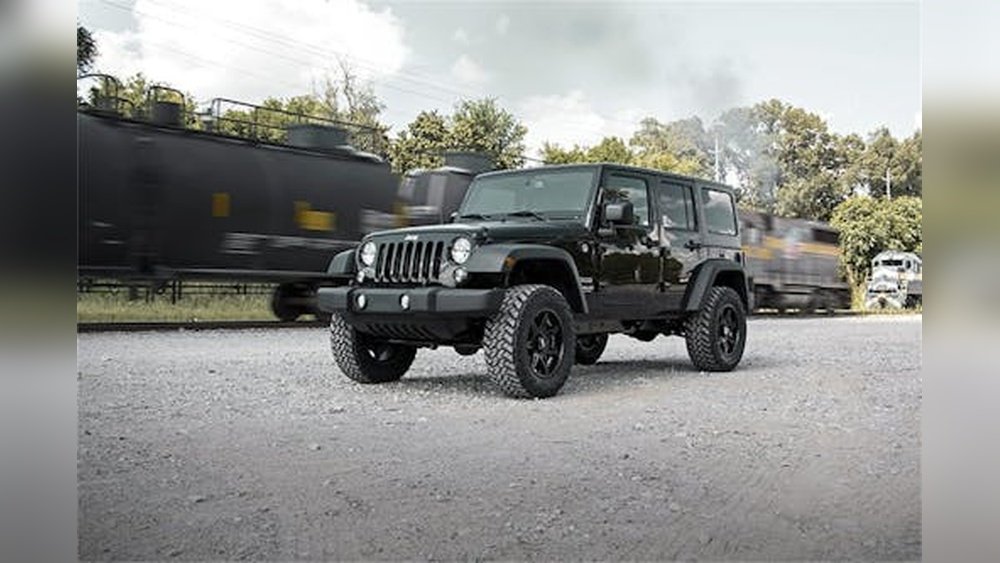
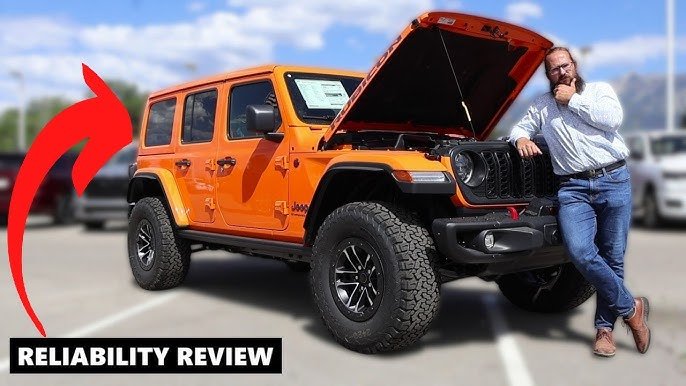
The Jeep Wrangler Sahara is an iconic vehicle, known for its off-road prowess and rugged styling. When it comes to enhancing its already impressive looks, black wheels are a popular choice for many owners.
They offer a sleek, aggressive aesthetic that complements the Wrangler’s adventurous spirit. But beyond just looks, choosing the right black wheels for your Sahara involves understanding different materials, finishes, sizes, and how they impact your Jeep’s performance.
This guide will explore everything you need to know about Jeep Wrangler Sahara black wheels, from selecting the perfect set to maintaining their striking appearance.
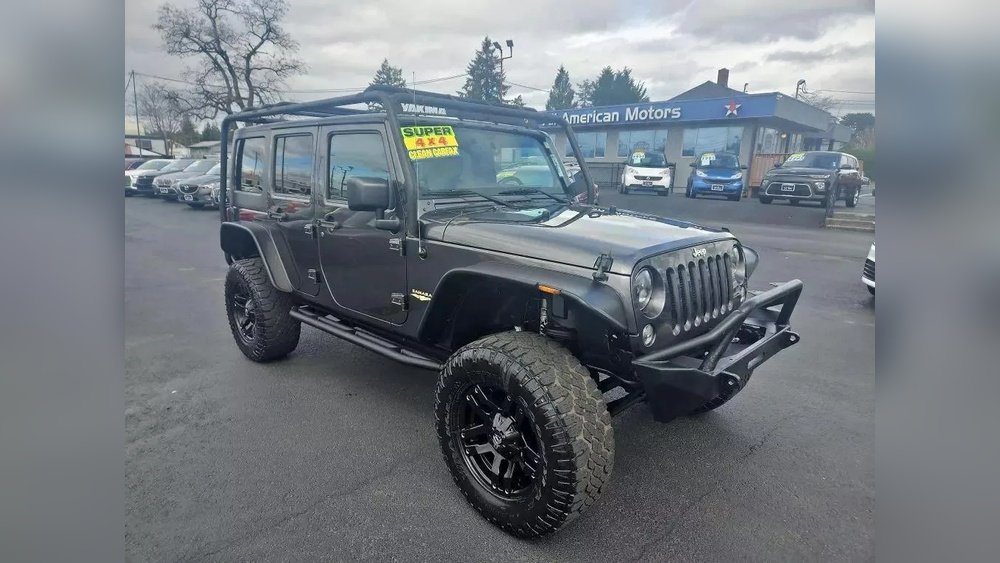
Understanding Jeep Wrangler Sahara Wheel Options
The Jeep Wrangler Sahara trim comes with specific wheel options from the factory, but the aftermarket offers a vast universe of choices. Factory Sahara wheels often feature a blend of polished and painted surfaces, sometimes with chrome accents.
However, many owners opt for aftermarket wheels to achieve a more personalized look or to gain specific performance benefits for off-roading.
Factory Sahara Wheel Characteristics
Jeep Wranglers, particularly the Sahara trim, typically come equipped with alloy wheels. These are lighter than steel wheels and offer more design flexibility.
The standard Sahara wheels often have a size like 18 inches in diameter and a specific offset designed to balance on-road comfort with off-road capability.
The finish might be a machined face with painted pockets, or a full silver or sometimes a darker grey. While these wheels look good, they might not provide the extreme durability or unique style some off-road enthusiasts seek.
Aftermarket Wheel Benefits For Sahara
The aftermarket wheel industry provides Jeep owners with countless options. When considering black wheels, you’ll find various shades and finishes:
- Matte Black: This is a popular choice for a stealthy, non-reflective look. It hides dirt and brake dust well, making it practical for off-road use.
- Gloss Black: Offers a shiny, premium appearance that can make your Sahara stand out. It’s easier to clean but can show smudges and scratches more readily.
- Satin Black: A middle ground between matte and gloss, providing a subtle sheen without being overly reflective. It’s a sophisticated look that’s also quite durable.
- Textured Black: Some wheels feature a rougher texture, adding another layer of visual interest and often enhancing durability against rock chips.
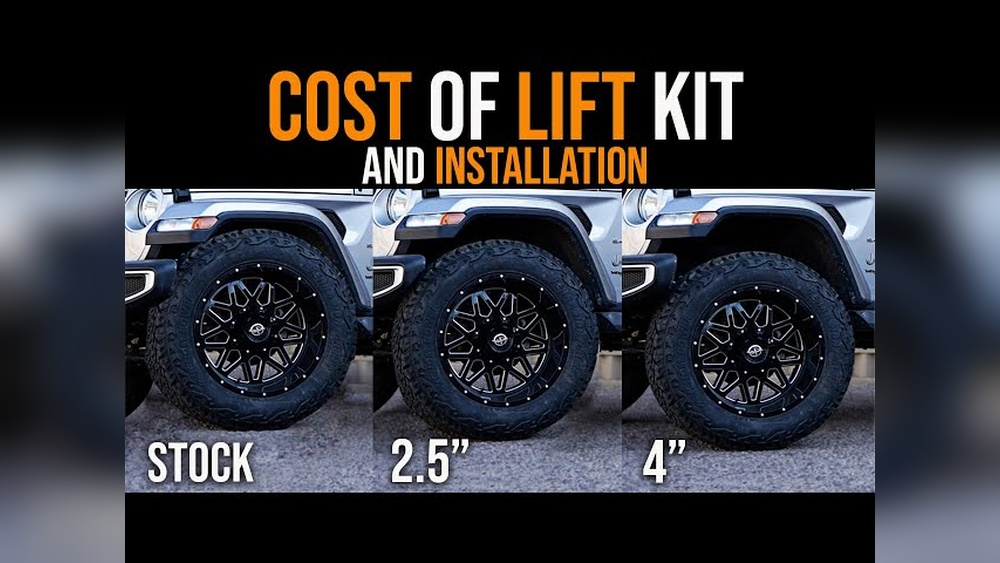
Beyond the finish, aftermarket wheels allow for changes in size (diameter and width), backspacing, and offset. These adjustments can affect tire fitment, suspension clearance, and the overall stance of your Wrangler.
Key Factors When Choosing Black Wheels For Your Sahara
Selecting the right black wheels involves more than just picking a color. Several crucial factors influence their performance, durability, and how they look on your Jeep Wrangler Sahara.
Wheel Size And Diameter
The diameter of your wheels directly impacts the types of tires you can fit. Most stock Sahara models come with 18-inch wheels.
However, many owners upgrade to larger or smaller diameters.
- Larger Diameter (e.g., 20-inch, 22-inch): These are often chosen for aesthetic reasons, allowing for low-profile tires that give a more street-oriented, sporty look. However, larger diameter wheels with thinner sidewalls are generally less suitable for aggressive off-roading as they are more prone to damage from impacts.
- Smaller Diameter (e.g., 17-inch): This is a very popular choice for off-road enthusiasts. Smaller diameter wheels allow for larger, taller tires with thicker sidewalls. These thicker sidewalls provide better cushioning on rough terrain, are more resistant to punctures, and offer improved traction in various conditions. A common setup for modified Wranglers is 17-inch wheels with 33-inch or 35-inch tires.
Wheel Width And Offset/backspacing
These measurements determine how far the wheel sits in relation to the fender.
- Wheel Width: A wider wheel can accommodate a wider tire, which can improve traction and stability. However, excessively wide wheels can rub against suspension components or fender flares.
- Offset: This is the distance from the wheel’s mounting surface to the centerline of the wheel. A positive offset means the mounting surface is closer to the outside of the wheel, pushing it inward. A negative offset means the mounting surface is further from the outside, pushing the wheel outward.
- Backspacing: This is the distance from the back of the wheel mounting surface to the outside edge of the wheel. It’s closely related to offset. For Wranglers, particularly when fitting larger tires, a lower backspacing (or negative offset) is often preferred. This pushes the wheels outward, giving the Jeep a wider stance and helping to clear suspension components and fender flares.
A common recommendation for Wranglers, especially those with suspension lifts and larger tires, is a backspacing of around 4 to 4.75 inches. This typically corresponds to a negative offset.
Materials And Construction
The material and construction method of a wheel significantly affect its strength, weight, and cost.
- Alloy Wheels: These are the most common type for the Sahara. Made from aluminum or magnesium alloys, they are lighter than steel wheels and offer excellent design flexibility, allowing for intricate styles and finishes like the black options we’re discussing. They provide a good balance of strength and weight.
- Cast Alloy: This is the most common manufacturing process for alloy wheels. Molten metal is poured into a mold. It’s cost-effective but can result in slightly heavier and less uniformly structured wheels compared to forged options.
- Forged Alloy: Forged wheels are made by heating aluminum and then shaping it under extreme pressure. This process creates a much denser, stronger, and lighter wheel than cast alloy. They are ideal for extreme off-roading where durability is paramount, but they come at a significantly higher price point.
- Steel Wheels: While less common on modern Saharas, steel wheels are incredibly durable and relatively inexpensive. They are heavy, which can negatively impact acceleration and fuel economy, and their design options are limited. However, for extreme off-roaders who prioritize toughness above all else, steel wheels are still a viable option, often available in black.
Load Rating
This is a critical specification for any wheel, especially for a vehicle like the Jeep Wrangler that is designed for adventure. The load rating indicates the maximum weight a single wheel can safely support. Ensure that any aftermarket wheels you choose have a load rating that exceeds the gross vehicle weight rating (GVWR) of your Jeep, divided by four. For most Wranglers, a load rating of around 2000-2500 lbs per wheel is generally sufficient, but it’s always best to check your specific vehicle’s GVWR. This is especially important if you plan to carry heavy cargo or tow.
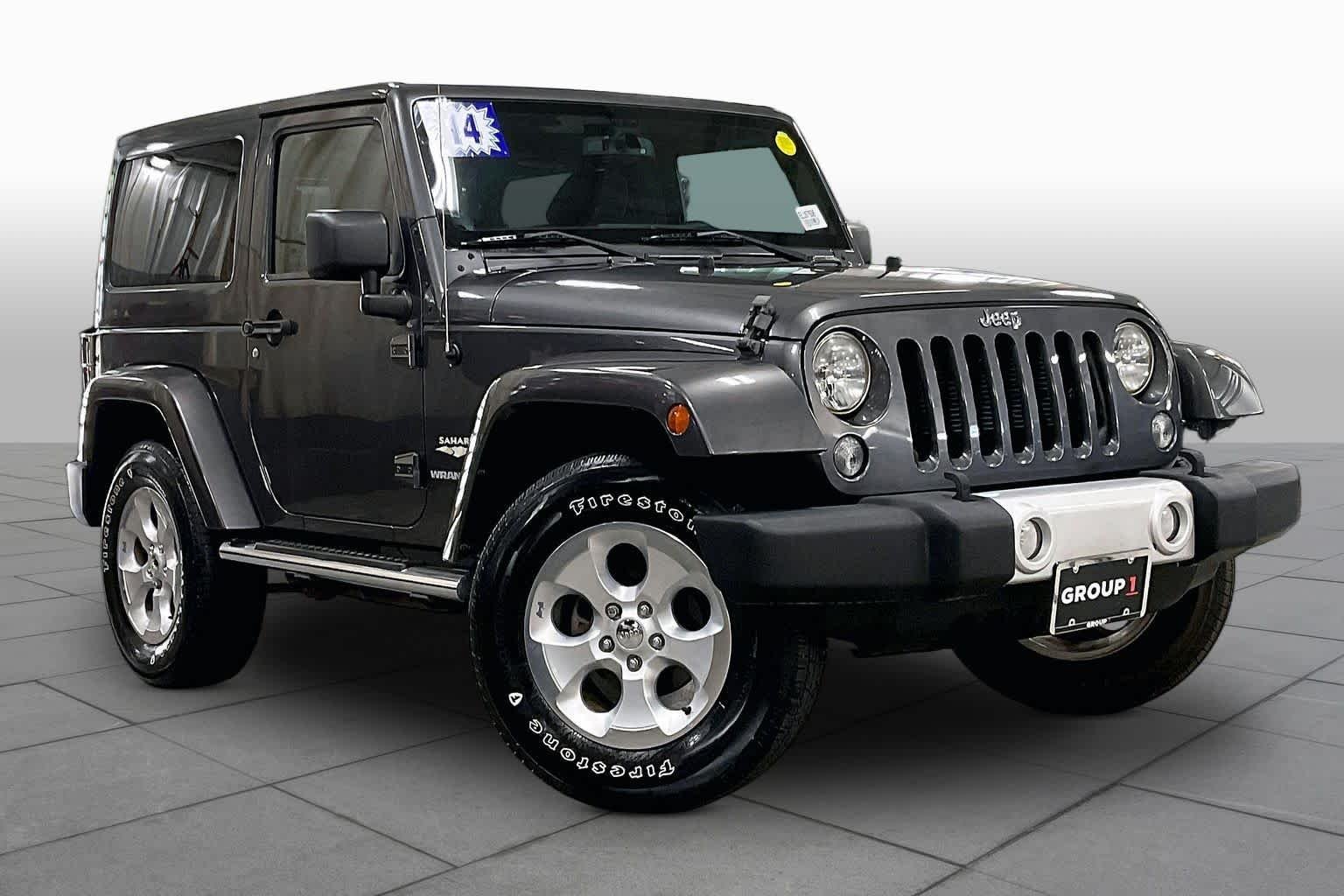
Enhancing Your Sahara With Black Wheel Styles
The aesthetic appeal of black wheels on a Jeep Wrangler Sahara is undeniable. They can transform the vehicle’s appearance, making it look more aggressive, sophisticated, or rugged, depending on the finish and style.
Matte Black: The Understated Powerhouse
Matte black wheels offer a subtle yet powerful look. They don’t reflect much light, giving them a deep, non-glossy finish that can make the wheels appear larger. This finish is excellent at hiding road grime, mud, and brake dust, which is a significant advantage for any off-road vehicle.
- Pros: Excellent for a stealthy look, hides dirt well, practical for off-road use, reduces glare.
- Cons: Can be slightly harder to clean than gloss finishes if heavily caked with mud, may show scuffs more easily than textured finishes.
Gloss Black: The Showstopper
For those who want their Wrangler Sahara to turn heads, gloss black wheels are a superb choice. They have a high-shine finish that reflects light, making the wheels pop and giving the Jeep a more luxurious or sporty appearance.
- Pros: Striking, premium look; reflects light for a dynamic appearance; generally easier to wipe clean of light dirt.
- Cons: Shows every smudge, fingerprint, and scratch; brake dust can be very noticeable; can be too flashy for some off-road aesthetics.
Satin Black: The Balanced Choice
Satin black strikes a perfect balance between matte and gloss. It offers a smooth, sophisticated sheen that isn’t overly reflective. This finish provides a premium look while still being relatively practical for off-road conditions.
- Pros: Elegant appearance, good balance of shine and subtlety, hides dirt better than gloss.
- Cons: May not be as “stealthy” as matte, can still show some imperfections more than textured finishes.
Two-tone And Machined Black Wheels
Many aftermarket wheels combine black finishes with other elements for a unique look.
- Machined Face with Black Pockets: This popular design features a machined aluminum face that reflects light, contrasting with deep black pockets. It adds depth and visual interest.
- Black with Red or Blue Accents: Some wheels incorporate colored accents, often on the bead lock ring or inner barrel, to match the Jeep’s paint or add a custom touch.
- Black Chrome: This is a darker, more subdued version of chrome, offering a metallic sheen with a black tint. It’s less flashy than traditional chrome but still provides a distinct premium look.
Performance And Practical Considerations
Choosing wheels isn’t just about looks; it also affects how your Jeep Wrangler Sahara performs and handles.
Weight
The unsprung weight of your vehicle, the weight of components not supported by the suspension (wheels, tires, brakes), significantly impacts handling, acceleration, braking, and fuel economy.
- Lighter Wheels: Generally lead to better performance. They allow the suspension to react more quickly to bumps, improving ride quality and traction. They also reduce the energy needed to accelerate and decelerate.
- Heavier Wheels: Can negatively affect performance. They put more strain on suspension components and can make the ride feel harsher.
When looking at black wheels, compare the weight of different options. Forged wheels are typically the lightest, followed by cast alloy, and then steel.
Tire Fitment
The wheels you choose will dictate the range of tire sizes you can install. As mentioned earlier, 17-inch wheels are popular for off-roading because they allow for larger tires with thicker sidewalls.
- Example: A 17×8.5 inch wheel with a 4.75-inch backspacing is a common choice for fitting 35×12.5R17 tires on a lifted Jeep Wrangler. This combination provides a good balance of tire contact patch and clearance.
Durability For Off-roading
If you plan to take your Sahara off the beaten path, durability is paramount.
- Rock Crawling: Wheels need to withstand impacts from rocks and debris. Forged wheels are the strongest, but high-quality cast alloy wheels with reinforced lips and bead protection can also perform well. Textured or matte finishes tend to hide scratches and chips better than glossy ones.
- Mud and Sand: Wheels should be easy to clean. Finishes that don’t hold onto mud excessively are preferable. Some wheels feature “bead lock” or “simulated bead lock” designs. True bead locks mechanically clamp the tire bead to the wheel, preventing it from unseating at very low tire pressures, which is essential for extreme off-roading. Simulated bead locks offer the look without the functional benefit but can add protection to the wheel lip.
Here’s a comparison of common wheel types and their suitability for off-roading:
| Wheel Type | Material | Strength | Weight | Cost | Off-Road Suitability |
|---|---|---|---|---|---|
| **Cast Alloy** | Aluminum Alloy | Good | Medium | Medium | Good |
| **Forged Alloy** | Aluminum Alloy | Excellent | Light | High | Excellent |
| **Steel Wheels** | Steel | Very Good | Heavy | Low | Very Good (for toughness) |
Impact On Suspension And Steering
Larger, heavier wheels and tires can put extra stress on your Jeep’s suspension components, including ball joints, tie rods, and steering knuckles. They can also affect steering feel. Choosing wheels that are lighter and appropriately sized for your intended use will help preserve your suspension and maintain good steering response.
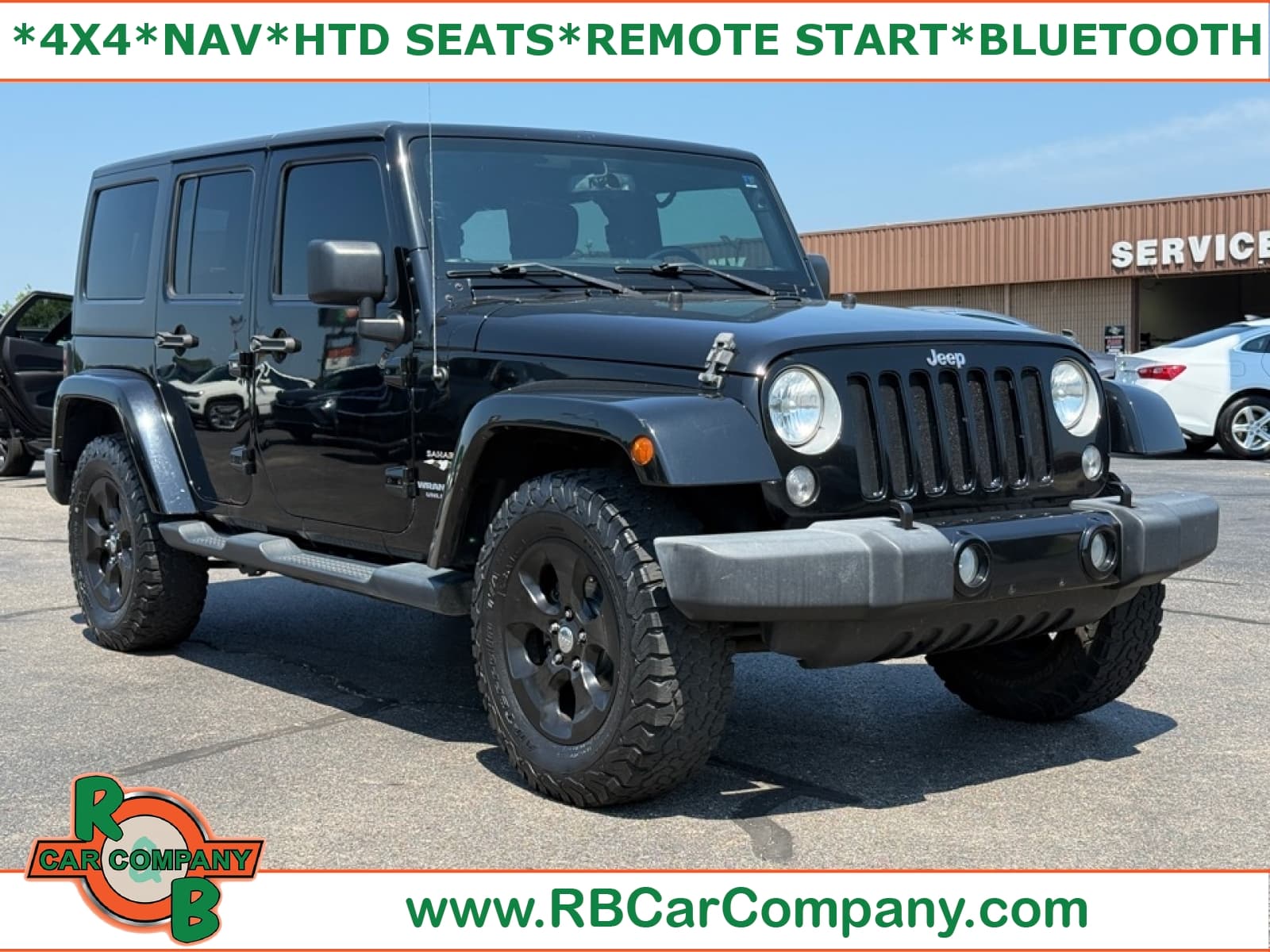
Popular Black Wheel Brands And Styles For Jeep Wrangler Sahara
Many reputable brands offer excellent black wheel options for the Jeep Wrangler Sahara. Here are a few examples of popular styles and what makes them stand out:
Method Race Wheels
Method is a highly respected brand in the off-road community. They offer a range of robust, stylish black wheels.
- Method 305 NV: A classic matte black design with a distinctive “street-loc” outer lip. It’s known for its strength and aggressive looks, making it a favorite for many Jeep owners.
- Method 316 and 317 series: These often feature a machined face with black accents, offering a sophisticated yet rugged appearance. They are built to withstand harsh conditions.
Fuel Off-road
Fuel is another major player, offering a wide array of designs from subtle to extreme.
- Fuel D557 Grip: A popular matte black wheel with a simulated bead lock ring. It offers a strong visual presence and is built for durability.
- Fuel D730 Lethal: This wheel often comes in gloss black or black milled finishes, providing a more refined, sporty look suitable for Wranglers that see a mix of on-road and light off-road use.
Black Rhino Wheels
Black Rhino specializes in rugged wheels designed for trucks and SUVs.
- Black Rhino Armory: Available in matte black, this wheel features a bold design with a simulated bead lock and aggressive styling. It’s engineered for strength and off-road performance.
- Black Rhino Traverse: This offers a more modern, multi-spoke design, often in gloss black or black milled, giving the Sahara a premium, performance-oriented look.
Rugged Ridge
Rugged Ridge offers accessories specifically for Jeep vehicles, often focusing on value and classic Jeep aesthetics.
- Rugged Ridge XHD Wheels: These are often available in Satin Black or Matte Black. They are designed to complement the Jeep’s iconic styling and are built to be durable for trail use.
Considerations When Buying
When selecting a specific model, look for wheels that explicitly state they are compatible with the Jeep Wrangler JK/JL (depending on your model year). Check the bolt pattern (usually 5×5 inches for JK/JL Wranglers) and ensure the offset or backspacing is appropriate for your tire size and lift setup. Always verify the load rating to ensure it meets or exceeds your Jeep’