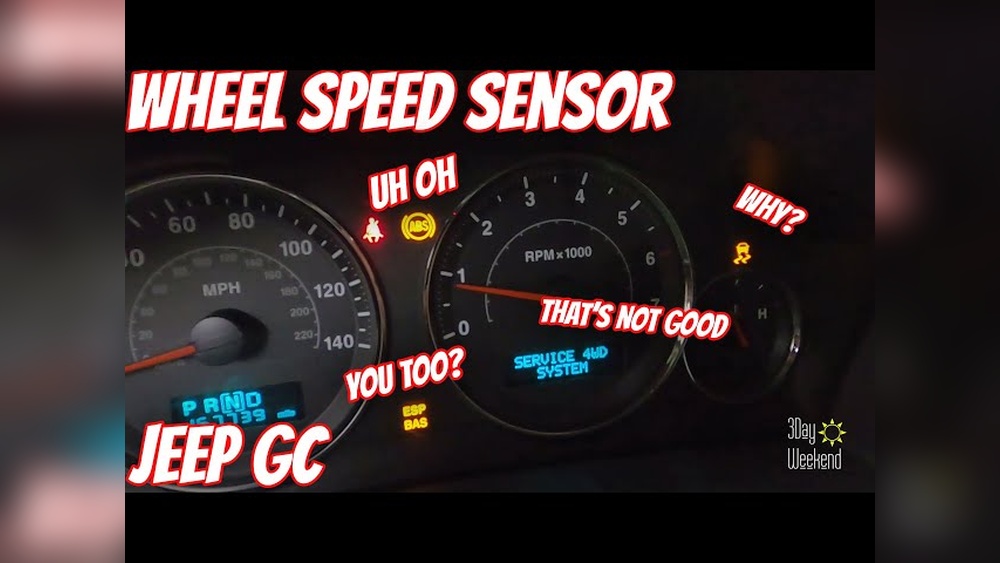
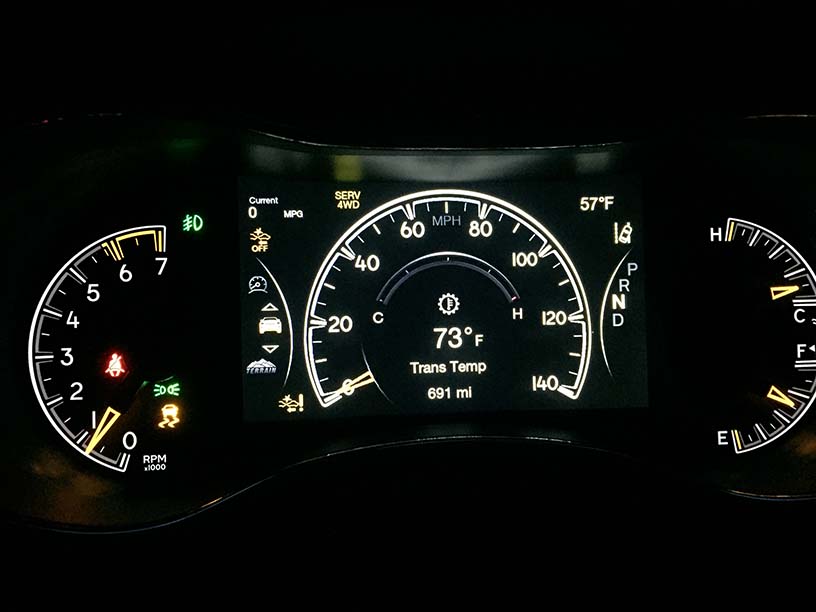
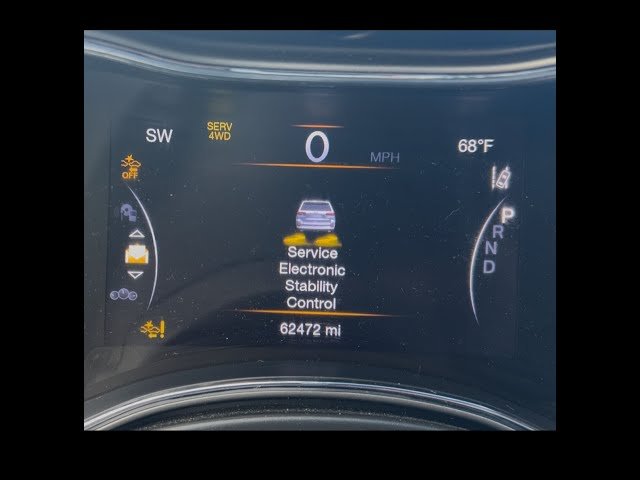
If you’re seeing the “Service 4WD” and traction control lights come on in your Jeep Grand Cherokee, you’re probably wondering what’s wrong and how serious it is.
These warning lights don’t just appear for no reason—they’re telling you that something in your vehicle’s drivetrain or traction system needs attention.
Ignoring them can lead to bigger problems and even affect your safety on the road. You’ll learn the common causes behind these lights, easy steps you can take to troubleshoot, and when it’s time to get professional help.
Keep reading to make sure your Jeep stays reliable and safe, no matter where you’re driving.
Common Causes
The Service 4WD and traction control lights on a Jeep Grand Cherokee often signal underlying issues. These warning lights turn on due to various mechanical or electrical faults. Identifying the common causes helps prevent further damage and keeps your vehicle safe. Understanding these causes can guide you in troubleshooting or deciding when to visit a mechanic.
Faulty Wheel Speed Sensors
Wheel speed sensors monitor each wheel’s rotation speed. Faulty sensors send incorrect signals to the control module.
This causes the traction control and 4WD lights to illuminate. Dirt, damage, or sensor failure can disrupt their function.
Replacing or cleaning these sensors often solves the problem.
Transfer Case Issues
The transfer case shifts power between front and rear wheels. Problems here can trigger warning lights.
Common issues include mechanical wear, fluid leaks, or actuator failure. Faulty transfer case parts cause errors in 4WD operation.
Regular maintenance and fluid checks help avoid these problems.
Abs Module Problems
The ABS module controls the anti-lock braking system and traction control. A malfunctioning ABS module can cause light warnings.
Electrical faults or internal failures disrupt its communication with sensors. Diagnosing ABS module issues requires specialized scanning tools.
Repair or replacement is necessary to restore function.
Uneven Tire Pressure And Sizes
Tire pressure differences affect wheel speed readings. Unequal tire sizes also confuse the traction control system.
This mismatch triggers the 4WD and traction lights. Maintaining equal tire pressure and matching tire sizes prevents false alerts.
Check tires regularly and adjust pressure as needed.
Wiring And Connector Damage
Wiring connects sensors and control modules across the vehicle. Damage to wires or connectors causes signal loss.
Rodent bites, corrosion, or loose plugs are common culprits. Inspecting wiring near the transfer case and differentials is crucial.
Repairing or replacing damaged wiring restores proper system function.
Quick Electronic Fixes
Quick electronic fixes offer fast solutions for the 4WD and traction control light issues on your Jeep Grand Cherokee. These methods can clear minor glitches in the system. They help restore normal function without needing special tools or a mechanic visit. Two simple resets often solve the problem.
Transmission Shift Reset
Shift the transmission to Neutral and hold it there for about 10 seconds. Then shift back to Drive.
Turn off the engine and wait for a minute. Restart the Jeep.
This reset helps clear temporary errors in the drivetrain control system. It can turn off the 4WD and traction control lights if the issue is minor.
Battery Disconnect Method
Disconnect the negative battery cable using a wrench. Keep it disconnected for 15 minutes.
This allows the vehicle’s computer to reset. Reconnect the battery cable and tighten it securely.
Start your Jeep and check if the warning lights are off. This method resets the electronic control modules and can fix sensor glitches causing the lights.
Tire Inspection Tips
Regular tire inspection helps prevent issues with the 4WD and traction control systems. Tires affect wheel speed sensors and traction control accuracy.
Check tires often to avoid warning lights on your Jeep Grand Cherokee. Simple checks can maintain proper system function and improve safety on the road.
Checking Tire Pressure
Use a reliable tire pressure gauge to check each tire’s pressure. Inflate tires to the recommended PSI found in the owner’s manual or door jamb sticker.
Uneven or incorrect pressure causes wheel speed differences. These differences can trigger the 4WD and traction control warning lights.
Check pressure when tires are cold for best accuracy. Adjust pressure regularly, especially before long trips or off-road driving.
Matching Tire Sizes
All four tires should have the same size and tread pattern. Mismatched tire sizes cause uneven wheel rotation speeds.
The traction control system detects these differences and may activate warning lights. Replace tires in sets if possible to maintain balance.
Avoid mixing new and old tires with different wear levels. Proper matching reduces strain on drivetrain components and improves handling.
Using Diagnostic Tools
Using diagnostic tools is essential for understanding why the 4WD and traction control lights are on in your Jeep Grand Cherokee. These tools help identify specific issues within the drivetrain and traction systems.
They provide clear fault codes that guide the repair process.
Diagnostic tools save time and money by pinpointing the exact problem. They also reduce guesswork and prevent unnecessary repairs.
Knowing how to use these tools can help you maintain your vehicle’s performance and safety.
Reading Fault Codes With Obd-ii
The OBD-II scanner is the most common diagnostic tool for vehicles. It plugs into the Jeep’s OBD port, usually found under the dashboard. The scanner reads fault codes stored in the vehicle’s computer.
These codes show errors in the drivetrain, ABS, or traction control systems. Each code corresponds to a specific issue, helping you identify the root cause.
You can clear codes after repairs to see if the problem returns.
Recommended Apps And Scanners
Several apps and scanners work well with Jeep Grand Cherokees. JScan is popular for reading Chrysler-specific codes.
It works with Bluetooth OBD-II adapters and offers detailed diagnostics.
Other reliable scanners include BlueDriver and Autel. These tools provide user-friendly interfaces and clear code explanations.
Many apps also show live data, helping you monitor system performance in real time.
Wiring And Component Checks
The wiring and component checks focus on finding electrical issues causing the 4WD and traction control lights to activate. These checks help identify faults in key parts of the drivetrain system.
Faulty wiring or damaged components often trigger warning lights on the Jeep Grand Cherokee dashboard.
Careful inspection of wiring and connectors ensures proper signal flow to the vehicle’s control modules. Detecting corrosion, water damage, or broken connections early can prevent costly repairs.
The following sections explain important steps to inspect and test these critical components.
Inspecting Transfer Case Actuator
The transfer case actuator controls shifting between two-wheel and four-wheel drive modes. Check the actuator for signs of wear or damage.
Examine the wiring harness connected to the actuator for broken or loose wires. Test the actuator motor for proper operation by listening for movement or using a diagnostic tool.
A faulty actuator or wiring can cause the 4WD light to stay on.
Checking Rear Differential Wiring
Inspect the wiring harness near the rear differential carefully. Look for any signs of frayed or pinched wires.
Ensure all connectors are firmly seated and free of dirt or debris. Damaged rear differential wiring may interrupt signals to the traction control system.
Use a multimeter to test for continuity if you suspect electrical faults.
Corrosion And Water Damage Signs
Corrosion and water damage often cause wiring problems in off-road vehicles like the Jeep Grand Cherokee. Check connectors and wiring joints for green or white corrosion.
Look for moisture inside connector housings. Mud and water splashes from rough terrain increase the risk of damage.
Clean and dry any affected areas before reassembling to restore proper electrical contact.

When To Visit A Mechanic
Knowing the right time to visit a mechanic is crucial when the 4WD and traction control lights turn on in your Jeep Grand Cherokee. These warning signs indicate that the vehicle’s drivetrain or traction system needs professional attention.
Ignoring these signals can lead to more serious damage and costly repairs.
Pay close attention to how the warning lights behave and any changes in your vehicle’s performance. Certain symptoms require immediate inspection by a qualified mechanic to ensure safety and proper function.
Persistent Warning Lights
If the 4WD or traction control lights stay on continuously, the issue is likely more than a minor glitch. Persistent warning lights suggest a fault in the drivetrain or ABS system.
A mechanic can run a diagnostic scan to identify error codes and locate the exact problem. Do not delay, as ongoing faults may harm other components.
Flashing Four-wheel Drive Light
A flashing 4WD light usually means the system is trying to engage but cannot complete the process. This can happen due to sensor failure, a bad actuator, or electrical issues.
A mechanic can inspect the transfer case and related parts to restore proper function. Driving with a flashing light can cause further damage.
Unusual Noises Or Shifting Issues
Listen for strange sounds like grinding, clunking, or whining while driving. Problems with shifting between two-wheel and four-wheel drive also signal trouble.
These symptoms often point to mechanical wear or damaged components. A professional mechanic can check the drivetrain and transmission to fix these issues safely.
Preventive Measures
Taking preventive measures helps keep the 4WD and traction control systems in good shape. It lowers the chances of the warning light turning on.
Careful driving and regular checks protect key components. These steps extend the life of your Jeep Grand Cherokee’s drivetrain and traction control system.
Simple habits make a big difference in avoiding costly repairs and breakdowns on the road.
Avoiding Deep Water And Mud
Deep water and thick mud can damage sensors and wiring. Water may cause short circuits or corrosion in the drivetrain control module.
Mud can clog parts and affect sensor readings. Avoid driving through flooded roads or deep mud pits.
Slow down if you must cross shallow water or mud. This reduces stress on your vehicle’s electronics and mechanical parts.
Staying clear of harsh off-road conditions keeps the 4WD and traction systems working properly.
Regular Maintenance Tips
Check tire pressure regularly to keep wheel speed sensors accurate. Uneven tire pressure causes false signals to the traction control system.
Inspect tires for uneven wear and replace them on time. Clean the undercarriage and drivetrain area to remove dirt and debris.
Check wiring and connectors near the transfer case and rear differential often. Look for signs of wear, corrosion, or loose connections.
Schedule routine service for the 4WD system and traction control components. Proper maintenance prevents system failures and warning lights.
Frequently Asked Questions
Why Does My Jeep Grand Cherokee Say Service 4wd?
The “Service 4WD” message on your Jeep Grand Cherokee signals a drivetrain or ABS module fault. Check tire pressures, inspect wiring near the transfer case, and scan for error codes to identify the issue.
Can I Drive My Jeep With The Service 4wd Light On?
You can drive your Jeep with the service 4WD light on, but avoid rough terrain. Get it checked promptly.
How Much Does It Cost To Fix A Service 4wd Light?
Fixing a service 4WD light typically costs between $100 and $400. Costs vary by issue severity and labor rates.
How To Fix Service 4wd System?
Fix the service 4WD system by checking tire pressure and sizes for mismatches. Scan for fault codes with an OBD-II tool.
Inspect wiring near the transfer case and rear differential for damage or corrosion. Reset the system by shifting to Neutral, then Drive, and restarting the vehicle.
Conclusion
The Service 4WD and traction control lights warn you about drivetrain issues. Check tire pressures and sizes first to avoid false alerts.
Use an OBD-II scanner to read fault codes for precise diagnosis. Inspect wiring near the transfer case and rear differential for damage.
Simple resets, like shifting gears, can sometimes clear the warning. Early attention helps prevent costly repairs and keeps your Jeep safe.
Stay aware of these signs to maintain your Grand Cherokee’s performance.