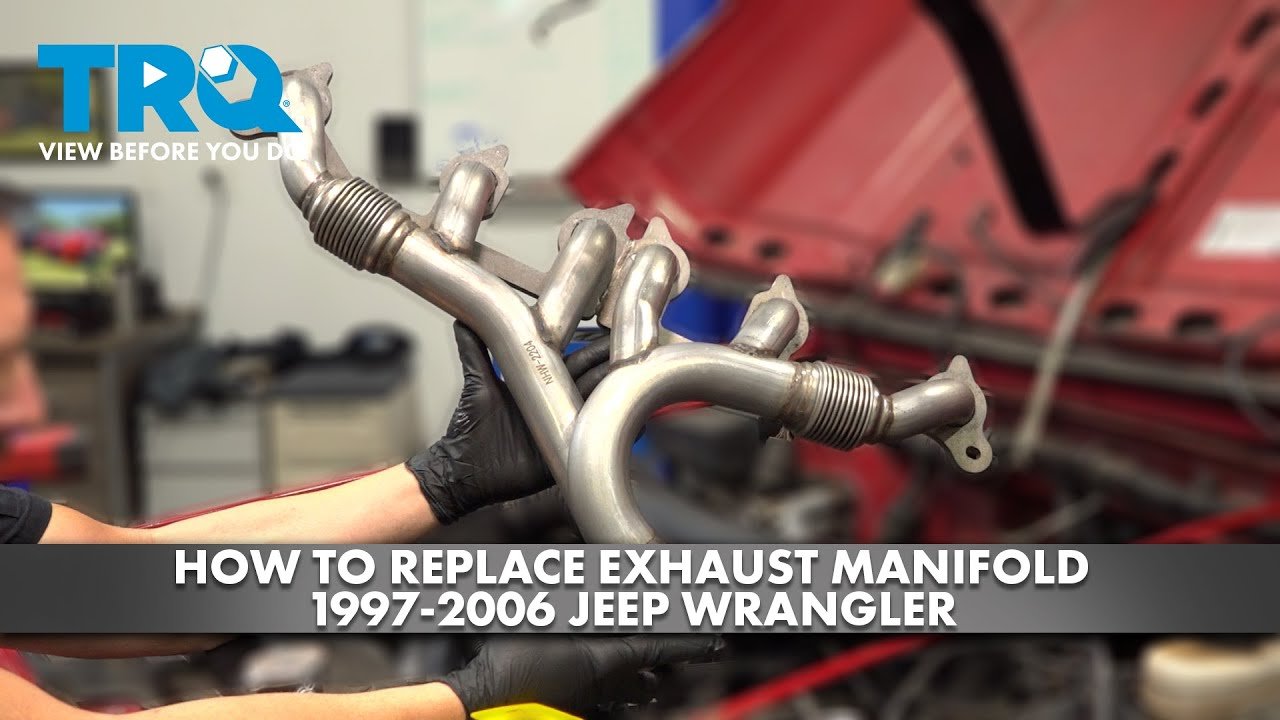
Replacing the exhaust system on a Jeep Wrangler is more than just a repair—it’s a chance to improve performance, sound, and even fuel efficiency. Many Jeep owners consider this upgrade to handle off-road adventures, reduce rust problems, or simply enjoy a deeper engine note. But how do you know when it’s time to replace your exhaust, and what should you consider before starting? Let’s break down the essentials so you can tackle this project with confidence.
Signs You Need To Replace Your Exhaust
Recognizing when your exhaust system needs replacement can save you from bigger issues later. Here are clear signals to look for:
- Loud noises: If your Wrangler suddenly sounds much louder, there may be a hole or crack in the exhaust.
- Visible rust or holes: Rust is common, especially in older Jeeps or those used in wet conditions.
- Reduced fuel efficiency: A failing exhaust can make your engine work harder.
- Strong exhaust smells: Smelling fumes inside your Jeep is a serious safety concern.
- Poor performance: Hesitation or loss of power may mean the exhaust is blocked.
Ignoring these signs can lead to failed emissions tests or engine damage. Acting early keeps your Wrangler running strong.
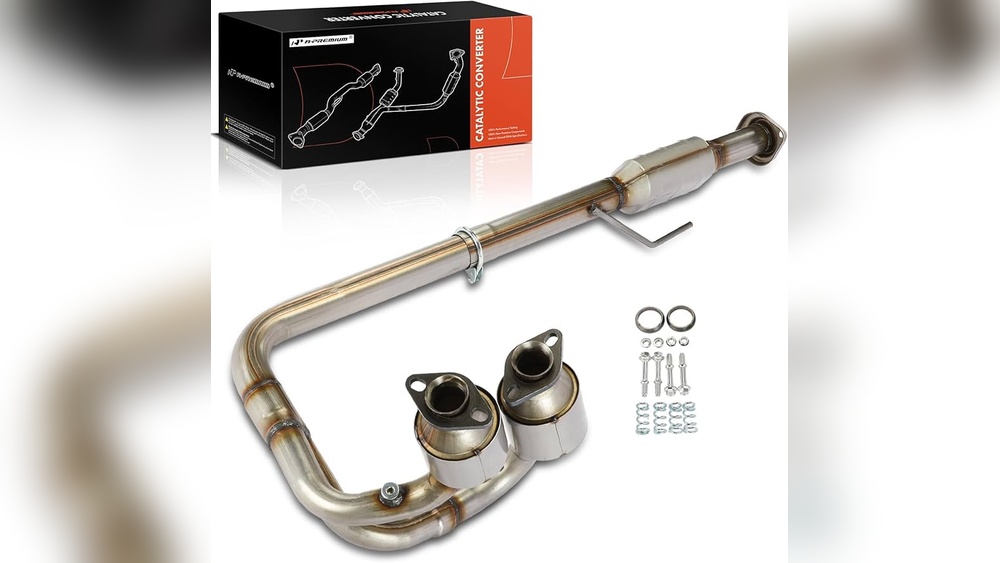
Choosing The Right Exhaust System
Selecting an exhaust isn’t just about replacing the old with the new. There are different types, materials, and benefits to consider.
| Type | Sound Level | Performance Gain | Price Range |
|---|---|---|---|
| Stock Replacement | Quiet | Minimal | $250-$500 |
| Cat-Back System | Louder | Moderate | $400-$900 |
| Axle-Back System | Sporty | Some | $300-$700 |
| Header Upgrade | Varies | High | $500-$1,200 |
For most Jeep owners, a cat-back system is popular because it boosts sound and power without changing emissions controls. If you want a more subtle change, an axle-back system updates only the muffler and tailpipe.
Material Matters
The exhaust’s material affects both price and lifespan.
| Material | Corrosion Resistance | Typical Lifespan | Cost |
|---|---|---|---|
| Aluminized Steel | Low | 3-5 years | Lower |
| Stainless Steel | High | 8-12 years | Higher |
Stainless steel resists rust and lasts longer, which is ideal for Jeeps exposed to mud, water, or snow.
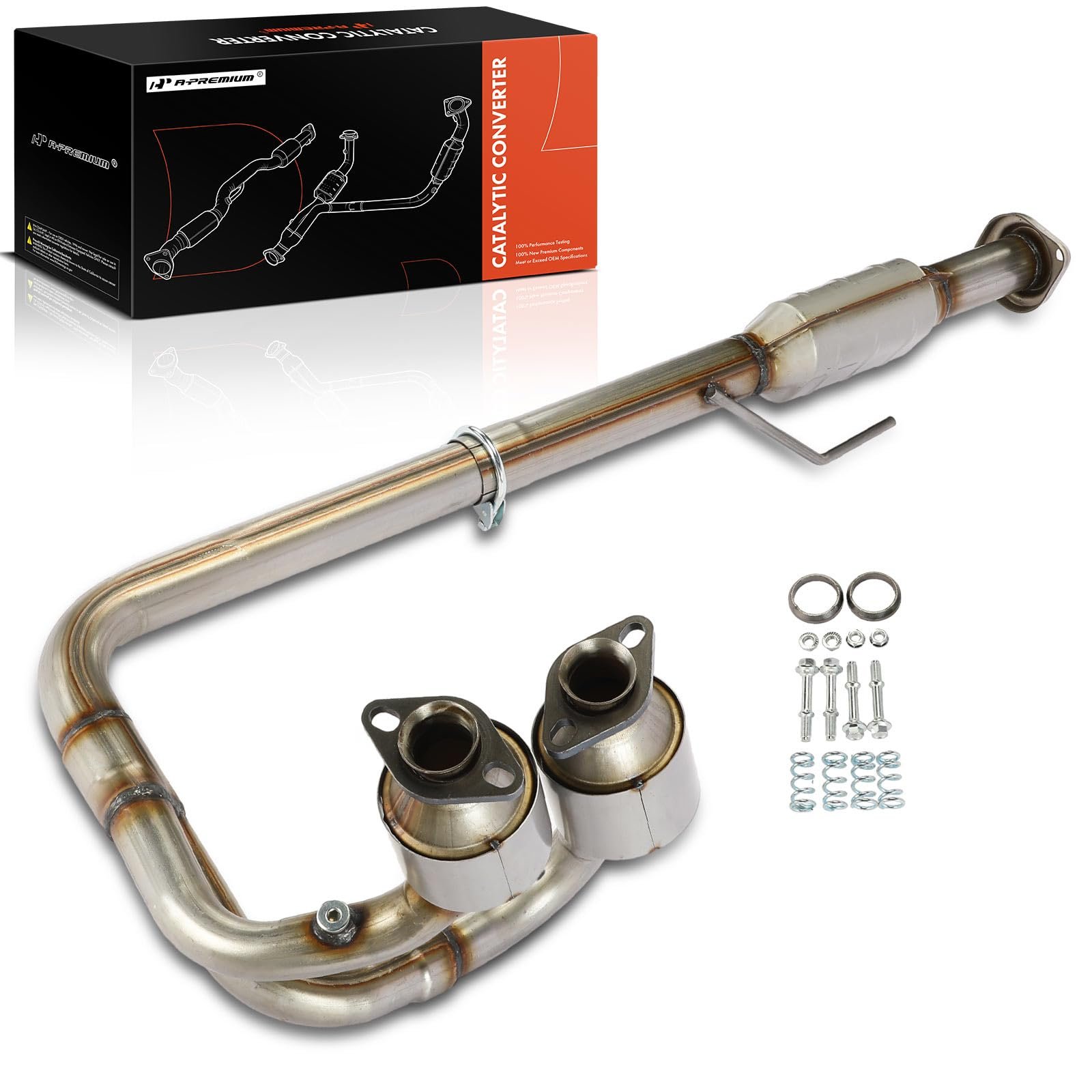
Step-by-step Replacement Guide
You don’t need to be a professional mechanic to replace your Wrangler’s exhaust, but planning and safety are key.
Tools And Equipment Needed
- Socket wrench set
- Penetrating oil (like WD-40)
- Jack stands or vehicle ramps
- Safety glasses and gloves
- Replacement exhaust system
- Exhaust clamps or new hardware
Process Overview
- Let the vehicle cool: Exhaust parts get extremely hot. Always start with a cool Jeep.
- Raise the Jeep safely: Use ramps or jack stands for stability. Never trust a jack alone.
- Apply penetrating oil: Spray all bolts and hangers. Let it sit for 10–15 minutes.
- Remove old system: Start at the tailpipe and move toward the front. Support sections as you remove them.
- Compare old and new: Make sure the new exhaust matches the old for length, bend, and attachment points.
- Install new exhaust: Follow the manufacturer’s instructions. Attach loosely at first, then tighten all bolts evenly once everything is in place.
- Check clearances: Look for pipes touching the frame or suspension.
- Lower the Jeep and test: Start the engine and check for leaks or rattles.
Practical Tips
- If bolts won’t budge, heat them gently with a torch (only if you know how to do this safely).
- Take pictures before removal to remember the order and position of hangers.
- Replace old rubber hangers for a quieter ride.
What To Expect After Replacement
After installing a new exhaust, you’ll likely notice:
- Deeper exhaust note: Most aftermarket systems offer a richer, more aggressive sound.
- Smoother power delivery: The engine may feel livelier, especially during acceleration.
- Possible fuel economy changes: With more airflow, some drivers see a small improvement, though results vary.
Don’t forget to check for leaks after a few days of driving. Listen for strange noises and re-tighten bolts if necessary.
Common Mistakes To Avoid
Many beginners make simple errors that can lead to frustration or extra costs.
- Skipping the test fit: Always compare new and old parts before installing.
- Forgetting new gaskets or clamps: Reusing old parts can cause leaks.
- Over-tightening bolts: This can strip threads or snap bolts.
- Ignoring heat shields: These protect nearby parts—don’t throw them away.
A non-obvious tip: Many new exhausts settle or “break in” after a few hundred miles, so slight changes in sound are normal.
Cost Breakdown
The cost to replace a Jeep Wrangler exhaust varies. DIY is usually cheaper, but some choose a shop for peace of mind.
| Expense | DIY Cost | Shop Cost |
|---|---|---|
| Parts (Cat-Back) | $400-$900 | $400-$900 |
| Labor | Free (your time) | $150-$350 |
| Total | $400-$900 | $550-$1,250 |
A small investment in tools pays off for future Jeep projects. Still, if you lack space or confidence, a professional install is worth considering.

Wrapping Up
Replacing your Jeep Wrangler’s exhaust system is a rewarding project that brings instant results. Whether you want a better sound, more power, or just need to fix rust, understanding your options helps you make the right choice. Take your time, use the right tools, and don’t be afraid to ask for help if you get stuck.
For more details on exhaust systems and emissions standards, visit the official EPA Green Vehicles page.
Frequently Asked Questions
How Long Does It Take To Replace A Jeep Wrangler Exhaust?
Most DIYers need about 2 4 hours. If bolts are rusty or stuck, it can take longer.
Do I Need To Tune My Wrangler After An Exhaust Upgrade?
For most cat-back or axle-back systems, no tuning is needed. Only major changes, like new headers, may require a tune.
Will A New Exhaust Make My Jeep Louder?
Yes, most aftermarket systems increase volume and provide a deeper tone. Some brands offer quieter options.
Can I Pass Emissions Tests With An Aftermarket Exhaust?
If you keep the catalytic converter and choose a system designed for your model year, you should pass. Always check your local laws.
Is Stainless Steel Worth The Extra Money?
If you drive in wet, snowy, or salty conditions, stainless steel lasts longer and resists rust much better than aluminized steel.