If you’re seeing the P0430 code pop up on your Jeep’s dashboard, you’re probably wondering what it means and how to fix it. This code signals a problem with your catalytic converter, a key part of your Jeep’s exhaust system that helps reduce harmful emissions.
Ignoring it can lead to poor engine performance, higher emissions, and even costly repairs. You’ll discover the common causes behind the P0430 code, simple steps to diagnose the issue, and effective solutions to get your Jeep running smoothly again.
Keep reading to take control of your Jeep’s health and avoid surprises on the road.

Common Causes Of P0430
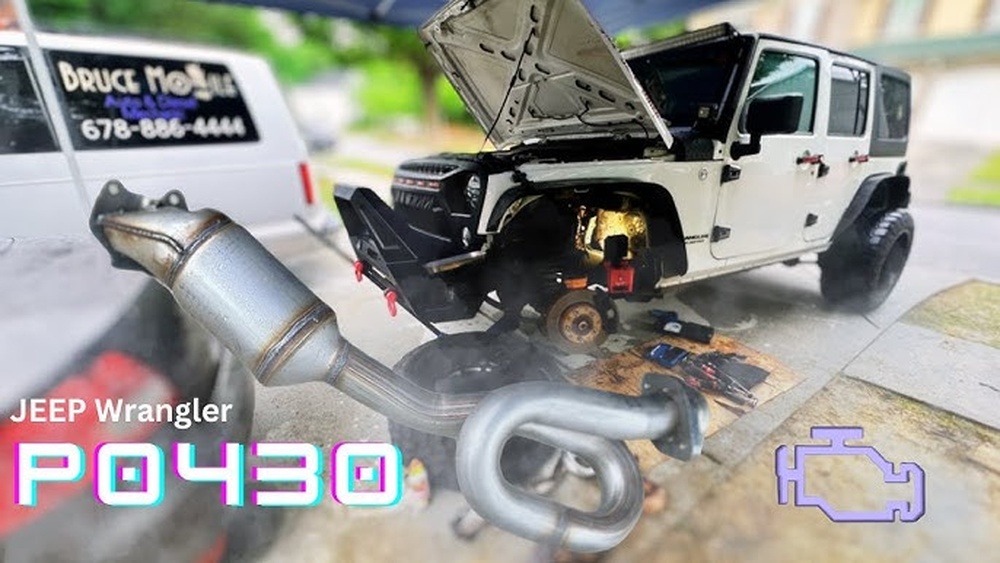
The P0430 code on a Jeep signals a problem with the catalytic converter’s efficiency. This error points to the converter not cleaning exhaust gases well.
Several common issues can trigger this code. Understanding these causes helps with quick diagnosis and repair.
Catalytic Converter Issues
The most frequent cause of P0430 is a failing catalytic converter. Over time, the internal material breaks down or clogs.
This damage stops the converter from reducing harmful gases. A worn converter causes poor emissions and triggers the code.
Exhaust Leaks
Leaks in the exhaust system can also cause the P0430 code. Cracks or loose bolts allow air into the system.
This extra air confuses oxygen sensors. The sensors send wrong data, leading to a false efficiency error.
Engine Performance Problems
Engine issues like misfires or rich fuel mixtures affect the converter. Excess fuel or oil can damage the catalytic material.
Poor engine performance often results in higher emissions. This stress on the converter can cause the P0430 code to appear.
Diagnosing The P0430 Code
The P0430 code signals that the catalytic converter on your Jeep is not working efficiently. Diagnosing this issue requires careful checks to find the exact cause.
This helps avoid unnecessary repairs and saves money.
Start by gathering live data from the vehicle’s sensors. Then check the exhaust system for leaks.
Finally, inspect the oxygen sensors themselves. Each step gives clues to the root problem.
Reading Live Data With Obd Scanner
Use an OBD scanner to read live data from your Jeep’s engine control unit. Focus on oxygen sensor readings before and after the catalytic converter.
These sensors measure the amount of oxygen in exhaust gases.
Watch for large differences between sensor readings. A failing converter shows little change in oxygen levels.
This means the converter is not cleaning exhaust gases properly. Note any sensor voltage spikes or drops.
These can indicate sensor faults or exhaust issues.
Checking For Exhaust Leaks
Inspect the exhaust system closely for leaks. Leaks can allow extra air to enter, confusing the sensors.
Look for cracks, holes, or loose bolts in the manifold and pipes. Pay attention to gaskets and connections.
Leaks often cause the P0430 code because sensors detect wrong oxygen levels. Fix any leaks before replacing parts.
Use soapy water to spot escaping gases by bubbling. Listen for hissing sounds during engine idle.
Inspecting Oxygen Sensors
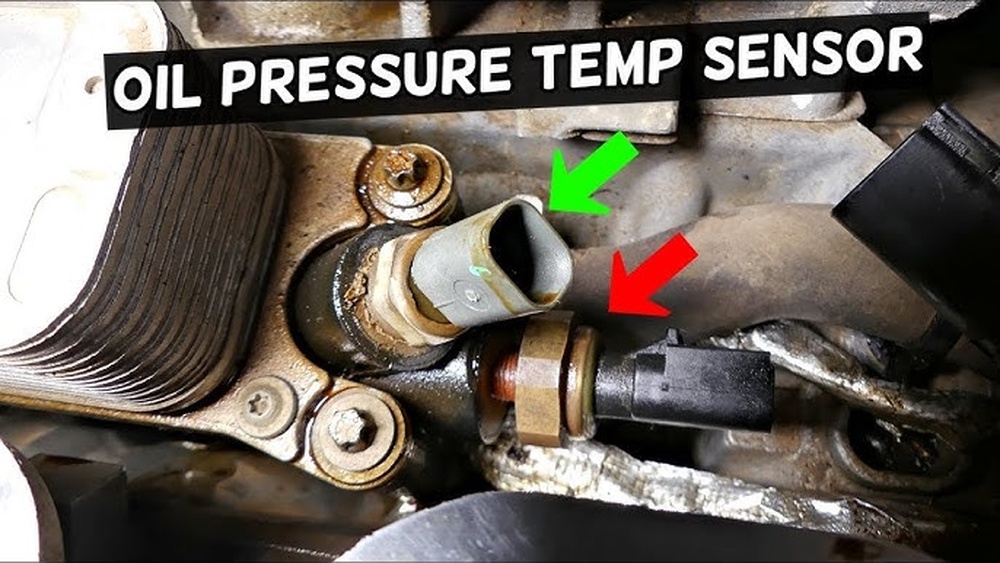
Oxygen sensors play a key role in monitoring exhaust emissions. Check each sensor’s wiring and connectors for damage or corrosion.
A bad sensor can give false readings and trigger the code.
Test sensor response time with the OBD scanner. Slow or no response means sensor failure.
Replace faulty sensors to restore proper catalytic converter monitoring. Clean sensors carefully if covered in deposits.
Quick Fixes To Try
The PO430 code on a Jeep signals a problem with the catalytic converter’s efficiency. This error often triggers the check engine light.
Before rushing to replace parts, try some quick fixes. These simple steps might clear the code and save you money.
Using Cleaning Additives
Cleaning additives can help remove carbon buildup inside the catalytic converter. Products like Cataclean or Sea Foam work by running through the fuel system.
Add the cleaner to your gas tank and drive for a few miles. This process may improve converter performance and clear the PO430 code.
Resetting The Engine Code
After trying repairs or additives, reset the engine code using an OBD-II scanner. This tool reads and clears error codes in your Jeep’s computer. Disconnecting the battery for a few minutes can also reset the system. Resetting helps confirm if the problem is fixed or still present.
Tightening Exhaust Components
Loose bolts or damaged gaskets in the exhaust system can cause leaks. These leaks let extra air enter, confusing sensors and triggering the PO430 code.
Inspect the exhaust manifold and pipes for loose parts. Tighten bolts and replace gaskets to stop leaks and improve sensor readings.
When To Replace Parts
Knowing the right time to replace parts on your Jeep with the P0430 code is important. Delaying repairs can cause more damage and higher costs.
This code often points to issues in the emissions system. Key parts need careful checks and timely replacement to keep your Jeep running well.
Replacing The Catalytic Converter
The catalytic converter reduces harmful gases from your Jeep’s exhaust. A failing converter causes the P0430 code.
Signs include poor engine performance and a rotten egg smell. Replace it if cleaning does not fix the problem.
A bad converter affects fuel efficiency and emissions.
Changing Faulty Oxygen Sensors
Oxygen sensors monitor exhaust gases before and after the catalytic converter. Faulty sensors can trigger the P0430 code.
They give wrong data to the engine control unit. Replace sensors showing slow response or incorrect readings.
New sensors help the engine run smoothly and lower emissions.
Fixing Exhaust System Damage
Leaks or cracks in the exhaust system can cause the P0430 code. Damage lets extra air enter the system, confusing sensors.
Inspect for holes, loose bolts, or broken gaskets. Fixing these stops false readings and restores proper exhaust flow.
Repair damaged parts to avoid further sensor or converter issues.
Preventing Future P0430 Errors
Preventing the P0430 error in your Jeep helps maintain smooth engine performance. This error signals issues with the catalytic converter’s efficiency.
Taking simple steps can reduce the chance of this code appearing again. Regular care keeps your Jeep running cleaner and longer.
Focus on maintenance, fuel quality, and exhaust health for best results.
Regular Maintenance Tips
Change your engine oil on time. Dirty oil harms engine parts and sensors.
Replace air filters regularly to keep airflow steady. Check spark plugs and wires often.
Faulty plugs cause misfires that damage the catalytic converter. Use a quality fuel system cleaner once in a while. It removes deposits that harm engine parts.
Fuel Quality And Engine Care
Use fuel from trusted stations only. Low-quality fuel can clog the converter faster.
Avoid letting your gas tank run too low. Running low may cause debris to enter the fuel system.
Drive smoothly and avoid sudden acceleration. Hard driving stresses the engine and exhaust system.
Keep your engine tuned to factory specs for best results.
Monitoring Exhaust System Health
Check for leaks or cracks in the exhaust system. Even small leaks affect sensor readings and converter efficiency.
Listen for unusual noises from the exhaust. Inspect the catalytic converter for damage or discoloration.
Replace worn-out gaskets and bolts to stop leaks. Regularly scan the system for trouble codes using an OBD-II tool.
Tools And Resources
Fixing a P0430 code on a Jeep requires the right tools and resources. Having proper equipment helps diagnose and solve the problem faster.
Using trusted products can improve your vehicle’s performance. Online communities offer advice and share real experiences.
These elements work together to guide you through repairs and maintenance.
Recommended Diagnostic Tools
OBD-II scanners are essential for reading trouble codes like P0430. Look for scanners that display live data and sensor readings.
Some models connect to smartphones for easier use. A digital multimeter helps check oxygen sensors and wiring.
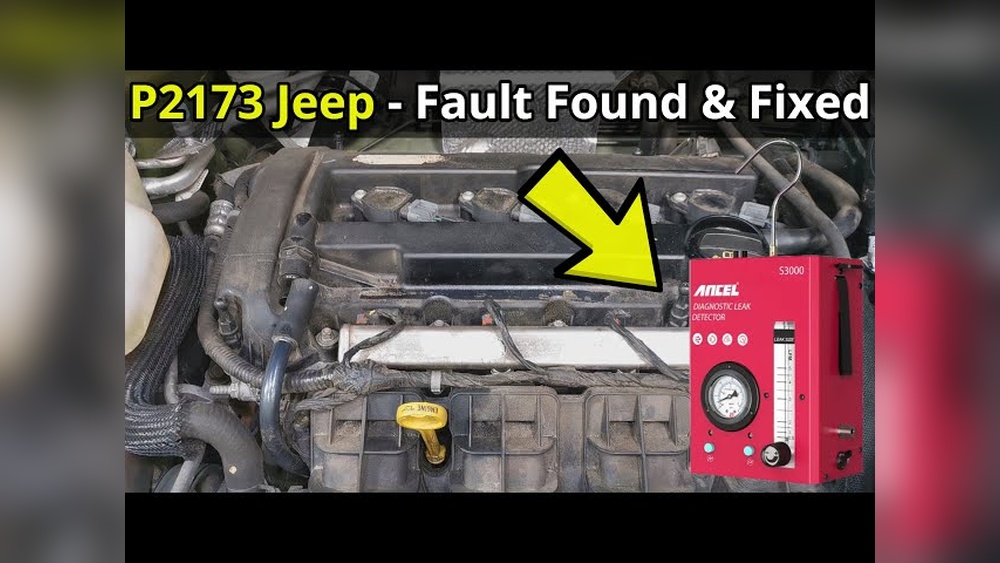
Smoke machines detect exhaust leaks that affect sensor readings. These tools provide accurate information and save time.
Useful Additives And Products
Fuel system cleaners can remove carbon buildup affecting the catalytic converter. Products like Cataclean or Sea Foam are popular choices.
They work by cleaning fuel injectors and combustion chambers. Oxygen sensor-safe additives help maintain sensor accuracy.
High-quality replacement parts ensure long-lasting repairs. Using the right products supports engine health and emissions control.
Helpful Online Forums And Videos
Jeep-specific forums offer valuable advice from experienced owners. Sites like Jeep Wrangler Forum and Jeep Enthusiast Forums cover P0430 issues. Reddit’s r/JeepWrangler community shares troubleshooting tips and repair stories. YouTube channels provide step-by-step video guides for diagnostics and fixes. These platforms help you learn and avoid common mistakes.

Conclusion
The P0430 code signals a problem with your Jeep's catalytic converter. Fixing it early helps avoid bigger engine troubles.
Simple checks like inspecting for leaks or cleaning additives may solve the issue. Always test your Jeep's sensors to be sure of the cause.
Staying on top of maintenance keeps your Jeep running smoothly. Don't ignore the warning signs your vehicle gives.
Taking quick action saves time and money in the long run.