If you’re seeing the PO137 code pop up on your Jeep’s dashboard, it’s easy to feel frustrated and unsure about what to do next. This code points to an issue with your oxygen sensor, a small but important part that helps your engine run efficiently and cleanly.
Ignoring it can lead to poor fuel economy, increased emissions, and even damage to your vehicle over time. But don’t worry understanding what causes this code and how to fix it can save you time, money, and stress.
Keep reading, and you’ll learn exactly what the PO137 code means for your Jeep and the simple steps you can take to get back on the road with confidence.
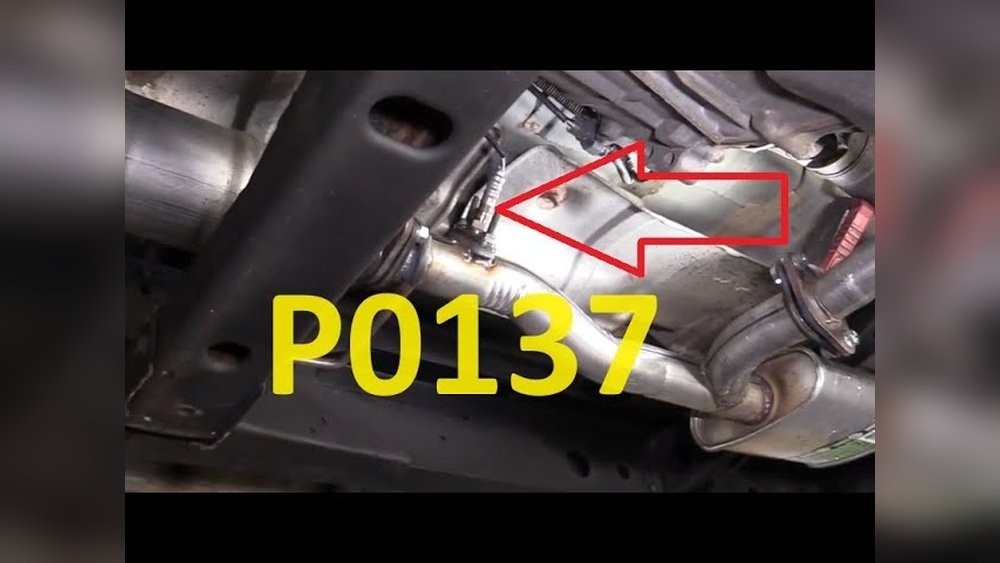
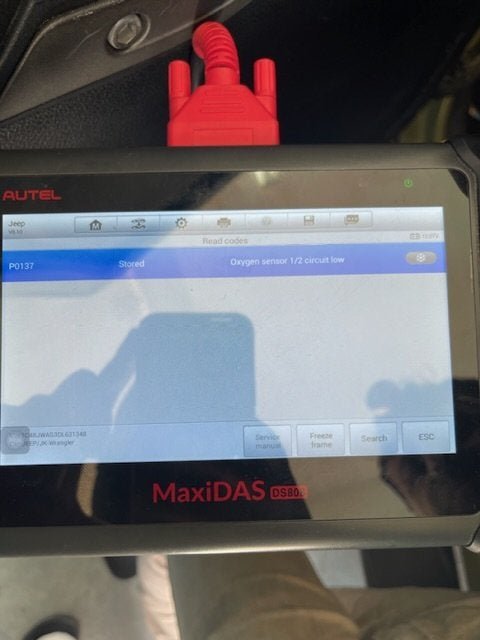
Po137 Code Basics
Preventing future issues with the Po137 code in your Jeep is essential. This code signals problems with the oxygen sensor on the passenger side.
Addressing this early avoids costly repairs and poor vehicle performance.
Simple steps help keep your Jeep running smoothly. Regular checks and care extend the life of sensors and exhaust parts.
This saves you time and money in the long run.
Regular Maintenance Practices
Perform routine inspections on your Jeep’s exhaust system. Change engine oil and filters on schedule to reduce sensor contamination.
Keep the engine tuned to prevent lean or rich fuel mixtures. Clean sensors carefully if dirt or debris build up.
Replace worn or damaged parts promptly to avoid worsening issues.
Monitoring Sensor Performance
Use a diagnostic tool to check oxygen sensor readings regularly. Watch for erratic voltage changes or slow response times.
Sensors that do not operate correctly can cause false codes. Keep an eye on fuel economy and engine performance for signs of sensor trouble.
Early detection prevents engine damage and saves repair costs.
Avoiding Exhaust Damage
Inspect the exhaust manifold and pipes for cracks or leaks. Avoid driving over rough terrain that may damage exhaust components.
Fix small holes using exhaust paste or replace faulty gaskets. Exhaust leaks let outside air enter, confusing the sensor.
Protect the exhaust system to maintain correct sensor function.

Common Causes
Knowing when to seek professional help for the Po137 code on your Jeep is important. Some problems require expert diagnosis and repair.
Acting too late can cause more damage and higher repair costs. Understanding the signs that point to professional intervention can save time and money.
Complex Electrical Problems
Electrical issues in modern Jeeps can be complicated. Faulty wiring or sensor problems might need advanced tools.
Professionals have the right equipment to test and fix these issues. Trying to fix electrical faults without experience can lead to more errors.
Persistent Error Codes
The Po137 code may appear repeatedly after DIY fixes. This signals deeper problems beyond simple sensor replacement.
Persistent error codes often require a detailed scan by a technician. Ignoring them can cause poor engine performance and higher emissions.
Certified Jeep Service Options
Certified Jeep service centers specialize in your vehicle’s needs. They use manufacturer-approved parts and follow repair standards.
Skilled technicians can quickly diagnose and fix the Po137 code. Choosing certified service ensures reliability and maintains your Jeep’s warranty.

Conclusion
The PO137 code signals an issue with your Jeep’s oxygen sensor. Fixing it keeps your engine running smoothly and saves fuel.
Checking for exhaust leaks and sensor wiring helps find the problem fast. Taking simple steps can avoid costly repairs later.
Knowing how to handle this code keeps your Jeep safe and reliable on the road. Stay attentive to warning signs and maintain your vehicle regularly.
This way, your Jeep lasts longer and drives better every day.