If you’ve seen the P2308 code pop up on your Jeep’s dashboard, you’re probably wondering what it means and how it affects your ride. This code points to a problem with your ignition coil C’s secondary circuit, which can cause rough idling, engine misfires, or even loss of power.
Ignoring it could lead to bigger issues down the road, but don’t worry you’re in the right place to understand exactly what’s going on.
Keep reading to learn how to spot the symptoms, what usually causes this code, and the best steps to fix it so your Jeep runs smoothly again.
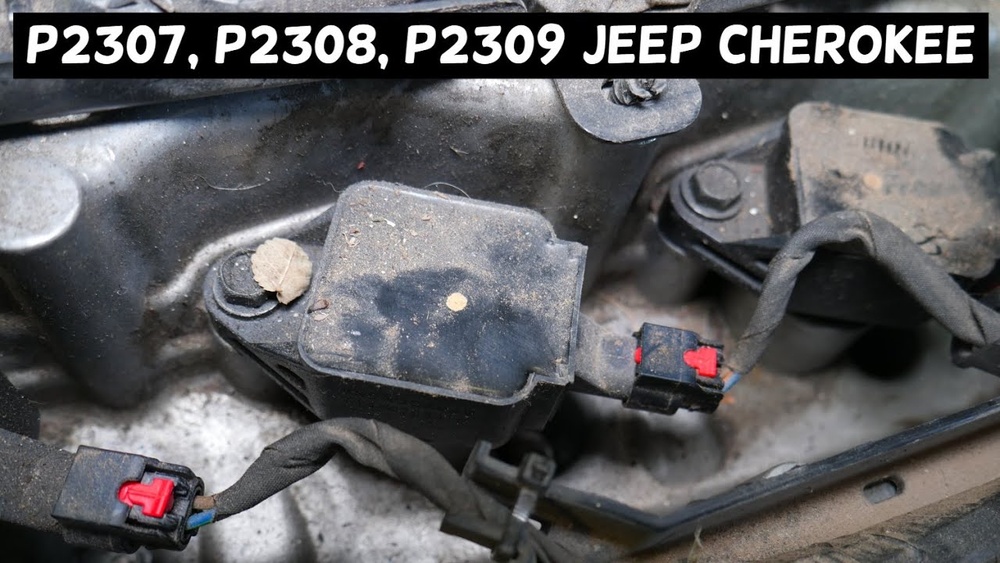

Symptoms Of P2308 Code
The P2308 code in a Jeep signals a problem with the ignition coil “C” secondary circuit. This issue affects how the engine fires, leading to various driving problems.
Recognizing the symptoms early helps prevent further damage and costly repairs.
Symptoms usually appear as changes in engine behavior and performance. They might seem small at first but can grow worse over time.
Understanding these signs can guide you toward timely diagnosis and repair.
Check Engine Light Behavior
The check engine light often comes on with this code. It may blink or stay steady on the dashboard.
A flashing light means the engine is misfiring and needs immediate attention. Sometimes, the light turns on after driving for a while.
Engine Misfire Signs
The engine may run unevenly or feel like it stumbles. You might hear popping noises or feel jerking while driving.
Misfires can cause rough running and make the ride uncomfortable. These signs indicate the ignition coil is not working correctly.
Loss Of Power And Acceleration
The Jeep may struggle to accelerate or lose power suddenly. Climbing hills or merging onto highways becomes harder.
This loss happens because the engine does not get a strong spark. It reduces performance and can make driving unsafe.
Fuel Economy Drop
A failing ignition coil can lower fuel efficiency. The engine burns more fuel to compensate for poor combustion.
You will notice more frequent trips to the gas station. This symptom also increases emissions and pollution from your vehicle.
Rough Idling Issues
The engine may shake or vibrate when idling. This rough idle feels like the engine is struggling to stay running.
It can cause your Jeep to stall unexpectedly. Rough idling is often a clear sign of ignition coil trouble.
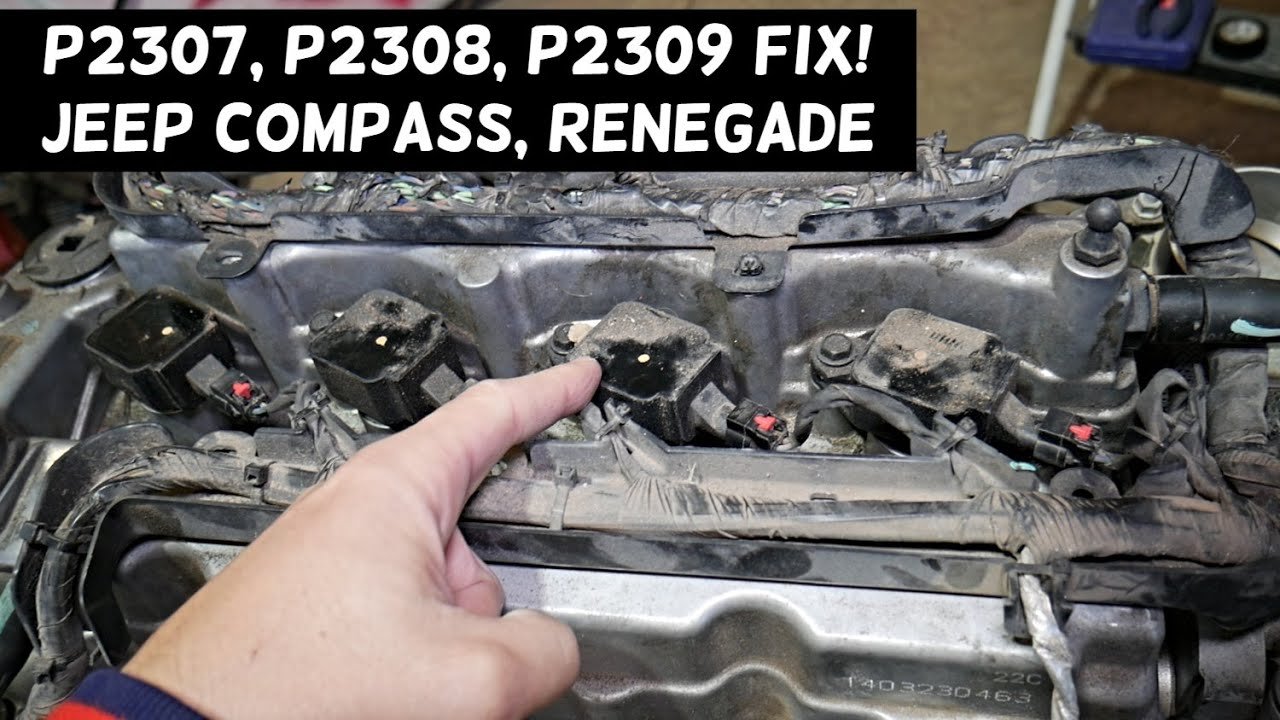
Common Causes Of P2308
The P2308 code in Jeep vehicles signals an issue with the ignition coil “C” secondary circuit. This problem can affect engine performance and fuel efficiency.
Understanding the common causes helps in quick diagnosis and repair.
Several factors can trigger this code. Each one affects the ignition system differently but results in similar symptoms such as misfires and rough idling.
Identifying the exact cause is important for effective repairs.
Faulty Ignition Coil
A faulty ignition coil is a leading cause of the P2308 code. Inside the coil, the winding may crack or short out.
This failure stops the coil from sending proper sparks to the engine. The engine then misfires, causing rough running and poor fuel use.
Damaged Wiring Or Connectors
Wiring problems can also cause this error code. Wires leading to the ignition coil may become frayed, corroded, or burnt.
Loose or bad connectors disrupt the electrical flow to the coil. This interruption causes the coil to malfunction and the engine to misfire.
Worn Spark Plugs
Old or damaged spark plugs strain the ignition coil. Worn plugs need more energy to create sparks.
This extra demand can cause the coil to overheat and fail. Replacing worn spark plugs often resolves the P2308 issue.
Testing The Ignition Coil
Testing the ignition coil is a key step in diagnosing the P2308 Jeep error code. This code points to issues in the ignition coil “C” secondary circuit.
Identifying a faulty coil helps prevent engine misfires and poor performance. Simple tests can reveal coil problems before they cause bigger damage.
This guide breaks down essential steps for testing the ignition coil. Each step uses basic tools and clear checks.
These methods suit Jeep owners with limited mechanical experience. Follow these to find coil faults and fix them effectively.
Tools Needed For Testing
Gather a digital multimeter to measure resistance and voltage. A basic socket set helps remove the ignition coil.
Safety gloves protect your hands from heat or sharp parts. A flashlight assists in inspecting wiring and connectors clearly. These tools make testing easier and safer.
Performing A Coil Resistance Test
First, disconnect the ignition coil from the wiring harness. Set the multimeter to the ohms (Ω) setting.
Measure resistance across the coil’s primary terminals. Then check the resistance across the secondary terminals.
Compare readings with Jeep’s service manual specifications. Out-of-range values indicate a bad coil.
Checking For Coil Overheating
Look for physical signs of overheating on the coil. Check for melted plastic, cracks, or discoloration.
Overheating often causes coil failure. Use your hand to feel if the coil is excessively hot after running the engine.
An overheated coil needs replacement to avoid further damage.
Inspecting Wiring And Connectors
Examine the wiring harness connected to the coil. Look for frayed wires, corrosion, or loose connections.
Gently wiggle connectors to test for secure contacts. Clean dirty connectors with electrical contact cleaner.
Faulty wiring can cause coil malfunction even if the coil is good.
Quick Fixes For P2308
The P2308 code in your Jeep points to an ignition coil “C” secondary circuit issue. Quick fixes can save time and money before visiting a mechanic.
These repairs target common causes that trigger the code. Each step focuses on restoring proper ignition function.
Follow these easy repairs to get your Jeep running smoothly again.
Replacing The Ignition Coil
Start by removing the faulty ignition coil. Unplug the electrical connector and unscrew the coil.
Install a new coil that matches your Jeep model. Secure it tightly and reconnect the wiring.
Test the engine for smooth running and no error codes.
Repairing Wiring And Connectors
Inspect the wiring harness linked to ignition coil “C.” Look for damaged, burnt, or corroded wires and connectors. Replace any faulty wiring or clean corrosion with contact cleaner.
Ensure all connectors fit firmly. This step restores proper electrical flow and prevents shorts.
Changing Spark Plugs
Remove the spark plugs connected to the coil. Check for wear, cracks, or heavy carbon buildup.
Replace old plugs with new ones of the correct gap size. Fresh spark plugs reduce strain on the ignition coil and improve engine performance.
Cleaning Electrical Contacts
Disconnect the ignition coil and clean its electrical contacts. Use a soft brush or cloth with contact cleaner.
Remove dirt, grease, and corrosion. Clean contacts ensure a strong connection, improving coil function and preventing misfires.
Preventive Maintenance Tips
Preventive maintenance keeps your P2308 Jeep running smoothly. It helps avoid costly repairs and extends vehicle life.
Simple checks and timely care protect key components. Focus on areas that often cause issues in this model.
Regular Inspection Schedule
Set a routine to inspect your Jeep every month. Check belts, hoses, and fluid levels carefully.
Look for leaks or wear signs. Early detection prevents bigger problems later.
Battery And Voltage Checks
Test the battery voltage regularly to ensure proper power supply. Clean battery terminals to avoid corrosion.
Replace weak batteries promptly to prevent starting issues and electrical faults.
Avoiding Engine Overheating
Keep the cooling system in good shape. Check coolant levels and radiator condition often.
Replace old or damaged hoses to prevent leaks. Overheating can cause severe engine damage.
Using Quality Replacement Parts
Choose OEM or high-quality parts for repairs. Cheap parts may fail quickly and harm your Jeep’s performance.
Proper parts keep the engine and electrical systems reliable.

When To Seek Professional Help
Knowing when to seek professional help for your P2308 Jeep issue can save time and money. Some problems need more than basic troubleshooting.
Complex symptoms or repeated faults often signal deeper trouble. Timely expert intervention prevents further damage and restores vehicle performance.
Persistent Engine Misfire
An engine misfire that does not go away after basic checks needs expert care. Mechanics have tools to identify the exact cause quickly.
Persistent misfires may harm the engine or catalytic converter. Professionals can fix ignition, fuel, or sensor problems safely.
Complex Electrical Issues
Electrical faults related to the ignition coil or wiring can be tricky. Faulty wiring or damaged connectors require precise diagnosis.
Jeep specialists use advanced equipment to test electrical circuits. Attempting repairs without knowledge risks worsening the issue or causing shorts.
Multiple Trouble Codes
When several trouble codes appear, the problem is often complex. It may involve multiple systems working together.
Professionals know how to interpret these codes accurately. They can prioritize repairs and address the root cause efficiently.
Post-repair Testing
After repairs, testing ensures the issue is fully resolved. Professionals use diagnostic tools to clear codes and monitor system performance.
This step confirms the Jeep runs smoothly without error. Post-repair checks prevent future breakdowns and improve reliability.
Conclusion
The P2308 code in your Jeep points to ignition coil issues. Fixing wiring or replacing the coil often solves the problem.
Ignoring it can lead to rough idling and poor fuel economy. Regular checks keep your Jeep running smoothly.
Stay attentive to symptoms and act quickly for best results.