If you own a Jeep Wrangler and recently saw the code P2305 pop up, you’re probably wondering what it means and how it affects your ride. This trouble code points to an issue with the ignition coil “B” secondary circuit—a key part of your Wrangler’s engine performance.
Ignoring it can lead to rough idling, misfires, or even stalling. But don’t worry, understanding what causes this code and how to fix it can save you time, money, and stress.
You’ll discover the most common reasons behind the P2305 code, simple ways to diagnose the problem, and clear steps to get your Jeep back on the road smoothly.
Ready to take control of your Wrangler’s health? Keep reading.

P2305 Code Basics
The P2305 code on a Jeep Wrangler points to a problem in the ignition coil circuit. This code means the engine control module (ECM) found a fault in coil “B” secondary circuit. The secondary circuit handles the high voltage that fires spark plugs.
Understanding this code helps with quick diagnosis and repair. It prevents engine misfires and poor performance.
Early attention avoids costly engine damage later on.
What Triggers The Code
The P2305 code triggers when the ECM senses low or no voltage in the coil “B” secondary circuit. This can happen due to a bad ignition coil pack.
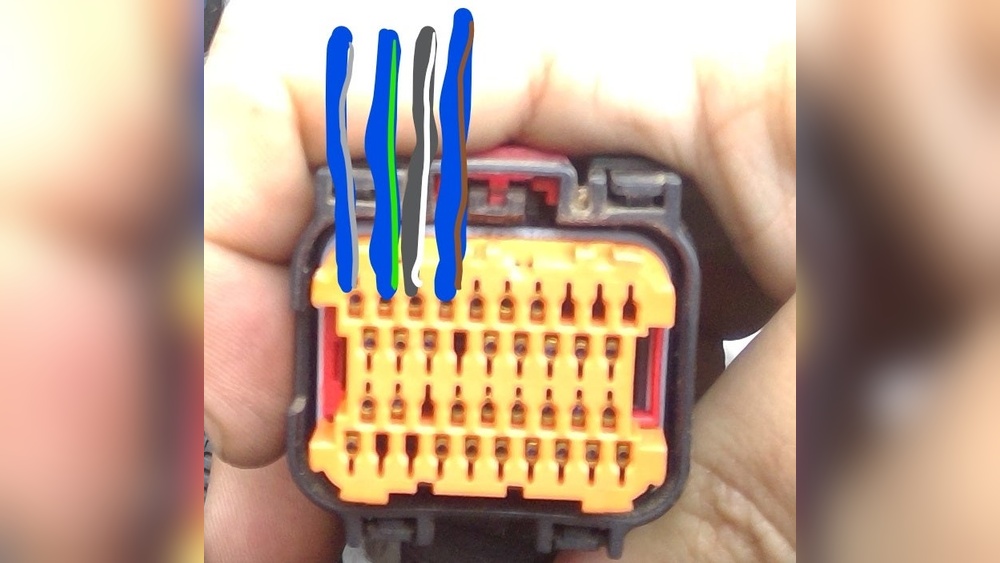
Wiring issues like broken, corroded, or loose wires also cause this code. Sometimes the connector pins lose contact or get damaged.
These faults stop the coil from delivering spark properly.
Symptoms And Signs
When the P2305 code appears, the Jeep Wrangler may show rough idling or hesitation. Engine misfires can occur, reducing power and fuel efficiency.
The check engine light usually turns on. Sometimes the engine may stall or have trouble starting.
These signs warn of ignition coil circuit problems that need fixing.

Ignition Coil Pack Issues
Troubleshooting the P2305 code in your Jeep Wrangler requires a clear, step-by-step approach. This method helps you find the problem quickly and fix it effectively.
Follow these steps carefully to diagnose the ignition coil issue.
Testing Coil Resistance
Start by testing the ignition coil resistance with a multimeter. Set the meter to the ohms setting.
Measure the primary coil resistance by placing the probes on the coil’s positive and negative terminals. Check the secondary coil resistance by measuring between the coil terminal and the spark plug wire terminal.
Compare your readings with the Jeep’s service manual specs. If the resistance is out of range, the coil may be faulty and need replacement.
Swapping Coil Wires
Next, swap the coil wires to see if the misfire or code moves to another cylinder. This test helps identify if the problem is with the coil or the wiring.
Remove the coil wire from the affected cylinder and connect it to a different cylinder. Clear the code and drive the vehicle briefly.
If the code changes cylinders, the coil is likely bad. If the code stays the same, the wiring or connectors may be the issue.
Checking Battery Voltage
Finally, check the battery voltage to ensure the ignition coil gets proper power. Use a voltmeter and connect the positive probe to the battery positive terminal and the negative probe to ground.
The voltage should be around 12.6 volts with the engine off and 13.7 to 14.7 volts with the engine running. Low voltage can cause coil problems or trigger the P2305 code.
Address any battery or charging system issues found during this check.
Wiring And Connector Problems
Preventive care helps avoid the P2305 code in your Jeep Wrangler. Small checks keep the ignition system healthy.
Follow simple steps to reduce electrical issues and maintain reliable performance.
Regular Inspection
Check the ignition coils and wiring often. Look for cracks, burns, or corrosion on the coil packs.
Inspect the wiring harness for frayed or damaged wires. Make sure all connectors fit tightly.
Clean any dirt or grease around the ignition parts. Early detection prevents bigger problems.
Maintaining Electrical Connections
Keep all electrical connections clean and secure. Use contact cleaner on dirty or corroded terminals.
Avoid pulling wires too hard when checking connectors. Protect wires from moisture and heat damage.
Tight connections ensure proper voltage flow. This lowers chances of the P2305 error code.

Frequently Asked Questions
What Is The Code P2305 On A Jeep Wrangler?
Code P2305 on a Jeep Wrangler means an issue with the ignition coil "B" secondary circuit. It signals abnormal voltage or misfire.
Check the coil pack, wiring harness, and connector pins for damage or loose connections. Replace faulty components to fix the problem.
How To Test A Jeep Ignition Coil?
To test a Jeep ignition coil, use an ohmmeter to check primary and secondary resistance. Replace if readings are out of spec or if the coil is visibly damaged.
What Is The Code P0305 On A Jeep?
The P0305 code on a Jeep means cylinder 5 is misfiring. It often signals ignition coil or spark plug issues.
Check coil pack, wiring, and connectors for damage or faults. Replace faulty parts to fix the misfire and restore engine performance.
What Is The Code P0302 On A Jeep Jk?
The code P0302 on a Jeep JK signals a misfire in cylinder 2. It often points to faulty spark plugs, ignition coils, or wiring issues.
Checking and replacing these parts usually resolves the problem quickly.
Conclusion
The P2305 code signals an issue with your Jeep Wrangler’s ignition coil “B” secondary circuit. This can cause misfires and poor engine performance.
Checking the coil pack and wiring is important for a proper fix. Simple tests with an ohmmeter help find the faulty parts.
Replacing damaged components can restore your Jeep’s smooth running. Staying aware of this code helps avoid bigger engine problems later.
Keep your Wrangler reliable by addressing P2305 promptly and carefully.