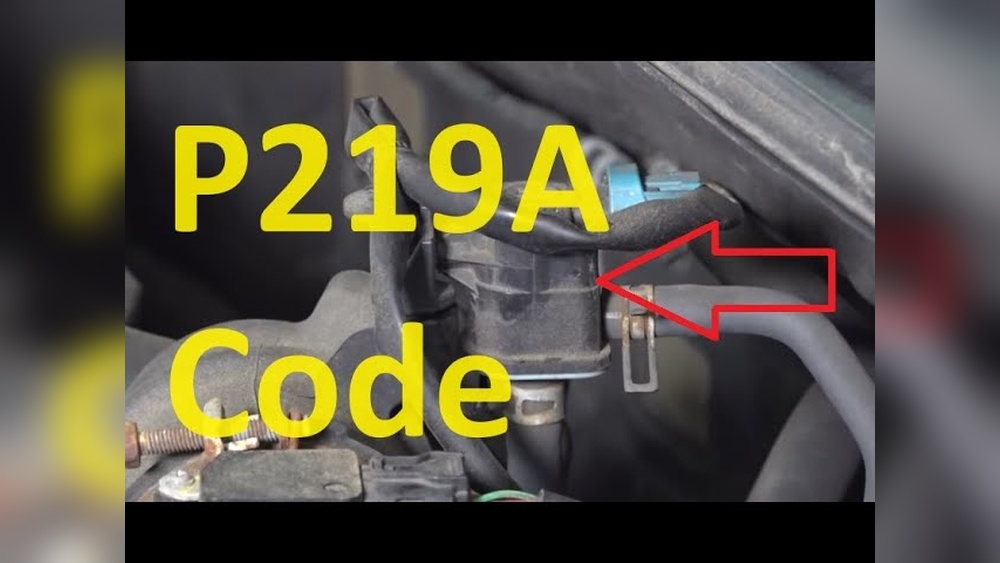
If you own a Jeep Wrangler and have seen the P219A code pop up, you’re probably wondering what’s going on under the hood. This code signals a specific issue that can affect your engine’s performance, fuel efficiency, and overall driving experience.
Understanding what causes the P219A code and how to fix it can save you time, money, and a lot of frustration.
You’ll discover the common symptoms, likely reasons behind the problem, and practical steps you can take to get your Jeep Wrangler running smoothly again.
Keep reading to take control of your Jeep’s health and avoid bigger issues down the road.
Symptoms Of P219a Code
The P219A code on a Jeep Wrangler signals an issue with the engine’s air-fuel mixture. This problem can cause several noticeable symptoms. Knowing these signs can help you spot the problem early and avoid more damage. Here are common symptoms linked to the P219A code.
Rough Idling
The engine may run unevenly when the vehicle is at rest. You might feel shaking or vibrations inside the cabin.
This happens because the air-fuel mix is not balanced. Rough idling can lead to stalling in some cases.
Sluggish Acceleration
The Jeep might respond slowly when you press the gas pedal. It can feel like the engine is weak or tired.
This sluggishness occurs as the engine struggles to get the correct fuel amount. Driving uphill or carrying loads may worsen this symptom.
Decreased Fuel Efficiency
You may notice the gas tank empties faster than usual. Poor fuel economy happens when the engine burns too much fuel.
The P219A code often causes this issue due to incorrect air and fuel mix. This means more frequent stops at the pump.
Check Engine Light Activation
The check engine light on the dashboard will turn on. This warning alerts you that the engine has a problem.
The P219A code is one of the reasons this light appears. Ignoring it can lead to bigger engine troubles later.
Common Causes
The P219A code on a Jeep Wrangler points to issues with the air-fuel mixture. This code often triggers the Check Engine Light and can cause poor engine performance.
Understanding common causes helps diagnose the problem quickly and accurately.
Several factors can lead to the P219A code. Some are simple to fix, while others need professional tools.
Regular inspection of certain parts can prevent this code from appearing.
Engine Vacuum Leaks
Vacuum leaks let extra air enter the engine. This air changes the fuel mixture, causing a lean condition.
Common leak points include vacuum hoses, the intake manifold, and the PCV system. A bad valve cover gasket can also cause leaks.
Detecting vacuum leaks early helps avoid engine damage.
Faulty Oxygen Sensors
Oxygen sensors monitor exhaust gases to adjust fuel delivery. A faulty sensor sends wrong data to the engine computer.
This causes poor fuel mixture and triggers the P219A code. Sensors wear out over time or get contaminated. Replacing bad sensors restores proper engine function.
Malfunctioning Purge Valve
The purge valve controls fuel vapors from the gas tank. If stuck open, it lets too many vapors into the engine.
This changes the air-fuel ratio and sets off the P219A code. A faulty purge valve needs replacement to fix the issue.
Exhaust System Leaks
Leaks in the exhaust let outside air enter the system. This air affects oxygen sensor readings, causing wrong fuel adjustments.
Common leak spots are exhaust gaskets, pipes, and the manifold. Fixing leaks stops incorrect sensor data and clears the code.
Diagnosing The Issue
Diagnosing the P219A code on a Jeep Wrangler requires a careful approach. This code often points to issues with the air and fuel mixture in the engine.
Finding the exact cause helps avoid unnecessary repairs and keeps the vehicle running smoothly.
Start with basic checks and use tools to get detailed information. Each step narrows down the possible problems. This process saves time and money.
Visual Inspection For Leaks
Look closely around the engine for signs of leaks. Check vacuum hoses, intake manifold, and valve covers for cracks or loose fittings.
Leaks let unmetered air enter the system and confuse sensors. Oil or fuel stains near gaskets can signal trouble. Fixing leaks often clears the P219A code.
Using A Scan Tool
A scan tool reads the engine’s computer codes. It shows live data from oxygen sensors and fuel trims.
Watch for erratic sensor readings or values out of range. The tool helps identify if sensors or valves cause the problem.
It also resets the code after repairs to confirm the fix.
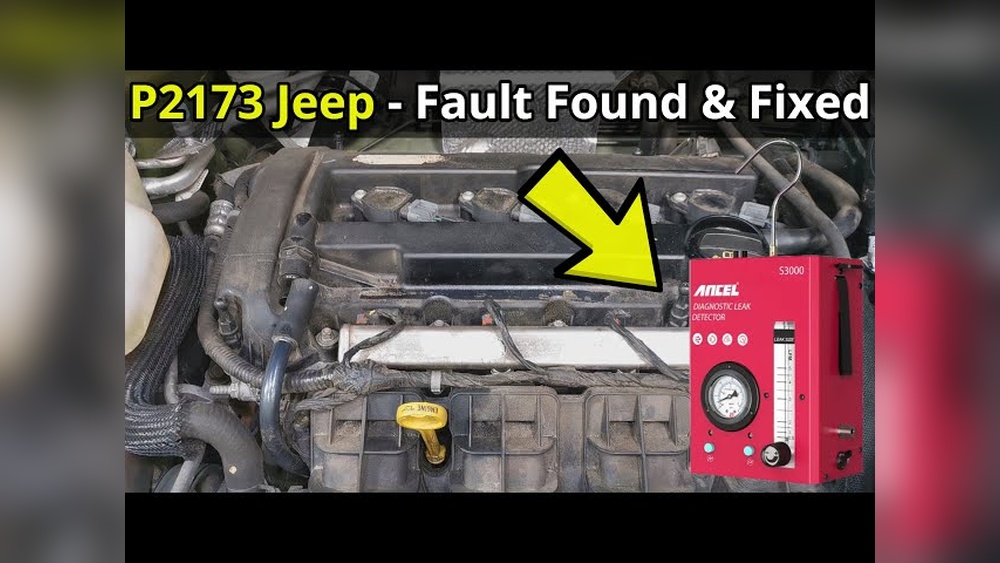
Performing A Leak Down Test
This test checks the engine’s compression and seals. Low compression means air escapes from cylinders.
It points to worn valves, gaskets, or piston rings. Use a leak down tester to introduce air into each cylinder.
Listen for hissing sounds near the intake, exhaust, or crankcase. This test highlights hidden leaks affecting air/fuel balance.
Checking Air/fuel Ratios
Proper air/fuel ratio is key for engine health. Use a wideband oxygen sensor or scan tool to measure it.
Ratios too rich or too lean cause sensor errors and poor performance. Compare readings to manufacturer specifications.
Adjustments may involve cleaning sensors, replacing faulty parts, or fixing leaks. Correct ratios restore engine efficiency and clear codes.

Fixing Vacuum Leaks
Fixing vacuum leaks on a P219A Jeep Wrangler is crucial to keep the engine running smoothly. Vacuum leaks let extra air enter the engine, causing rough idling, poor acceleration, and triggering the Check Engine Light.
Identifying and repairing these leaks restores proper engine performance and fuel efficiency.
Inspecting Hoses And Gaskets
Start by checking all vacuum hoses for cracks, splits, or loose connections. Old or brittle hoses often cause leaks.
Inspect gaskets around the engine for signs of wear or damage. Replacing faulty hoses and gaskets helps stop unmetered air from entering the system.
Replacing Valve Cover Gaskets
Valve cover gaskets seal the top of the engine and can degrade over time. Leaking valve cover gaskets allow vacuum leaks and oil seepage.
Remove the valve cover, clean the surfaces, and install a new gasket to ensure a tight seal. This repair reduces vacuum loss and improves engine health.
Repairing Intake Manifold Seals
The intake manifold gasket seals the connection between the manifold and the engine block. Cracks or damage here cause vacuum leaks and engine performance issues.
Remove the manifold, replace the gasket, and torque bolts properly. This fix prevents air leaks and stabilizes engine operation.
Testing Pcv System
The Positive Crankcase Ventilation (PCV) system controls engine gases and vacuum pressure. A faulty PCV valve or hose can cause vacuum leaks.
Test the PCV valve by shaking it; it should rattle freely. Replace any clogged or damaged parts to maintain proper vacuum levels and reduce emissions.
Replacing Faulty Components
Replacing faulty components in the P219A Jeep Wrangler is key to fixing engine problems. This error code often points to issues with sensors and engine parts.
Timely repairs help restore engine performance and reduce emissions. Understanding the common repairs makes troubleshooting easier.
Oxygen Sensor Replacement
The oxygen sensor measures exhaust gases to optimize fuel mix. A faulty sensor can cause poor fuel economy and rough idling.
Replacement involves removing the old sensor and installing a new one. Use a proper tool to avoid damage.
After replacement, clear the error code and test drive.
Purge Valve Repair Or Replacement
The purge valve controls fuel vapors from the tank to the engine. A stuck valve can cause rough running and trigger the P219A code.
Inspect the valve for damage or sticking. Repair may involve cleaning or replacing the valve.
Check vacuum lines for leaks to prevent future faults.
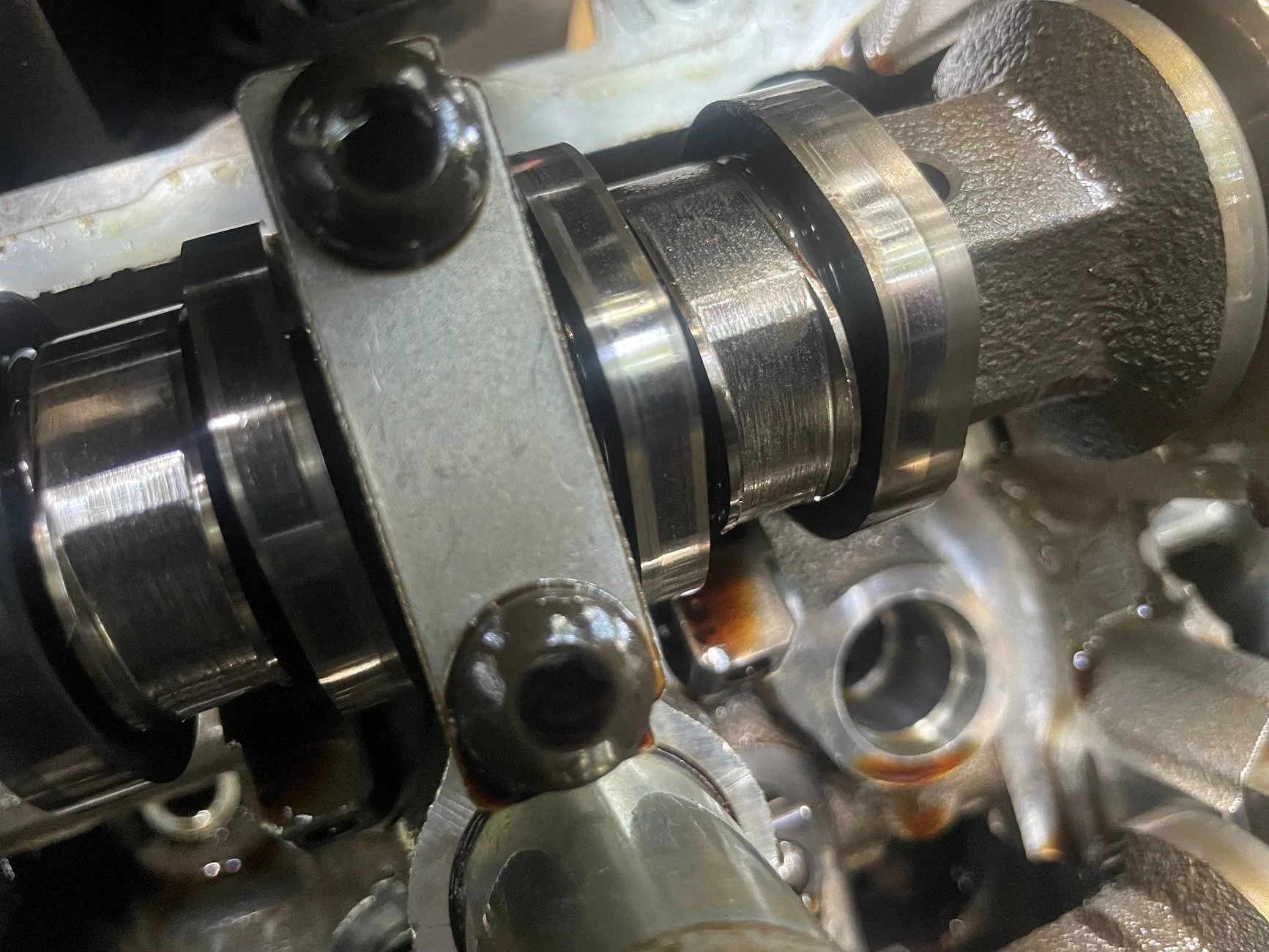
Addressing Camshaft And Lifters
Worn camshafts and lifters affect valve timing and engine smoothness. Symptoms include ticking noises and poor acceleration.
Repair often means replacing damaged lifters and camshafts. Proper lubrication helps prevent wear.
Use quality parts for lasting results and better engine health.
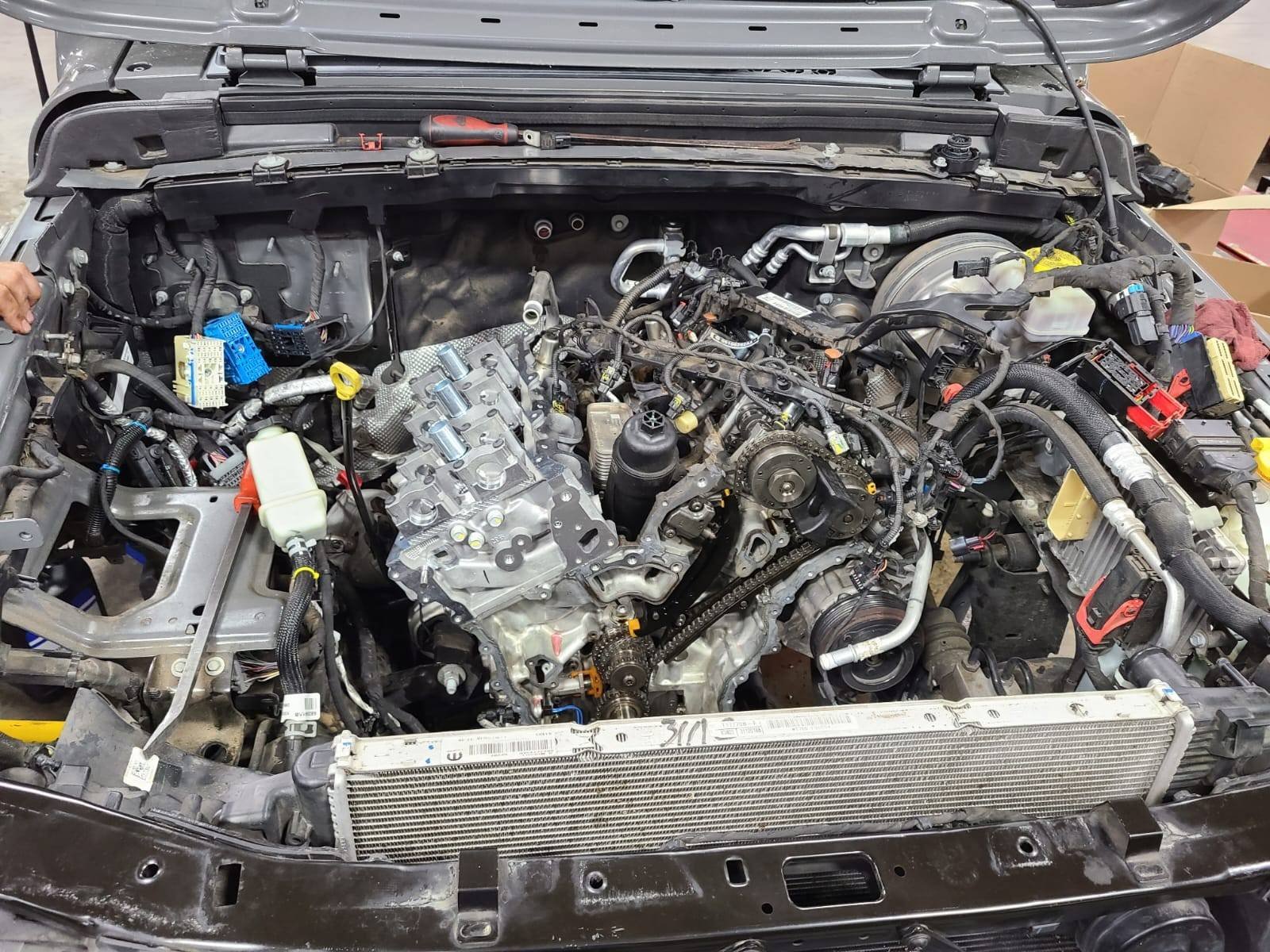
Fixing Cam Phaser Issues
The cam phaser adjusts valve timing for efficiency. Faulty phasers can cause rough idling and poor performance.
Diagnosis requires checking the phaser’s movement and oil pressure. Repair may involve cleaning or replacement.
Fixing cam phaser problems improves engine response and fuel economy.
Preventative Maintenance Tips
Maintaining your Jeep Wrangler to prevent P219A error codes is key to reliable performance. Preventative steps help avoid costly repairs and keep your engine running smoothly.
Regular checks and care support sensor accuracy and exhaust integrity.
Regular Vacuum System Checks
Inspect vacuum hoses for cracks or leaks often. Even small leaks cause air to enter the system improperly.
Use a smoke test or listen for hissing sounds. Replace damaged hoses to maintain correct air-fuel mix.
This reduces P219A code triggers and improves engine response.
Keeping Sensors Clean
Oxygen sensors and other emissions sensors collect dirt over time. Dirt blocks accurate readings, causing engine errors.
Clean sensors gently with sensor-safe cleaner. Avoid harsh chemicals that damage sensitive parts.
Clean sensors help your Wrangler’s computer adjust fuel flow properly.
Routine Exhaust Inspections
Check the exhaust system regularly for leaks or damage. Leaks let fresh air enter, confusing sensors and triggering P219A codes.
Look for rust, holes, or loose clamps. Repair or replace faulty parts immediately.
A sealed exhaust ensures proper sensor readings and engine health.
Scheduled Engine Tune-ups
Follow the Jeep’s recommended tune-up schedule closely. Replace spark plugs, air filters, and fuel filters on time.
A well-tuned engine runs cleaner and smoother. Tune-ups reduce sensor errors and prevent issues leading to P219A codes. Keep records of maintenance for better tracking.
When To Seek Professional Help
Knowing when to seek professional help for the P219A code on your Jeep Wrangler is essential. Some problems need expert tools and skills.
Acting too late may cause more harm and higher costs. Understanding the signs can save you time and money.
Persistent Engine Codes
If the P219A code returns after resets, it signals a deeper issue. Simple fixes might not work anymore.
A professional can use advanced scanners to find hidden problems. Ignoring persistent codes can lead to bigger engine troubles.
Complex Diagnostic Needs
The P219A code can stem from various causes like vacuum leaks or faulty sensors. Diagnosing these requires detailed knowledge and experience.
Mechanics have special tools to test parts accurately. DIY methods often miss subtle or complex faults.
Avoiding Long-term Damage
Delaying professional checks can cause engine wear or failure. Small leaks or sensor faults can worsen over time.
Early expert intervention protects your Jeep’s engine health. It also ensures your vehicle runs smoothly and safely.
Frequently Asked Questions
How Do I Fix My P219a Code?
Fix P219A code by checking for vacuum leaks, faulty oxygen sensors, and purge valve issues. Inspect hoses and exhaust for leaks.
Replace damaged parts and clear the code. Seek professional help if the problem continues to avoid engine damage.
Is It Okay To Drive With A P219a Code?
Driving with a P219A code may cause rough idling and reduced fuel efficiency. Get it checked soon to prevent engine damage.
How Much Does It Cost To Fix P219a?
Fixing code P219A typically costs between $150 and $600, depending on parts and labor. Vacuum leaks and sensor replacements are common causes.
Can A Bad O2 Sensor Cause P219a?
A bad O2 sensor can cause code P219A by sending incorrect air-fuel mixture data. This leads to a lean or rich condition.
Replacing a faulty sensor often resolves the issue.
Conclusion
The P219A code in your Jeep Wrangler signals a lean air-fuel mixture issue. Common causes include vacuum leaks, faulty oxygen sensors, or purge valve problems.
Addressing these early helps avoid bigger engine troubles. Simple checks, like inspecting hoses and sensors, can often fix the problem.
If the code stays, a mechanic’s help is wise. Keeping your Jeep’s engine running smoothly ensures better performance and fuel efficiency.
Regular care pays off in the long run. Stay informed and act promptly for a reliable Jeep Wrangler experience.