If you drive a Jeep and the check engine light just came on with the code P2098, you’re probably wondering what it means and how it affects your ride. This code signals a specific fuel system problem that can impact your Jeep’s performance and fuel efficiency.
Understanding what causes P2098 and how to fix it can save you time, money, and frustration. You’ll learn exactly what P2098 means for your Jeep, the common signs to watch for, and practical steps to get your engine running smoothly again.
Keep reading to get your Jeep back on the road with confidence.
P2098 Code Basics
The P2098 code is a common trouble code for Jeep owners. Understanding its basics helps you spot problems early.
This code points to issues with the fuel system and exhaust sensors. Knowing what it means and how it affects your Jeep can save time and money.
It also helps keep your Jeep running smoothly.
What P2098 Means
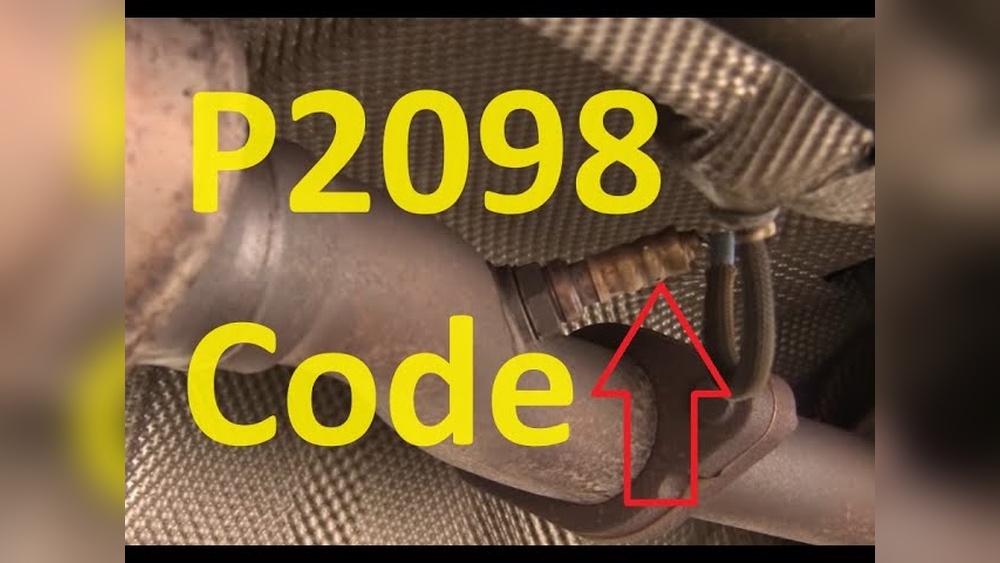
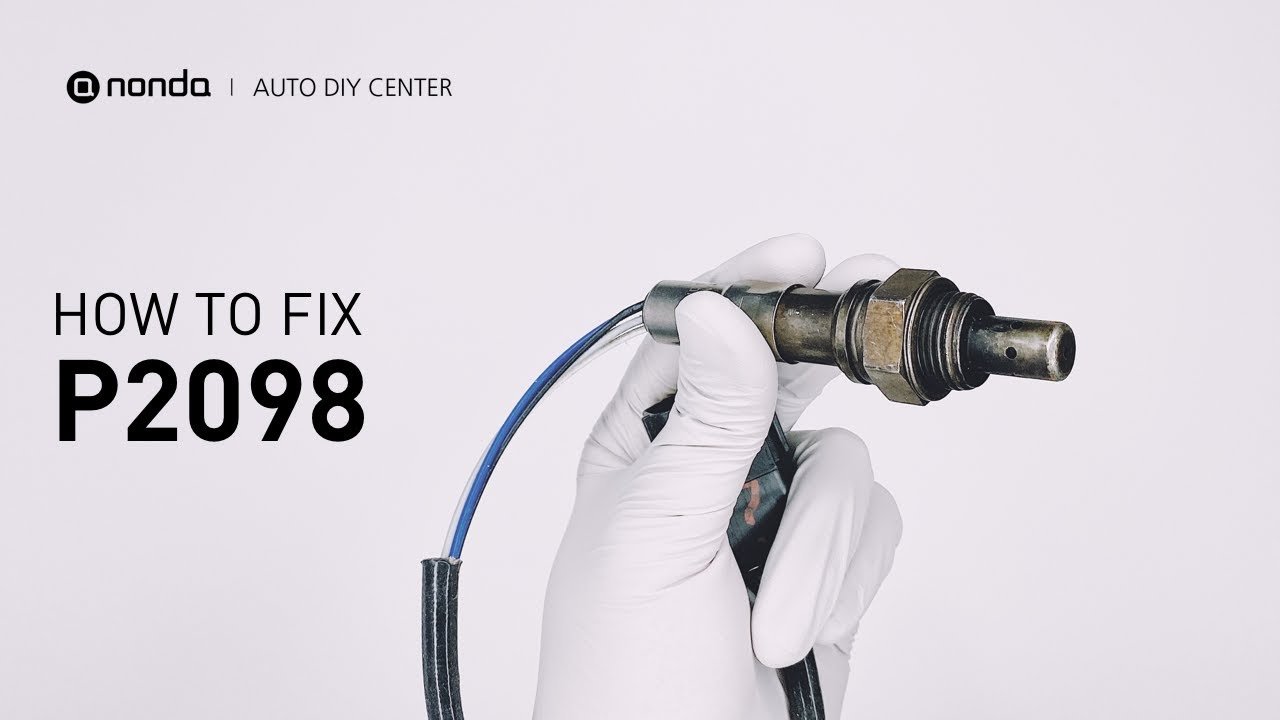
The P2098 code means “Post Catalyst Fuel Trim System Too Lean.” It signals that the sensor after the catalytic converter detects too much oxygen in the exhaust. This shows the engine is not getting enough fuel or there is a leak in the exhaust.
The engine control module (ECM) tries to fix this but fails. The sensor reports a lean mixture, which triggers the code.
How It Affects Your Jeep
This code can cause rough running and poor acceleration. Your Jeep may use more fuel than normal.
The check engine light will turn on and stay lit. You might also notice hesitation during driving.
If ignored, it can damage the catalytic converter. Fixing this issue keeps your Jeep reliable and fuel-efficient.

Common Causes
The P2098 code in Jeep vehicles signals a lean condition on Bank 2. This means the engine gets too much air or too little fuel.
The engine control module tries to fix this but cannot. Several common causes trigger this problem. Understanding them helps fix the issue faster.
Fuel Delivery Problems
Low fuel pressure is a frequent cause of the P2098 code. A clogged fuel filter can block fuel flow.
A failing fuel pump may not deliver enough fuel. Dirty or leaking fuel injectors also reduce fuel supply.
This creates a lean air-fuel mixture and triggers the code.
Exhaust Leaks
Leaks in the exhaust system let extra air enter. This fools the oxygen sensors into thinking the engine runs lean.
Common leak points include the exhaust manifold gasket and pipe joints. Even small leaks can cause the P2098 code. Checking for leaks is important.
Faulty Oxygen Sensors
Oxygen sensors measure exhaust gases to help the engine adjust fuel. A bad sensor gives wrong readings.
This misleads the engine control module and causes a lean code. Sensors can fail due to age, contamination, or wiring damage. Testing the sensors can confirm this issue.
Wiring And Connector Issues
Damaged wiring or loose connectors can disrupt sensor signals. Corrosion or broken wires cause poor communication with the engine control module.
This results in incorrect fuel adjustments and triggers the P2098 code. Inspecting all related wiring and connectors is necessary.
Symptoms To Watch For
Recognizing symptoms of the P2098 code on your Jeep is vital. This code signals a lean condition at bank 2, meaning too much oxygen and not enough fuel.
Watch for signs that affect engine function and fuel system health. These symptoms often hint at issues needing quick attention.
Early detection prevents further damage and costly repairs.
Check Engine Light Behavior
The check engine light often turns on or blinks with code P2098. A steady light means a detected fault.
Blinking suggests a severe problem needing immediate care. This alert should not be ignored.
Sometimes, the light may come on intermittently. This can mean the issue is just starting or occurs under specific conditions. Tracking these patterns helps diagnose the problem.
Engine Performance Issues
Your Jeep may run rough or hesitate during acceleration. Engine misfires or stalling can also occur.
These problems happen because the fuel mixture is off balance.
Loss of power and poor throttle response are common. The engine struggles to run smoothly with a lean mixture. This can make driving unsafe or uncomfortable.
Fuel Economy Changes
Fuel efficiency often drops with a P2098 fault. The engine may use more fuel trying to compensate.
You might notice filling up the tank more often than usual.
Unexpected changes in mileage can signal fuel system issues. Monitoring your fuel economy helps catch this problem early.
This saves money and keeps your Jeep running well.
Diagnosing The Issue
Diagnosing the P2098 code in your Jeep requires a clear and methodical approach. This code signals a lean condition in the post-catalytic converter area.
It means the engine is running with too much air or not enough fuel. Pinpointing the exact cause helps fix the problem quickly and prevents further damage.
Several components can cause this issue. Checking each one carefully is important.
Start with the fuel system, then move to sensors and exhaust parts. Each step narrows down the possible faults.
Here is how to diagnose the P2098 code effectively.
Checking Fuel Pressure
Fuel pressure affects how well the engine runs. Low pressure means less fuel reaches the engine.
Use a fuel pressure gauge to test the system. Compare the reading to the Jeep’s specifications.
A weak fuel pump, clogged fuel filter, or faulty regulator can cause low pressure. Fixing these restores proper fuel flow.
Inspecting Fuel Injectors
Fuel injectors spray fuel into the engine. Dirty or leaking injectors disrupt the fuel-air mix.
Remove and inspect the injectors for clogs or damage. Clean or replace any injector that does not spray properly.
Proper injector function ensures the engine gets the right fuel amount.
Testing Oxygen Sensors
Oxygen sensors measure the amount of oxygen in exhaust gases. Faulty sensors send wrong data to the engine computer.
This causes poor fuel mixture control. Use an O2 sensor tester or scan tool to check sensor readings.
Replace sensors that show slow response or incorrect output.
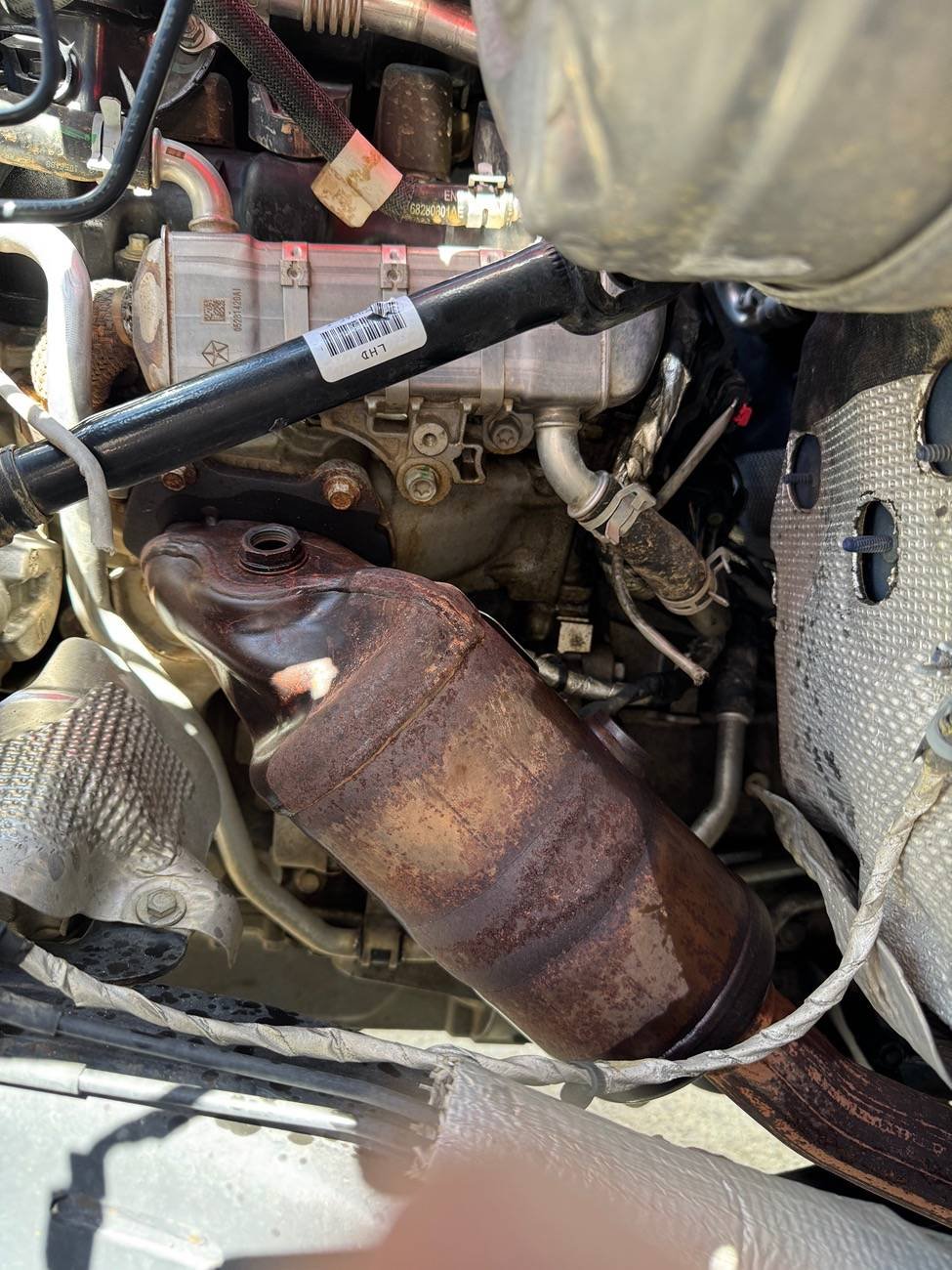
Finding Exhaust Leaks
Exhaust leaks let extra air into the system. This air fools the oxygen sensors and causes the lean code.
Inspect all exhaust connections and gaskets for leaks. Spray brake cleaner around joints while the engine runs.
A change in engine speed signals a leak. Repair any leaks found to restore proper sensor readings.
Conclusion
The P2098 code in Jeep signals a lean fuel mixture problem. This issue often causes rough idling and poor fuel economy.
Checking the fuel system and sensors can help find the cause. Fixing leaks or replacing faulty parts usually resolves the trouble.
Staying aware of symptoms helps protect your Jeep’s performance. Regular maintenance keeps the engine running smoothly and avoids this code.
Understanding P2098 saves time and money on repairs. Keep your Jeep safe and reliable by addressing this code quickly.