If you’ve noticed the P2098 code popping up on your Jeep Grand Cherokee’s dashboard, you’re probably wondering what it means and how it might affect your ride. This code signals a “Post Catalyst Fuel Trim System Too Lean” issue, which can lead to poor engine performance and reduced fuel efficiency.
Understanding what triggers this problem and how to fix it is important to keeping your Jeep running smoothly. You’ll discover the common causes behind the P2098 code, how to diagnose it, and the best steps to take for a quick and effective repair.
Keep reading to protect your Jeep and get back on the road with confidence.


P2098 Code Basics
The P2098 code on a Jeep Grand Cherokee signals an issue with the post-catalyst fuel trim. This code points to a lean condition, meaning the engine is running with too much air and not enough fuel after the catalytic converter. Understanding this code helps drivers identify problems early and avoid further damage to the vehicle’s emission system.
This code often relates to the oxygen sensors or fuel delivery system. The vehicle’s computer monitors these sensors to keep the fuel mixture balanced.
When the sensors detect a lean condition downstream of the catalytic converter, it triggers the P2098 code. Addressing this code quickly can maintain engine performance and reduce harmful emissions.
What Triggers P2098
The P2098 code triggers when the post-catalyst oxygen sensor reports a lean fuel mixture. Common causes include a faulty oxygen sensor, vacuum leaks, or issues with fuel delivery.
Problems like a failing fuel pump or clogged fuel injectors can reduce fuel flow. Also, reversed sensor connections after repairs can cause wrong readings.
These issues make the engine run too lean, causing the code to appear.
Symptoms To Watch For
Signs of the P2098 code include a check engine light on the dashboard. The Jeep may run rough or hesitate during acceleration.
Fuel economy might drop noticeably. Some drivers notice engine misfires or unusual exhaust smells.
In some cases, the vehicle’s performance feels sluggish. Detecting these symptoms early helps prevent bigger problems.

Common Causes
The P2098 code on a Jeep Grand Cherokee signals a lean condition after the catalytic converter. This means the engine senses too much air or not enough fuel in the exhaust. Several common issues trigger this code. Understanding these helps in quick diagnosis and repair.
Faulty Oxygen Sensors
Oxygen sensors monitor exhaust gases and adjust fuel delivery. A failing sensor sends wrong data to the engine control unit.
This error causes incorrect fuel mixture and triggers the P2098 code. Replacing bad sensors often fixes the problem.
Vacuum Leaks
Vacuum leaks let extra air enter the engine. This unmetered air makes the mixture too lean.
Leaks can occur in hoses, gaskets, or intake manifold. Finding and sealing leaks restores proper air-fuel balance.
Fuel Delivery Problems
Low fuel pressure or clogged injectors reduce fuel flow. A weak fuel pump or dirty filter also limits fuel supply.
These problems cause the engine to run lean and set the P2098 code. Checking and fixing fuel delivery parts resolves the issue.
Exhaust System Issues
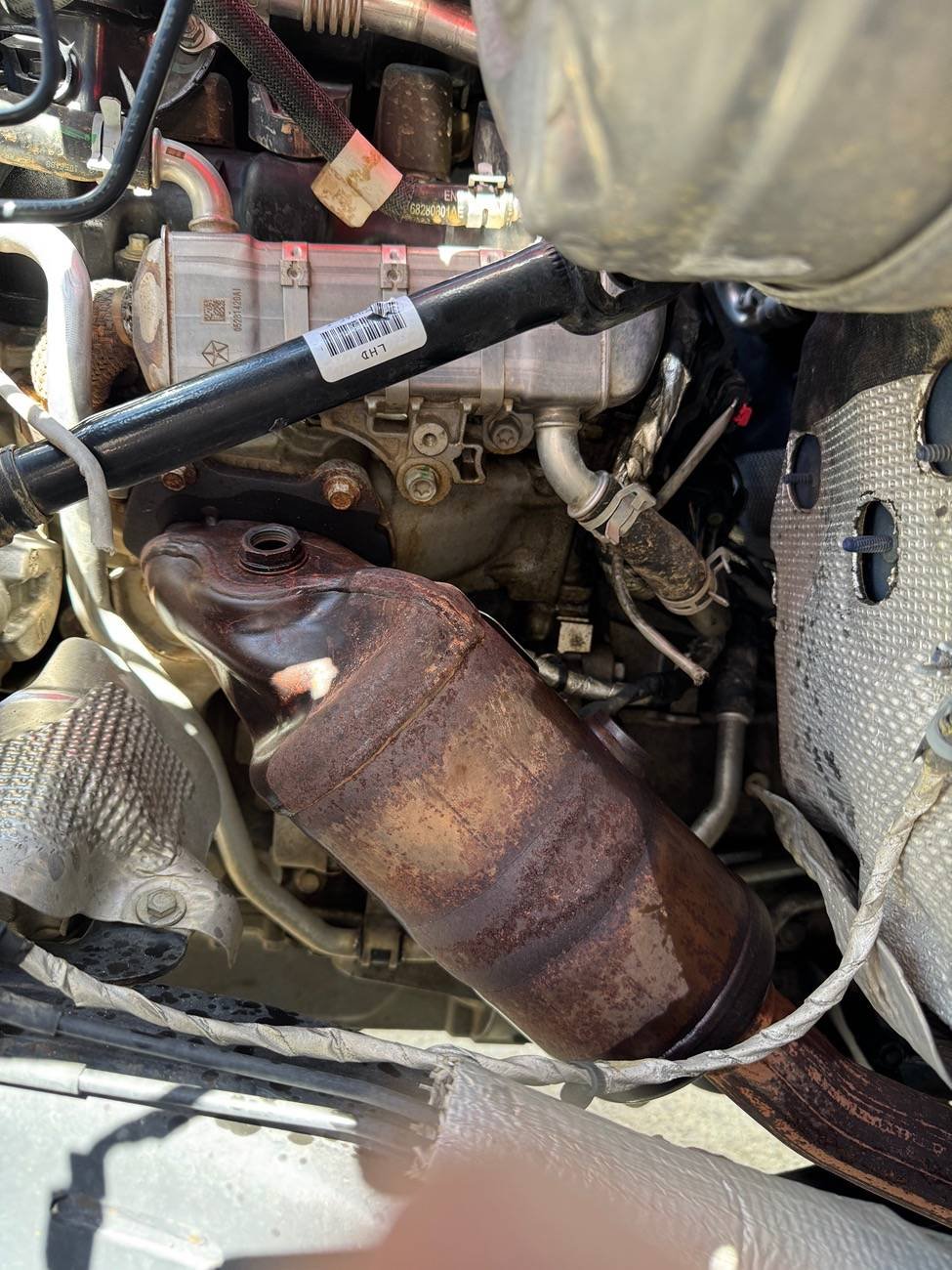
Damage or blockage in the exhaust affects sensor readings. A cracked catalytic converter or broken pipe can change gas flow.
These faults cause false lean signals and trigger the code. Inspecting and repairing the exhaust system prevents false alarms.
Sensor Connection Errors
Loose or reversed oxygen sensor connectors cause wrong signals. After repairs, connectors may be swapped accidentally.
This mistake confuses the engine control module and sets the code. Ensuring correct and tight connections clears sensor errors.
Diagnosing The Issue
Diagnosing the P2098 code on your Jeep Grand Cherokee requires a careful approach. This code points to an issue with the post-catalytic converter fuel trim system.
It means the engine is running too lean after the catalytic converter. Finding the exact cause involves several steps.
Each step helps narrow down the problem and guides the repair.
Using An Obd-ii Scanner
Start by connecting an OBD-II scanner to your Jeep. This tool reads trouble codes stored in the engine control module. It shows live data and confirms the P2098 code. The scanner helps identify if other codes are present. This can reveal related problems. Using a scanner saves time and avoids guesswork.
Checking Sensor Readings
Focus on the oxygen sensors before and after the catalytic converter. These sensors monitor exhaust gases.
Compare their readings to spot abnormalities. The upstream sensor measures the air-fuel mix entering the engine.
The downstream sensor checks the mix after the catalytic converter. Large differences in readings may indicate sensor failure or exhaust leaks.
Inspecting Vacuum Lines
Look for cracks or disconnections in vacuum lines. These lines control various engine functions.
A vacuum leak can cause a lean fuel mixture. Check all hoses connected to the intake manifold.
Replace any damaged or loose lines. A simple vacuum leak can trigger the P2098 code.
Testing Fuel System Components
Test the fuel pump, fuel filter, and injectors for proper function. A weak fuel pump can reduce fuel pressure.
A clogged fuel filter restricts fuel flow. Dirty or faulty injectors fail to deliver fuel evenly.
Any of these issues may cause a lean condition. Use a fuel pressure gauge and inspect injectors carefully.
Repair Options
The P2098 code on a Jeep Grand Cherokee signals a lean condition after the catalytic converter. Repairing this issue involves several practical steps.
Each step targets a common cause of the code. Fixing the problem restores engine performance and fuel efficiency. Here are key repair options to consider.
Replacing Oxygen Sensors
Oxygen sensors monitor exhaust gases and help the engine adjust fuel delivery. A faulty sensor can send wrong data, causing the P2098 code.
Replacing the oxygen sensor ensures accurate readings. Use sensors designed for your Jeep model.
This step often solves lean condition problems quickly.
Fixing Vacuum Leaks
Vacuum leaks let extra air into the engine intake. This unmetered air causes a lean fuel mixture.
Common leak spots include hoses, gaskets, and intake manifold areas. Inspect these parts carefully.
Fix or replace damaged components to seal leaks. This repair improves engine air-fuel balance.
Cleaning Or Replacing Fuel Injectors
Fuel injectors spray fuel into the engine cylinders. Dirty or clogged injectors reduce fuel flow.
This leads to a lean condition and triggers the code. Cleaning injectors can restore proper fuel delivery.
In severe cases, replacing injectors is necessary. Both options help maintain the right fuel mixture.
Addressing Exhaust Problems
Exhaust leaks before or near the oxygen sensors affect sensor readings. Cracks or holes in the exhaust system can cause false lean signals.
Inspect the exhaust pipes, manifold, and catalytic converter for damage. Repairing leaks stops unwanted air from entering the system. This repair supports accurate sensor data.
Correcting Sensor Connections
Improper sensor wiring or connectors cause communication errors. After exhaust or transmission work, sensors might be connected incorrectly.
Check all sensor connections for proper fit and position. Reconnect sensors to the correct ports on the harness. This simple fix resolves many P2098 errors.
Expert Maintenance Tips
Maintaining your Jeep Grand Cherokee to avoid the P2098 code is essential. Proper care extends engine life and keeps performance smooth.
These expert tips focus on critical areas that impact your vehicle’s health.
Regular Sensor Inspections
Check oxygen sensors often for dirt and damage. Faulty sensors send wrong data to the engine control unit.
Clean or replace sensors if you notice any issues. Proper sensor function helps maintain correct air-fuel mixture.
Fuel System Care
Keep the fuel system clean to prevent lean conditions. Replace fuel filters regularly to avoid blockages.
Use quality fuel to reduce deposits in injectors. A well-maintained fuel system supports steady engine power.
Preventing Vacuum Leaks
Inspect vacuum hoses for cracks or loose connections. Vacuum leaks cause unmetered air to enter the engine.
This leads to poor fuel trim and performance problems. Fix leaks quickly to maintain proper engine balance.
Choosing Quality Replacement Parts
Select OEM or high-quality parts for repairs. Cheap components may fail early and cause codes like P2098.
Reliable parts ensure better fit and durability. Investing in quality saves money and time in the long run.
Avoiding Future Issues
Preventing future problems with the P2098 code on your Jeep Grand Cherokee saves time and money. Regular care helps keep the engine running smoothly.
Early actions stop small issues from growing into costly repairs. Focus on consistent maintenance and quick attention to warning signs for the best results.
Timely Diagnostics
Scan the vehicle for trouble codes as soon as the check engine light appears. Early detection helps pinpoint issues before they worsen.
Use reliable diagnostic tools to get accurate results. Quick action reduces the risk of damage to other parts.
Keep a diagnostic scanner handy or visit a trusted mechanic promptly.
Routine Vehicle Checks
Inspect engine components regularly for signs of wear or damage. Check hoses and connections for leaks or cracks that might affect sensor readings.
Monitor fuel system parts, like pumps and injectors, for proper function. Clean or replace air filters to ensure good airflow.
Regular checks prevent sensor errors like the P2098 code.
Professional Servicing Advice
Schedule service appointments with certified Jeep technicians. They have the tools and knowledge to handle complex issues.
Follow recommended maintenance intervals in the owner’s manual strictly. Request a fuel system inspection and oxygen sensor test during visits.
Professional care extends vehicle life and improves reliability.
Conclusion
The P2098 code signals a lean condition after the catalytic converter. This issue can affect your Jeep Grand Cherokee’s performance and fuel efficiency.
Addressing vacuum leaks, faulty sensors, or fuel delivery problems can help fix the code. Regular maintenance and prompt repairs keep your vehicle running smoothly.
Understanding this error code helps you avoid bigger problems later. Stay proactive to enjoy a reliable and efficient Jeep.