If you own a Jeep Grand Cherokee and have seen the P2097 code pop up, you’re probably wondering what it means and how it affects your ride.
This trouble code signals that your engine’s fuel mixture is running too rich, which can lead to rough idling, poor fuel economy, and even damage to your catalytic converter if left unchecked.
You want your Jeep to perform at its best, right? Understanding what causes the P2097 code and how to fix it can save you time, money, and frustration down the road. Keep reading to learn how to spot the symptoms, pinpoint the likely causes, and take the right steps to get your Grand Cherokee back on track.

Symptoms Of P2097 Code
Diagnosing the P2097 code on your Jeep Grand Cherokee involves several key steps. Each step helps identify the root cause of the problem. Following these steps saves time and avoids unnecessary repairs.
Checking For Technical Service Bulletins
Start by checking for any Technical Service Bulletins (TSBs) related to code P2097. TSBs provide manufacturer updates and fixes for known issues.
Visit the Jeep dealership’s website or trusted repair sites to find relevant TSBs. Applying these updates can resolve the issue without further diagnostics.
Performing Visual Inspections
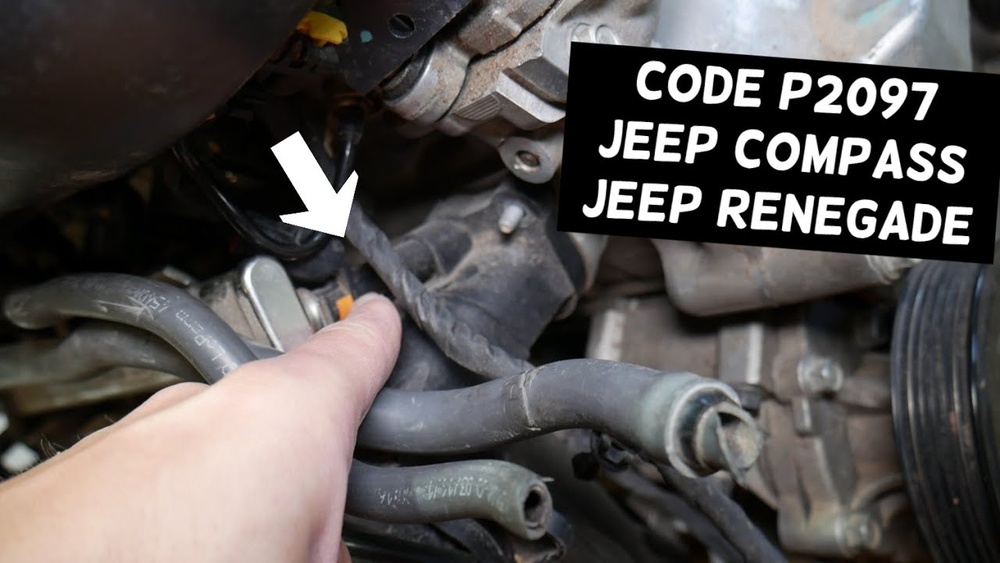
Next, perform a thorough visual inspection under the hood. Look for damaged or disconnected vacuum lines, cracked hoses, and loose electrical connectors.
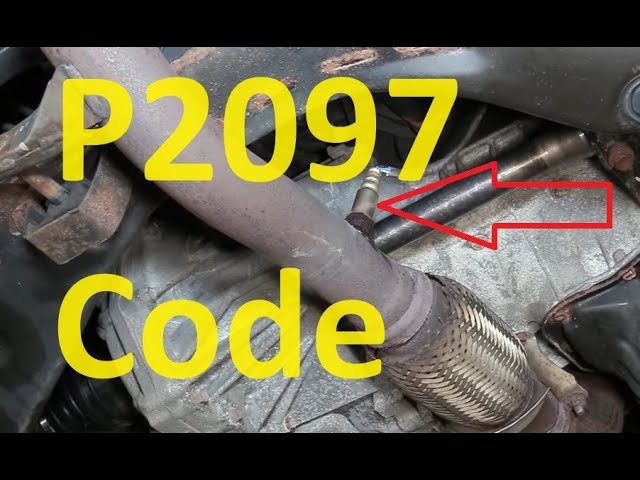
Check the exhaust system for leaks or damage. Visual problems often cause the P2097 code.
Fix any visible issues before moving to advanced tests.
Using Diagnostic Tools
Use an OBD-II scanner to read the trouble codes and freeze frame data. This data shows engine conditions when the code triggered. Scan for other related codes that might indicate additional issues. Advanced diagnostic tools provide live sensor data to monitor engine performance in real time.
Fuel System Pressure Tests
Check the fuel system pressure to ensure it meets specifications. Low or high pressure can cause improper fuel mixture and trigger the P2097 code.
Use a fuel pressure gauge to measure pressure at the fuel rail. Compare the readings to Jeep’s service manual values to identify leaks or pump issues.
Sensor Function Testing
Test the oxygen sensors and air-fuel ratio sensors for proper operation. Faulty sensors can send incorrect data to the engine control module.
Use a multimeter or scan tool to check sensor voltage and response times. Replace any sensor that shows slow or no response to changes in exhaust gases.
Common Causes
Effective repairs for the P2097 Jeep Grand Cherokee focus on addressing issues causing poor engine performance. These repairs restore fuel efficiency, smooth idling, and reduce harmful emissions.
Timely fixes help avoid further damage to engine parts and the catalytic converter.
Replacing Faulty Oxygen Sensors
Oxygen sensors monitor the air-fuel mixture in the engine. A faulty sensor sends wrong data to the engine control module (ECM).
Replacing bad oxygen sensors helps restore correct fuel mixture and improves engine running. This fix reduces emissions and prevents rough idling or hesitation.
Fixing Or Replacing Fuel Injectors
Fuel injectors spray fuel into the engine cylinders. Leaking or clogged injectors cause too much or too little fuel delivery.
Fixing or replacing these injectors balances fuel supply and improves combustion. Proper injector function reduces engine stalling and rough acceleration.
Repairing Vacuum Leaks
Vacuum leaks let extra air enter the engine uncontrolled. This affects fuel mixture and engine timing.
Repairing vacuum leaks seals the system, stabilizing idle and improving throttle response. It also lowers emissions and prevents engine hesitation during acceleration.
Ecm Reflashing Or Replacement
The engine control module (ECM) manages engine functions using software. Reflashing updates the ECM software to fix bugs or improve performance.
In some cases, replacing the ECM is necessary if it is faulty. Both ensure the engine runs with correct fuel and timing settings.
Exhaust System Repairs
Exhaust leaks or damaged catalytic converters cause poor engine performance. Repairing or replacing parts of the exhaust system restores proper gas flow and emission control.
This fix reduces engine noise, improves fuel efficiency, and lowers harmful tailpipe emissions.
Diagnostic Steps
Getting expert advice on the P2097 Jeep Grand Cherokee can save time and money. Understanding the issue helps you act fast and avoid bigger problems.
The P2097 code often relates to fuel mixture problems. Knowing when to seek professional help is key to keeping your Jeep running smoothly.
When To Visit A Dealer
Visit a dealer if the Check Engine Light stays on after basic checks. Dealers have special tools to read and clear codes.
They can update your Jeep’s software to fix known issues. If your Jeep shows poor performance or fuel economy, a dealer visit is wise.
Dealers also offer warranty-covered repairs for certain problems.
Choosing A Trusted Mechanic
Pick a mechanic who knows Jeep vehicles well. Ask for recommendations from friends or online reviews.
Make sure the mechanic uses quality parts for repairs. A trusted mechanic explains the problem and repair steps clearly.
Avoid shops that rush or give vague answers.
Using Online Forums And Resources
Online Jeep forums can provide helpful tips and shared experiences. Look for threads about the P2097 code to see how others fixed it.
Use reliable websites like AutoZone or RepairPal for guides and troubleshooting. Forums help you understand if a problem is common or rare.
Understanding Repair Costs
Repair costs vary based on the issue’s complexity. Simple fixes like replacing sensors cost less.
More involved repairs, like fuel system work, are pricier. Always get a detailed estimate before approving work.
Knowing costs upfront helps you budget and avoid surprises.
Long-term Vehicle Care
Regular maintenance keeps your Jeep healthy and prevents codes like P2097. Change air filters and fuel filters on time.
Use quality fuel and keep the engine tuned. Watch for early signs like rough idling or poor acceleration.
Early care saves money and extends vehicle life.

Conclusion
The P2097 code signals a rich fuel mixture in your Jeep Grand Cherokee. This can cause poor fuel economy and engine issues.
Act quickly to prevent damage to key parts like the catalytic converter. Simple checks can help find the problem, but expert help may be needed.
Regular maintenance keeps your vehicle running smoothly and saves money. Stay alert to warning signs and address them soon.
Your Jeep deserves care for a long, trouble-free drive.