If you own a 2014 Jeep Wrangler and have recently seen the P2096 trouble code pop up, you’re probably wondering what it means and how it affects your ride.
This code signals that your Wrangler’s engine is running too lean—meaning there’s too much air and not enough fuel in the mix.
That might not sound like a big deal, but ignoring it could lead to poor performance, decreased fuel efficiency, or even engine damage.
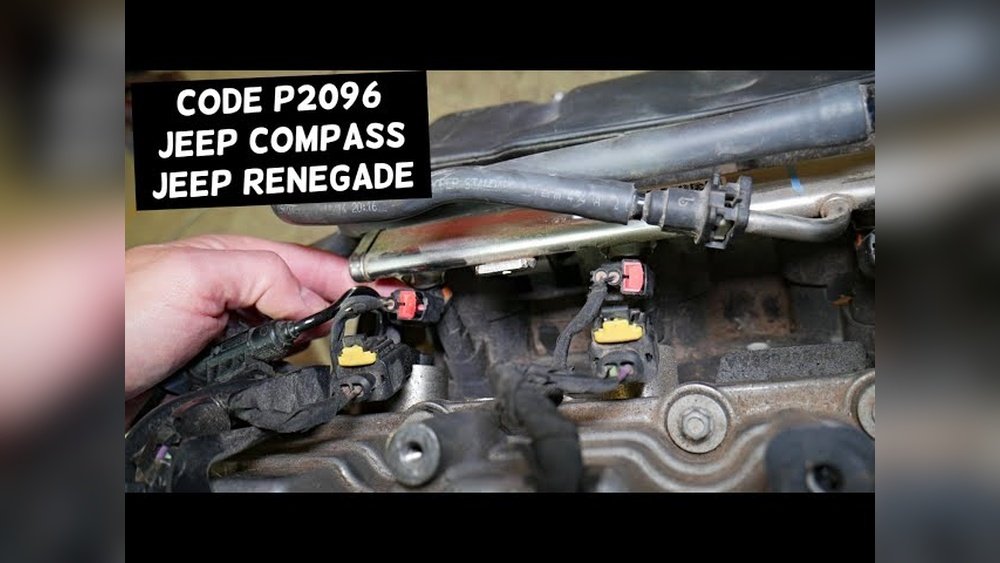
You’ll discover the common causes behind the P2096 code, simple ways to diagnose the issue, and effective steps to get your Jeep running smoothly again.
Keep reading to protect your vehicle and keep your adventures on the road!
Symptoms Of P2096 Code
The P2096 code in a 2014 Jeep Wrangler signals a problem with the fuel system. This code means the engine is running too lean after the catalytic converter. It affects how your Jeep drives and feels. Recognizing the symptoms early can help prevent bigger issues.
Engine Performance Issues
The engine may hesitate or stumble during acceleration. You might notice rough idling or stalling.
Sometimes, the Jeep can feel sluggish or lose power. These symptoms happen because the engine is not getting the right air-fuel mix.
Check Engine Light Indicators
The check engine light often comes on with this code. It may flash or stay steady on the dashboard.
This warning tells you the vehicle’s computer found a problem. Ignoring this light can lead to more serious damage.
Fuel Efficiency Impact
Your Jeep may use more fuel than usual. The lean condition forces the engine to work harder.
This reduces miles per gallon and increases fuel costs. Fixing the P2096 code can restore normal fuel economy.
Common Causes
The P2096 code on a 2014 Jeep Wrangler means the engine runs too lean. This happens when there is too much air and not enough fuel in the mix.
Several issues cause this problem. Identifying the root cause helps fix the code quickly and avoid damage.
Vacuum And Intake Leaks
Air leaks in the vacuum system or intake manifold let extra air into the engine. Cracked rubber hoses, loose clamps, or damaged gaskets are common sources.
This unmetered air causes the engine to run lean. Checking these parts for cracks or loose fittings often finds the problem.
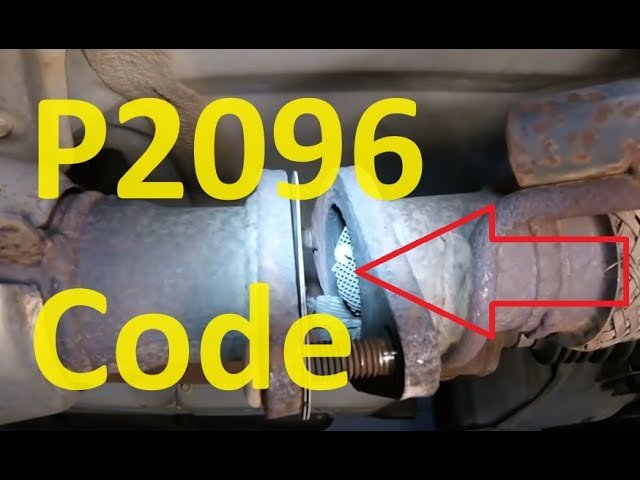
Exhaust Manifold Cracks
Cracks in the exhaust manifold or leaking gaskets allow outside air to enter the exhaust stream. This air confuses the oxygen sensors and causes incorrect readings.
Small cracks can cause a lean condition and trigger the P2096 code. Listening for hissing sounds near the manifold can help detect leaks.
Faulty Oxygen Sensors
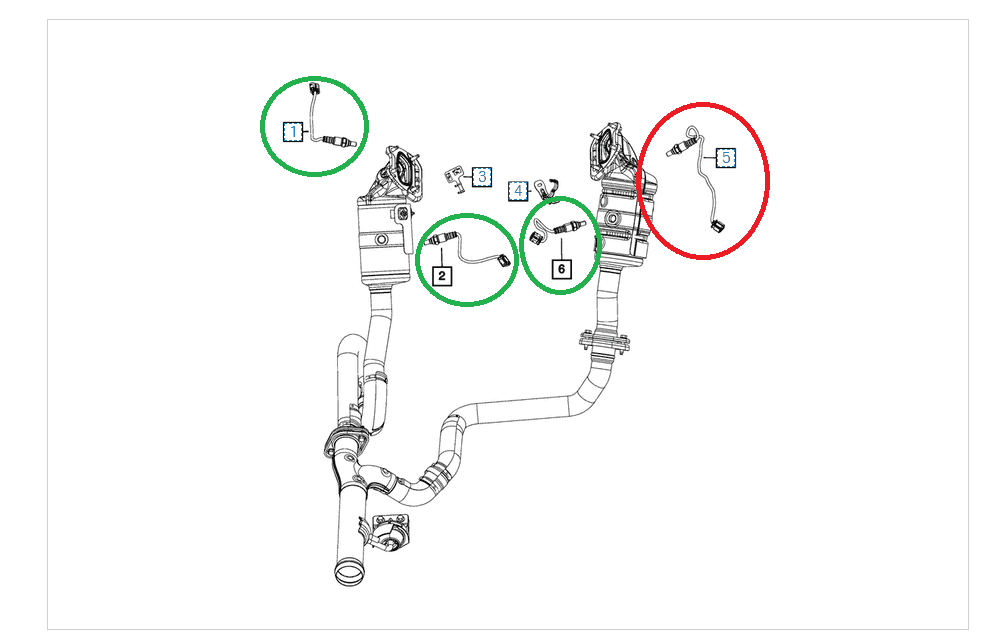
Oxygen sensors measure the oxygen level in exhaust gases. Faulty sensors send wrong data to the engine control unit.
This causes incorrect fuel adjustments and a lean running condition. Sensors that are old or damaged fail to work properly and may need replacement.
Contamination And Sensor Damage
Oil or coolant leaks can contaminate oxygen sensors. A bad valve cover gasket may drip oil onto the sensor.
Contaminated sensors lose accuracy and cause the engine to run lean. Cleaning or replacing the sensors is necessary to restore proper function.
Diagnosing The Problem
Diagnosing the P2096 code on a 2014 Jeep Wrangler requires a careful and systematic approach. This code signals that the engine runs too lean after the catalytic converter.
Finding the root cause helps avoid engine damage and improves performance. Follow these steps to identify the issue clearly.
Inspecting Intake Hoses And Gaskets
Check the intake hoses for cracks or loose clamps. Air leaks here cause unmetered air to enter the engine.
Look at the throttle body gasket and intake manifold gaskets. Any damage or looseness can lead to a lean condition.
Replace or tighten parts as needed to seal the system properly.
Checking For Exhaust Leaks
Listen for ticking or hissing noises near the exhaust manifold and flanges. These sounds often indicate leaks.
A small crack or loose bolt can let fresh air in, confusing the oxygen sensors. Tighten bolts and replace damaged parts to stop leaks. This ensures the exhaust system works correctly.
Testing Oxygen Sensor Voltage And Circuit
Use a multimeter to test the oxygen sensor’s voltage and wiring. The sensor should show fluctuating voltage between 0.1 and 0.9 volts.
A steady or no signal means a faulty sensor or wiring issue. Replace the sensor or repair wiring faults to restore accurate readings.
Using Diagnostic Tools And Scanners
Plug a diagnostic scanner into the Jeep’s OBD-II port. Read live data from sensors and view stored trouble codes.
This tool helps confirm the P2096 code and monitor sensor behavior in real-time. Use the scanner to clear codes after repairs and verify the problem is fixed.
Step-by-step Fixes
Fixing the P2096 code on your 2014 Jeep Wrangler requires clear, direct steps. This code points to a lean running condition, meaning the engine gets too much air or too little fuel.
Solving this involves checking parts that affect air and fuel flow.
Each fix targets a specific cause. Follow these steps to find and solve the problem.
Start with the easiest checks and move to more detailed repairs. This approach saves time and money.
Repairing Or Replacing Vacuum Leaks
Vacuum leaks let extra air enter the engine. This unmeasured air causes a lean condition.
Inspect rubber hoses and intake gaskets for cracks or holes. Replace any damaged parts.
Tighten loose clamps or connections to stop leaks. Use a spray of soapy water or carb cleaner on hoses while the engine runs.
If the idle speed changes, a leak is present.
Tightening Or Replacing Exhaust Components
Leaks in the exhaust system can confuse oxygen sensors. Listen for ticking or hissing sounds near the exhaust manifold and flanges.
Tighten loose bolts or nuts to seal leaks. If parts are cracked or rusted, replace them.
A proper seal ensures accurate sensor readings and better engine performance.
Cleaning Or Swapping Oxygen Sensors
Oxygen sensors measure exhaust gases to adjust fuel delivery. Sensors can get dirty or fail over time.
Clean the sensors carefully to remove buildup. If cleaning does not help, replace the faulty sensor.
New sensors help the engine run smoothly and reduce error codes.
Resetting The Engine Control Module
The Engine Control Module (ECM) stores error codes and controls engine functions. After repairs, resetting the ECM clears old codes.
Disconnect the battery for about 15 minutes to reset the system. Reconnect and start the engine.
This step helps the ECM relearn proper settings and confirms if the fix worked.
Preventive Maintenance Tips
Preventive maintenance keeps your 2014 Jeep Wrangler running smoothly. It helps avoid costly repairs and improves engine life.
Simple checks and timely care can prevent common issues linked to the P2096 error code. Focus on key areas to maintain your Jeep’s health and performance.
Regular Inspection Of Hoses And Seals
Check all hoses and seals for cracks or leaks regularly. Damaged hoses let unmetered air enter the engine, causing the P2096 error.
Look for loose clamps and worn rubber parts. Replace any damaged hoses or seals immediately to maintain proper engine air flow.
Keeping Sensors Clean And Functional
Dirty sensors can send wrong signals and trigger engine codes. Clean sensors gently with appropriate cleaners.
Avoid harsh chemicals that can damage delicate parts. Keeping sensors clean ensures accurate data for the engine control unit, preventing false error codes like P2096.
Timely Replacement Of Worn Parts
Replace worn parts such as gaskets, clamps, and valves on time. Old parts cause leaks and poor engine performance.
Follow the Jeep Wrangler’s service schedule to swap parts before they fail. Timely replacements keep the engine running efficiently and reduce error risks.
Monitoring Engine Performance
Track your engine’s performance through regular diagnostics. Use an OBD-II scanner to check for any trouble codes like P2096 early. Pay attention to changes in idle, acceleration, or fuel efficiency. Early detection helps fix issues before they worsen or cause damage.
When To Seek Professional Help
Knowing when to seek professional help for your 2014 Jeep Wrangler with a P2096 code is crucial. Some problems require expert skills and tools to diagnose and fix.
Ignoring these signs can lead to bigger issues and costly repairs. Understanding the limits of DIY repairs can save time and money.
Complex Electrical Issues
The P2096 code may involve complicated electrical problems. Faulty sensors or wiring need careful inspection.
Professionals have the right tools to test electrical circuits safely. A small mistake can cause more damage. Leave complex electrical work to trained technicians.
Persistent Engine Codes
If the P2096 code keeps returning after repairs, it signals a deeper problem. Simple fixes may only hide the symptoms temporarily.
Persistent codes require thorough testing and analysis. Experts can trace the root cause accurately.
They ensure long-term solutions instead of quick fixes.
Advanced Diagnostic Requirements
Some issues behind the P2096 code need advanced diagnostics. Specialized scanners and software reveal hidden faults.
Professionals know how to interpret detailed data correctly. They can perform tests beyond basic OBD-II readers.
Advanced diagnostics help avoid guesswork and wrong repairs.

Frequently Asked Questions
How To Fix P2096 Code Jeep Wrangler?
To fix P2096 on a Jeep Wrangler, inspect for vacuum or intake leaks, check exhaust and gasket seals, and replace faulty oxygen sensors. Tighten loose bolts and clean damaged components to restore proper air-fuel mixture and resolve the lean condition.
What Causes A P2096 Error Code?
A P2096 error code occurs due to a small crack or leak in the intake or exhaust manifold. This leak causes unmetered air to enter, creating a lean air-fuel mixture.
It may also result from faulty oxygen sensors or vacuum leaks affecting engine performance.
What Is The Code P2096 On A 2014 Jeep Jk?
Code P2096 on a 2014 Jeep JK means the post-catalyst fuel trim system is too lean. Check for vacuum leaks, exhaust leaks, or faulty oxygen sensors.
How Long Can I Drive With A P2096 Code?
Driving with a P2096 code is risky; limit driving to essential trips only. Repair the issue promptly to avoid engine damage.
Conclusion
The P2096 code on a 2014 Jeep Wrangler signals a lean condition after the catalytic converter. Check for vacuum leaks, damaged sensors, or exhaust issues.
Fixing these helps maintain engine performance and fuel efficiency. Regular inspections can prevent this problem from worsening.
Stay attentive to your Wrangler’s signals for smooth driving.