If you drive a Jeep and have recently seen the P1634 code pop up on your dashboard, you’re probably wondering what it means and how it could affect your ride.
This code points to an issue with your vehicle’s Transmission Control Module (TCM), which plays a key role in how smoothly your Jeep shifts gears.
Ignoring it could lead to rough gear changes, warning lights, or even your Jeep going into “limp mode,” limiting your driving ability.
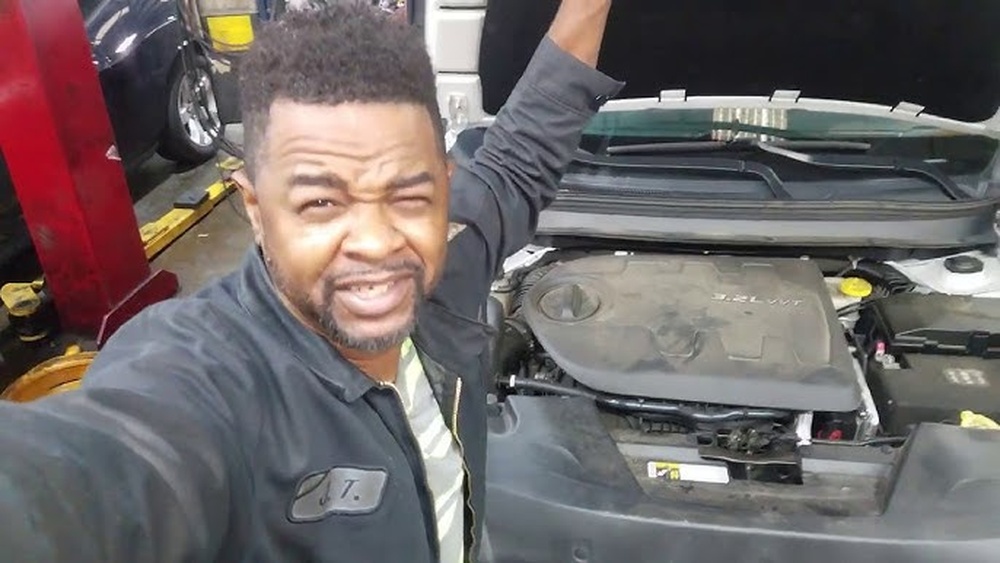
But don’t worry you’re in the right place to understand what triggers this code, what symptoms to watch for, and the smart steps you can take to fix it without unnecessary expense.
Keep reading to learn exactly how to get your Jeep back to its best performance.
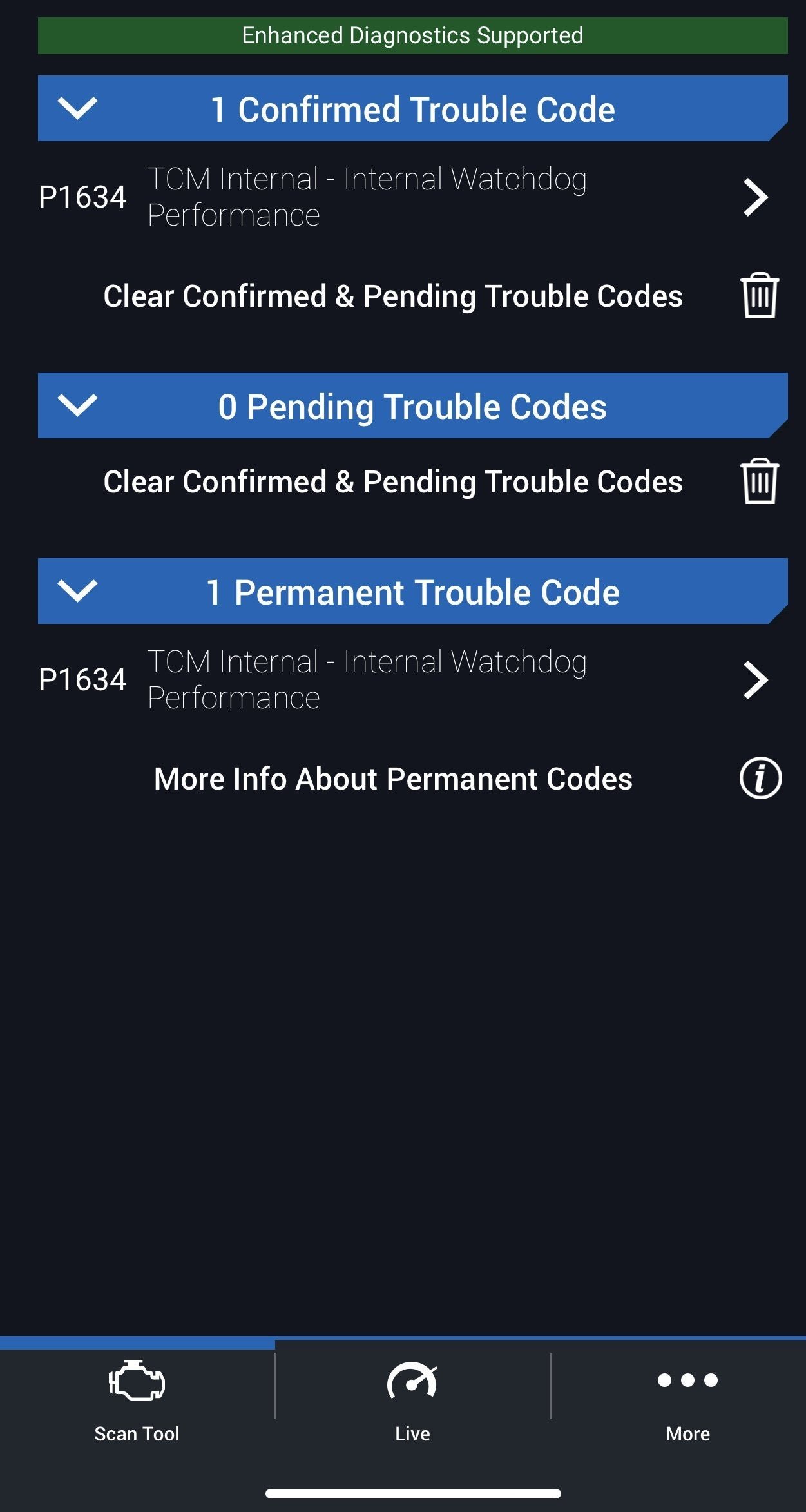
P1634 Code Basics
The P1634 code is a common issue in Jeep vehicles related to the Transmission Control Module (TCM). Understanding its basics helps in diagnosing and fixing the problem quickly.
This code signals a fault inside the TCM hardware that controls transmission functions.
Knowing what triggers this code and recognizing symptoms makes repairs more straightforward. This section explains the meaning of the P1634 code and the usual signs Jeep owners notice when this problem occurs.
What P1634 Means
The P1634 code means there is a hardware failure inside the TCM. This module controls the transmission’s shifting and performance.
When the TCM detects an internal fault, it triggers the P1634 code. The vehicle’s computer alerts the driver to prevent further damage.
This code does not usually mean the transmission itself is broken. It points to an internal electronic or software issue within the TCM.
Fixing it often involves checking the battery, wiring, or updating the TCM software.
Common Symptoms
Several signs show that the P1634 code may be active. The vehicle might clunk harshly when shifting gears.
Drivers often feel sudden jolts or rough gear changes. The Jeep may also display a “Service Transmission” warning on the dashboard.
Another symptom is the vehicle entering “limp mode.” Limp mode limits the vehicle’s speed and shifts to protect the transmission. This mode makes driving difficult and warns the driver to seek service. Early detection helps avoid costly transmission repairs.
Battery And Voltage Checks
Resetting the transmission system of your Jeep can often resolve common issues linked to the P1634 error code. This code usually points to problems with the Transmission Control Module (TCM).
Resetting the system helps clear temporary faults and restores normal function.
Performing a reset can be a simple way to fix shifting problems and warning lights without replacing parts. It also allows the vehicle’s computer to relearn optimal transmission settings.
Two main methods exist for resetting the transmission system: resetting the TCM manually and clearing codes with diagnostic tools.
Resetting The Transmission Control Module
Resetting the TCM involves disconnecting the battery to erase stored memory. Start by turning off the ignition and removing the key.
Disconnect the negative battery cable and wait for about 15 minutes. This pause allows the TCM to clear its adaptive data.
After waiting, reconnect the battery cable securely. Turn the ignition on but do not start the engine immediately.
Wait a few seconds, then start the Jeep. This process resets the transmission’s learning and may clear minor faults causing the P1634 code.
Clearing Codes With Diagnostic Tools
Using an OBD-II scanner is another effective way to reset the transmission system. Connect the scanner to the Jeep’s diagnostic port, usually located under the dashboard.
Turn the ignition to the on position without starting the engine.
Access the scanner’s menu to read stored codes. Select the option to clear or erase codes.
This action removes error codes like P1634 from the TCM’s memory. After clearing, turn off the ignition and disconnect the scanner.
Start the Jeep and check if the transmission operates smoothly.
Transmission Control Module (tcm)
Knowing when to seek professional help for your P1634 Jeep issue is important. Some problems need expert tools and experience.
Trying to fix complex problems alone may cause more damage. This section helps you understand the best times to trust professionals.
Using Dealer Services
Dealers have direct access to Jeep’s official tools and updates. They can run detailed diagnostics on your Jeep’s transmission.
Dealers often receive the latest software updates from Jeep. These updates can fix known issues linked to the P1634 code.
Visiting a dealer ensures repairs follow manufacturer guidelines. Dealers also provide warranty coverage on repairs.
Mechanic Diagnostics
Certified mechanics use specialized scan tools to read transmission codes. They can spot hidden issues that simple code readers miss.
A mechanic will test battery voltage and check wiring condition. They can also inspect the transmission fluid level and quality.
Mechanics offer hands-on experience with Jeep transmissions. Their expertise helps avoid unnecessary part replacements.
Technical Service Bulletins
Technical Service Bulletins (TSBs) are important repair notices from Jeep. TSBs often include fixes for the P1634 transmission fault.
Professionals have access to these bulletins and apply recommended repairs. TSBs may suggest checking wiring harnesses for corrosion.
They also provide instructions for software updates and hardware inspections. Following TSBs can save time and money on repairs.

Conclusion
The P1634 Jeep code points to transmission control issues. Check your battery and connections first.
Keep your TCM software updated for smooth shifts. Address wiring or fluid concerns if problems persist.
Regular maintenance helps avoid costly repairs later. Understanding this code can save time and money.
Stay attentive to your Jeep’s signals for safer driving.