If you own a Jeep, especially a Grand Cherokee or Wrangler, you might have come across the dreaded P1492 code. This little warning can cause big headaches, affecting your vehicle’s charging system and leaving you wondering what’s wrong.
But don’t worry understanding what the P1492 Jeep code means and how to fix it can save you time, money, and stress.
You’ll learn why this code pops up, what parts are involved, and the simple steps you can take to get your Jeep back on the road smoothly.
Keep reading, because your Jeep’s health depends on it!
P1492 Jeep Code Basics
The P1492 code is important for Jeep owners to understand. It relates to the battery temperature sensor, a small but vital part of your vehicle’s system.
This sensor monitors the battery’s temperature and sends information to the powertrain control module (PCM). Knowing the basics of the P1492 Jeep code helps you recognize issues early.
It aids in maintaining your Jeep’s performance and avoiding more serious problems.
What P1492 Means
The P1492 code means the battery temperature sensor voltage is too high. This sensor tells the PCM how hot or cold the battery is.
If the sensor voltage is too high, it shows a problem. The sensor may be faulty, or there could be a wiring issue.
The PCM may not get the right temperature data, affecting how the vehicle charges the battery.
Common Symptoms
When the P1492 code appears, several symptoms may show up. The battery may not charge properly, leading to starting problems.
The engine might stall or have trouble running smoothly. You may notice the battery warning light on the dashboard.
Sometimes, the Jeep’s electrical system acts strangely because of wrong temperature signals.
Why It Matters
The battery temperature sensor helps protect the battery and electrical system. Incorrect sensor data can cause the alternator to overcharge or undercharge the battery.
Overcharging may damage the battery or reduce its life. Undercharging can leave you with a dead battery and a Jeep that won’t start.
Fixing P1492 issues keeps your Jeep reliable and prevents costly repairs.
Battery Temperature Sensor Role
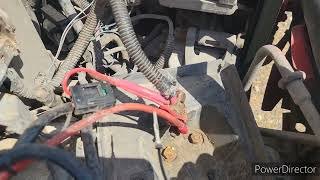
Battery temperature sensor problems can cause charging issues in your Jeep. The sensor monitors battery heat to help control the alternator’s charge rate.
Faulty sensors may send wrong signals, leading to overcharging or undercharging. Fixing these problems restores proper battery function and vehicle performance.
Replacing The Sensor
Start by locating the battery temperature sensor near the battery. Disconnect the negative battery cable for safety.
Unplug the sensor connector carefully. Remove any screws or clips holding the sensor.
Install the new sensor in the same spot. Reconnect the sensor connector and battery cable.
Test the system to ensure the error clears.
Repairing Wiring Harness
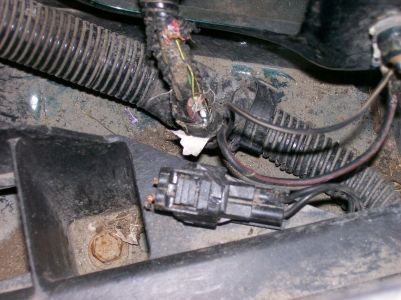
Inspect the wiring harness for cuts or damage. Look for loose or corroded connectors.
Use a multimeter to check for continuity in the wires. Repair damaged wires with electrical tape or heat shrink tubing.
Replace connectors if they are corroded or broken. Secure the wiring harness to prevent future damage. Clear codes and verify the repair worked.
Resetting The System
After repair or replacement, reset the vehicle’s computer. Disconnect the negative battery cable for about 15 minutes.
This clears stored error codes in the powertrain control module. Reconnect the battery cable and start the engine.
Use a scan tool to check for new or persistent codes. Resetting often resolves sensor-related warning lights.
Diagnosing P1492 Issues
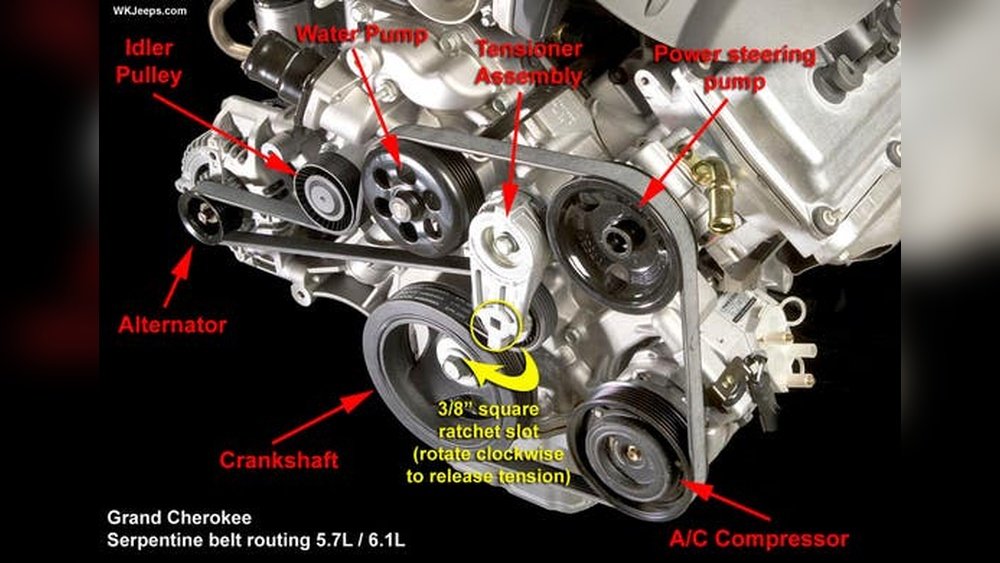
The alternator and battery are crucial parts of your P1492 Jeep’s electrical system. They work together to keep your vehicle running smoothly. Regular checks can prevent unexpected breakdowns.
Testing these components ensures your Jeep charges properly. It also helps avoid issues linked to power loss or starting problems.
Understanding these checks saves time and money on repairs.
Testing Alternator Function
Use a multimeter to test the alternator’s output voltage. The voltage should read between 13.8 and 14.4 volts while the engine runs. Lower or higher values indicate alternator problems.
Listen for unusual noises from the alternator. Squealing or grinding sounds may mean worn bearings or belts.
These issues affect the alternator’s ability to charge the battery.
Battery Health Assessment
Check the battery voltage with the engine off. A healthy battery shows around 12.6 volts or more.
A lower reading suggests the battery is weak or failing.
Inspect battery terminals for corrosion or loose connections. Clean and tighten them to ensure proper electrical contact. Corrosion can block the flow of electricity.
Test the battery’s capacity with a load tester. This test reveals how well the battery holds a charge.
Replace the battery if it fails to maintain voltage under load.
Effect On Charging System
A faulty alternator or battery affects the entire charging system. The battery may not get enough charge, causing it to drain quickly.
This can lead to starting problems or electrical failures.
Overcharging from a bad alternator can damage the battery and other components. It shortens battery life and can cause warning lights to appear on the dashboard.
Regular checks keep the charging system balanced. This ensures reliable power for your Jeep’s electrical needs. Avoid costly repairs by addressing issues early.
Fixing Battery Temperature Sensor Problems
Experiencing a no-start condition in your Jeep with a P1492 code can be frustrating. This problem often points to issues with sensors or other engine components.
Troubleshooting these no-start conditions involves checking sensor signals and other common causes. Simple fixes may restore your Jeep’s start-up function quickly.
How Sensor Faults Cause No-start
The P1492 code relates to the battery temperature sensor. This sensor sends data to the engine control module (ECM).
If the sensor fails or sends wrong signals, the ECM may stop the engine from starting. The system tries to protect the battery and engine from damage.
A faulty sensor can cause the ECM to reduce the alternator’s charge rate. This leads to low battery voltage.
Low voltage means the engine may crank but fail to start. Sometimes, the sensor wiring shorts or breaks, causing the same issue.
Other Common Causes
Besides sensor faults, other reasons may cause a Jeep no-start. A weak or dead battery is a common cause.
Check battery terminals for corrosion or loose connections. The starter motor or ignition switch may also fail.
Fuel system problems can stop the engine from starting. This includes clogged fuel filters or a failing fuel pump.
Engine control module issues or blown fuses might also block the start-up process.
Quick Fixes To Try
Begin by checking the battery voltage with a multimeter. Clean and tighten battery terminals.
Replace the battery if it shows weak voltage. Inspect the battery temperature sensor and its wiring for damage.
Reset the ECM by disconnecting the battery for 10 minutes. Reconnect and try starting the engine again.
If the P1492 code returns, consider replacing the sensor. Testing the starter and ignition switch may also help.
Alternator And Battery Checks
The P1492 code on a Jeep often puzzles many owners. Finding the right support is key to fixing it fast.
Community and expert resources offer valuable guidance. They connect Jeep owners with others facing similar issues.
These resources provide practical tips and clear instructions. Access to shared knowledge makes repairs easier and less stressful.
Jeep Forums And Groups
Jeep forums and groups host active discussions about the P1492 code. Members share personal experiences and solutions. These communities include JeepForum, Jeep Wrangler Forum, and NAXJA. You can ask questions and get detailed answers. Reading posts helps understand common causes and fixes. Forums offer step-by-step advice from Jeep enthusiasts and experts.
Helpful Youtube Tutorials
YouTube offers many tutorials focused on Jeep P1492 issues. Videos show how to locate and replace the battery temperature sensor.
Visual guides simplify complex repair tasks. Channels like Torque Power Video and Alpha-Works-Tx provide clear instructions.
Watching these tutorials builds confidence for DIY repairs. You see tools, parts, and methods in action.
Professional Repair Advice
Professional mechanics provide expert advice on P1492 trouble codes. They explain diagnostic steps and repair options.
Mechanics recommend checking the battery temperature sensor wiring first. They warn about potential powertrain control module problems.
Expert advice ensures accurate diagnosis and safe repairs. Consulting a pro helps avoid costly mistakes and repeated issues.
Frequently Asked Questions
What Happens When A Battery Temperature Sensor Goes Bad?
A bad battery temperature sensor sends incorrect signals to the control module. This causes improper charging and potential battery damage.
It may lead to overcharging, undercharging, or starting issues. Replacing the faulty sensor restores accurate temperature readings and proper battery function.
What Is The P1494 Code For A Jeep?
The P1494 code for a Jeep indicates a "Battery Temperature Sensor Voltage Too High" issue. It means the sensor sends incorrect temperature data to the PCM.
This can cause charging problems, often due to a faulty sensor or wiring issue.
Replace or repair the sensor to fix it.
How To Tell If A Jeep Alternator Is Bad?
A bad Jeep alternator causes dim headlights, battery warning light, dead battery, and electrical issues. Test voltage output with a multimeter.
What Does The P1492 Code Mean On A Jeep?
The P1492 code indicates a problem with the battery temperature sensor circuit. It means the sensor is sending incorrect voltage readings to the engine control module, affecting charging and performance.
Conclusion
The P1492 Jeep code points to battery temperature sensor issues. This sensor helps control the alternator’s charge rate based on battery heat.
A faulty sensor can cause charging problems or engine trouble. Checking the sensor and its wiring is a good first step.
Replacing a bad sensor often fixes the issue. Regular maintenance helps avoid this error.
Understanding P1492 keeps your Jeep running smoothly. Stay alert to signs like battery warning lights or starting troubles.
Taking quick action saves time and money later.