If you’ve ever seen the P1281 code pop up on your Jeep’s dashboard, you know it can be confusing and a bit worrying. This code means your engine’s coolant isn’t reaching the right temperature within a set time, which can affect how your Jeep runs.
You might notice your engine not warming up properly or your temperature gauge acting strangely. But don’t worry understanding what causes this issue and how to fix it can save you time and money.
You’ll learn exactly what the P1281 Jeep code means, why it happens, and the simple steps you can take to get your Jeep back to running smoothly.
Keep reading, and you’ll be one step closer to solving the problem yourself.
P1281 Code Basics
The P1281 code on a Jeep signals a problem with the engine’s temperature control. This code means the engine stays cold longer than it should.
The system expects the engine to warm up quickly after starting. When it does not, the code triggers.
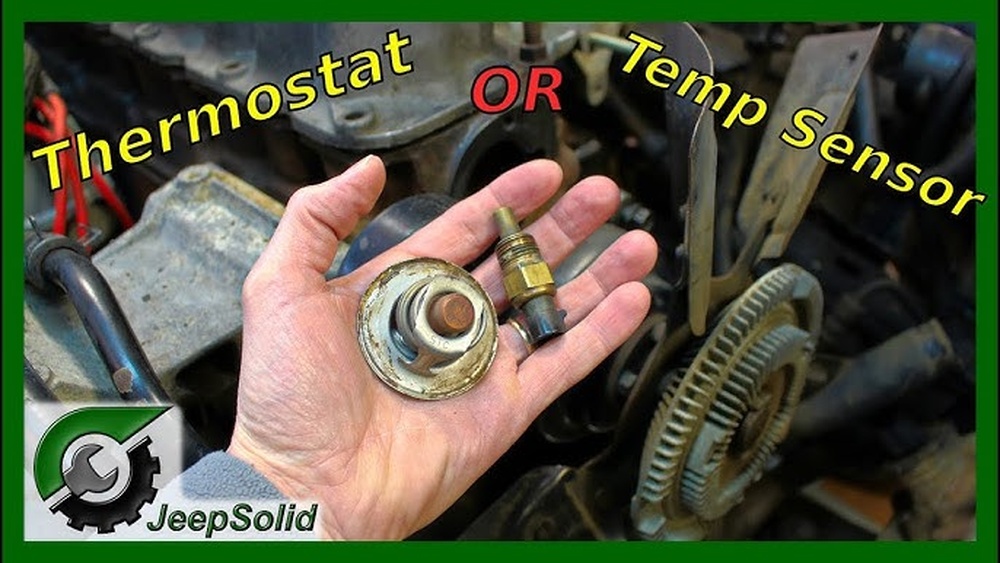
Understanding this code helps Jeep owners know what parts to check. It focuses on the thermostat and coolant temperature sensor.
Both parts play a key role in managing engine heat. Detecting issues early can prevent bigger problems.
What Triggers P1281
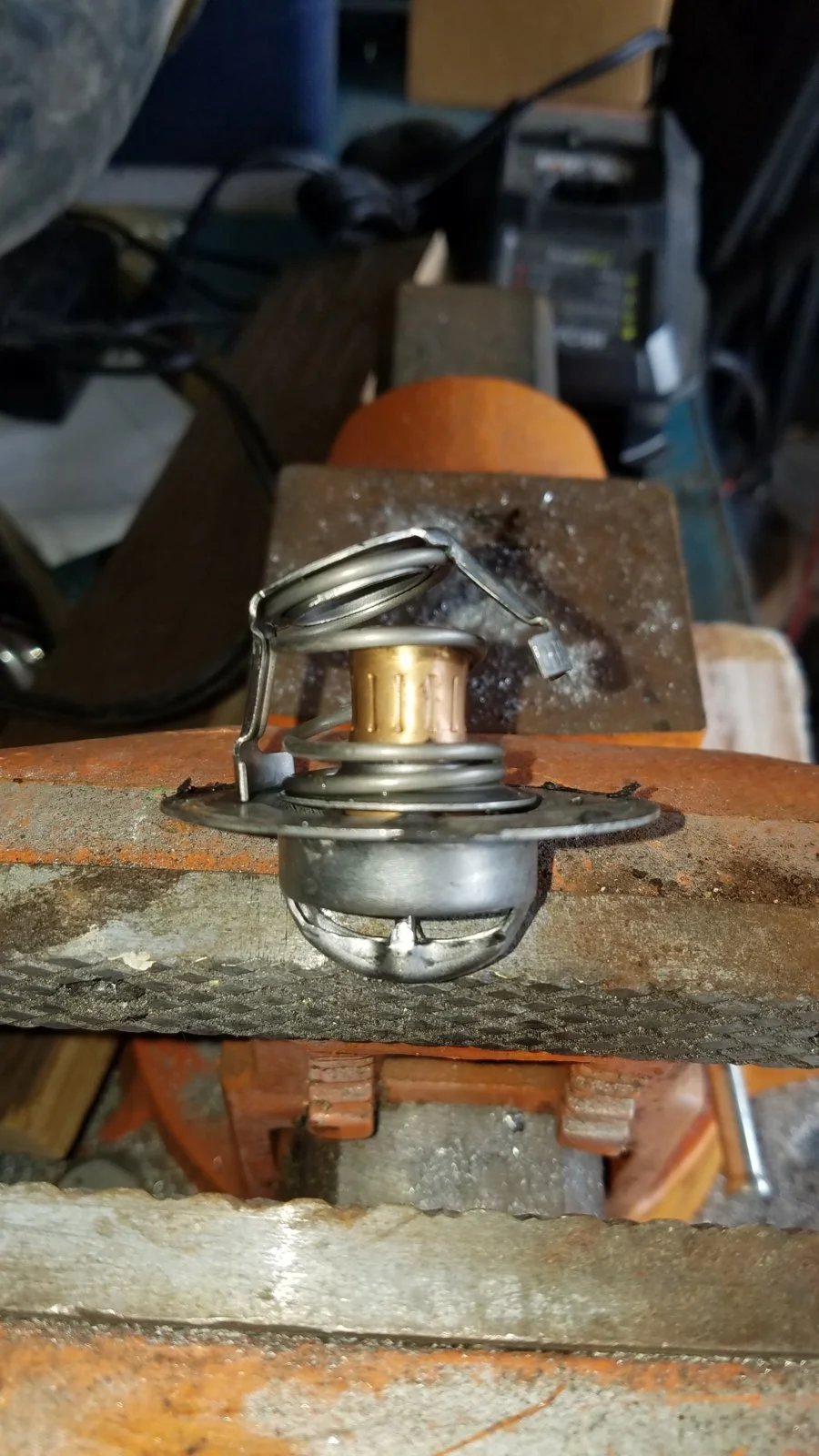
The P1281 code usually triggers when the thermostat sticks open. This keeps coolant flowing all the time.
The engine cannot reach the right temperature fast enough. A faulty coolant temperature sensor can also cause this code.
It may send wrong signals to the engine computer. Low coolant levels affect the system too.
Without enough coolant, the engine struggles to warm up.
Effects On Jeep Performance
When the P1281 code is active, Jeep performance changes. The engine runs colder than normal.
This can reduce fuel efficiency. The heater may blow cold air inside the cabin.
Engine parts may wear faster due to improper heat. The check engine light often stays on.
Ignoring this code can lead to engine damage.
Thermostat Issues
The P1281 Jeep code often relates to issues with the coolant temperature sensor. This sensor monitors the engine’s temperature and sends data to the vehicle’s computer.
If the sensor fails, it can cause engine performance problems. The engine may run too rich or too lean, affecting fuel efficiency and emissions.
Coolant temperature sensor problems can also cause the check engine light to come on. The engine might overheat or fail to reach the correct operating temperature.
Identifying and fixing sensor issues quickly helps prevent costly engine damage.
Faulty Sensor Signs
A faulty coolant temperature sensor can show several signs. The engine might run rough or stall unexpectedly.
You may notice poor fuel economy or increased emissions. The temperature gauge might jump erratically or stay at a low reading.
Sometimes, the check engine light will turn on. These symptoms suggest the sensor is not working properly.
Sensor Testing Methods
Testing the coolant temperature sensor involves checking its resistance and voltage. Use a multimeter to measure the sensor’s resistance at different temperatures.
Compare the readings with the manufacturer’s specifications. Another method is to monitor the sensor voltage signal with a scan tool.
If the readings are outside normal ranges, the sensor likely needs replacement.
Sensor Replacement Tips
Replacing the coolant temperature sensor requires some care. First, let the engine cool completely to avoid burns.
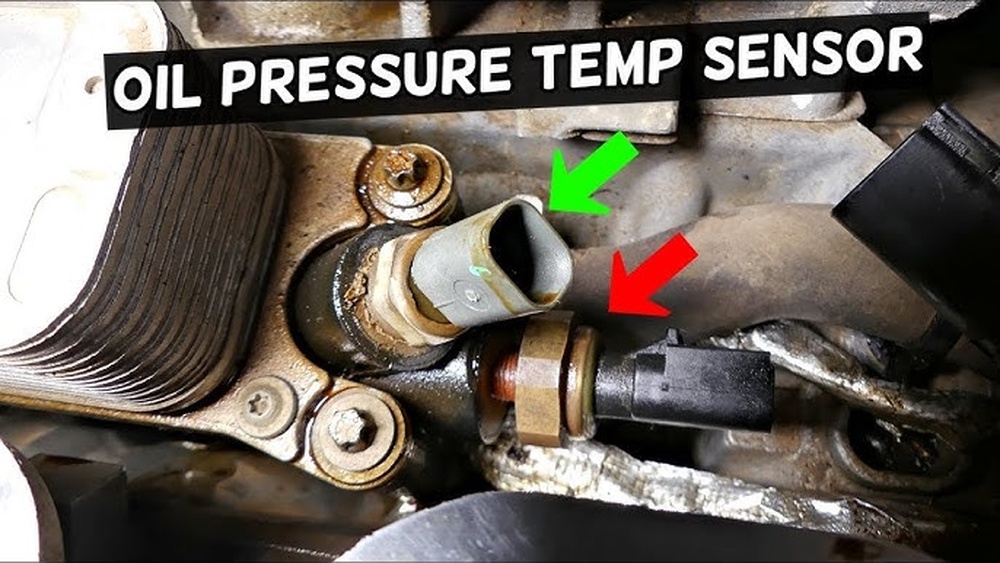
Locate the sensor near the thermostat housing or cylinder head. Disconnect the electrical connector and remove the old sensor with a wrench.
Apply thread sealant to the new sensor if needed. Screw it in gently and reconnect the electrical plug.
Finally, refill the coolant and check for leaks.
Coolant Temperature Sensor Problems
Facing the P1281 Jeep code can feel tricky. Quick checks can save time and money.
These steps help spot common issues fast. Follow them to find simple fixes before calling a mechanic.
Feeling The Radiator Hose
Start with a cold engine. Touch the upper radiator hose carefully.
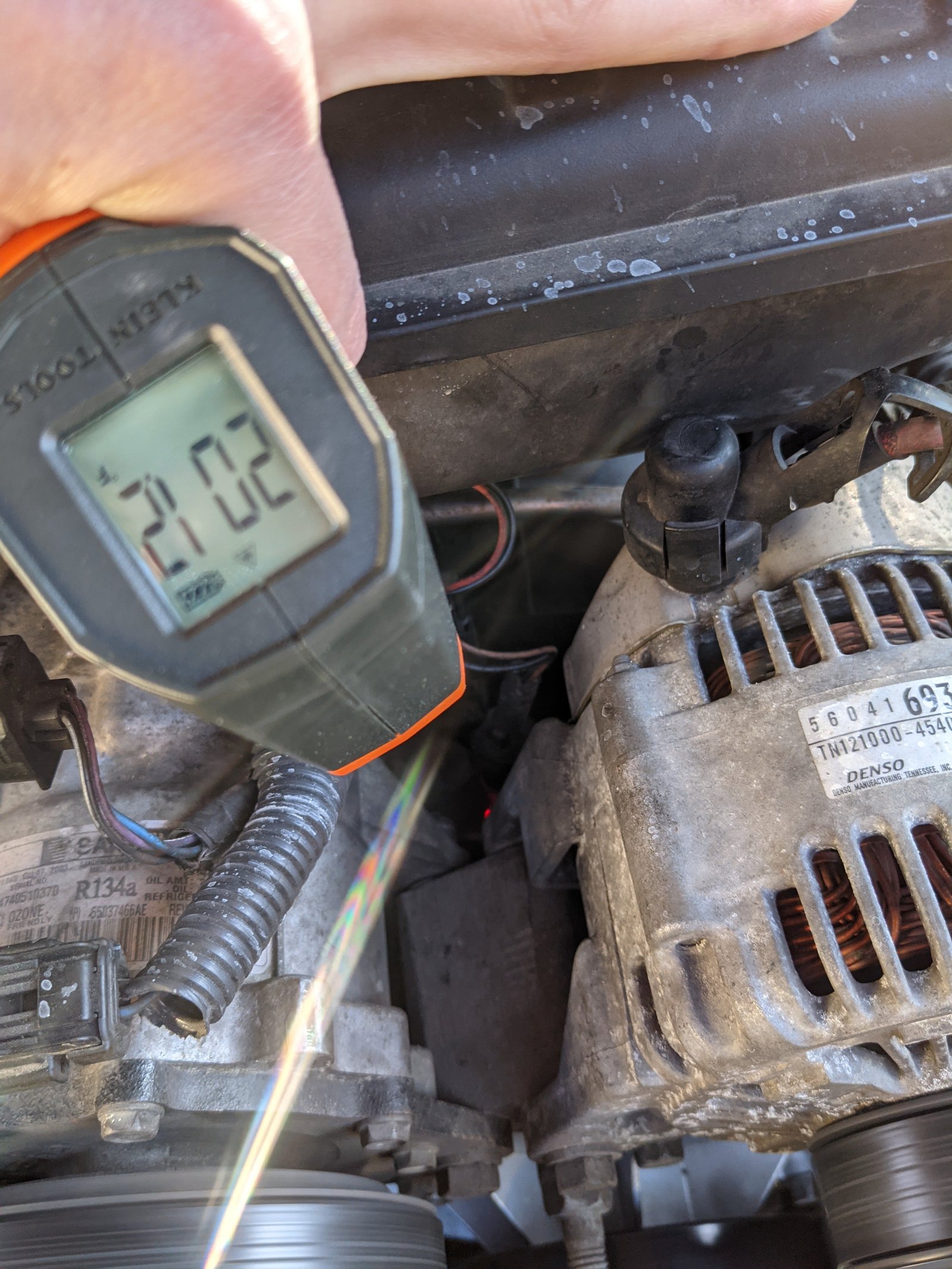
If it feels hot right away, the thermostat might be stuck open. A working thermostat keeps this hose cool until the engine warms up.
This test takes just a few minutes and shows if coolant flows too soon.
Cold Engine Checks
Check the coolant level next. Only open the radiator cap when the engine is cold.
Low coolant can cause the P1281 code. Make sure the fluid is full and clean.
Also, look for leaks or damaged hoses. These simple checks prevent bigger problems later.
Clearing The Code And Test Driving
Use an OBD-II scanner to clear the P1281 code. Then drive the Jeep normally. Watch the temperature gauge closely. If the code returns, the thermostat or sensor may need replacing. Test driving after clearing helps confirm if the issue is fixed.
Coolant Level And Circulation
Knowing when to seek professional help for your Jeep’s P1281 code can save time and money. Minor issues might be easy to fix at home.
Yet some problems need expert attention to avoid damage. Understanding the signs that require a mechanic’s skills is key to keeping your Jeep running smoothly.
Persistent P1281 Issues
If the P1281 code returns after simple fixes, it signals a deeper problem. Repeated attempts to clear the code without success need professional diagnosis.
Persistent issues can harm your engine and reduce fuel efficiency. A trained technician can identify hidden faults causing the error to reappear.
Advanced Diagnostics
Some P1281 problems require tools beyond basic scanners. Mechanics use specialized equipment to test sensors and thermostat functions accurately.
They check engine temperature and coolant flow precisely. These advanced diagnostics pinpoint the exact cause of the code.
This step is important when common fixes fail.
Repair Costs And Considerations
Professional repairs for P1281 may vary in cost depending on the issue. Thermostat or sensor replacements are usually affordable.
Complex problems involving the cooling system might be pricier. Getting a clear estimate helps plan your budget.
Choosing professional help ensures proper repair and saves future expenses.
What Is The Code P1281 On A Jeep?
Code P1281 on a Jeep means the engine stays cold too long. It usually indicates a stuck-open thermostat or a faulty coolant temperature sensor.
Check and replace the thermostat first, then test the coolant sensor if the issue persists. Low coolant levels can also cause this code.
How To Fix P1281?
Fix code P1281 by replacing a stuck-open thermostat or faulty coolant temperature sensor. Check and top off coolant levels first.
What Is P1281 Injection Control Pressure Out Of Range High?
P1281 means the injection control pressure is too high. It often indicates a faulty fuel pressure sensor or regulator.
Check fuel system components and sensor wiring for issues. Fixing these helps maintain proper fuel injection and engine performance.
Can You Drive A Jeep With A P0128 Code?
You can drive a Jeep with a P0128 code, but it may run inefficiently or use more fuel. Fix the thermostat or sensor soon.
Conclusion
The P1281 code in your Jeep points to thermostat or sensor issues. A stuck-open thermostat often causes the engine to stay cold too long.
Checking the coolant level and temperature sensor can help find the problem. Simple tests, like feeling the radiator hose, can guide you.
Fixing these parts keeps your Jeep running smoothly. Regular maintenance helps avoid these troubles.
Stay alert to warning signs and act quickly to save time and money. Your Jeep deserves proper care for safe and reliable driving.