If you’ve ever noticed your Jeep’s engine running unusually cold or seen the P1281 code pop up on your dashboard, you’re probably wondering what’s going on under the hood.
This code points to a problem where your engine isn’t reaching the right temperature within the expected time.
That might sound technical, but it directly affects how your Jeep performs and how efficiently it runs. Understanding what causes the P1281 code and how to fix it can save you time, money, and hassle down the road.
Keep reading to learn exactly what this code means, why it happens, and what steps you can take to get your Jeep back to running smoothly.
P1281 Code Basics
The P1281 code in Jeep vehicles signals a problem with engine temperature control. It points to the engine staying cold longer than it should.
This can affect engine performance and fuel efficiency. Understanding this code helps in quick diagnosis and repair.
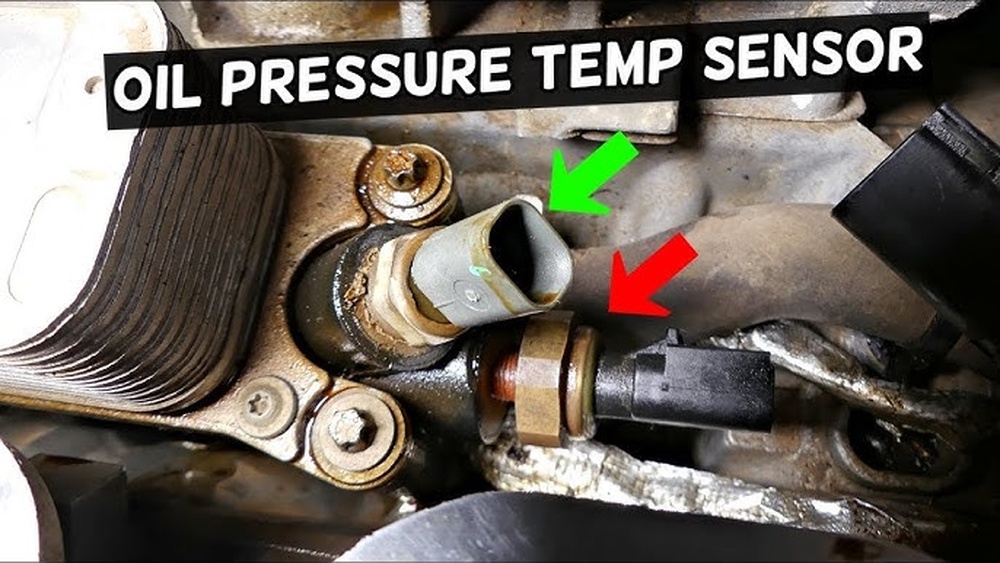
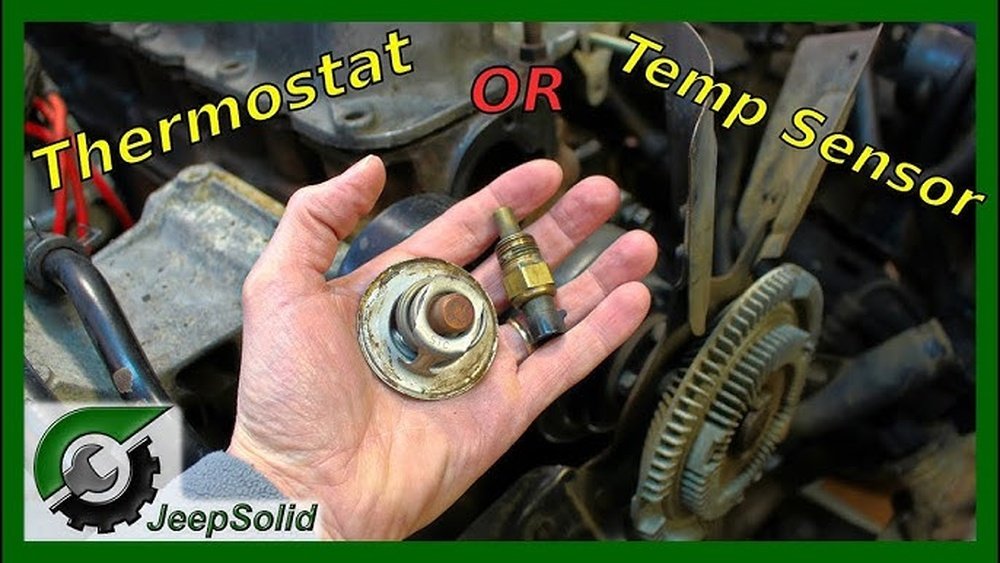
This code often relates to the thermostat or coolant temperature sensor. Both parts play key roles in managing engine heat.
When they fail, the engine may not reach the right temperature on time. This causes the P1281 code to appear.
What Triggers P1281
The most common cause is a thermostat stuck open. It lets coolant flow too soon, keeping the engine cold.
Another cause is a faulty coolant temperature sensor. It sends wrong signals to the engine control unit.
Low coolant levels can also trigger this code. Without enough coolant, the engine struggles to warm up properly.
Symptoms To Watch For
Watch for the engine taking too long to warm up. The temperature gauge may stay low or fluctuate oddly.
You might notice poor fuel economy or rough idling. Sometimes, the heater inside the vehicle won’t produce warm air.
These signs often mean the thermostat or sensor needs checking.
Thermostat Problems
The P1281 Jeep code often points to issues with the thermostat. The thermostat controls the engine’s temperature by regulating coolant flow.
Problems arise when it stops working correctly. This can lead to poor engine performance and increased wear.
Recognizing thermostat problems early helps avoid costly repairs.
A common problem is a stuck-open thermostat. This means the thermostat stays open and coolant flows continuously.
It prevents the engine from reaching its ideal operating temperature. The engine runs cold, leading to inefficient fuel use and higher emissions.
Understanding the effects of a stuck-open thermostat is key to fixing P1281 issues.
Stuck-open Thermostat Effects
A stuck-open thermostat causes the engine to run too cold. The temperature gauge may show below normal readings.
The heater may blow cold air even when the engine is warm. Fuel consumption can rise because the engine runs in a rich fuel mixture.
The vehicle may struggle to reach optimal temperature on cold days. This constant flow of coolant prevents proper engine warming.
Other symptoms include poor engine performance and increased emissions. The engine may hesitate or stall during acceleration.
Over time, this can cause damage to engine parts due to improper temperature control. Fixing a stuck-open thermostat restores normal engine operation and improves fuel efficiency.
Testing Thermostat Function
Testing the thermostat helps confirm if it is the source of the P1281 code. Start the engine when it is cold and watch the upper radiator hose.
If the hose heats up quickly, the thermostat may be stuck open. Another method is to remove the thermostat and heat it in water.
It should open at the manufacturer’s specified temperature. If it does not open, replacement is necessary.
Using a scan tool to monitor coolant temperature readings can also help. Compare the temperature data to normal engine warm-up patterns.
If the temperature stays low despite the engine running, the thermostat is likely faulty. Testing the thermostat ensures accurate diagnosis and prevents unnecessary part replacements.
Coolant Temperature Sensor Issues
The P1281 Jeep code often points to problems with the coolant temperature sensor. This sensor plays a key role in how your engine warms up and runs.
When it malfunctions, it can cause various engine issues. Understanding these issues helps you spot and fix problems early.
This prevents bigger engine troubles and saves money.
Sensor Role In Engine Warm-up
The coolant temperature sensor measures the engine’s temperature. It sends this data to the engine control unit (ECU).
The ECU uses this information to adjust fuel delivery and ignition timing. This helps the engine reach the right temperature quickly.
A working sensor ensures smooth engine start and efficient fuel use. It also helps control emissions and engine performance.
Signs Of A Faulty Sensor
A bad coolant temperature sensor can cause several symptoms. The engine may take too long to warm up or run too hot.
You might notice rough idling or poor fuel economy. The check engine light often turns on with a P1281 code.
Sometimes, the temperature gauge shows erratic or incorrect readings. These signs indicate the sensor needs testing or replacement to avoid engine damage.
Coolant System Checks
The coolant system plays a vital role in keeping your Jeep’s engine at the right temperature. Regular checks help prevent overheating and costly repairs.
Simple inspections of coolant levels and radiator hoses can reveal early signs of trouble. These checks ensure the cooling system works properly and your Jeep runs smoothly.
Checking Coolant Levels
Start by checking the coolant level in the reservoir. The level should be between the minimum and maximum marks.
Always check when the engine is cold to avoid burns. Low coolant can cause the engine to overheat quickly.
Add a 50/50 mix of coolant and water if the level is low. Avoid opening the radiator cap when the engine is hot.
Inspecting Radiator Hoses
Radiator hoses carry coolant between the engine and radiator. Inspect them for cracks, leaks, or bulges.
Soft or spongy spots can indicate hose damage. Make sure hose clamps are tight and secure.
Replace any hose that shows signs of wear or damage. Good hoses help maintain proper coolant flow and prevent leaks.
Quick Fix Steps
The P1281 code on a Jeep often points to issues with engine temperature control. Acting fast can save time and money.
The steps below focus on the most common fixes. These fixes help restore proper engine temperature and improve performance.
Replacing The Thermostat
The thermostat controls engine temperature by regulating coolant flow. A stuck-open thermostat causes the engine to stay cold too long.
First, locate the thermostat housing by following the upper radiator hose. Drain some coolant to avoid spills.
Remove the housing bolts carefully. Take out the old thermostat and clean the surface.
Install a new thermostat in the correct position. Reattach the housing and tighten bolts.
Refill the coolant system with fresh coolant. Start the engine and check for leaks. Monitor the temperature gauge for proper warming.
Swapping The Temperature Sensor
The coolant temperature sensor sends temperature data to the engine computer. A faulty sensor causes wrong readings and triggers the P1281 code.
Locate the sensor on the engine block or cylinder head. Disconnect the electrical connector gently.
Use a wrench to unscrew the old sensor. Apply a small amount of thread sealant on the new sensor.
Screw in the new sensor and tighten snugly. Reconnect the electrical plug.
Start the engine and check if the code clears. Watch the temperature gauge for normal operation.
Resetting The Engine Codes
Clearing engine codes resets the vehicle’s computer. This step helps confirm if the repair fixed the issue.
Use an OBD-II scanner to read codes from the Jeep. After repairs, connect the scanner and erase all stored codes.
Turn off the ignition and disconnect the scanner. Start the engine and observe the dashboard.
If the P1281 code returns, further diagnosis is needed. If not, the issue is likely resolved.
Resetting codes saves time and prevents false alerts.
Preventing Future Misfires
Preventing future misfires in your Jeep is key to keeping it running smoothly. Misfires can cause rough driving and damage the engine over time.
Taking steps to maintain your engine helps avoid these problems.
Simple habits like checking coolant levels and watching engine temperature can prevent many issues. These actions keep the engine at the right temperature and reduce the chance of misfires.
Regular Coolant Maintenance
Coolant keeps your engine cool and prevents overheating. Check the coolant level often and top it off if low.
Replace the coolant as recommended in your Jeep’s manual. Old or dirty coolant can cause blockages and lead to engine problems.
Use the right type of coolant for your Jeep model. Inspect hoses and the radiator for leaks or cracks.
Fixing small leaks early stops bigger issues later. Clean coolant systems help the engine run better and avoid misfires.
Monitoring Engine Temperature
Watch your Jeep’s temperature gauge closely. A high reading means the engine is too hot and risks damage.
An engine running too cold can also cause misfires and poor fuel use.
Park your Jeep safely if the temperature rises suddenly. Let the engine cool before checking the coolant or calling a mechanic.
Regular temperature checks help catch issues early and keep your engine healthy.
When To Seek Professional Help
Knowing when to seek professional help for your P1281 Jeep issue saves time and money. Some problems seem simple but need expert attention.
Understanding the signs that call for a mechanic is important. This section highlights key moments to get professional help.
Persistent Engine Codes
Engine codes that keep coming back need expert checking. A simple reset may hide the problem temporarily.
Persistent P1281 codes mean deeper engine or sensor issues. Mechanics have experience to find hidden faults.
They prevent damage by fixing problems early. Ignoring recurring codes risks costly repairs later.
Advanced Diagnostic Tools
Professional mechanics use advanced diagnostic tools not available to most car owners. These tools read detailed data from your Jeep’s engine system.
They help spot exact causes of the P1281 code. Complex sensor or wiring problems require special equipment.
A professional can test parts thoroughly and offer precise repairs. This ensures your Jeep runs smoothly and safely.

Frequently Asked Questions
How To Fix P1281?
To fix P1281, replace the thermostat if stuck open. Check and top off coolant.
Test or replace the coolant temperature sensor. Clear the code and drive to confirm repair.
Can I Still Drive With A P0128 Code?
You can drive with a P0128 code, but your engine may run inefficiently or use more fuel. Fix it soon.
What Is P1281 Injection Control Pressure Out Of Range High?
P1281 indicates the injection control pressure sensor detects pressure above the normal range. This may cause engine performance issues.
Check the fuel system, pressure sensor, and related components for faults. Replace faulty parts and clear the code to resolve the problem.
What Is The Code P1281 On A 2001 Jeep Grand Cherokee?
Code P1281 on a 2001 Jeep Grand Cherokee means the engine coolant temperature did not reach the required level. This often indicates a stuck-open thermostat or a faulty coolant temperature sensor.
Check and replace the thermostat or sensor to fix the issue and ensure proper engine warming.
Conclusion
The P1281 code often points to thermostat or sensor issues in your Jeep. Fixing these parts can improve engine temperature control and prevent damage.
Regular checks help spot problems early and keep your Jeep running smoothly. Understanding this code saves time and repair costs.
Stay attentive to your vehicle’s signals for safer, more reliable driving.