If you’ve ever seen the P0700 code pop up on your Jeep Grand Cherokee’s dashboard, you know it can be confusing and worrying. This code signals a problem with your transmission control system, which is key to smooth shifting and driving performance.
Ignoring it could lead to more serious damage and costly repairs. But don’t worry you’re in the right place to understand what’s behind this code, what symptoms to watch for, and how to fix it before it stops you in your tracks.
Keep reading to learn exactly what your Jeep is trying to tell you and how to get it back on the road with confidence.
P0700 Code Basics
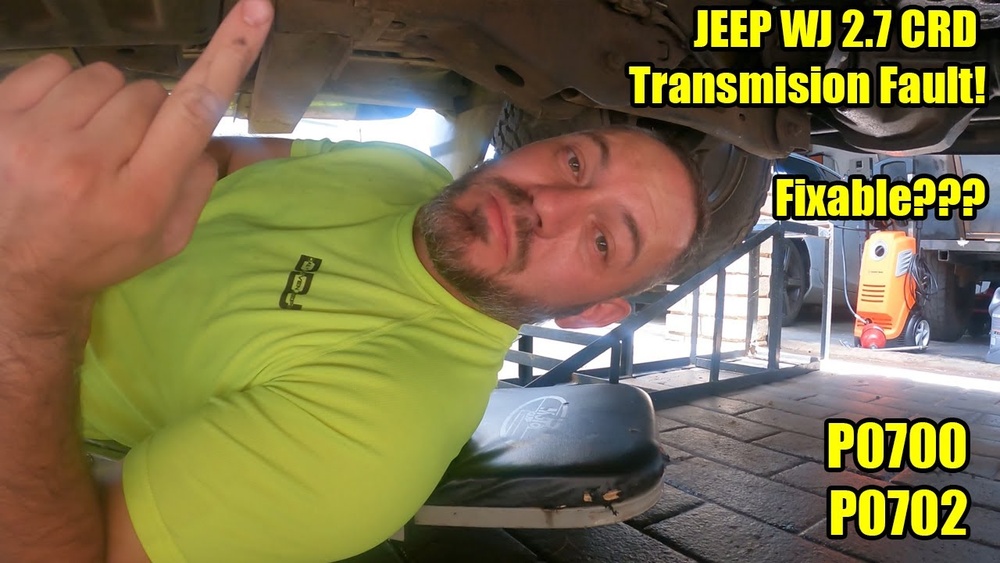
The P0700 code signals a problem with the transmission control system. It is a generic trouble code.
This code means the Transmission Control Module (TCM) has detected an issue. The vehicle’s computer stores this code to alert the driver.
The P0700 code does not specify the exact problem. Instead, it indicates that the TCM has found trouble in the transmission system.
This code often appears with other transmission-related codes. These additional codes help pinpoint the fault.
Transmission Control Module Role
The Transmission Control Module controls the automatic transmission functions. It uses sensors to monitor the transmission’s performance.
The TCM adjusts shift timing and pressure for smooth gear changes. It communicates with the engine control module to optimize driving.
When the TCM detects a fault, it triggers the P0700 code. This tells the driver there is a transmission problem.
The module may also activate warning lights on the dashboard. The TCM helps protect the transmission by limiting damage.
What Triggers P0700
The P0700 code triggers due to various transmission issues. Low or dirty transmission fluid often causes this code.
Dirty fluid affects hydraulic pressure and shifting. Faulty shift solenoids can also trigger this error. These solenoids control gear changes.
Problems with sensors like the motor speed sensor or output shaft sensor can cause P0700. Wiring issues such as corroded or loose connections also trigger the code.
The TCM detects these faults and sets the code to alert the driver.

Common Causes
The P0700 code in a Jeep Grand Cherokee signals a transmission control system issue. This code does not point to a specific fault but indicates the Transmission Control Module (TCM) has detected a problem. Understanding common causes helps in identifying and fixing the root of the issue quickly.
Several factors can trigger the P0700 code. These factors usually affect how the transmission shifts or communicates with the vehicle’s computer.
Most problems relate to fluid levels, sensors, solenoids, or wiring faults.
Low Or Dirty Transmission Fluid
Transmission fluid keeps the parts lubricated and helps with smooth shifting. Low or dirty fluid causes pressure drops inside the transmission.
This condition leads to rough or delayed gear shifts. Regular checks and changes of transmission fluid prevent these problems.
Faulty Shift Or Pressure Solenoids
Solenoids control the flow of transmission fluid to change gears. When solenoids fail, the transmission may not shift properly.
Malfunctioning solenoids often cause the P0700 code to appear. Replacing bad solenoids restores correct shifting behavior.
Sensor Failures
The transmission relies on sensors for speed and position data. Common faulty sensors include the motor speed sensor and output shaft speed sensor.
A bad sensor sends wrong signals to the TCM. This confusion triggers the P0700 error code.
Wiring And Connection Issues
Worn, corroded, or loose wiring disrupts communication between the TCM and transmission. Damaged connectors or broken wires cause intermittent or no signal.
Inspecting and fixing wiring faults often clears the P0700 code.
Transmission Filter Problems
A clogged transmission filter reduces fluid flow and pressure. This blockage affects shifting and transmission performance.
Replacing the filter improves fluid circulation and prevents transmission damage. It is a vital step in solving transmission issues.
Symptoms To Watch For
Recognizing the symptoms of a P0700 code in your Jeep Grand Cherokee can prevent bigger transmission problems. These signs often hint at transmission issues that need quick attention.
Early detection helps avoid costly repairs and keeps your vehicle running smoothly.
Erratic Or Harsh Shifting
Your Jeep may shift gears unexpectedly or roughly. Sometimes, shifts feel delayed or too fast.
These strange shifts can make driving uncomfortable and unsafe. Watch for jerks or sudden changes in speed during gear changes.
Check Engine Light Activation
The Check Engine Light may turn on without warning. This light signals a problem detected by the car’s computer.
The P0700 code often triggers this alert. Ignoring it can lead to more serious transmission damage.
Limp Mode Engagement
The vehicle might enter limp mode to protect the transmission. Limp mode limits your Jeep to one or two gears.
This reduces speed and power until the issue is fixed. You will notice a loss of acceleration and limited driving ability.

Diagnosing The Issue
Diagnosing the P0700 code in a Jeep Grand Cherokee starts with a clear, step-by-step approach. This code signals a transmission control system issue.
Finding the root cause requires careful checks. Simple problems like fluid levels or wiring faults often trigger this code.
Using the right tools and methods saves time and money.
Checking Transmission Fluid
Begin by checking the transmission fluid. Warm up the engine and keep the vehicle in Park.
Use the dipstick to check the fluid level. The fluid should be full and have a bright red or pink color.
Dark, burnt, or low fluid can cause shifting problems. Dirty fluid affects hydraulic pressure inside the transmission. Replace or top up fluid as needed.
Inspecting Wiring And Grounds
Next, inspect the wiring connected to the transmission. Look for any frayed, pinched, or corroded wires.
Check the ground wires and battery connections for looseness or rust. Bad wiring causes poor communication between the transmission and control module.
Repair or replace damaged wires and clean grounds. Secure all connections tightly.
Using Diagnostic Tools
Use an OBD-II scanner to read transmission trouble codes. This tool shows specific faults behind the P0700 code. It helps identify which part of the transmission system is failing. Some scanners can display live data from the transmission control module. This data gives clues about sensor signals and solenoid functions. Follow the scanner’s guidance for further checks.
Evaluating Sensor Performance
Check the sensors linked to the transmission system. Common sensors include speed sensors and the transmission range sensor.
Faulty sensors send wrong data to the control module. Test each sensor with a multimeter or scan tool.
Replace any sensor that shows irregular readings. Proper sensor function is vital for smooth shifting.
Effective Fixes
Fixing the P0700 code in your Jeep Grand Cherokee requires a clear approach. This code signals a transmission issue detected by the Transmission Control Module (TCM).
Effective fixes target the core problems quickly to avoid further damage. Below are key repair steps that help restore smooth shifting and proper transmission function.
Fluid Replacement And Flush
Old or dirty transmission fluid can cause shifting problems and set the P0700 code. Replace the fluid with the correct type for your Jeep.
Flushing the system removes contaminants and helps hydraulic parts work better. Fresh fluid improves pressure and cooling inside the transmission.
Solenoid And Sensor Repair
Faulty solenoids or sensors disrupt gear shifts and send error signals to the TCM. Test the shift solenoids and speed sensors for damage or wear.
Replace any parts that fail to respond correctly. Proper solenoid and sensor function ensures accurate gear changes and fewer error codes.
Wiring Repair And Cleaning
Damaged wiring or loose connections cause communication problems between the TCM and transmission. Inspect all wiring harnesses for corrosion, breaks, or pinches.
Clean terminals and secure loose wires. Good electrical connections restore signal flow and prevent false error codes.
Replacing Transmission Filter And Seal
The transmission filter traps dirt and metal particles. A clogged filter reduces fluid flow and pressure.
Replace the filter during fluid changes to maintain fluid cleanliness. Also, inspect and replace seals to stop leaks. Proper filtration and sealing protect transmission components.
Resetting The Transmission Control Module
After repairs, reset the TCM to clear stored error codes. This allows the module to relearn transmission behavior.
Disconnect the battery or use a scan tool to reset the TCM. A reset helps the system monitor transmission health accurately and prevents recurring P0700 warnings.
Prevention And Maintenance
Preventing the P0700 code in your Jeep Grand Cherokee starts with regular care. Maintaining the transmission system helps avoid costly repairs.
It also keeps your vehicle running smoothly and safely. Simple actions can extend your transmission’s life and performance.
Regular Fluid Checks
Check the transmission fluid often. Fluid should be at the correct level and clean.
Dirty or low fluid can cause shifting problems. Use the dipstick to check the color and smell.
Fresh fluid is usually red or pink. Dark or burnt fluid needs replacing immediately.
Proper fluid keeps transmission parts lubricated and cool.
Timely Filter Changes
Change the transmission filter as recommended. A clogged filter blocks fluid flow.
This leads to poor shifting and overheating. Follow your Jeep’s manual for timing.
Regular filter changes keep contaminants out. Clean filters help maintain smooth transmission operation.
Routine Electrical Inspections
Inspect the transmission’s wiring and connectors regularly. Look for loose, corroded, or damaged wires.
Faulty wiring can cause communication errors with the Transmission Control Module (TCM). Fix any issues quickly to prevent transmission faults.
Regular electrical checks reduce the risk of P0700 codes.
Software Updates For Tcm
Keep your Jeep’s Transmission Control Module software up to date. Manufacturers release updates to fix bugs and improve performance.
Visit a dealership or trusted mechanic for updates. Updated software can prevent false fault codes.
It also helps the transmission shift more efficiently.
Expert Tips
When dealing with the P0700 code on your Jeep Grand Cherokee, expert advice can save time and money. Understanding when to get help and avoiding common errors improves repair success.
Use trusted resources to guide your efforts safely.
When To Seek Professional Help
Some transmission problems need expert diagnosis. If the Check Engine Light stays on after basic checks, see a mechanic.
Strange noises or harsh shifts also signal professional attention. Transmission repairs require special tools and skills. Avoid DIY fixes if you lack experience.
Avoiding Common Repair Mistakes
Do not ignore transmission fluid quality. Dirty or low fluid causes many issues.
Always use the correct fluid type. Avoid guessing about sensor problems; test them first.
Never skip wiring inspections; loose wires cause errors. Rushing repairs can worsen damage and increase costs.
Resources For Jeep Owners
Jeep forums offer advice from real owners. Online videos show step-by-step fixes for P0700 codes.
Official Jeep service manuals provide detailed guidance. Use trustworthy auto parts websites for quality components.
Local Jeep clubs can connect you with experienced help.
Conclusion
The P0700 code signals a transmission control problem in your Jeep Grand Cherokee. Identifying issues early helps avoid costly repairs.
Checking fluid levels and wiring can often fix the problem. Pay attention to shifting behavior and warning lights. Regular maintenance keeps your transmission running smoothly.
Taking prompt action ensures safer, more reliable driving. Stay informed and care for your vehicle well.