If you’ve seen the P0700 code pop up on your Jeep Cherokee’s dashboard, you’re probably wondering what it means and what to do next. This code signals an issue with your transmission control system, which can lead to rough shifting or other drivability problems if left unchecked.
Don’t ignore it your Jeep’s performance and safety depend on a healthy transmission.
You’ll learn what causes the P0700 code, how to spot the warning signs early, and the simple steps you can take to fix it before it turns into a bigger headache.
Keep reading to protect your Jeep and get back on the road smoothly.

P0700 Code Basics
The P0700 code is a common transmission-related error for Jeep Cherokee owners. It signals a fault in the Transmission Control System. Understanding this code helps you diagnose and fix issues early. This section breaks down the basics of the P0700 code for easy understanding.
Knowing what this code means and how it affects your vehicle is important. It can save you time and money on repairs.
Keep reading to learn more about the P0700 code and its impact on your Jeep Cherokee.
What P0700 Means
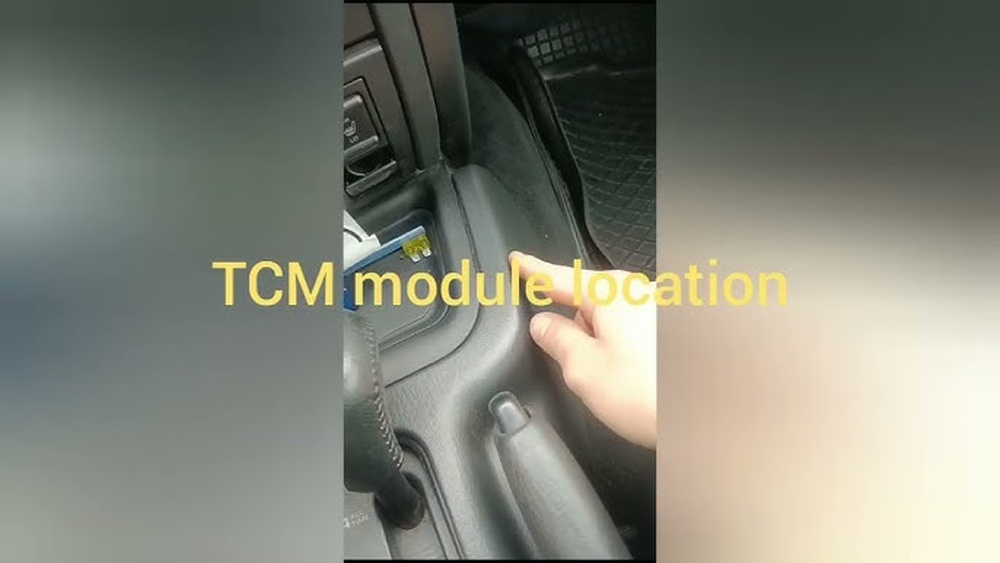
The P0700 code means there is a problem with the Transmission Control Module (TCM). The TCM controls how your transmission shifts gears.
When it detects a fault, it triggers the P0700 code.
This code does not pinpoint a specific issue. Instead, it acts as a warning light to check transmission-related problems.
The TCM usually stores more detailed codes to help find the exact cause.
How It Affects Your Jeep
The P0700 code can cause your Jeep Cherokee to shift gears poorly. You might notice delayed or harsh gear changes.
Sometimes, the transmission may slip or shift erratically.
This code often triggers the Check Engine Light. Ignoring it may lead to more serious transmission damage.
Early diagnosis helps prevent costly repairs and keeps your Jeep running smoothly.
Common Causes
The P0700 code on a Jeep Cherokee points to a problem in the Transmission Control System. Many factors cause this code to appear.
Knowing the common causes helps in diagnosing and fixing the issue quickly. Below are some frequent reasons behind the P0700 code.
Low Or Contaminated Fluid
Transmission fluid plays a key role in shifting gears smoothly. Low fluid levels reduce hydraulic pressure, causing shifting problems.
Old or burnt fluid loses its effectiveness and can harm transmission parts. Contaminants in the fluid can block passages and damage the system.
Regular fluid checks prevent these issues and keep transmission healthy.
Faulty Solenoids And Sensors
Solenoids control the flow of transmission fluid. When solenoids fail, gear shifts can become rough or delayed.
Sensors like the input/output speed sensors and transmission range sensor send vital data to the control module. Bad sensors provide wrong information, causing the system to react improperly.
Testing and replacing these parts often solves the P0700 error.
Wiring And Connection Issues
Wiring connects the Transmission Control Module (TCM) to various transmission components. Corroded or damaged wires disrupt communication and signal flow.
Pinched or burnt wires cause shorts or open circuits. Loose connectors also lead to intermittent faults.
Inspecting and repairing wiring and connections often clears the P0700 code and restores smooth operation.
Symptoms To Watch
The P0700 code signals a transmission control system fault in the Jeep Cherokee. Recognizing symptoms early helps prevent costly repairs.
Watch closely for signs that indicate transmission trouble.
These symptoms affect how your Jeep drives and performs. Knowing what to look for keeps you safe on the road.
Check Engine Light
The check engine light often turns on with the P0700 code. It alerts you that the transmission control module detected a problem.
Ignoring this light can lead to more damage. Pay attention when this light appears and have your vehicle inspected quickly.
Gear Shifting Problems
Shifting issues are common with P0700. You may feel harsh or delayed gear changes.
Sometimes, gears shift erratically or slip unexpectedly. These problems reduce driving comfort and can harm the transmission.
Notice any unusual shifting behavior and act promptly to avoid bigger issues.
Diagnostic Steps
Diagnosing the P0700 code on a Jeep Cherokee involves a few key steps. Each step helps identify the root cause of the transmission control system fault.
Start with basic checks before moving to more detailed inspections. This approach saves time and avoids unnecessary repairs.
Reading Transmission Codes
Use an OBD-II scanner that reads transmission codes. Generic scanners often miss transmission-specific trouble codes. Visit an auto parts store if you don’t have a scanner. The scanner will pull sub-codes from the Transmission Control Module (TCM). These codes pinpoint the exact problem area. Write down all the codes for further analysis.
Checking Fluid Levels And Condition
Check the transmission fluid level first. Low fluid can cause shifting problems and trigger the P0700 code.
The fluid should be bright red or pink and free of debris. Dark or burnt-smelling fluid means it needs changing.
Top off the fluid if low. If dirty, replace the fluid and filter.
Clean fluid ensures proper hydraulic pressure for shifting.
Inspecting Wiring And Connectors
Look closely at the wiring harness and connectors near the transmission and TCM. Check for corrosion, pinched wires, or loose connections.
Damaged wiring can disrupt signals and cause faults. Use electrical contact cleaner to clean dirty connectors.
Secure any loose wires to prevent future issues.
Resetting The Transmission
Resetting the transmission in your Jeep Cherokee can often clear error codes like P0700. This code signals a problem in the Transmission Control System.
Resetting helps the system relearn and can fix minor glitches. It may also turn off the check engine light if the issue is resolved.
Two main ways to reset the transmission are common. The first is disconnecting the battery.
The second uses a scanner reset tool. Both methods are simple and can be done at home or a repair shop.
Follow these steps carefully to avoid further issues.
Battery Disconnect Method
Start by turning off your Jeep. Locate the negative battery terminal and disconnect it.
Leave it disconnected for about 15 to 30 minutes. This time allows the vehicle’s computer to reset. After waiting, reconnect the battery terminal securely.
Turn the ignition key to the “On” position but do not start the engine. Wait a few seconds, then start the engine.
Check if the check engine light is off. This method resets the Transmission Control Module (TCM) and clears stored codes. It is effective for temporary faults.
Using A Scanner Reset
Use an OBD-II scanner that supports transmission codes. Plug the scanner into the Jeep’s diagnostic port, usually under the dashboard.
Turn on the ignition but do not start the engine. Follow the scanner’s instructions to read the codes.
Choose the option to clear or reset the transmission codes. The scanner sends a signal to erase stored trouble codes.
After clearing, turn off the ignition and unplug the scanner. Start the Jeep and observe if the transmission behaves normally.
This method is more precise and helps diagnose deeper issues.
Fluid Maintenance
Maintaining the transmission fluid is key to fixing the P0700 code on a Jeep Cherokee. The fluid keeps the transmission cool and lubricated.
Clean, fresh fluid helps the transmission shift smoothly. Dirty or low fluid can cause shifting problems and trigger the P0700 error.
Regular fluid care can prevent costly repairs and extend transmission life.
Flushing And Replacing Fluid
Flushing removes old, dirty fluid from the transmission system. It flushes out debris and contaminants that cause wear.
After flushing, replace the fluid with fresh, clean transmission fluid. This process improves hydraulic pressure for better shifting.
Follow the Jeep Cherokee’s service schedule for fluid changes. Avoid skipping this step to keep transmission parts working well.
Choosing The Right Transmission Fluid
Use the transmission fluid recommended in the Jeep Cherokee owner’s manual. Different models need specific fluid types and viscosities.
Using the wrong fluid can cause poor performance or damage. Look for fluids that meet Jeep’s standards and certifications.
Always check fluid levels after refilling to avoid low fluid issues. Proper fluid choice helps maintain smooth transmission operation.
Solenoid And Sensor Repairs
Solenoid and sensor repairs are key to fixing the P0700 code in a Jeep Cherokee. These parts control how the transmission shifts gears.
Faulty solenoids or sensors can cause poor shifting or trigger warning lights. Identifying and fixing these components restores smooth driving and prevents damage.
Testing Solenoids
Testing solenoids requires special tools like a multimeter or scan tool. Start by checking the electrical resistance of each solenoid.
Compare the readings to the manufacturer’s specifications. A solenoid with out-of-range resistance is likely bad.
Next, test the solenoid’s activation using a scan tool or by applying power. Listen for a clicking sound which shows the solenoid is working.
No click means the solenoid may be stuck or damaged and needs replacement.
Replacing Faulty Sensors
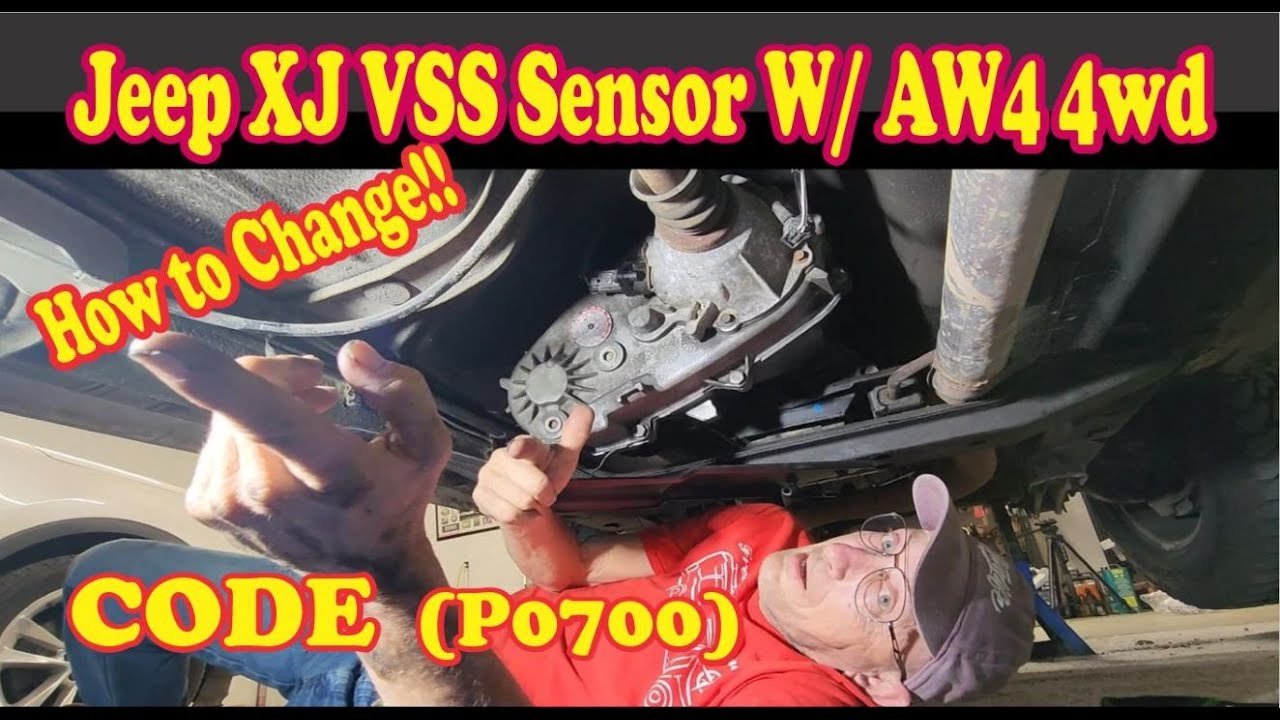
Faulty sensors such as the input/output speed sensors cause transmission errors. Locate the sensor on the transmission and disconnect its wiring harness.
Remove the sensor carefully with proper tools to avoid damage.
Install the new sensor in the same position. Reconnect the wiring and clear any error codes with a scan tool.
Test drive the Jeep to ensure the transmission shifts smoothly and the P0700 code no longer appears.
Wiring Repairs
Wiring repairs play a key role in fixing the P0700 code on a Jeep Cherokee. Faulty or damaged wiring can disrupt communication between the Transmission Control Module (TCM) and the transmission.
This causes shifting problems and triggers the check engine light. Proper inspection and repair of the wiring harness restore proper function and prevent further damage.
Addressing wiring issues requires careful examination. Look for physical damage, corrosion, or loose connections.
Cleaning and securing these connections improve electrical flow and system reliability. Taking time on these repairs helps avoid costly replacements later.
Spotting Damaged Wires
Look closely at the wiring harness near the transmission and TCM. Check for cracked insulation, exposed copper, or burnt spots.
Pinched or frayed wires often cause shorts or open circuits. Use a flashlight for better visibility in tight spaces.
Gently move the wires to find hidden breaks or weak spots.
Cleaning And Securing Connections
Remove dirt, grease, or corrosion from connectors using electrical contact cleaner. Avoid using water or household cleaners that can cause more damage.
After cleaning, dry the area thoroughly. Reconnect the plugs firmly to ensure a tight fit.
Use dielectric grease on terminals to prevent future corrosion and improve conductivity.
When To Seek Professional Help
Knowing when to seek professional help for your Jeep Cherokee’s P0700 code can save you time and money. Some problems go beyond basic fixes and require expert attention.
The transmission system is complex and mistakes can cause more damage. Watch out for signs that show the issue is serious or unclear.
Trusting a professional can ensure the right repair and keep your vehicle safe on the road.
Complex Transmission Issues
The P0700 code may hide deeper transmission problems. Issues like worn clutch packs, internal gear damage, or valve body faults need skilled hands.
These repairs require special tools and knowledge. Attempting to fix them without experience can worsen the damage.
If your Jeep shows harsh shifting, slipping gears, or unusual noises, it’s time to visit a transmission specialist. They can identify and fix the core problem efficiently.
Advanced Diagnostic Tools
Professional mechanics use advanced diagnostic tools to read detailed transmission codes. Basic scanners might not show all errors linked to P0700.
Experts use factory-level scanners that communicate directly with the Transmission Control Module (TCM). This helps them pinpoint exact faults within the system.
They also perform live data tests to monitor transmission performance in real time. These tools provide accurate information needed for proper repairs.

Preventive Tips
Keeping your Jeep Cherokee’s transmission in good shape helps avoid the P0700 error code. Simple steps can stop problems before they start.
Regular care protects your transmission and keeps your ride smooth. Follow these preventive tips to maintain your vehicle’s health and avoid costly repairs.
Regular Fluid Checks
Check the transmission fluid often. The fluid must be at the right level and clean.
Low or dirty fluid can cause shifting problems and damage the transmission. Look for fluid that is bright red or pink.
Dark or burnt fluid means it needs changing. Top off the fluid if it is low.
Use the type recommended in your owner’s manual. Clean fluid helps the transmission work well and lasts longer.
Scheduled Transmission Service
Stick to the service schedule in your Jeep’s manual. Transmission service includes fluid and filter changes.
This removes dirt and metal bits that wear out parts. Service also lets a mechanic check for early signs of trouble.
Catching issues early saves money and stress. Regular service keeps the transmission running smoothly and extends its life.
Conclusion
The P0700 code signals a transmission control issue in your Jeep Cherokee. Watch for warning lights and rough shifting.
Checking fluid levels and wiring helps find common problems early. Using an OBD-II scanner reveals specific fault details.
Simple steps like fluid changes or resetting the battery may fix minor glitches.
Addressing these issues quickly keeps your Jeep running smoothly. Regular care prevents bigger transmission troubles down the road.
Stay alert to symptoms and act soon to protect your vehicle.