If you’ve seen the P0522 code pop up on your Jeep’s dashboard, you’re probably wondering what it means and what to do next. This code signals a problem with your oil pressure sensor, which is crucial for keeping your engine running smoothly.
Ignoring it could lead to serious damage and costly repairs. But don’t worry this guide will help you understand what triggers the P0522 code, how to spot the warning signs, and what steps you can take to fix it fast.
Keep reading to protect your Jeep and get back on the road with confidence.

Symptoms Of P0522 Code
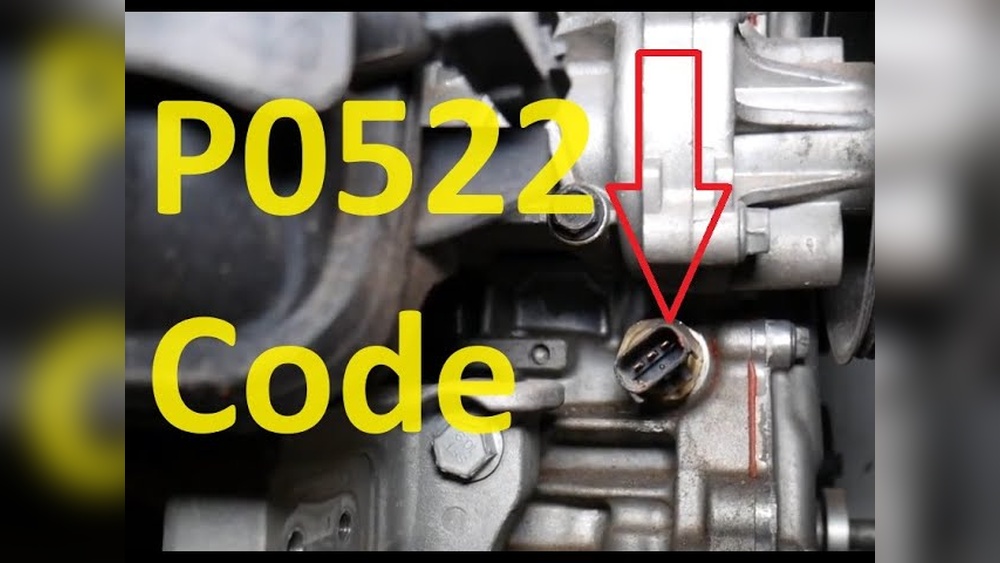
The P0522 code in a Jeep signals low oil pressure sensor readings. This code triggers several noticeable symptoms.
These signs help you identify the problem early. Detecting these symptoms can prevent engine damage and costly repairs.
Check Engine Light Alerts
The most common symptom is the Check Engine Light turning on. This light appears on the dashboard and stays lit.
It warns you that the engine control module found a problem. The P0522 code causes this alert due to low oil pressure sensor signals.
Oil Pressure Gauge Behavior
The oil pressure gauge may act strangely. It might show a reading of zero or drop suddenly.
Erratic or fluctuating needle movement is also common. These changes indicate the sensor is not sending correct data.
Dashboard Warning Lights
Other warning lights may also turn on. The “Low Oil Pressure” light is a key sign.
This light warns you that the engine oil pressure is unsafe. Ignoring this warning can lead to serious engine damage.
Frequent Causes
The P0522 code in a Jeep signals a problem with oil pressure readings. This error means the engine control module found the oil pressure sensor signal too low.
Several issues can cause this fault. Understanding these helps in quick diagnosis and repair.
Here are the frequent causes behind the P0522 code.
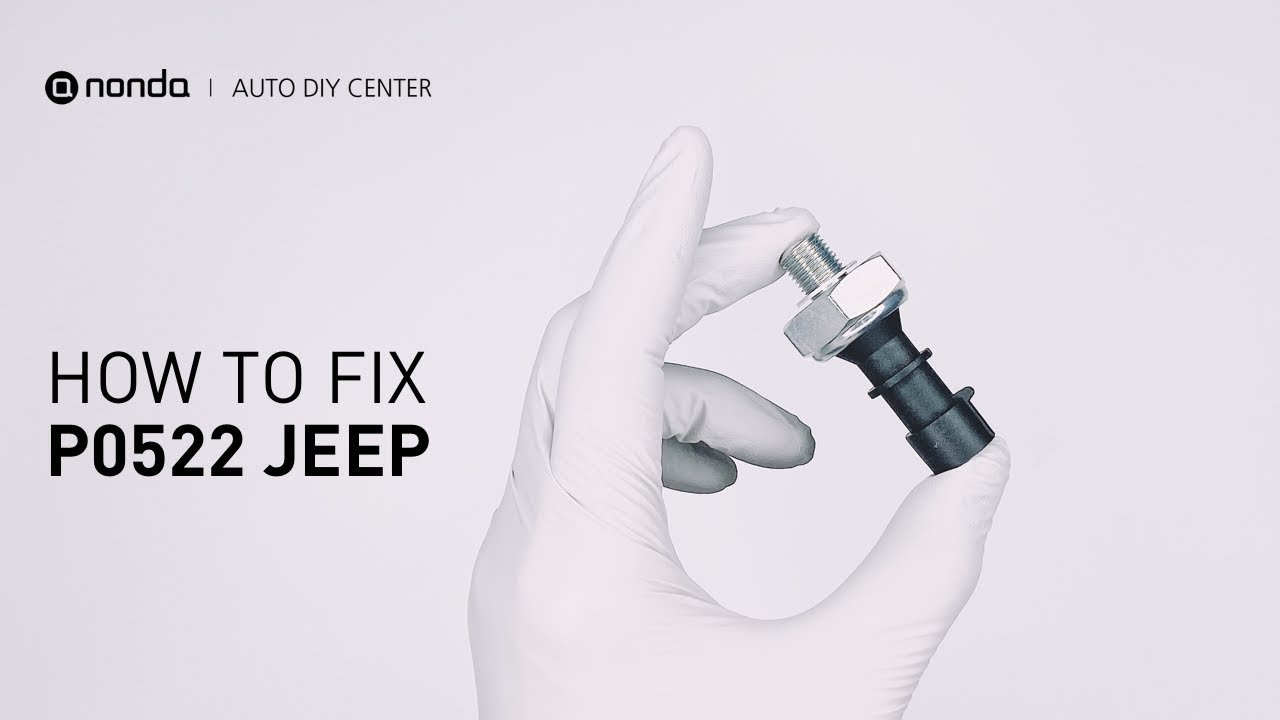
Faulty Oil Pressure Sensor
The oil pressure sensor may fail over time. A broken sensor sends wrong or no signals to the engine control module.
This causes the warning lights to trigger falsely. Replacing the sensor often fixes the problem.
Wiring And Connector Problems
Damaged or loose wires can stop the sensor’s signal. Corrosion or frayed cables reduce electrical flow.
Connectors may also become dirty or loose. Checking and fixing wiring restores proper sensor communication.
Low Or Dirty Engine Oil
Low oil levels reduce pressure inside the engine. Dirty oil clogs passages and affects sensor readings.
Regular oil checks and changes keep the system working well. Clean, full oil helps maintain correct pressure signals.
Inspecting Oil Levels
Inspecting oil levels is vital for Jeep owners facing the P0522 error code. This error points to low oil pressure, which often relates to oil issues.
Regular checks help prevent engine damage and maintain smooth performance. Understanding how to check oil quantity, assess its condition, and manage oil changes keeps your Jeep running well.
Checking Oil Quantity
Start by parking your Jeep on a flat surface. Turn off the engine and wait a few minutes.
Locate the dipstick, usually marked with a bright handle. Pull it out, wipe it clean with a cloth, then reinsert it fully.
Pull it out again and check the oil level. The oil should be between the minimum and maximum marks.
Low oil level can cause the P0522 code to appear.
Assessing Oil Condition
Look at the oil on the dipstick. Fresh oil is amber and clear.
Dark, dirty oil means it is time for a change. Thick or gritty oil can harm the engine.
Also, check for any unusual smell or metal particles. These signs mean oil quality is poor and may trigger oil pressure issues.
Topping Off And Oil Changes
If the oil level is low, add the correct type of oil slowly. Avoid overfilling as it can cause engine problems.
Use the oil grade recommended in your Jeep’s manual. Regular oil changes are crucial.
Change oil every 3,000 to 5,000 miles or as the manufacturer suggests. Clean oil ensures good pressure and helps avoid the P0522 sensor warning.
Testing The Sensor And Wiring
Testing the sensor and wiring is a key step to fix the P0522 Jeep code. This code means the engine control module sees a low oil pressure sensor signal.
The problem may come from the sensor itself or the wiring connecting it.
Careful checks help find the exact cause. You can test the sensor with a multimeter.
Also, examine the wiring and connectors for signs of damage. Look closely for corrosion or broken parts. These simple tests save time and money.
Using A Multimeter For Sensor Testing
Start by disconnecting the sensor from the wiring harness. Set your multimeter to measure resistance or voltage.
Check the sensor terminals according to the Jeep service manual. A good sensor shows stable readings within the normal range.
If the sensor readings are off or zero, the sensor may be faulty and need replacing.
Examining Wiring And Connectors
Inspect the wiring from the sensor to the powertrain control module. Look for loose or broken wires.
Check if connectors fit tightly and show no signs of wear. Wiggle the wires gently while testing to find hidden faults.
Faulty wiring causes incorrect sensor signals and triggers the P0522 code.
Identifying Corrosion Or Damage
Corrosion often forms on connectors and sensor terminals. It blocks electric signals and causes sensor errors.
Use a flashlight to spot green or white powder on metal parts. Clean corrosion with electrical contact cleaner and a brush.
Replace connectors that are cracked, bent, or broken. Clear connections help the sensor send the right signal.
Replacing The Oil Pressure Sensor
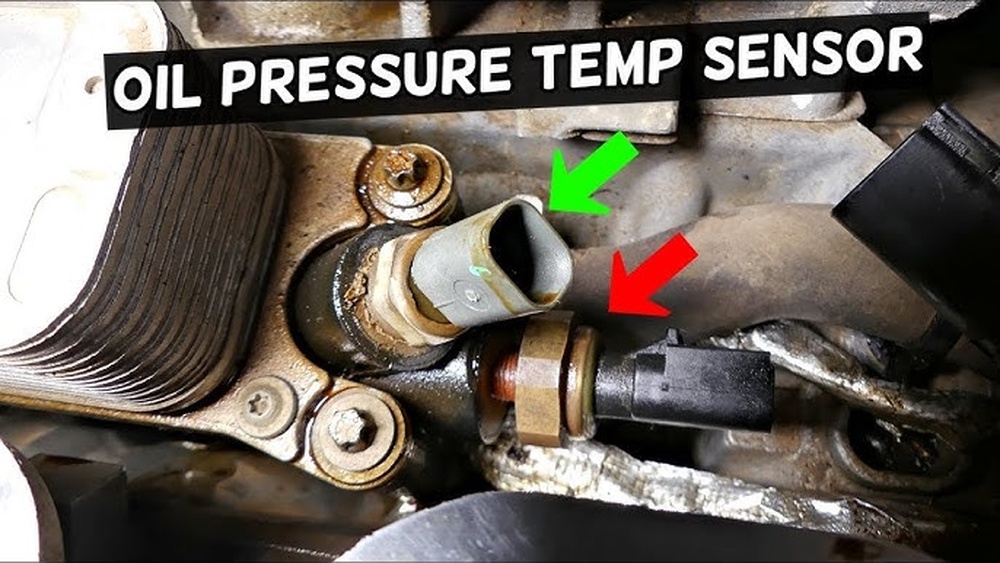
Replacing the oil pressure sensor in your Jeep can solve the P0522 error code. This sensor measures engine oil pressure and sends data to the Powertrain Control Module (PCM).
A faulty sensor can cause wrong signals, leading to warning lights and poor engine performance.
Changing the oil pressure sensor is a task you can do with some basic tools. It saves time and money compared to visiting a mechanic.
Follow the simple guide below to replace the sensor safely and correctly.
Tools Needed For Replacement
- Socket wrench set with extensions
- Oil pressure sensor socket or a deep 1-inch socket
- Ratchet or breaker bar
- New oil pressure sensor
- Thread sealant or Teflon tape (if recommended)
- Rags or paper towels
- Gloves and safety glasses
Step-by-step Sensor Swap
- Ensure the engine is cool before starting work.
- Disconnect the negative battery terminal to prevent shorts.
- Locate the oil pressure sensor near the engine block.
- Unplug the electrical connector from the sensor carefully.
- Use the oil pressure sensor socket to loosen and remove the old sensor.
- Apply thread sealant to the new sensor’s threads if needed.
- Install the new sensor by hand to avoid cross-threading, then tighten with the socket.
- Reconnect the electrical connector securely.
- Reconnect the negative battery terminal.
Post-replacement Checks
- Start the engine and watch for oil pressure warning lights.
- Check the oil pressure gauge for normal readings.
- Inspect the sensor area for any oil leaks.
- Clear any error codes with an OBD-II scanner if available.
- Drive the Jeep briefly and monitor the dashboard for warnings.
Addressing Electrical Issues
Electrical issues often cause the P0522 code in Jeep vehicles. These problems affect the oil pressure sensor’s signal.
Fixing these issues ensures accurate sensor readings and engine safety. Addressing electrical faults requires careful inspection and repair.
This section covers key steps to resolve electrical problems related to P0522.
Repairing Damaged Wires
Damaged wires can disrupt the sensor’s signal. Look for cuts, burns, or frayed wiring.
Use a wire stripper to remove damaged sections carefully. Replace faulty wires with ones of the same gauge.
Solder or crimp new connections tightly to ensure good contact. Always insulate repaired wires with heat shrink tubing or electrical tape.
This prevents shorts and corrosion that cause future problems.
Securing Loose Connections
Loose connections cause signal loss or erratic readings. Check the sensor connector and wiring harness for firmness.
Push connectors fully into place until they click. Clean any corrosion or dirt from terminals using contact cleaner.
Bent or broken pins must be straightened or replaced. Use dielectric grease to protect connections from moisture.
Secure wiring harnesses with clips or zip ties to avoid movement.
Preventing Future Electrical Failures
Preventing failures helps avoid repeated P0522 codes. Regularly inspect wiring and connectors during vehicle maintenance.
Keep wires away from hot engine parts or sharp edges. Protect wiring with loom tubing or conduit if needed.
Avoid pulling on wires when servicing the engine. Replace old or brittle wiring before it breaks.
Use quality electrical parts for repairs and upgrades. Proper care extends sensor life and maintains engine health.
When To Seek Professional Help
Knowing when to seek professional help for the P0522 Jeep code is vital. This code signals low oil pressure sensor voltage.
It affects engine performance and safety. Acting quickly can prevent costly repairs and engine damage.
Some issues are simple, but others need expert tools and knowledge. Understanding the signs that require a mechanic is key to keeping your Jeep running well.
Complex Engine Diagnostics
Some problems behind the P0522 code are hard to find. The oil pressure sensor may seem faulty but might not be the cause.
A professional uses advanced diagnostic tools. They check all related systems thoroughly.
This ensures the real issue is fixed the first time. DIY methods often miss hidden faults in the engine.
Pcm And Module Concerns
The Powertrain Control Module (PCM) controls the oil pressure sensor readings. Sometimes, the PCM or other modules fail.
This causes false error codes like P0522. Repairing or reprogramming these modules needs expert skills.
A trained technician can test the PCM accurately. They prevent unnecessary sensor replacement and save money.
Avoiding Further Engine Damage
Low oil pressure can quickly harm your engine. Driving with this issue can cause severe damage.
Professionals know when to stop driving and what to check next. They fix the problem safely and fast.
Early intervention helps protect engine parts and extends your Jeep’s life.
Frequently Asked Questions
How Do I Fix Code P0522?
Check and top off engine oil level immediately. Inspect and replace a faulty oil pressure sensor or repair damaged wiring.
Clear the code with an OBD-II scanner after fixing.
Can I Drive With A Bad Oil Pressure Sensor Switch?
Driving with a bad oil pressure sensor switch is risky. It may cause false warnings or miss real low oil pressure, leading to engine damage.
Check oil levels immediately and repair the sensor promptly to ensure safe driving and avoid costly repairs.
How Serious Is A P0522 Code?
A P0522 code signals low or incorrect oil pressure sensor voltage. It can cause engine damage if ignored. Check oil level and sensor promptly.
How Much Does It Cost To Replace An Oil Pressure Sending Unit?
Replacing an oil pressure sending unit typically costs between $50 and $150. Labor rates and part prices vary by vehicle and location.
Conclusion
The P0522 Jeep code points to an oil pressure sensor issue. Check your oil level and condition first.
Faulty wiring or a bad sensor often cause this problem. Addressing it quickly helps avoid engine damage. Regular maintenance keeps your Jeep running smoothly.
Understanding this code saves time and money. Stay alert to warning lights on your dashboard.
Proper care ensures your Jeep’s engine health lasts longer.