If you’re driving your Jeep and suddenly see the P0520 code pop up, it’s easy to feel worried and unsure about what’s going on. This code points to an issue with your engine’s oil pressure sensor, something that’s important for keeping your engine running smoothly.
Ignoring it isn’t an option because your engine’s health depends on accurate oil pressure readings. But don’t stress.
You’ll discover what the P0520 Jeep code really means, why it happens, and exactly how you can fix it. By the end, you’ll know how to protect your Jeep and avoid costly repairs down the road.
Keep reading to take control of your Jeep’s performance today.
Symptoms Of P0520 Code
The P0520 code on a Jeep signals a problem with the oil pressure sensor circuit. Recognizing the symptoms helps catch issues early.
This prevents potential engine damage and costly repairs.
Symptoms vary but often show clear signs during vehicle operation. Understanding these signs can guide timely maintenance or repairs.
Check Engine Light Behavior
The check engine light (CEL) often turns on with a P0520 code. The light may stay steady or flash intermittently.
It signals that the oil pressure sensor is not working correctly. Ignoring this warning can lead to engine damage.
Oil Pressure Gauge Irregularities
The oil pressure gauge may act abnormally. It might show zero, full scale, or freeze at one level.
These incorrect readings confuse the driver about the engine’s true oil pressure. This happens due to sensor faults or wiring problems.
Engine Performance Effects
Engine performance may drop with a P0520 code. You might notice rough idling or stalling.
The engine could hesitate during acceleration. These symptoms occur because the engine’s oil pressure is critical for smooth operation.
Low or incorrect pressure can harm engine parts.

Common Causes of P0502 Code
The P0520 code on your Jeep signals a problem with the oil pressure sensor. Several reasons can cause this issue.
Understanding these common causes helps in fixing the problem quickly.
Below are the main reasons why the P0520 code appears on Jeep models.
Faulty Oil Pressure Sensor
The oil pressure sensor can fail over time. Dirt, heat, and wear affect its ability to send accurate signals.
A broken sensor sends wrong pressure readings to the engine control unit. This often triggers the P0520 code. Replacing the sensor usually resolves the problem.
Wiring And Connector Problems
Wires and connectors link the sensor to the engine computer. These parts can become loose or corroded.
Damaged wires may cause signal loss or false readings. Checking and repairing wiring or connectors can clear the fault code. This step is important before sensor replacement.
Actual Low Oil Pressure
Sometimes, the oil pressure is truly low. This can happen due to a failing oil pump or worn engine parts.
Thick sludge or low oil levels also reduce pressure. Low oil pressure risks engine damage.
A mechanic should measure real pressure to confirm this cause.
Locating The Oil Pressure Sensor
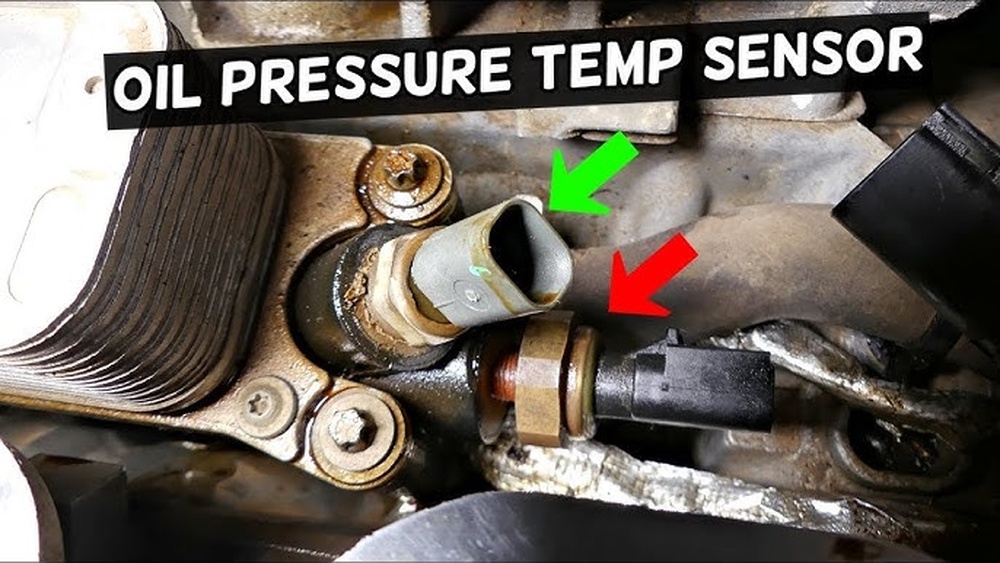
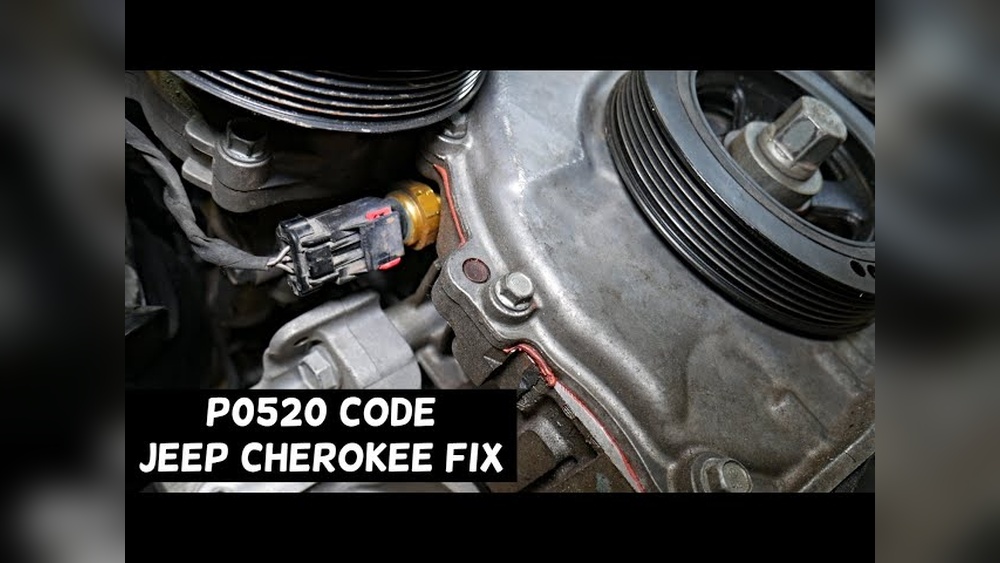
Finding the oil pressure sensor on a Jeep is the first step to fix a P0520 code. This sensor monitors the engine’s oil pressure.
Knowing its exact location saves time and effort during repairs. Jeep models differ, so the sensor’s position can vary.
Some models require removing parts to get full access.
Typical Sensor Positions On Jeep Models
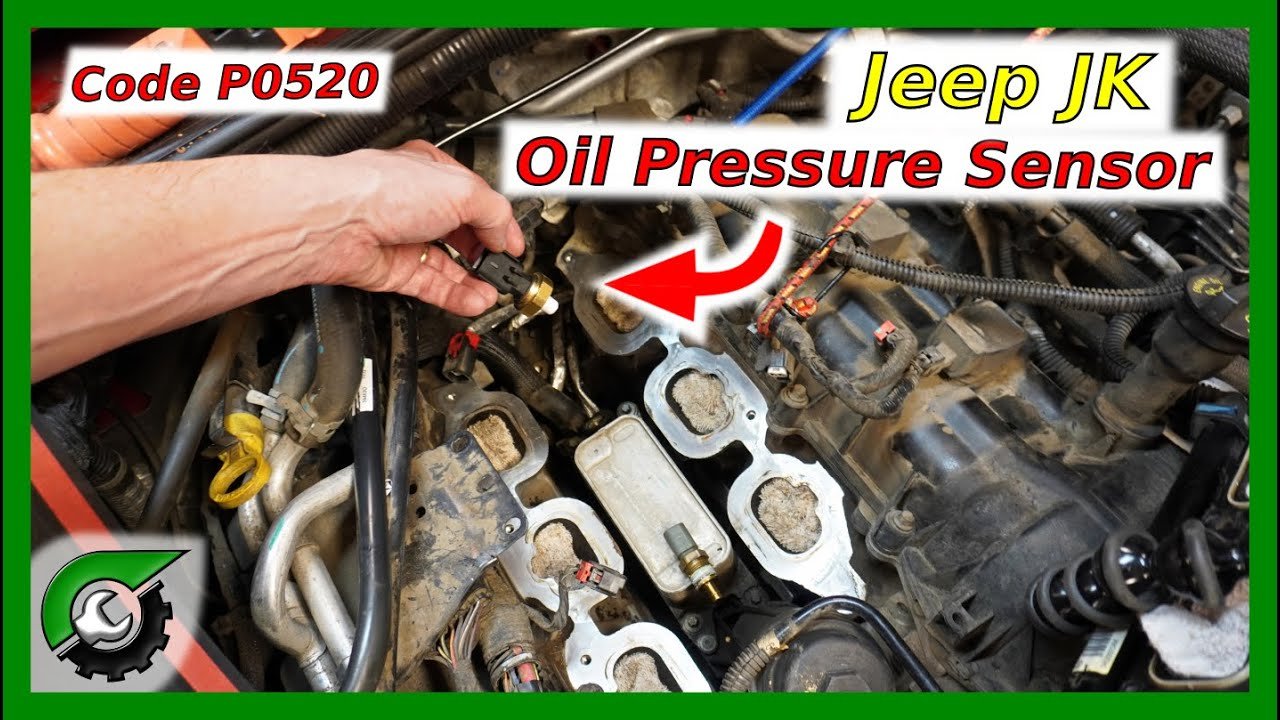
The oil pressure sensor is usually near the engine block. On many Jeep Wranglers, it sits on the passenger side. Some Grand Cherokee models place it near the oil filter adapter. The sensor often hides behind intake parts or near the water pump. Checking your Jeep’s manual helps confirm the exact spot.
Tools Needed For Access
Basic hand tools are needed to reach the sensor. A ratchet and socket set works best.
You might also need screwdrivers and pliers. A flashlight helps see in tight spots.
Gloves protect your hands from dirt and sharp edges. Having these tools ready speeds up the job.
Removing Intake Components
Some Jeep models require removing the upper intake manifold. This step clears the way to the sensor.
Loosen bolts carefully and keep track of screws. Disconnect any hoses or wiring attached to the intake.
Set parts aside safely to avoid damage. Removing these components provides clear sensor access.
Step-by-step Diagnosis
Diagnosing the P0520 code on a Jeep requires a clear and careful approach. This step-by-step process helps identify the exact cause of the issue.
Each step focuses on key areas related to the oil pressure sensor and its circuit. Follow these checks to find the source of the problem without confusion.
Checking Engine Oil Level And Condition
Start by checking the engine oil level using the dipstick. Make sure the oil is within the recommended range.
Look at the oil’s color and texture. Dark, dirty oil can cause sensor issues.
Low or old oil may also lead to false readings. Add oil or change it if needed.
This simple step often solves many oil pressure problems.
Inspecting Wiring And Connections
Next, examine the wiring connected to the oil pressure sensor. Look for loose or damaged wires.
Check if the connector is firmly attached and locked in place. Frayed or corroded wires can break the circuit.
Clean any dirty contacts and secure loose connections. Proper wiring ensures the sensor sends accurate signals to the engine computer.
Testing The Sensor Functionality
Finally, test the oil pressure sensor itself. Use a multimeter to check the sensor’s electrical resistance and output.
Compare readings with the Jeep’s service manual specifications. A faulty sensor will show abnormal values.
Replace the sensor if tests confirm it is defective. This step confirms whether the sensor is working properly or needs replacement.
Fixing Oil Pressure Sensor Issues
The oil pressure sensor plays a vital role in your Jeep’s engine health. Fixing oil pressure sensor issues ensures accurate readings and prevents engine damage.
These problems often trigger the P0520 code, signaling sensor or pressure faults.
Addressing these issues promptly helps maintain engine performance and avoid costly repairs. The following steps guide you through common fixes for oil pressure sensor problems.
Replacing The Sensor
Start by locating the oil pressure sensor on your Jeep’s engine. It usually sits near the oil filter or on the engine block.
Remove the old sensor carefully using the right tools. Install a new sensor matching your Jeep model for accurate readings.
Tighten the sensor securely to avoid leaks. Clear the error code after replacement to reset the system.
Repairing Wiring And Connectors
Inspect the wiring connected to the oil pressure sensor for damage. Look for frayed wires, corrosion, or loose connectors.
Repair or replace damaged wires to restore proper electrical flow. Ensure connectors fit tightly and locking tabs are engaged.
Clean any corrosion with electrical contact cleaner to improve connection quality.
Addressing Actual Low Oil Pressure
Low oil pressure can cause sensor warnings even if the sensor works fine. Check your Jeep’s oil level and quality using the dipstick.
Change the oil if it is dirty or low. If oil levels are good, the problem may be the oil pump or engine bearings.
A mechanic can test actual oil pressure with a mechanical gauge. Repairing internal engine parts may be necessary to fix low pressure.
Using a Mechanical Oil Pressure Gauge
Using a mechanical oil pressure gauge is a reliable way to check your Jeep’s engine oil pressure. This tool helps confirm if the oil pressure sensor or wiring is faulty.
It gives a direct and accurate reading of the oil pressure inside the engine. This method prevents unnecessary replacement of parts and helps diagnose real engine problems.
When To Use A Mechanical Gauge
Use a mechanical gauge if your Jeep shows a P0520 error code. Also, use it when the oil pressure warning light stays on, or the gauge reads zero or an unusual number.
It is essential to check the oil pressure sensor or wiring, which might be faulty. The gauge helps verify actual oil pressure without relying on electronic sensors.
How To Perform The Test
First, locate the oil pressure sensor on your Jeep’s engine. Remove the sensor carefully.
Attach the mechanical gauge to the sensor’s port. Start the engine and observe the pressure reading on the gauge.
Check the reading at idle and at higher RPMs. Turn off the engine and remove the gauge once the test is complete.
Interpreting Results
Normal oil pressure varies by Jeep model but typically ranges between 20 and 60 psi at idle. Higher pressure is normal at higher RPMs.
If the gauge shows low pressure, the engine might have a real oil pressure problem. If the pressure is normal, the problem lies with the sensor or wiring.
Use these results to decide your next repair steps.
Cost Of Repairs
Proper maintenance helps avoid P0520 Jeep error codes and costly repairs. Simple care keeps your oil pressure sensor and wiring in good shape.
Follow these easy tips to reduce sensor problems and improve your Jeep’s reliability.
Regular Oil Changes
Change your Jeep’s oil on schedule. Clean oil keeps the engine parts lubricated and prevents sludge buildup.
Old or dirty oil can cause low oil pressure, triggering the P0520 code. Use the right oil type and check levels often.
Fresh oil helps the sensor read accurate pressure.
Inspecting Wiring Periodically
Check the wiring connected to the oil pressure sensor regularly. Look for loose connectors, frayed wires, or corrosion.
Damaged wiring can break the sensor’s circuit and cause false readings. Secure all connections and replace worn wiring to keep signals clear and prevent sensor errors.
Using OEM or Quality Aftermarket Parts
Always use original equipment manufacturer (OEM) parts or high-quality aftermarket replacements. Cheap parts may fail early and cause sensor problems.
OEM parts fit better and last longer. This reduces the risk of errors like P0520 and keeps your Jeep running smoothly.
How Do You Fix A P0520 Code On A Jeep?
Check and top off engine oil. Inspect oil pressure sensor wiring and connections for damage.u003cbru003eu003cbru003eReplace the faulty oil pressure sensor.
If the code persists, test actual oil pressure with a mechanical gauge and repair engine issues if needed.u003cbru003e
How Much Does It Cost To Replace The Oil Pressure Sensor On A Jeep?
Replacing the oil pressure sensor on a Jeep typically costs between $100 and $300. Prices depend on model and labor rates.
Can I Drive With A P0520 Code?
Driving with a P0520 code is risky. It signals oil pressure sensor issues, risking engine damage.
Check oil levels immediately and fix the problem before driving further.
What Causes The P0520 Error Code?
The P0520 error code occurs due to a faulty oil pressure sensor, wiring issues, or actual low engine oil pressure.
Conclusion
The P0520 code on your Jeep points to oil pressure sensor issues. Check your oil level and condition first.
Inspect the sensor’s wiring for any damage or loose connections. Replacing the sensor often resolves the problem.
If the code stays, a mechanic should test the actual oil pressure. Fixing this early helps keep your engine safe.
Don't ignore dashboard warnings or unusual gauge readings.
Staying on top of maintenance saves time and money later. Your Jeep will run smoother with proper oil pressure monitoring.