If you’ve noticed your Jeep’s engine running faster than usual while idling, or the check engine light has popped on, you might be dealing with the P0507 code.
This code signals that your Jeep’s idle speed is higher than it should be, a problem that can lead to rough driving, increased fuel use, and even damage if ignored.
But don’t worry, understanding what causes this issue and how to fix it can save you time and money.
You’ll learn the common reasons behind the P0507 code, simple checks you can do yourself, and when it’s time to call in a professional.
Keep reading to get your Jeep back to smooth, steady idling and avoid unexpected breakdowns.

Symptoms Of P0507 Code
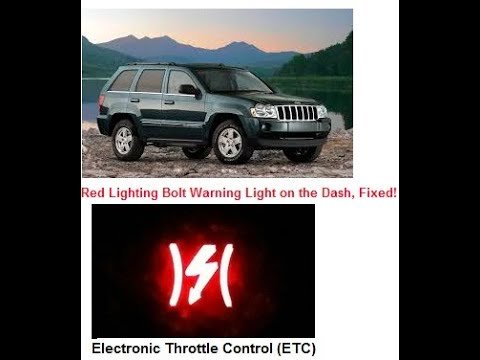
The electronic throttle control system plays a key role in your Jeep’s engine performance. It manages the throttle opening by using electronic signals instead of a direct cable.
Checking this system helps identify issues that cause the P0507 error code, which means the idle speed is higher than expected.
Electronic throttle control checks involve careful inspection of the throttle body motor and sensors. These parts can wear out or fail, affecting your vehicle’s idle speed and driveability.
Proper diagnosis ensures the throttle system works smoothly and prevents further engine problems.
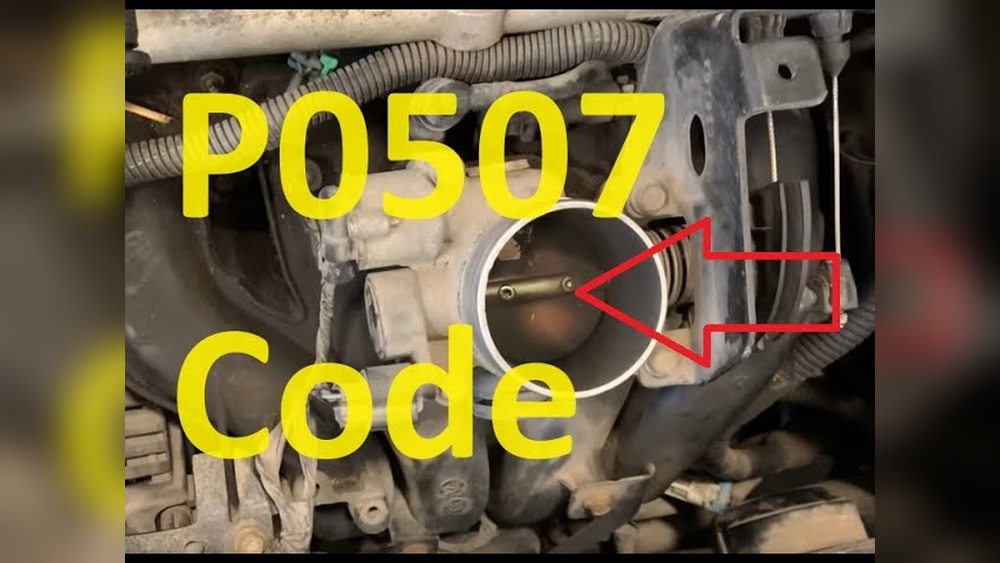
Diagnosing Throttle Body Motor
Start by visually inspecting the throttle body motor for damage or dirt buildup. Dirt and carbon deposits can stop the motor from moving the throttle plate correctly.
Listen for unusual noises when the motor operates, such as grinding or clicking sounds.
Use a scan tool to check for any fault codes related to the throttle motor. Testing the motor’s electrical connections ensures proper power supply and signal flow.
A faulty motor often causes unstable idle and throttle response problems.
Sensor Testing And Replacement
The throttle position sensor (TPS) sends signals to the engine control unit about the throttle’s position. Testing the TPS involves measuring its voltage output with a multimeter while moving the throttle plate.
The voltage should change smoothly without sudden jumps or drops.
If the sensor shows irregular readings, replace it with a new one to restore correct throttle control. Sensor issues often trigger the P0507 code and cause poor engine performance.
Regular checks of sensors prevent unexpected failures on the road.

Common Causes
Dealing with the P0507 code on your Jeep requires more than just basic fixes. Following these additional tips can help prevent recurring issues and keep your engine running smoothly.
These steps focus on key areas that often contribute to idle control problems.
Fuel Injector Cleaning
Dirty fuel injectors can cause rough idle and poor engine performance. Cleaning them ensures proper fuel delivery.
Use a quality fuel injector cleaner added to your gas tank. For severe cases, consider professional ultrasonic cleaning.
Clean injectors help maintain steady engine RPM and reduce emissions.
Addressing Crankcase Ventilation
The crankcase ventilation system controls harmful gases inside the engine. A clogged or faulty PCV valve can increase idle speed and trigger the P0507 code.
Regularly inspect and replace the PCV valve if needed. Make sure all hoses connected to the ventilation system are intact and leak-free.
Proper ventilation improves engine efficiency and reduces oil leaks.
Regular Maintenance Practices
Routine maintenance prevents many idle control issues. Check and replace air filters to avoid dirt buildup.
Inspect vacuum hoses for cracks or disconnections that cause unmetered air leaks. Clean the throttle body to remove carbon deposits that block airflow.
Schedule regular tune-ups to keep sensors and engine parts in top shape. Consistent care helps maintain stable idle and engine performance.
Conclusion
The P0507 code signals an idle control problem in your Jeep. Checking for vacuum leaks can reveal hidden issues quickly.
Cleaning the throttle body often helps restore smooth idle. Inspecting or replacing the IAC valve may fix stubborn idle surges.
Regular maintenance keeps your engine running steady and fuel-efficient. Catching these signs early prevents costly repairs later.
Stay attentive to engine behavior for a safer drive. Understanding these basics helps you handle P0507 with confidence.