If you’ve noticed your Jeep Grand Cherokee’s engine running faster than usual at idle or the check engine light has popped on, the P0507 code might be the culprit.
This code signals that your vehicle’s idle speed is higher than it should be, which can lead to rough idling, stalling, or even long-term engine damage if left unchecked.
Understanding what causes this issue and how to fix it can save you time, money, and stress.
You’ll discover the common symptoms, reasons behind the P0507 code, and simple steps to diagnose and repair your Jeep, so you can get back on the road with confidence.
Don’t let a high idle slow you down read on to find out exactly what you need to do.
Symptoms Of P0507 Code
High idle issues in the Jeep Grand Cherokee can cause engine problems and poor driving experience. The P0507 code signals that the engine’s idle speed is higher than expected. Understanding the common causes helps with quick diagnosis and repair. Below are key reasons why your Jeep might have a high idle.
Dirty Or Faulty Throttle Body
Carbon buildup inside the throttle body stops the throttle plate from closing fully. This lets extra air enter the engine uncontrolled. A dirty throttle body causes erratic idle speed and can trigger the P0507 code. Cleaning or replacing the throttle body often fixes the issue.
Vacuum Leaks In Intake System
Cracks or loose connections in intake hoses let air leak into the engine. This unmetered air raises the idle speed. Common leak spots include vacuum lines, intake manifold gaskets, and throttle body boots. Inspecting and sealing leaks helps restore normal idle.
Malfunctioning Pcv Valve
The PCV valve controls crankcase gases entering the intake. A stuck or broken PCV valve allows excess air to flow in, raising idle speed. Replacing a faulty PCV valve stops unwanted air leaks. Always check the PCV hose for damage too.
Common Causes Of High Idle
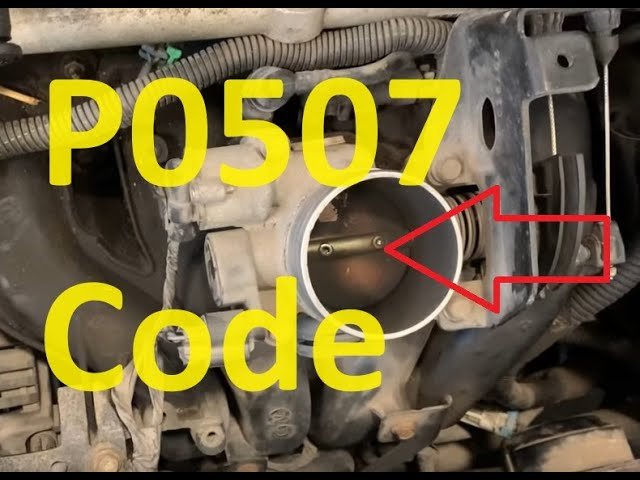
Inspecting the throttle body is a key step in diagnosing the P0507 code on your Jeep Grand Cherokee. This code indicates that the idle control system is running at a higher RPM than expected. The throttle body controls the airflow into the engine. Dirt or carbon buildup can affect its function and cause idle problems. A thorough inspection helps identify issues early and keeps your Jeep running smoothly.
Carbon Buildup Effects
Carbon buildup can block the throttle plate from closing fully. This lets extra air enter the engine, causing a high or unstable idle. It also affects fuel efficiency and engine performance. Over time, the buildup can lead to stalling or rough idling. Checking for carbon deposits helps prevent these problems and improves throttle response.
Cleaning Steps And Tools
Start by removing the air intake tube connected to the throttle body. Use a throttle body cleaner spray designed for this purpose. Apply the cleaner inside the throttle body and around the throttle plate. Use a soft brush or cloth to gently remove the carbon deposits. Avoid harsh scrubbing that can damage the sensors. Let the cleaner sit for a few minutes before wiping it off. Reassemble the parts carefully after cleaning.
Checking Throttle Plate Movement
Manually move the throttle plate to check its range of motion. It should open smoothly and close completely without sticking. Look for any signs of wear or damage on the throttle linkage. A sticky or slow-moving throttle plate can cause irregular idle speeds. Fixing or replacing faulty parts ensures proper airflow control and helps clear the P0507 code.
Inspecting The Throttle Body
Detecting vacuum leaks in your Jeep Grand Cherokee is key to solving the P0507 error code. This code signals that the engine idle speed is higher than expected. A vacuum leak lets extra air enter the engine, causing rough idling and triggering the check engine light. Finding these leaks early prevents further engine damage and improves performance. Careful inspection of hoses and connections helps spot common leak points. You can then fix or replace the faulty parts to restore normal idle speed.
Visual Hose Inspection
Start by examining all vacuum hoses under the hood. Look for cracks, splits, or loose clamps. Pay close attention to hoses near the throttle body and intake manifold. Check for signs of wear or brittleness, especially in older vehicles. A simple squeeze test can reveal soft spots or breaks. Use a flashlight to see into tight spaces. Replace any damaged hoses immediately to stop air leaks.
Common Leak Locations
Vacuum leaks often occur at hose connections and joints. The PCV valve hose is a frequent trouble spot. Inspect the hose connecting the throttle body to the air intake for tears or holes. The intake manifold gasket can also leak air if worn. Check the brake booster vacuum line, as it may crack over time. Look around the intake boot and throttle body for loose fittings or cracks. These areas are prone to leaks and cause the P0507 code.
Repair And Replacement Tips
Replace damaged hoses with OEM parts for the best fit. Use hose clamps to secure new hoses firmly. Clean the throttle body before reassembly to remove carbon buildup. This helps the throttle plate close properly and reduces leaks. Apply a small amount of silicone grease on hose ends for a tight seal. Test the engine idle after repairs to ensure the issue is fixed. Regular checks prevent vacuum leaks from returning.

Detecting Vacuum Leaks
Testing and replacing the PCV valve on your Jeep Grand Cherokee is key to maintaining engine health. A faulty valve can cause rough idle and trigger the P0507 code. This code signals an issue with the idle control system, often linked to the PCV valve’s function.
Understanding how to spot a stuck PCV valve and replace it yourself saves time and repair costs. The process involves checking for signs of failure, removing the valve, inspecting it, and installing new components if needed. Follow these steps to keep your Jeep running smoothly.
Signs Of A Stuck Pcv Valve
Look for rough idling or a high idle speed. The engine may stall or hesitate during acceleration. You might hear unusual hissing sounds from the valve area. Oil leaks or a strong fuel smell can also indicate a stuck PCV valve. These symptoms often trigger the P0507 code.
Removing And Inspecting The Valve
First, locate the PCV valve on the engine. It is usually attached to a hose on the valve cover. Carefully disconnect the hose from the valve. Pull the valve out by hand or with pliers if needed. Shake it; a working valve makes a rattling sound. If silent or clogged, the valve needs replacement. Check the valve for cracks or dirt buildup.
Installing New Pcv Components
Insert the new PCV valve into the valve cover firmly. Reconnect the hose securely to prevent air leaks. Double-check that all connections are tight. Start the engine and listen for smooth idling. Clear any error codes with an OBD2 scanner to reset the system. Proper installation helps avoid the P0507 code and keeps idle stable.
Testing And Replacing Pcv Valve
Additional quick fixes can help resolve the P0507 code in your Jeep Grand Cherokee. These steps focus on the idle control system and related sensors. Performing these checks can restore proper idle speed and improve engine performance. Each fix is simple and can be done with basic tools.
Checking Idle Air Control Sensor
The Idle Air Control (IAC) sensor controls engine idle speed. Dirt or malfunction in the IAC sensor can cause high idle. Start by locating the IAC valve on the throttle body.
Remove it carefully and inspect for dirt or damage. Clean the sensor with electrical cleaner if dirty. Reinstall and test your Jeep’s idle. Replace the sensor if cleaning does not help.
Other sensors may affect idle speed, like the throttle position sensor (TPS) and mass airflow sensor (MAF). Dirt or faults in these sensors cause incorrect air readings.
Check the connectors for corrosion or loose wires. Use sensor cleaner on MAF and TPS sensors without damaging them. Proper sensor function ensures accurate air and fuel mixture.
Resetting The Engine Control Module
Resetting the Engine Control Module (ECM) clears stored error codes and resets idle settings. Disconnect the Jeep’s battery for about 15 minutes. This will reset the ECM and may fix idle issues.
Reconnect the battery and start the engine. The ECM will relearn idle parameters. This simple reset can solve minor glitches causing code P0507.
Additional Quick Fixes
Repairing the P0507 code on a Jeep Grand Cherokee involves different costs based on the repair method. Understanding these costs helps you plan your budget better. Simple fixes can be affordable if you do them yourself. Complex repairs often require professional help and can be pricier.
Diy Cleaning And Inspection Costs
Cleaning the throttle body and inspecting hoses can fix many P0507 issues. You only need a throttle body cleaner, a soft brush, and some basic tools. These items cost around $10 to $25 at auto stores. The job usually takes less than an hour. This option saves money but requires some mechanical skills. Regular inspection helps prevent bigger problems later.
Professional Repair Price Range
Professional repairs for P0507 range from $100 to $350. The price depends on the problem’s complexity and parts needed. Simple throttle body cleaning by a mechanic costs about $100 to $150. Replacing vacuum hoses or PCV valves raises the price closer to $300 or more. Dealers or specialized shops may charge higher labor fees. Always get a detailed estimate before approving work.
Cost Estimates For Repairs
Preventive maintenance is key to avoiding the P0507 code in your Jeep Grand Cherokee. This code often means the engine idle speed is higher than it should be. Keeping parts clean and in good shape helps the engine run smoothly. Simple checks and routine care lower the risk of this problem. Follow these tips to keep your Jeep’s throttle and vacuum systems in top condition.
Regular Throttle Body Cleaning
Clean the throttle body every 20,000 miles or as needed. Carbon buildup can block the throttle plate from closing fully. This causes extra air to enter the engine, raising idle speed. Use a throttle body cleaner spray and a soft brush. Remove dirt and carbon deposits carefully. This keeps airflow steady and prevents rough idling or stalling.
Routine Vacuum System Checks
Inspect vacuum hoses regularly for cracks or loose clamps. Leaks let unmetered air into the engine, causing a high idle. Check hoses connecting to the intake manifold and PCV valve. Replace any damaged or brittle hoses. Keeping the vacuum system sealed helps maintain proper engine idle and performance.
Pcv Valve Maintenance Schedule
Check the PCV valve every 30,000 miles. A stuck or leaking valve pulls extra air into the intake. This disrupts idle speed and engine efficiency. Remove the valve and shake it; it should rattle freely. Replace the valve if it is clogged or damaged. Also, inspect the hose for cracks and replace if needed.
<!– wp:rank-math/faq-block {"questions":[{"id":"faq-question-de25ac5e38b4","title":"How Do I Fix Error Code P0507?","content":"
Fix error code P0507 by inspecting and cleaning the throttle body, checking for vacuum leaks, and replacing a faulty PCV valve. Ensure the idle air control sensor is clean and connected.
nnnnAddress any cracked or loose intake hoses to restore proper idle speed.
“,”visible”:true},{“id”:”faq-question-5108c90c47db”,”title”:”How Serious Is The P0507 Code?”,”content”:”The P0507 code signals a high idle speed, which can cause engine damage or stalling if ignored. Address it promptly.
“,”visible”:true},{“id”:”faq-question-f8972f88eec8″,”title”:”How Much Does It Cost To Fix A P0507 Code?”,”content”:”Fixing a P0507 code typically costs between $50 and $350. Costs depend on parts and labor required.
“,”visible”:true},{“id”:”faq-question-60fca93073b1″,”title”:”Can A Bad Pcv Valve Cause P0507?”,”content”:”A bad PCV valve can cause a P0507 code by creating a vacuum leak, leading to a high idle speed.
“,”visible”:true}]} –>How Do I Fix Error Code P0507?
Fix error code P0507 by inspecting and cleaning the throttle body, checking for vacuum leaks, and replacing a faulty PCV valve. Ensure the idle air control sensor is clean and connected.
Address any cracked or loose intake hoses to restore proper idle speed.
How Serious Is The P0507 Code?
The P0507 code signals a high idle speed, which can cause engine damage or stalling if ignored. Address it promptly.
How Much Does It Cost To Fix A P0507 Code?
Fixing a P0507 code typically costs between $50 and $350. Costs depend on parts and labor required.
Can A Bad Pcv Valve Cause P0507?
A bad PCV valve can cause a P0507 code by creating a vacuum leak, leading to a high idle speed.
Conclusion
The P0507 code on your Jeep Grand Cherokee signals a high idle issue. Common causes include a dirty throttle body or a faulty PCV valve.
Simple checks and cleaning often solve the problem. Fixing these issues helps your Jeep run smoothly again.
Regular maintenance prevents future idle problems. Keep an eye on engine performance to catch issues early.
Taking prompt action saves money and hassle later. Trust your Jeep to deliver the best drive with proper care.