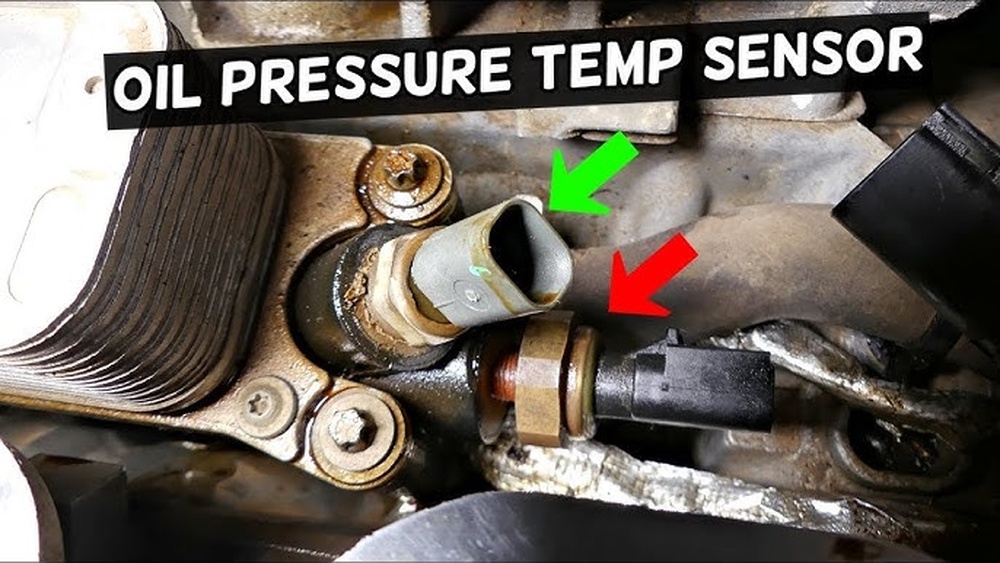
If you own a Jeep and recently noticed the P0501 code popping up on your dashboard, you’re probably wondering what it means and how it affects your ride. This code points to an issue with your Vehicle Speed Sensor (VSS), a small but vital part that tells your Jeep how fast it’s moving.
When the sensor doesn’t perform right, you might see problems like erratic speedometer readings, rough shifting, or even the cruise control giving up on you. Don’t worry understanding the P0501 code can save you time, money, and frustration.
Keep reading to learn what causes this issue, how to spot the symptoms, and what steps you can take to get your Jeep running smoothly again.
P0501 Jeep Code Basics
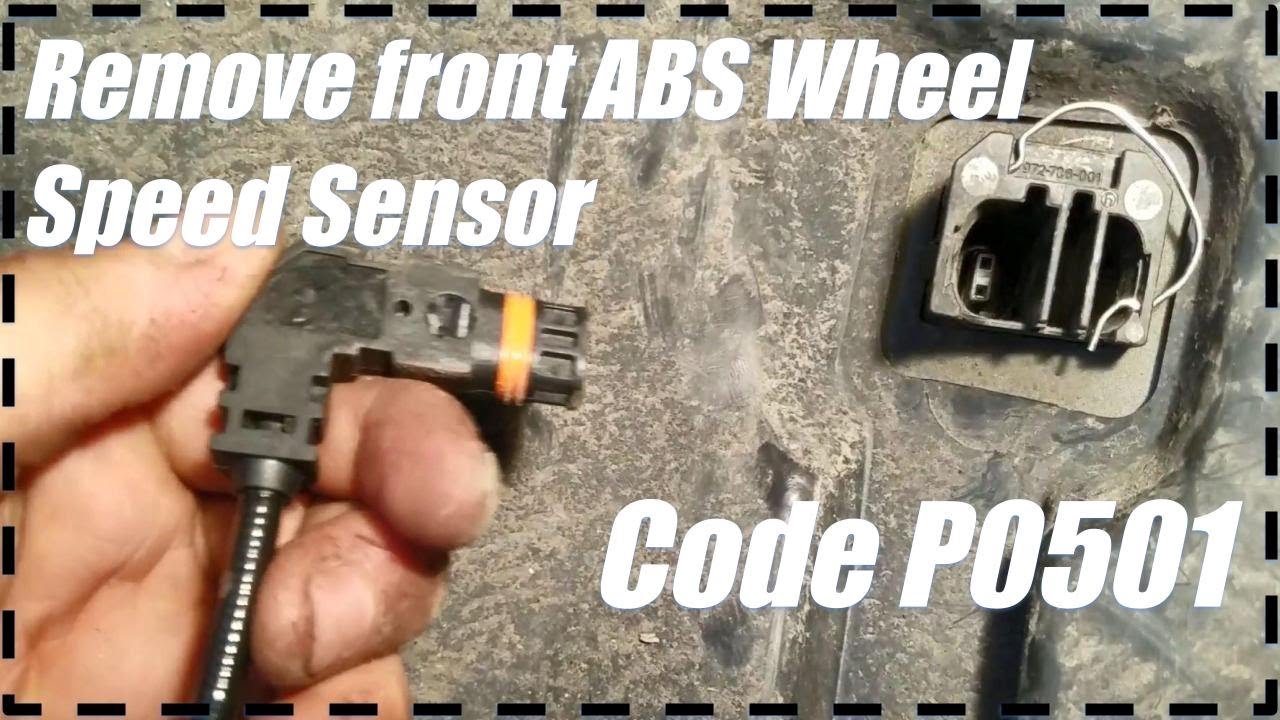
The P0501 code on a Jeep signals a problem with the vehicle speed sensor (VSS). This sensor tracks how fast your Jeep’s wheels turn.
The engine control module uses this data to manage engine and transmission functions. Understanding the basics of this code helps with quick diagnosis and repair.
This code is stored when the sensor’s signal is outside the expected range. The Jeep may show signs of trouble during driving.
Identifying these signs early can prevent bigger issues.
What Triggers P0501
The P0501 code triggers when the vehicle speed sensor sends an abnormal signal. A faulty or dirty sensor often causes this.
Wiring problems, such as frayed or corroded wires, can disrupt the signal. Uneven tire sizes confuse the sensor readings.
Using larger tires without recalibrating the computer also causes errors.
Common Symptoms
The speedometer may act erratically or stop working. The check engine light often turns on.
Sometimes, ABS or traction control lights also illuminate. Transmission shifts can become harsh or irregular, especially in automatic Jeeps.
Cruise control might stop functioning properly. These symptoms point to a speed sensor issue that needs attention.
Engine Idle Control System
The Engine Idle Control System plays a vital role in your Jeep’s performance. It manages the engine’s idle speed and ensures smooth operation when the vehicle is not moving.
This system adjusts the airflow into the engine to keep the RPM steady. Proper idle control prevents stalling and rough idling.
When the Engine Idle Control System malfunctions, it can trigger the P0501 code. This code signals that the idle speed is outside the expected range.
Understanding this system helps diagnose and fix idle-related issues effectively.
Key Components
The Engine Idle Control System has several important parts. The Idle Air Control (IAC) valve controls airflow during idle.
The throttle body works with the IAC valve to adjust air intake. Sensors like the throttle position sensor and engine coolant temperature sensor provide data.
The engine control module (ECM) uses this data to manage idle speed.
How Idle Control Affects Performance
Idle control directly impacts engine smoothness. A faulty system can cause rough idling or engine stalling.
It may increase fuel consumption and emissions. Proper idle speed ensures a smooth start and steady engine operation.
Maintaining the system improves fuel efficiency and vehicle reliability.
Diagnosing P0501 Quickly
Diagnosing the P0501 code in your Jeep requires a focused approach. This code signals an issue with the Vehicle Speed Sensor (VSS), which affects speed readings.
Identifying the problem fast helps avoid further damage and unsafe driving conditions.
Start with simple tools and checks. This saves time and pinpoints faults clearly.
Use the right steps for a quick and accurate diagnosis.
Using An Obd-ii Scanner
Begin by connecting an OBD-II scanner to your Jeep’s diagnostic port. The scanner reads trouble codes stored in the engine control module. P0501 confirms a problem with the speed sensor’s signal.
Look for live data on the scanner. Check if the speed sensor shows any speed readings while driving or spinning the wheels.
No or erratic readings mean the sensor or wiring may be faulty.
Clear the codes and test drive. If the code returns quickly, focus on the sensor and related wiring.
The scanner saves time by giving exact fault data.
Visual Inspection Tips
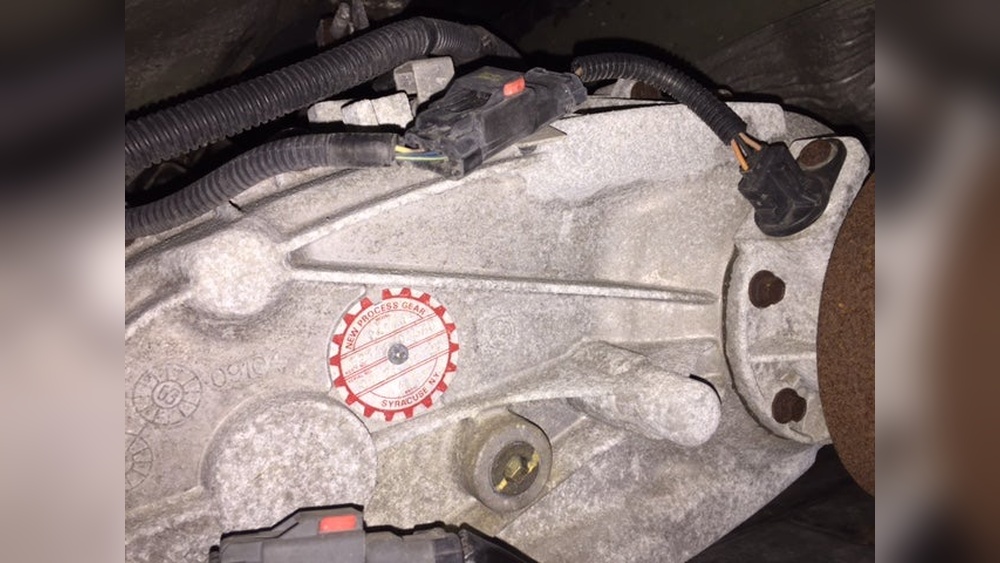
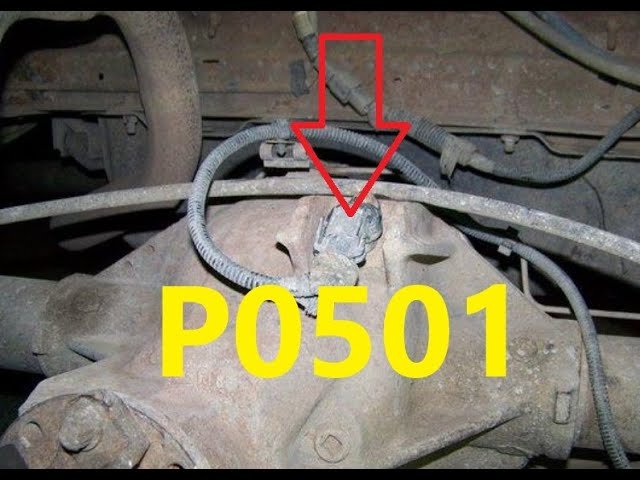
After scanning, perform a visual check of the speed sensor and wiring. Locate the sensor on the transmission or rear axle, depending on your Jeep model.
Inspect the sensor for dirt, metal shavings, or damage. Clean grime gently with a cloth if needed.
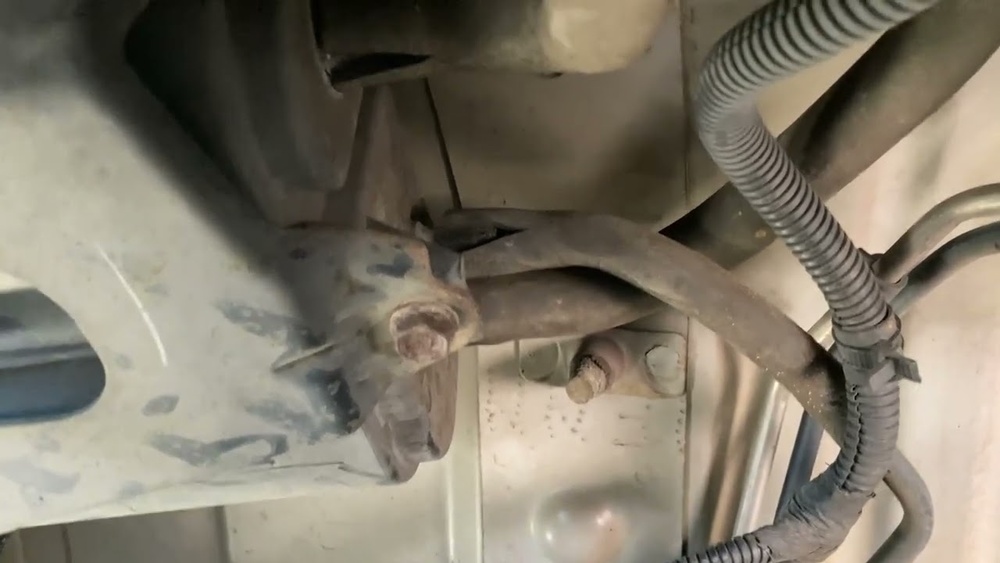
Look closely at wiring and connectors for cuts, corrosion, or pinches.
Damaged wires can break signals or cause shorts. Secure loose wires and replace damaged connectors.
Check tire size and pressure to rule out uneven wear affecting speed readings.
Common Causes Of P0501
The P0501 code on a Jeep signals a problem with the vehicle speed sensor. This sensor helps the engine control module manage idle speed and transmission shifting.
A faulty reading can cause rough idling, poor fuel economy, and shifting issues.
Several common issues trigger the P0501 error. Identifying these causes helps in quick and accurate repairs.
Below are the main reasons that Jeep owners face this code.
Faulty Idle Air Control Valve
The idle air control (IAC) valve controls the engine’s idle speed. Dirt or wear can cause it to stick or fail.
A bad IAC valve sends incorrect signals to the computer. This causes the idle speed to be too high or low.
Replacing or cleaning the valve often fixes this issue.
Vacuum Leaks
Vacuum leaks allow extra air into the engine. This unmetered air disrupts the idle control system.
Common leak points include hoses and gaskets. Even a small leak can cause the P0501 code.
Checking and sealing leaks restores proper idle function.
Dirty Throttle Body
The throttle body regulates air entering the engine. Over time, carbon deposits build up on its surfaces.
This dirt blocks airflow and affects idle speed. Cleaning the throttle body removes deposits and improves sensor readings. This simple step often clears the code.
Wiring And Connector Issues
Faulty wiring or loose connectors disrupt sensor signals. Corrosion, frayed wires, or poor connections confuse the engine control module.
Inspecting wiring harnesses and connectors is essential. Repairing or replacing damaged parts ensures accurate communication.
Step-by-step Troubleshooting
Troubleshooting the P0501 code in a Jeep requires a clear, step-by-step approach. This code points to problems with the vehicle speed sensor or idle system.
Simple checks can often fix the issue without costly repairs. Follow these steps carefully to identify and resolve the problem.
Cleaning The Idle Air Control Valve
The idle air control valve controls engine idle speed. Dirt and grime can block it, causing rough idle or stalling.
Start by locating the valve on the throttle body. Remove it carefully.
Use a throttle body cleaner to spray inside the valve. Wipe away all deposits with a clean cloth.
Let it dry before reinstalling. This cleaning often restores smooth idle performance.
Checking For Vacuum Leaks
Vacuum leaks can cause the P0501 code by disrupting engine air flow. Inspect all vacuum hoses for cracks or loose connections.
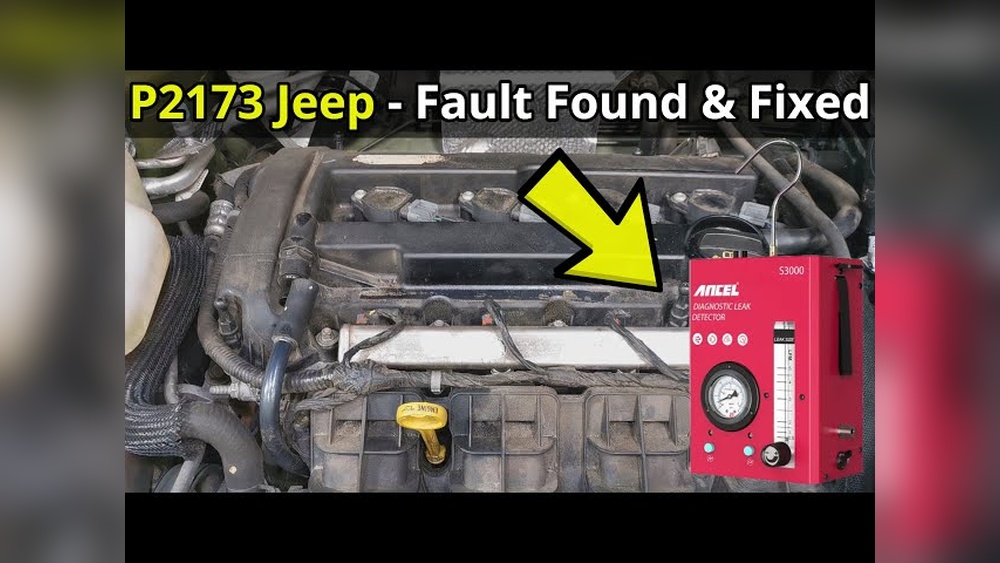
Listen for hissing sounds while the engine runs. Use a smoke machine or spray soapy water on hoses and intake areas.
Bubbles or smoke escaping reveal leaks. Fix any damaged hoses or clamps to restore proper vacuum pressure.
Inspecting Wiring And Connectors
Faulty wiring or loose connectors can interrupt sensor signals. Examine wiring harnesses near the speed sensor and idle air control valve.
Look for frayed wires, corrosion, or broken clips. Clean connectors using electrical contact cleaner.
Secure any loose connections. Repair or replace damaged wires to ensure reliable sensor communication with the engine computer.
Testing The Throttle Position Sensor
The throttle position sensor tells the engine how far the throttle is open. A bad sensor can trigger the P0501 code.
Use a multimeter to check the sensor’s voltage output. Slowly move the throttle and watch for smooth voltage changes.
Any sudden jumps or drops indicate a faulty sensor. Replace the throttle position sensor if tests show it is defective.

Diy Fixes And Maintenance
DIY fixes and regular maintenance help keep your Jeep running smoothly. Addressing the P0501 code yourself saves time and money.
Simple steps can often solve idle speed issues without professional help.
Try these basic tasks to improve your Jeep’s idle performance. Each method targets common causes of the P0501 code. Follow the steps carefully for best results.
Replacing The Idle Air Control Valve
The Idle Air Control (IAC) valve controls engine idle speed. A faulty IAC valve may cause erratic or low idle.
Locate the valve near the throttle body. Disconnect the battery before working on it.
Remove the electrical connector and mounting screws. Take out the old IAC valve carefully.
Install the new valve in reverse order. Reconnect the battery and start the engine.
Check if idle improves and the code clears.
Cleaning The Throttle Body
A dirty throttle body disrupts airflow and affects idle speed. Remove the air intake hose to access the throttle body.
Spray throttle body cleaner on the interior surfaces. Use a soft brush or cloth to remove carbon build-up.
Do not force the throttle plate open. Clean until the surface looks shiny and free of grime.
Reattach the air intake hose and start your Jeep. Notice smoother idle and possible error code reset.
Sealing Vacuum Leaks
Vacuum leaks can cause incorrect idle readings and trigger P0501. Inspect vacuum hoses for cracks or disconnections.
Listen for hissing sounds near the intake manifold. Replace any damaged hoses with new ones.
Use a spray of soapy water or carb cleaner to find leaks. Spray around hose connections and intake gaskets.
If the engine speed changes, you found a leak. Fix leaks promptly to maintain stable idle speed.
When To See A Professional
Some P0501 Jeep problems need expert help. Simple fixes may not solve all issues.
A trained mechanic can diagnose complex faults quickly. It saves time and avoids further damage.
Knowing when to visit a professional is key. Watch for signs that go beyond basic troubleshooting.
Complex Electrical Issues
The P0501 code may result from electrical faults. Wiring problems can be hidden and hard to find.
Faulty connections or damaged wires cause erratic sensor signals. Professionals use special tools to test circuits safely.
They can repair or replace damaged components. Avoid trying complex electrical repairs without experience.
Sometimes P0501 links to transmission trouble. Faulty speed sensors affect gear shifting and performance.
Harsh or delayed shifts indicate deeper issues. A mechanic can check transmission sensors and fluid levels.
Transmission repairs often require special knowledge. Early professional help can prevent costly damage.
Preventing Future P0501 Codes
Preventing future P0501 codes in your Jeep is essential for smooth driving and avoiding costly repairs. This code points to issues with the vehicle speed sensor (VSS).
Keeping the sensor and related parts in good condition helps prevent this code from returning. Simple steps can improve your Jeep’s performance and extend the life of the VSS system.
Regular Maintenance Tips
Check your Jeep’s tires often. Make sure all tires match in size and have even wear.
Uneven tires can confuse the speed sensor. Keep tire pressure at the recommended level.
Inspect wiring near the speed sensor for damage or corrosion. Clean connectors to ensure good contact.
Remove metal shavings or dirt from the sensor regularly. Drive gently to avoid sudden shocks to the sensor and wiring.
Schedule routine service checks to catch issues early.
Using Quality Replacement Parts
Choose OEM or high-quality aftermarket speed sensors. Cheap parts may fail quickly and cause errors.
Use proper tools and follow instructions during installation. Avoid parts that look worn or damaged.
Replace wiring or connectors if they show wear. Quality parts fit better and last longer.
They help keep your Jeep’s systems working properly. Investing in good parts reduces the chance of future P0501 codes.
How To Fix P0501 Fault Code?
To fix P0501, inspect and clean or replace the vehicle speed sensor. Check wiring for damage or corrosion.
Ensure tire sizes match and calibrate the computer if tires changed. Address any transmission issues if present.
Will A P0501 Code Cause Other Issues?
A P0501 code can cause erratic speedometer readings, transmission shifting problems, and cruise control failure. It may also trigger ABS or traction control warnings.
Can I Drive With A Bad Speed Sensor?
Driving with a bad speed sensor can cause erratic speedometer readings, transmission issues, and loss of cruise control. It's unsafe and can damage your vehicle.
Repair or replace the sensor promptly to ensure proper vehicle function and safety on the road.
Where Is The P0501 Vehicle Speed Sensor Located?
The P0501 vehicle speed sensor is typically located on the transmission or near the rear differential. Check these areas for inspection or replacement.
Conclusion
The P0501 code in your Jeep signals a speed sensor issue affecting driving safety. Check tire size and pressure first; mismatches often cause problems.
Inspect wiring for damage or corrosion near the sensor. Clean or replace the sensor if needed to restore proper function.
Addressing these steps helps maintain smooth shifts and accurate speed readings. Regular maintenance prevents costly repairs and keeps your Jeep reliable on the road.
Stay attentive to warning lights and unusual driving behavior to catch issues early.