If you own a Jeep Wrangler and recently spotted the P0501 code, you’re probably wondering what it means and how it affects your ride.
This code points to a problem with your vehicle’s speed sensor, which can cause your speedometer to act erratically, your transmission to shift poorly, or your cruise control to fail.
Ignoring this issue won’t just lead to annoying driving experiences it could also affect your Jeep’s performance and safety.
You’ll learn exactly what triggers the P0501 code, how to identify the symptoms, and practical steps you can take to fix it yourself or know when to call a pro.
Keep reading to get your Jeep Wrangler back to smooth, reliable driving in no time.

P0501 Code Basics
The P0501 code relates to your Jeep Wrangler’s vehicle speed sensor (VSS). This sensor sends data about your speed to the engine control unit.
When the sensor performs outside of expected ranges, the system triggers the P0501 code. This code means the sensor’s output is erratic or inconsistent.
Understanding this code helps you diagnose speed sensor issues early. It prevents bigger problems with your Jeep’s performance and safety.
The sensor is important for speedometer accuracy, transmission shifts, and cruise control. Ignoring the code can cause poor driving experience and potential damage.
Knowing the basics of P0501 allows for quick, effective action.
What Triggers P0501
The P0501 code triggers when the speed sensor signal is out of range. Faulty ABS wheel speed sensors often cause this.
Damaged wiring or poor connections to the sensor also trigger the code. Tire size mismatch affects sensor readings, causing the code.
If the Jeep’s computer is not updated after tire changes, P0501 may appear.
Common Symptoms
You may notice the speedometer acts erratic or jumps. The transmission might get stuck or shift harshly.
Cruise control can fail to engage or stop working. Sometimes, the engine light turns on.
These signs indicate a problem with the speed sensor or its signal.
Impact On Jeep Wrangler
The P0501 code affects driving safety and comfort. The speedometer may not show correct speed, causing confusion.
Transmission shifting errors can reduce performance and cause damage. Cruise control failure limits highway driving ease.
Ignoring the code can lead to costly repairs and unsafe driving conditions.
Vehicle Speed Sensor Role
The Vehicle Speed Sensor (VSS) plays a important role in your Jeep Wrangler’s performance. It measures the speed of the vehicle and sends this data to the engine control unit (ECU).
This information helps the system adjust various functions for smooth driving. A faulty VSS can cause issues like erratic speedometer readings and transmission problems.
How Vss Affects Engine Idle
The VSS helps regulate the engine’s idle speed. It tells the ECU how fast the Jeep is moving or if it is stopped.
Without accurate speed data, the engine may idle too high or too low. This can cause rough idling or stalling.
The sensor ensures the engine runs smoothly during stops and starts.
Abs Sensors Vs Transmission Sensors
Jeep Wranglers often use ABS wheel speed sensors instead of a separate transmission sensor. These sensors track the speed of each wheel and share this data with the ECU.
If one ABS sensor fails, it can trigger a VSS error code. Both sensor types provide speed data, but ABS sensors are more common in Wranglers.
Location On Jeep Wrangler
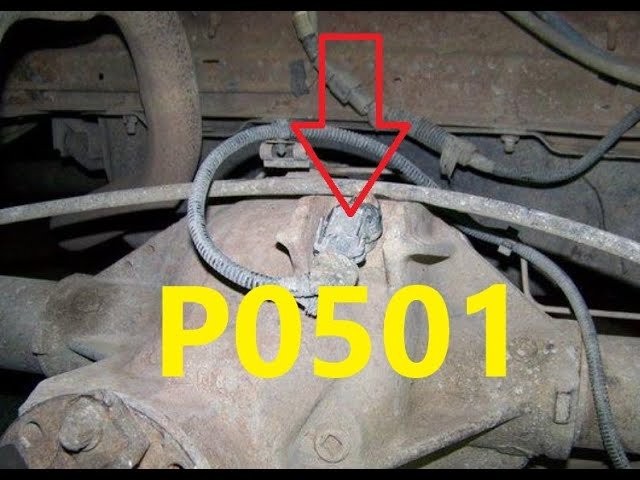
The VSS or ABS sensors are located near the wheels or transmission. ABS sensors are mounted at each wheel hub to monitor wheel rotation.
The transmission speed sensor sits on the transmission housing. Checking these locations helps in diagnosing VSS problems quickly.
Proper access allows for easy cleaning or replacement of the sensors.
Diagnosing Idle Issues
Diagnosing idle issues in your Jeep Wrangler is key to keeping your engine running smoothly. Problems with idle can cause rough engine performance and reduce fuel efficiency.
Identifying the root cause early helps prevent further damage and costly repairs.
Most idle problems relate to sensors, wiring, or the engine control module. The P0501 code points to a vehicle speed sensor range or performance issue.
This affects engine idle and shifting behavior. Follow these steps to diagnose and address the problem.
Checking For Trouble Codes
Start by scanning your Jeep’s computer for trouble codes. Use an OBD-II scanner to read stored fault codes. These codes guide you to specific sensor or system issues. Look for P0501 and related codes. Clear codes after repairs and test if they return.
Inspecting Wiring And Connectors
Examine the wiring harness near the speed sensor carefully. Look for broken, frayed, or corroded wires.
Check connectors for loose pins or dirt buildup. Clean connectors using electrical contact cleaner.
Repair or replace damaged wiring to restore signal flow.
Testing The Speed Sensor
Use a multimeter to test the speed sensor’s electrical resistance. Consult your Jeep’s manual for correct values.
Spin the wheel or sensor shaft to check for signal output. Replace the sensor if readings are out of range or no signal appears. Proper sensor function ensures accurate idle control.
Common Causes
The P0501 code on a Jeep Wrangler signals a problem with the vehicle speed sensor. This sensor helps the Jeep’s computer understand how fast the wheels are turning.
Several common issues can cause this code to appear. Identifying the root cause helps fix the problem quickly and safely.
Faulty Abs Wheel Speed Sensors
The Jeep Wrangler uses ABS wheel speed sensors to measure wheel rotation. These sensors send data to the computer for speed calculation.
Dirt, damage, or wear can make a sensor fail. A faulty sensor gives wrong readings or no data at all.
This triggers the P0501 code and affects speedometer and transmission performance.
Damaged Wiring Harnesses
Wiring harnesses connect the ABS sensors to the computer. These wires can become frayed, broken, or corroded over time.
Damaged wiring stops signals from reaching the computer. It causes the speed sensor to send incorrect information.
Inspecting the wiring closely can reveal cuts or rust that need repair.
Tire Size And Calibration Issues
Tire size affects how fast the wheels spin. If you change to larger or smaller tires without updating the Jeep’s computer, it causes mismatched data.
The vehicle speed sensor reads speed incorrectly. This mismatch leads to the P0501 code.
Proper calibration after changing tires is necessary to avoid this error.
Fixing Speed Sensor Problems
Fixing speed sensor problems on your Jeep Wrangler ensures smooth driving. The speed sensor sends important data to the vehicle’s computer.
This data controls the speedometer, transmission, and cruise control. If the sensor fails, the Jeep may shift gears roughly or show wrong speed readings.
Addressing these issues quickly improves safety and performance.
Cleaning Or Replacing Sensors
Speed sensors can get dirty from road grime and brake dust. Dirt blocks the sensor’s signal, causing errors.
Remove the wheel to access the sensor. Use a soft brush or cloth to clean it gently.
If the sensor looks cracked or damaged, replacement is best. New sensors restore accurate speed readings and smooth transmission shifts.
Repairing Wiring Damage
Wiring problems often cause sensor errors. Wires can rub against metal parts and wear out.
Look for cuts, corrosion, or loose connections in the wiring harness. Repair or replace damaged wires to restore the signal.
Secure loose wires to prevent future damage. Good wiring ensures clear communication between sensors and the computer.
Reprogramming For Tire Changes
Changing tire size affects speed sensor readings. Larger or smaller tires change wheel rotation speed.
The Jeep’s computer needs reprogramming to match new tire sizes. Without this, speed readings will be wrong.
A professional can update the computer settings for correct speed data. Proper programming keeps transmission and cruise control working well.
Additional Idle Issue Tips
Additional tips help you manage idle issues linked to the P0501 code on your Jeep Wrangler. These tips focus on easy checks and preventive measures.
They improve your Jeep’s performance without complex repairs. Follow these simple steps to keep your vehicle running smoothly.
Checking Tire Pressure And Size
Incorrect tire pressure affects the speed sensor readings. Low or high pressure can cause erratic signals.
Use a tire gauge to check each tire’s pressure. Inflate tires to the recommended levels listed in your owner’s manual.
Tire size matters too. Different sizes change how the sensor calculates speed.
If you install larger or smaller tires, the Jeep’s computer needs adjustment. Failing to recalibrate causes the P0501 code to appear.
Avoiding Limp Mode
Limp mode limits your Jeep’s power to protect the engine. It activates when the vehicle detects serious issues.
Avoid triggering limp mode by keeping sensors and wiring in good shape. Clean or replace faulty wheel speed sensors promptly.
Regular maintenance helps prevent limp mode. Check for damaged wiring or loose connectors near the wheels.
Proper tire size and pressure also reduce limp mode chances. Drive gently if you notice idle problems to avoid making issues worse.
When To Seek Professional Help
Some problems need expert attention. If cleaning sensors and checking tires don’t fix the idle issue, see a mechanic.
A technician can test sensors with special tools. They can diagnose wiring problems inside the Jeep’s complex system.
Persistent P0501 codes or frequent limp mode calls for professional diagnosis. Mechanics also update the computer software.
This ensures your Jeep’s system matches the installed tires and components perfectly.
How To Fix P0501 Fault Code?
Fix P0501 by inspecting and cleaning ABS wheel speed sensors. Check wiring for damage or corrosion.
Ensure tire size matches vehicle specs. Replace faulty sensors or repair wiring as needed.
Recalibrate the vehicle computer if tire size changes. Clear the code and test drive to confirm repair.
Can I Drive With A Bad Speed Sensor?
Driving with a bad speed sensor can cause erratic speedometer readings, harsh shifting, and cruise control failure. Repair promptly for safety.
Where Is The P0501 Vehicle Speed Sensor Located?
The P0501 vehicle speed sensor is usually located on the transmission housing. It monitors the output shaft speed.
Some vehicles use ABS wheel speed sensors instead. Check near the transmission or wheel hubs depending on your vehicle model.
Can A Bad Sensor Cause A P0501 Code?
Yes, a bad sensor can cause a P0501 code. Faulty or dirty speed sensors often trigger this code.
Conclusion
The P0501 code signals a problem with your Jeep Wrangler's speed sensor. This can cause erratic speedometer readings and transmission issues.
Checking tire size, wiring, and sensors often solves the problem. Clean or replace faulty sensors to restore proper function.
Keeping these parts in good shape helps your Jeep run smoothly. Regular maintenance prevents unexpected problems on the road.
Drive safe and monitor any warning lights closely. Understanding this code makes Jeep care easier and less stressful.