If you’ve seen the P0456 code pop up on your Jeep Wrangler’s dashboard, you’re probably wondering what it means and how serious it is. This code points to a tiny leak somewhere in your vehicle’s Evaporative Emission (EVAP) system, your Jeep’s way of controlling fuel vapors and protecting the environment.
While it might sound intimidating, fixing this issue is often simpler than you think. You’ll learn exactly what causes the P0456 code, how to spot the common trouble spots, and the best steps to get your Wrangler back to running smoothly.
Keep reading to save time, avoid costly repairs, and keep your Jeep adventure-ready.

Common Causes Of P0456 Code
The P0456 code on a Jeep Wrangler signals a small leak in the EVAP system. This system controls fuel vapors to prevent pollution. Finding the exact cause often means checking simple parts first. Then, move to more complex components if needed.
Loose Or Damaged Gas Cap
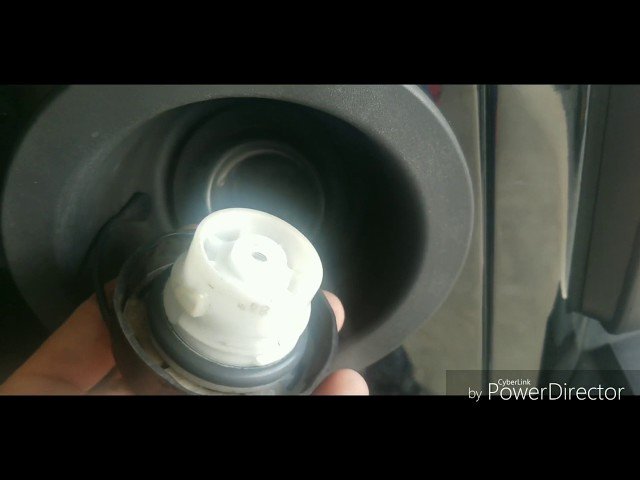
A loose or damaged gas cap is the most common reason for the P0456 code. The cap seals the fuel tank to keep vapors inside.
If it is not tight or the seal is cracked, vapors escape. Tighten the cap until you hear three clicks.
Replace it if the seal looks worn or cracked.
Faulty Evap Canister Purge Valve
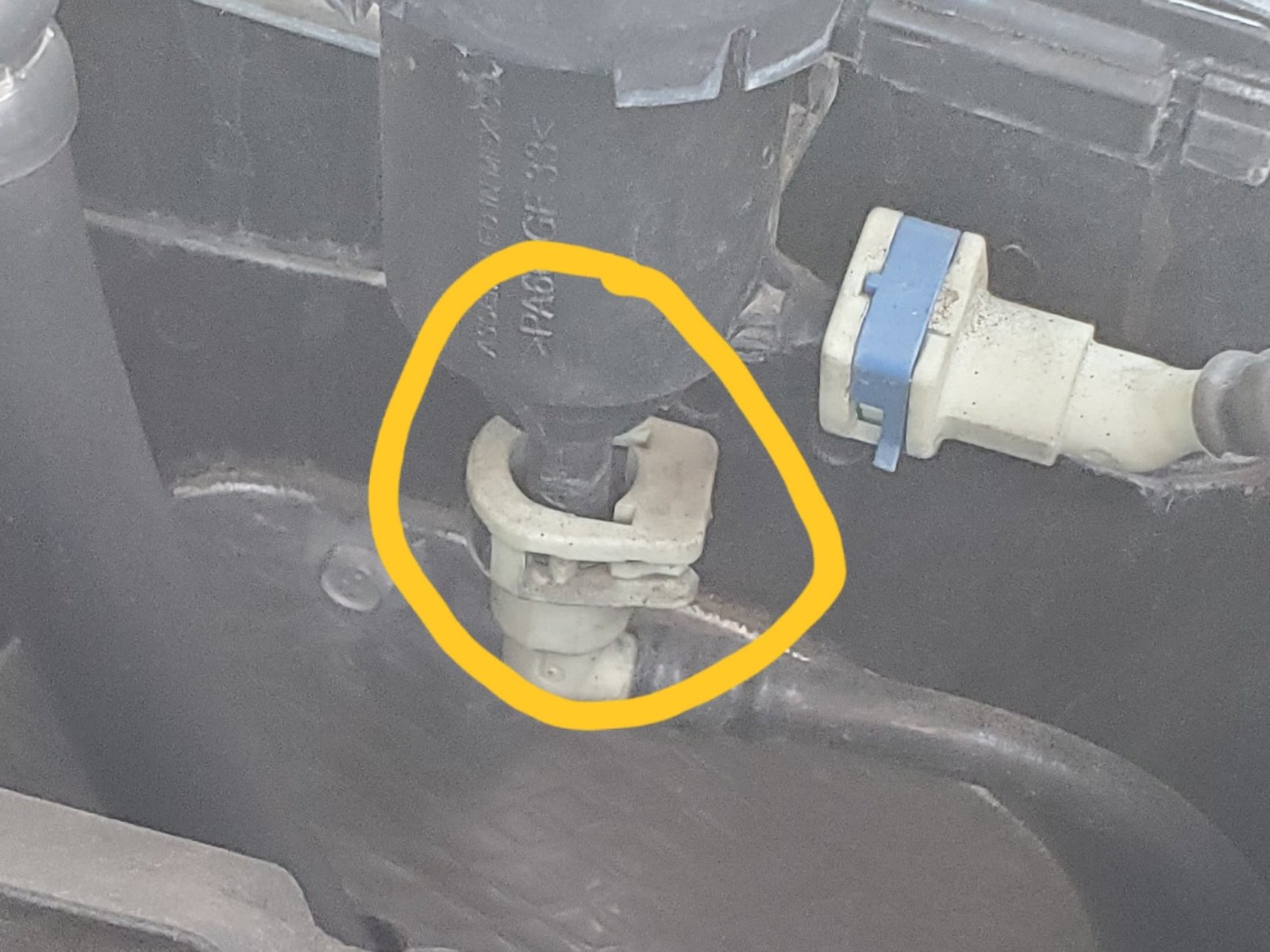
The EVAP canister purge valve controls vapor flow from the fuel tank to the engine. If this valve sticks open or closed, leaks may occur.
A faulty purge valve can trigger the P0456 code. Testing and replacing the valve can fix the problem.
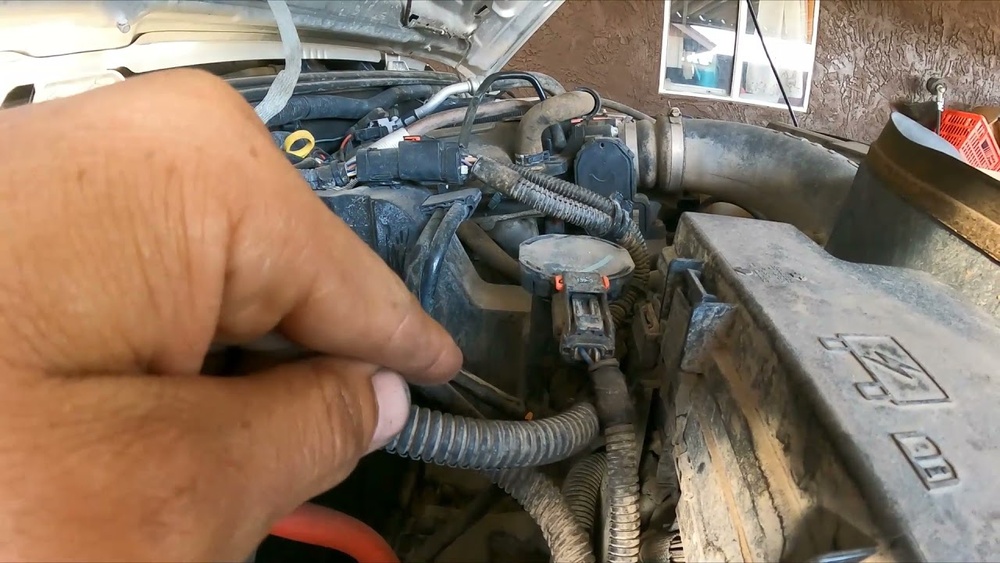
Cracked Or Disconnected Hoses
The EVAP system uses hoses to carry fuel vapors. These hoses can crack over time or come loose.
A small crack or loose connection causes vapor leaks. Inspect the hoses carefully for damage or disconnection. Replace or reconnect any faulty hoses.
Defective Evap Leak Detection Pump (esim)
The EVAP Leak Detection Pump, or ESIM, checks for leaks in the system. It is located behind the rear passenger wheel well on Jeep Wranglers.
A defective ESIM cannot detect leaks properly, causing the P0456 code. Checking the module and wiring helps find issues.
The ESIM is affordable and fairly simple to replace if needed.
Quick Gas Cap Fixes
Quick gas cap fixes often solve the P0456 code on a Jeep Wrangler. This error points to a small leak in the EVAP system.
The gas cap is a common cause of this leak. Fixing it can be simple and fast.
These tips help ensure your gas cap is not the problem.
Proper Tightening Technique
Turn the gas cap clockwise until you hear three clicks. This ensures a tight seal.
Avoid over-tightening, which can damage the cap or seal. A loose cap allows fuel vapors to escape, triggering the P0456 code.
Check the cap after every fill-up to keep it secure.
Replacing A Worn Gas Cap
Inspect the gas cap for cracks or damage. A worn cap cannot seal properly.
Replace the gas cap if it looks old or broken. New caps are affordable and easy to find at auto parts stores.
Using the right cap model is important for a good fit on your Jeep Wrangler.
Signs Of A Faulty Seal
Look for cracks, tears, or hardening in the rubber seal. A faulty seal lets vapors leak out.
This causes the P0456 error code. Replace the gas cap if the seal shows any damage.
A good seal keeps the EVAP system airtight and working well.
Inspecting Evap Hoses
Inspecting the EVAP hoses on your Jeep Wrangler is essential when diagnosing a P0456 code. This code signals a small leak in the Evaporative Emission Control System.
The EVAP hoses carry fuel vapors from the gas tank to the engine to prevent pollution. Any damage or cracks in these hoses can trigger the P0456 code.
Regular inspection helps catch issues early and keep your Jeep running clean.
Locating Hoses On Jeep Wrangler
The EVAP hoses run between the gas tank and the engine area. Start by opening the hood and checking near the engine bay.
Some hoses run underneath the vehicle, connecting to the fuel tank. Use a flashlight to spot the black rubber or plastic tubes.
Refer to your Jeep’s manual for exact hose locations if needed.
Visual Inspection Tips
Look closely at each hose for cracks or splits. Check for loose connections or worn spots.
Feel the hoses for any soft or brittle areas. Also, inspect where hoses join with clamps or fittings.
Dirt or fuel residue around these points may show a leak. Clean the area before inspection for better results.
Common Hose Damage Areas
Hoses near the fuel tank often suffer wear due to heat and movement. Bends and curves in the hose can develop cracks over time.
Connections at the fuel canister and engine are also common leak points. Watch for pinched hoses under the vehicle, caused by rubbing on metal parts.
Replace any hose showing signs of damage to fix leaks.
Checking The Evap Canister And Purge Valve
Checking the EVAP canister and purge valve is important when diagnosing the P0456 code on a Jeep Wrangler. These parts control fuel vapors and prevent leaks in the system.
A small leak can trigger the code and affect vehicle performance. Understanding their location and function helps in spotting issues quickly.
Identifying The Canister Location
The EVAP canister stores fuel vapors from the gas tank. On a Jeep Wrangler, it sits near the rear wheel well on the passenger side.
Look behind the wheel well or under the vehicle to find a black plastic box with several hoses attached. This part connects to the fuel system and the engine.
Testing The Purge Valve Function
The purge valve controls when fuel vapors move from the canister to the engine. To test it, first locate the valve near the engine bay.
Listen for a clicking sound when the engine runs. You can also apply 12 volts to the valve’s terminals to check if it opens and closes.
A faulty valve might stay stuck, causing leaks.
Replacing Faulty Components
Replace the EVAP canister or purge valve if tests show they are damaged. Start by disconnecting the battery to avoid electrical issues.
Remove the hoses and mounting bolts carefully. Install the new part by reversing the removal steps.
Make sure all connections are tight to prevent future leaks.
Diagnosing The Evap Leak Detection Pump (esim)
Diagnosing the EVAP Leak Detection Pump (ESIM) is key to fixing code P0456 on your Jeep Wrangler. This code signals a small leak in the EVAP system.
The EVAP system stops fuel vapors from escaping into the air. The ESIM plays a big role in keeping this system working well.
Esim Location And Role
The ESIM is near the rear passenger wheel well. It sits on the EVAP canister.
Its job is to pump air through the system to check for leaks. If the ESIM fails, the system cannot detect leaks properly. This causes the P0456 code to appear.
Signs Of Esim Failure
One sign is the check engine light turning on. You might also notice a fuel smell near your Jeep.
The engine may run rough or stall. Diagnostic tests may show a leak even if none exists.
These signs point to a faulty ESIM pump.
Steps For Replacement
First, disconnect the battery to avoid shorts. Remove the rear passenger wheel and inner fender liner.
Locate the ESIM on the EVAP canister. Unplug the electrical connector and remove mounting bolts.
Replace the old ESIM with a new one. Reinstall all parts and reconnect the battery.
Clear the codes and test drive to confirm the fix.
Diy Smoke Test For Evap Leaks
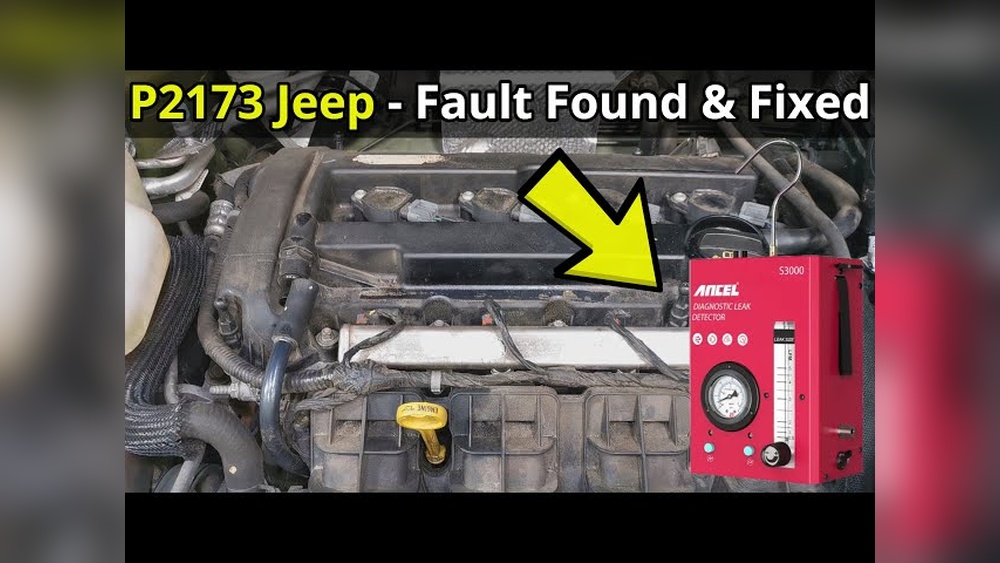
Performing a DIY smoke test helps find leaks in your Jeep Wrangler’s EVAP system. This test reveals small holes or cracks causing the P0456 error code.
Smoke enters the EVAP lines and escapes through leaks, making them visible. You save money by checking leaks yourself before visiting a mechanic.
Tools Needed For Smoke Testing
- Smoke machine or smoke tester
- EVAP smoke test adapter
- Basic hand tools (screwdrivers, pliers)
- Gloves and safety glasses
- Flashlight
Step-by-step Smoke Test Procedure
- Ensure the engine is cool and turned off.
- Locate the EVAP service port using the adapter.
- Attach the smoke machine to the EVAP port securely.
- Turn on the smoke machine to fill the system with smoke.
- Watch carefully for smoke escaping outside the system.
- Check hoses, valves, and connections for visible smoke leaks.
- Mark leak spots and note their severity.
- Turn off the smoke machine and disconnect it.
Interpreting Smoke Test Results
Visible smoke signals a leak in that area. Small smoke trails indicate minor leaks.
Thick or steady smoke suggests larger cracks or holes. No smoke means the EVAP system is likely sealed properly.
Use results to decide if parts need replacing or tightening. Fixing leaks early prevents engine light warnings and fuel loss.
When To Seek Professional Help
The P0456 code on your Jeep Wrangler signals a small leak in the EVAP system. Some fixes are simple, but others require expert skills.
Knowing when to seek professional help can save time and money. It also ensures your vehicle stays safe and runs smoothly.
Complex Evap System Repairs
The EVAP system has many parts like valves, lines, and sensors. Some issues need special tools to find and fix leaks.
For example, replacing the ESIM module behind the rear passenger wheel well is tricky. It needs careful handling and proper installation.
Professionals have the right equipment and know-how to handle these tasks well.
Cost Considerations
Simple repairs like tightening or replacing a gas cap are cheap. But complex repairs may cost more.
Labor charges and parts add up quickly. Getting a professional diagnosis helps avoid guessing and wasting money.
It also prevents damage from improper repairs. Spending on a quality fix is better than repeated quick fixes.
Preventive Maintenance Tips
Keep your gas cap tight and check it often for cracks. Inspect hoses and wiring for wear or damage regularly.
Clean or replace parts as needed to avoid leaks. Schedule routine checks with a mechanic to catch problems early.
Preventive care helps keep the EVAP system working and stops the P0456 code from returning.
How Do I Fix A P0456 Code On My Jeep?
Tighten your gas cap until it clicks three times. Inspect EVAP hoses and replace cracked caps.
Check and secure ESIM wiring. Replace faulty ESIM module if needed.
Perform a smoke test to find small leaks in the EVAP system.
What Is The Most Common Cause Of P0456?
The most common cause of P0456 is a loose or faulty gas cap that fails to seal the EVAP system properly.
What Is The Code P0456 On A Jeep?
Code P0456 on a Jeep indicates a small leak in the Evaporative Emission (EVAP) system. It often involves a loose or faulty gas cap, damaged hoses, or a failing leak detection pump (ESIM).
Checking and tightening the gas cap usually resolves it.
Is It Expensive To Fix An Evap Leak?
Fixing an EVAP leak usually costs between $50 and $300. Costs vary by leak location and part replaced.
Conclusion
The P0456 code on a Jeep Wrangler signals a small EVAP leak. Start by checking the gas cap for tightness and damage.
Inspect hoses and wiring for cracks or loose connections. Replacing the ESIM module might be necessary if other fixes fail.
Addressing this code early helps avoid bigger problems later. Keep your Jeep running clean and efficient with simple, regular checks.
Stay alert to any warning lights and fix leaks promptly. Your Wrangler will thank you with better performance and fewer emissions issues.