If you’ve seen the P0456 code pop up on your 2018 Jeep Grand Cherokee, you’re probably wondering what it means and how to fix it. This code signals a small leak in your vehicle’s EVAP system, which controls fuel vapor emissions.
Even though it sounds technical, the problem is often something simple, like a loose gas cap or a cracked hose. But ignoring it can lead to bigger issues and even fail an emissions test. You’ll learn exactly what causes the P0456 code, how to spot the common trouble spots, and what steps you can take to get your Grand Cherokee back on the road without worries.
Stick with me, and you’ll feel confident handling this issue or knowing when to seek help.
Evap System Leak Basics
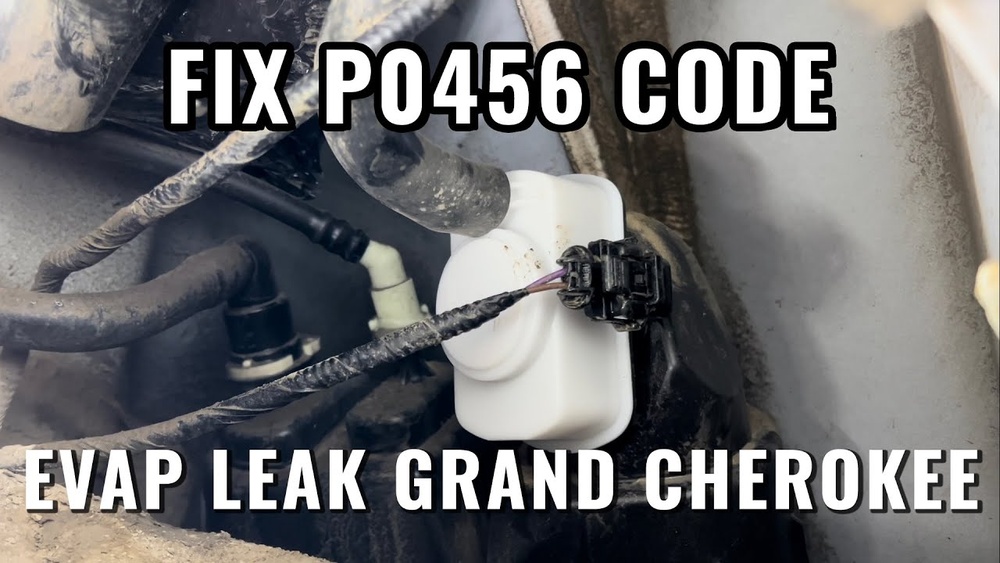
The EVAP system in your 2018 Jeep Grand Cherokee controls fuel vapors. It traps and recycles them to reduce pollution. A leak in this system triggers the P0456 code. Understanding EVAP system leak basics helps with quick diagnosis and repair.
Leaks can be very small but still affect your vehicle’s performance. The system includes hoses, valves, and a fuel tank seal.
Even a tiny crack or loose cap causes issues. Detecting these leaks early avoids bigger problems and saves money.
What Triggers P0456 Code
The P0456 code means a small EVAP leak is detected. Sensors find a drop in pressure inside the system.
Common triggers include a loose or damaged gas cap. Cracked hoses or faulty purge valves also cause leaks.
Dirt or debris in the fuel filler neck can prevent proper sealing.
Why It Matters For Your Jeep
A leaking EVAP system affects fuel efficiency and emissions. Your Jeep might fail emissions tests with this code.
It also causes the check engine light to turn on. Ignoring the leak can lead to fuel odors and engine performance issues.
Fixing the leak keeps your Jeep running clean and smooth.

Common Leak Sources
The P0456 code on a 2018 Jeep Grand Cherokee signals a small leak in the EVAP system. Finding the source of this leak can be tricky.
Several parts often cause this issue. Understanding these common leak sources helps fix the problem faster.
This section explains the main areas to check for leaks.
Fuel Filler Neck And Flapper
The fuel filler neck often causes EVAP leaks. The capless fuel filler tube has a flapper door that seals the system.
Dirt, debris, or dried fuel can stop the flapper from closing properly. Sometimes the flapper door gets damaged or worn out.
This lets fuel vapors escape and triggers the P0456 code.
Cleaning the fuel filler neck regularly keeps the flapper working well. Inspect the flapper for cracks or bends.
Replace it if damaged to ensure a tight seal.
Purge Solenoid Valve Issues
The purge solenoid valve controls vapor flow from the charcoal canister to the engine. It sits in the engine bay and can develop problems.
The valve may stick open or crack at its connections. Faulty hoses attached to the valve also cause leaks. These leaks trigger error codes like P0456.
Check the purge valve and its hoses for cracks or disconnections. Replace any broken parts to restore proper vapor flow.
Esim Sensor Failures
The ESIM sensor monitors the EVAP system’s integrity. It is near the charcoal canister, usually under the vehicle close to the rear passenger wheel.
This sensor often fails on the Jeep Grand Cherokee. A bad ESIM sensor can falsely report leaks.
Testing the ESIM sensor with a scan tool helps confirm if it works well. Replace the sensor if it shows faults to clear the P0456 code.
Hoses And Connections
Hoses and connections in the EVAP system are common leak points. Over time, hoses can crack, harden, or disconnect.
These small leaks let fuel vapors escape and cause the P0456 code. Check all hoses around the fuel tank, purge valve, and charcoal canister.
Look for loose clamps or damaged hoses. Replace or tighten any faulty parts to stop leaks.
Diy Diagnosis Steps
Diagnosing a P0456 code on a 2018 Jeep Grand Cherokee can be straightforward with the right approach. This code signals a small leak in the evaporative emissions system.
You can perform some simple checks yourself before visiting a mechanic. Follow these DIY diagnosis steps to identify the problem.
Visual Inspection Tips
Start by examining the fuel filler area. Look for cracks, dirt, or damage around the fuel cap or capless fuel inlet.
Check the gas cap seal for wear or gaps. Inspect the hoses and valves connected to the EVAP system.
Look for any disconnected or cracked parts. Pay close attention to the purge valve in the engine bay.
Cleaning The Fuel Inlet
Clean the fuel filler neck with a clean rag. Remove any dirt, dust, or dried fuel deposits inside.
This helps the fuel door seal properly. A dirty or sticky fuel inlet can cause the EVAP system to leak.
Wipe gently to avoid damaging the sealing flap or door. Cleaning may fix small leaks and reset the system.
Checking Hoses And Valves
Inspect the EVAP system hoses for cracks or breaks. Check the connection points for tightness.
The purge solenoid valve can stick or crack, causing leaks. Test the valve by listening for clicks when the engine runs.
Replace any damaged hoses or faulty valves. Secure loose connections to prevent leaks.
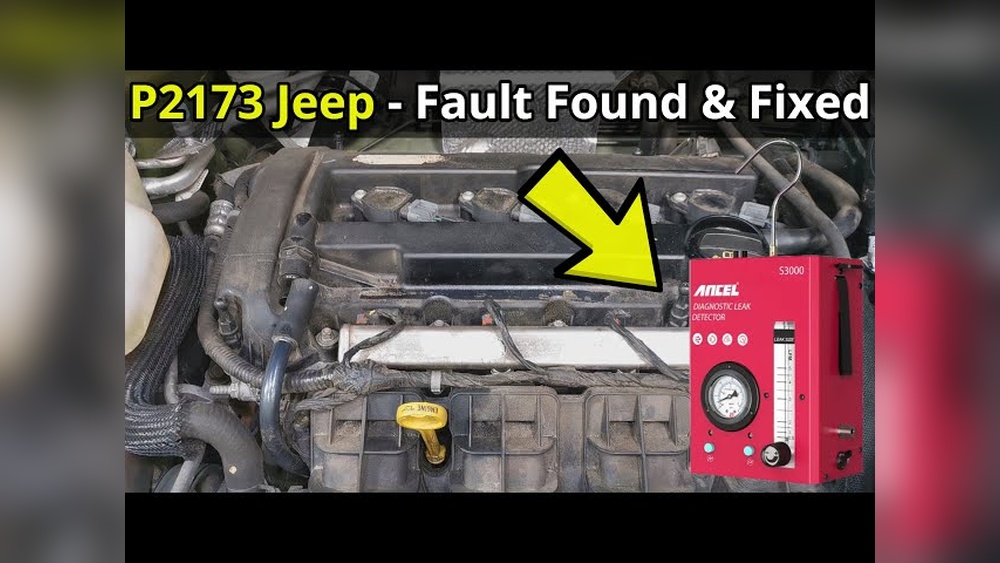
Using A Smoke Test
A smoke test helps find tiny EVAP leaks you cannot see. It involves injecting smoke into the system.
Watch for smoke escaping from hoses, valves, or seals. This method reveals leaks hidden during a visual check.
Many repair shops offer smoke testing if you cannot find the leak yourself. It is an effective way to detect small cracks or holes.
Quick Fixes To Try
Fixing the P0456 error code on a 2018 Jeep Grand Cherokee can seem tough. This code points to a small leak in the EVAP system.
Many quick fixes can solve the problem without heavy costs or complicated repairs. Trying these simple steps might save time and money.
Resetting The Gas Cap Area
Start by checking the gas cap. Even a loose or damaged cap can cause the P0456 code.
Remove the cap and clean around the fuel filler neck with a rag. Tighten the gas cap until it clicks firmly.
This resets the seal and may clear the code.
Repairing Hose Cracks
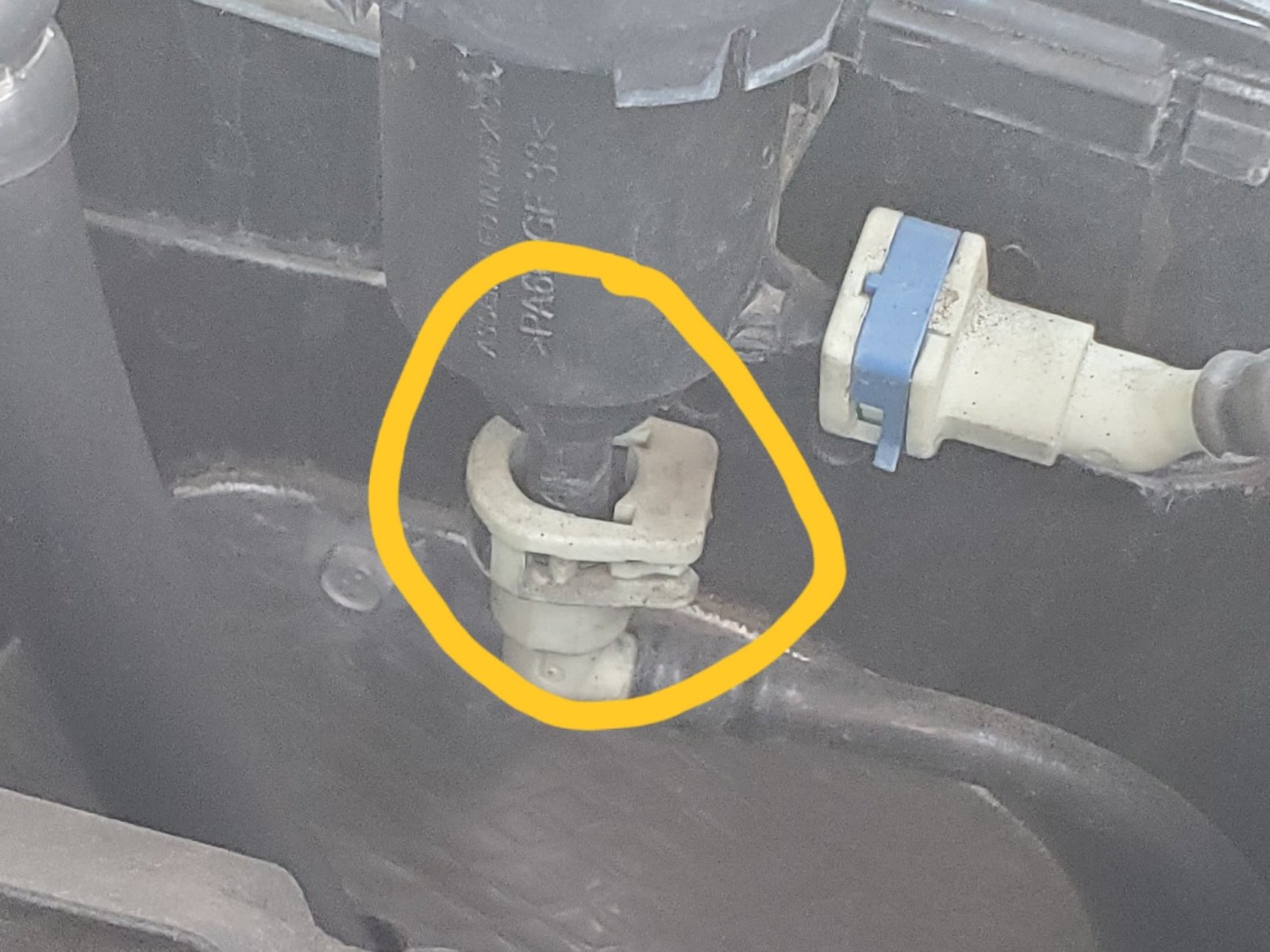
Inspect the EVAP hoses under the hood. Look for cracks or breaks, especially near the purge solenoid.
Small cracks cause leaks that trigger the error code. Replace damaged hoses with new ones.
This fix restores proper system pressure and stops leaks.
Replacing The Purge Solenoid
The purge solenoid controls vapor flow in the EVAP system. If it sticks open or leaks, the P0456 code appears.
Check the solenoid for damage or wear. Swap it out with a new solenoid if it is faulty.
This repair helps the system work correctly again.
Addressing Esim Sensor Problems
The ESIM sensor monitors the EVAP system’s integrity. It can fail or give false readings.
Locate the ESIM sensor near the charcoal canister, usually behind the rear passenger wheel. Replace the sensor if it malfunctions. This step ensures accurate detection of leaks.
When To Seek Professional Help
Knowing when to seek professional help for a P0456 code on your 2018 Jeep Grand Cherokee can save time and money. Small EVAP leaks are tricky to find and fix without the right tools.
Attempting repairs without experience may worsen the issue. A mechanic’s expertise ensures the problem gets diagnosed and fixed correctly.
Watch for signs like persistent check engine lights or failed emissions tests. These symptoms suggest the leak is beyond a simple fix.
Complex Leak Detection
Some EVAP leaks are too small to spot visually. Professionals use smoke machines to find hidden leaks.
This method forces smoke through the system to reveal cracks or holes. It helps locate leaks in hard-to-see places under the vehicle.
Accurate leak detection avoids replacing parts unnecessarily. It also ensures your Jeep passes emissions tests reliably.
Handling Evap System Repairs
EVAP system components require careful handling and proper tools. Fixing or replacing valves, hoses, or sensors may need disassembly of parts.
Professionals have knowledge about the Jeep’s specific EVAP system layout. They can safely remove and install parts without causing damage.
DIY repairs risk creating new leaks or electrical issues. Skilled mechanics confirm repairs work by clearing codes and testing the system.
Cost Expectations
Repair costs vary depending on the leak’s location and severity. Simple fixes like replacing a gas cap cost less.
Complex repairs involving valves or charcoal canisters cost more. Labor charges depend on the time needed to access parts.
Expect to pay between $150 and $500 for typical EVAP leak repairs. Investing in professional service avoids repeat visits and higher expenses later.
Preventive Tips
Preventing the P0456 error code on a 2018 Jeep Grand Cherokee requires simple, regular care. The P0456 code points to a small leak in the EVAP system.
This system traps fuel vapors and stops them from escaping into the air. Small leaks can lead to bigger problems if ignored.
Follow these tips to keep your vehicle’s EVAP system healthy and avoid costly repairs.
Regular Evap System Checks
Check your EVAP system often to catch small leaks early. A visual inspection can reveal cracked hoses or loose connections.
Use a smoke test for hidden leaks if needed. Early detection helps keep emissions low and saves fuel.
Schedule these checks every few months or during routine maintenance.
Maintaining Fuel Filler Components
Keep the fuel filler neck clean and free of debris. Dirt or dried fuel can stop the capless fuel door from sealing properly.
Wipe the inside of the filler neck with a clean rag regularly. Ensure the sealing flapper door is not damaged or stuck.
Proper sealing prevents vapor leaks and the P0456 code.
Avoiding Common Mistakes
Do not ignore the gas cap, even if your Jeep has a capless system. A faulty or loose gas cap often triggers the P0456 code.
Avoid overfilling the gas tank, which can damage EVAP components. Use only recommended fuel types to reduce stress on the system.
These small steps prevent leaks and improve vehicle performance.
Conclusion
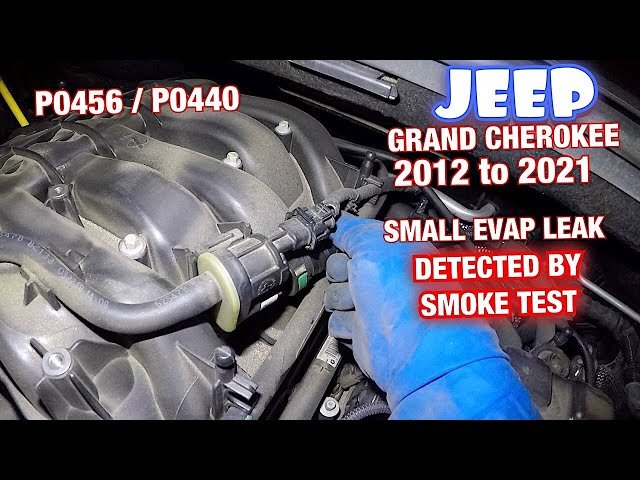
The P0456 code in a 2018 Jeep Grand Cherokee signals a small EVAP system leak. Common causes include a faulty gas cap, cracked hoses, or a stuck purge valve.
Simple checks, like cleaning the fuel inlet and inspecting hoses, often help.
Using a smoke test can find hidden leaks. Fixing the issue early prevents bigger problems.
Regular maintenance keeps your Jeep running smoothly and cleanly. Stay attentive to warning signs for safe and efficient driving.