If you’ve seen the P0455 code pop up on your Jeep’s dashboard, you’re probably wondering what it means and how it could affect your ride.
This code signals a large leak in your vehicle’s Evaporative Emission (EVAP) system, which helps control fuel vapors and keep your Jeep running clean.
Ignoring it might seem easy, but it can lead to more pollution, lower fuel efficiency, and even a failed emissions test.
You’ll learn what causes the P0455 code, how to spot common issues, and what you can do to fix it quickly and get back on the road with confidence.
Keep reading you don’t want to miss these simple tips that could save you time and money.
What P0455 Means
The P0455 code signals a large leak in the EVAP system of your Jeep. This system controls fuel vapors to reduce pollution.
When a big leak occurs, the engine control module detects a drop in pressure. It then triggers the P0455 trouble code to alert the driver.
Understanding what causes this code helps in fixing the problem quickly. It also prevents poor fuel economy and failed emissions tests.
The EVAP system works by sealing fuel vapors inside the tank. Any break or crack lets vapors escape, causing this code.
Evap System Basics
The EVAP system captures fuel vapors from the gas tank. It stores them in a charcoal canister to keep vapors from entering the air.
When the engine runs, these vapors are sent to the engine to burn. This process helps reduce harmful emissions.
Key parts include hoses, valves, and the charcoal canister. The system must be airtight to work properly.
Even a small hole or loose gas cap can cause a leak. The P0455 code means there is a large leak somewhere.
How The Large Leak Code Triggers
The engine control module tests the EVAP system by monitoring pressure. It uses sensors to check if the system holds vacuum or pressure.
A large leak causes the pressure to drop quickly. If the system cannot hold pressure, the code P0455 appears.
Common causes include cracked hoses, a faulty vent valve, or a broken charcoal canister. Sometimes, the gas cap is loose or missing.
The system cannot seal properly and triggers the code. Detecting the source of the leak is the first repair step.

Common Causes
The P0455 code on a Jeep indicates a large leak in the EVAP (Evaporative Emission) system. This system prevents fuel vapors from escaping into the air.
Several common issues can cause this error. Identifying the cause quickly helps avoid bigger problems.
Below are the main reasons why this code appears on your Jeep. Understanding each one makes it easier to fix the problem.
Leaking Vacuum Hoses
Vacuum hoses connect parts of the EVAP system. Over time, these hoses can crack or break.
A loose or disconnected hose lets air enter, causing a large leak. Check the hoses for damage or wear regularly.
Faulty Vent Valve
The vent valve controls air entering the EVAP system. If it fails and stays open, it creates a big leak.
A malfunctioning vent valve needs replacement to restore proper function.
Cracked Charcoal Canister
The charcoal canister traps fuel vapors. Cracks or damage to the canister cause leaks.
Road debris or age often causes this damage. Inspect the canister if you see the P0455 code.
Damaged Fuel Tank Or Filler Neck
Physical damage to the fuel tank or filler neck causes leaks too. The filler neck is where you put in fuel.
Cracks or holes in these parts let vapors escape and trigger the error code.
Loose Or Missing Gas Cap
A loose or missing gas cap is a simple but common cause. The gas cap seals the fuel system.
If it is not tight or is lost, vapors leak out. Always tighten your gas cap after refueling.
Diagnosing The Leak
Diagnosing a P0455 code on your Jeep means finding the source of a large EVAP leak. This code signals a problem in the evaporative emission control system.
Pinpointing the leak helps fix the issue and clear the code. Follow these steps to check your Jeep for leaks.
Visual Inspection Steps
Start by examining the gas cap. Make sure it is tight and in good shape.
Look for cracks or damage on the fuel tank and filler neck. Check all hoses and connections for splits or loose fittings.
Dirt or moisture around connections can also hint at leaks.
Using A Smoke Machine
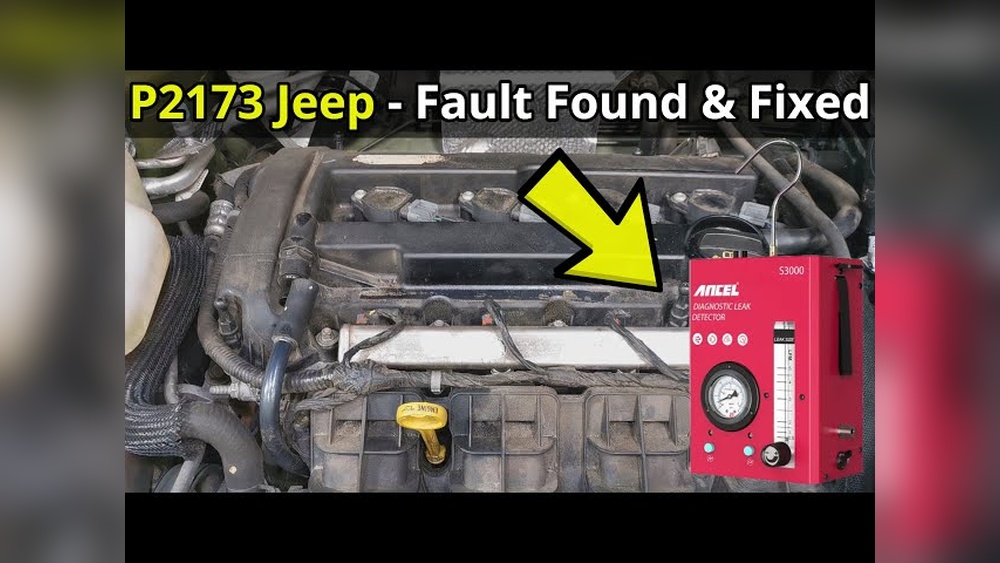
A smoke machine pushes smoke into the EVAP system. Watch for smoke escaping from any part.
The visible smoke shows where the leak is. This tool finds hidden leaks under the vehicle or inside the engine bay.
It is a quick way to locate problems that are hard to see.
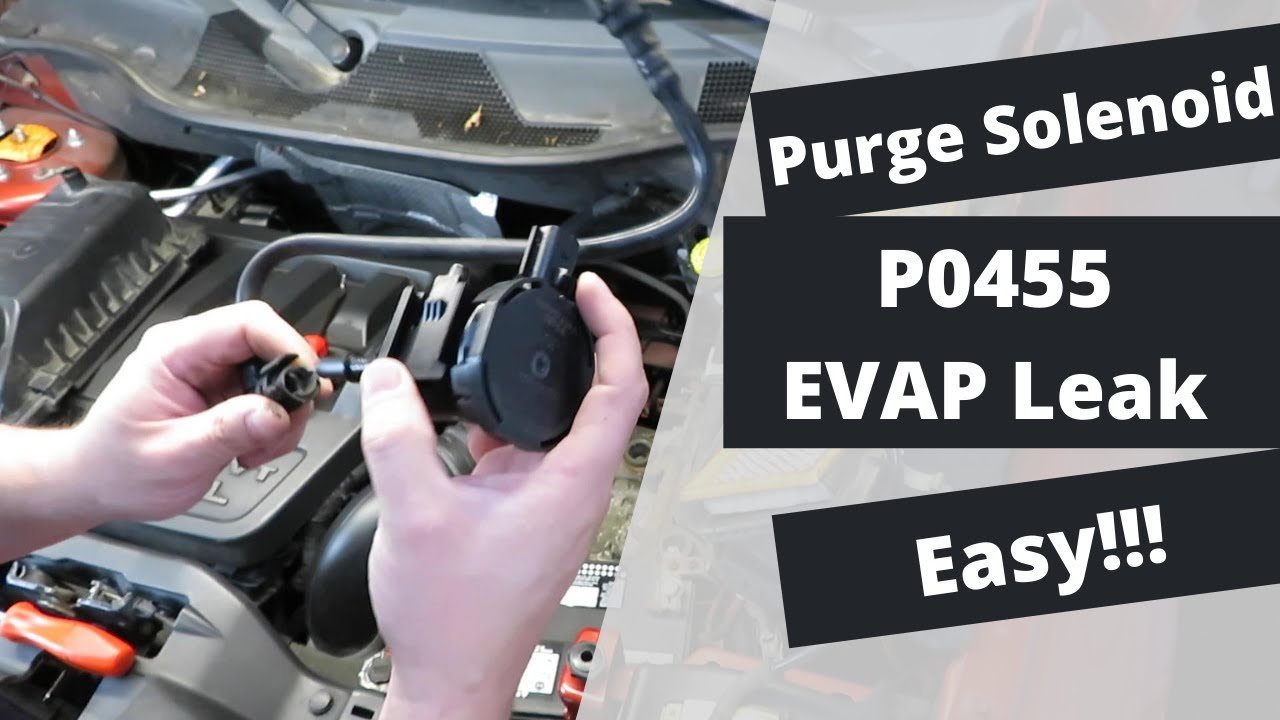
Checking The Purge Valve
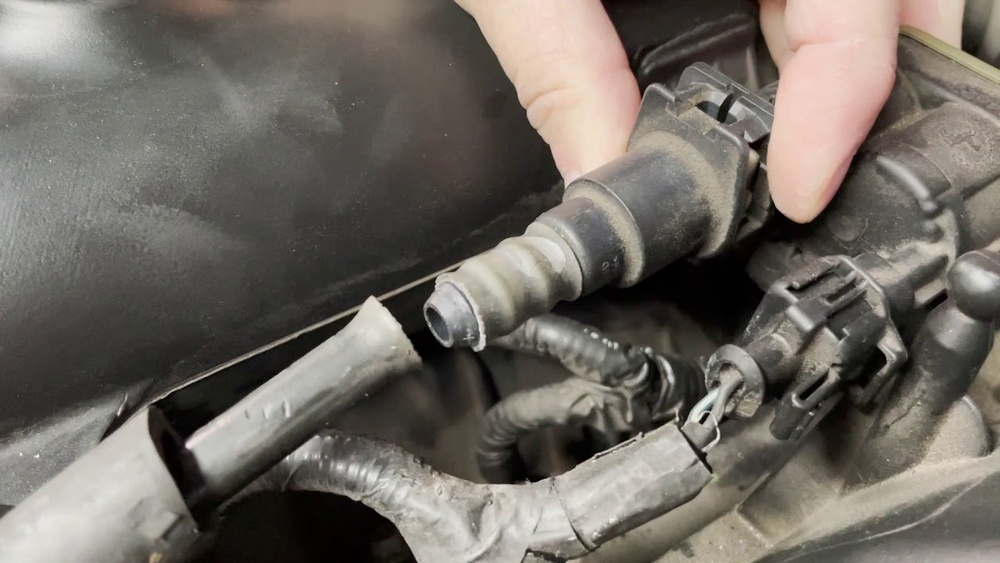
Locate the purge valve near the engine. Remove any vacuum lines and the electrical connector.
Inspect the valve for cracks or damage. Test it by applying vacuum or power to see if it opens and closes properly. Replace it if it sticks or leaks.
Testing The Vent Valve
The vent valve lets fresh air into the EVAP system. Find it on or near the charcoal canister.
Check for blockages or damage. Apply power to the valve and listen for a click.
Use a vacuum pump to test if it seals tightly. A faulty vent valve causes large leaks and triggers the P0455 code.
Fixing The P0455 Code
Fixing the P0455 code in your Jeep means addressing a large leak in the EVAP system. This code signals that fuel vapors are escaping from the system.
Repairing this issue helps reduce pollution and can improve your vehicle’s performance. Several parts may cause this leak, and replacing or fixing them often resolves the problem.
Replacing Vacuum Hoses
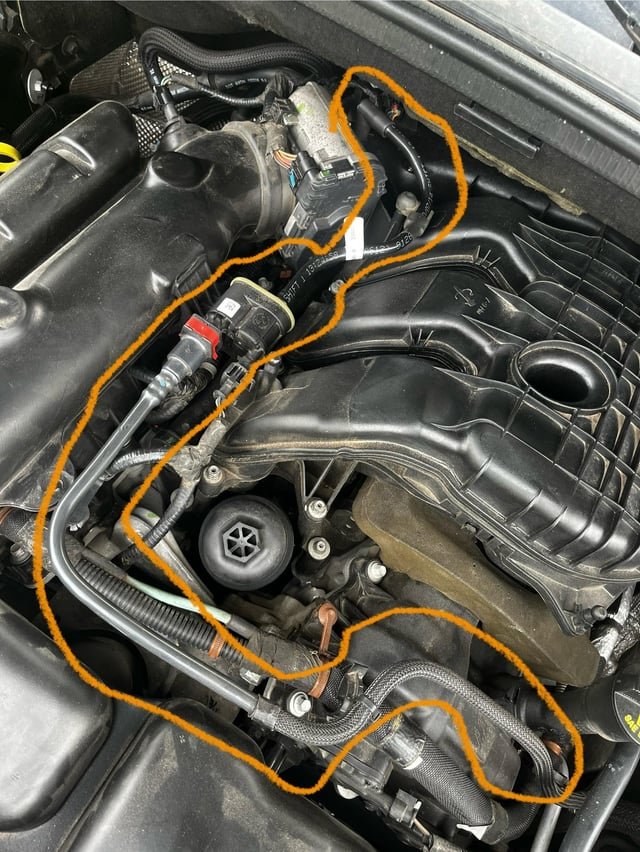
Start by inspecting all vacuum hoses connected to the EVAP system. These hoses can crack, rot, or become loose over time.
Look for splits or holes in the rubber or plastic lines. Replace any damaged hoses with new ones. Secure loose connections to prevent vapor leaks.
Swapping The Purge Valve
The purge valve controls vapor flow from the charcoal canister to the engine. If it fails, it can cause a large leak.
Locate the purge valve near the intake manifold. Disconnect the electrical connector and vacuum lines.
Unscrew the faulty valve and replace it with a new one. This fix is often inexpensive and effective.
Fixing Or Replacing The Charcoal Canister
The charcoal canister stores fuel vapors before they burn in the engine. Damage to this canister causes leaks and triggers the P0455 code.
Check the canister for cracks or holes. Repair minor damage if possible.
Replace the canister if it is severely cracked or broken. Ensure all canister connections are tight and secure.
Tightening Or Replacing The Gas Cap
A loose or missing gas cap is a common cause of the P0455 code. Check the gas cap and tighten it firmly.
Replace the gas cap if the seal is worn or damaged. A tight, good-condition gas cap helps maintain pressure in the fuel system and prevents vapor leaks.
Impact On Driving
The P0455 code in your Jeep signals a large leak in the EVAP system. This issue can affect your driving experience in several ways.
Understanding these impacts helps you maintain your vehicle’s performance and safety.
Effect On Fuel Economy
A P0455 code can reduce fuel efficiency. The EVAP system controls fuel vapor emissions and keeps fuel sealed.
When a leak exists, fuel vapors escape, wasting fuel. Your Jeep may use more gas to compensate.
This loss can add up quickly, costing more money.
Emission Test Failures
A large EVAP leak often causes emission test failures. The system is designed to lower harmful emissions.
When the EVAP system leaks, your Jeep releases more pollutants. This makes it hard to pass state or local emissions tests.
Failing these tests can prevent vehicle registration renewal.
Safety Considerations
Driving with a P0455 code is generally safe but not without risks. Fuel vapors escaping can increase fire hazards near the engine.
The smell of gasoline might become noticeable inside or outside the vehicle. Ignoring this issue can lead to bigger repairs and costlier fixes later.
Tips For Prevention
Preventing the P0455 code in your Jeep helps avoid costly repairs and keeps emissions low. Simple habits and regular checks can stop EVAP system leaks before they start.
Follow these tips to maintain your Jeep’s fuel system and prevent the error.
Regular Evap System Checks
Inspect the EVAP system hoses and valves regularly. Look for cracks, splits, or loose connections under the hood.
Check the purge valve and vent valve for proper function. Early detection helps fix small leaks quickly.
Use a flashlight and mirror for hard-to-see areas. Schedule professional inspections if unsure about any parts.
Proper Gas Cap Handling
Always tighten the gas cap until it clicks. A loose or missing gas cap causes many P0455 codes.
Replace damaged or worn gas caps immediately. Avoid over-tightening as it can damage the seal.
Make sure the gas cap is the correct model for your Jeep. Check the cap seal for cracks or dirt and clean it regularly.
Avoiding Physical Damage
Protect the fuel tank and EVAP components from impacts. Drive carefully over rough terrain to avoid hitting undercarriage parts.
Avoid parking near sharp objects or debris that could damage the charcoal canister. Use protective covers if you often drive in harsh environments.
Regularly check for dents or cracks on the fuel tank and canister. Promptly repair any physical damage to prevent leaks.
Frequently Asked Questions
What Is The Code P0455 On A Jeep?
The code P0455 on a Jeep means a large leak in the Evaporative Emission Control (EVAP) system. This often results from a loose gas cap, cracked hoses, or a faulty purge valve.
It may cause increased emissions and possible fuel odor.
How Do I Fix My Evap Code P0455?
Check and tighten the gas cap first. Inspect EVAP hoses for cracks or disconnections.
Replace faulty purge or vent valves. Fix any damaged charcoal canister or fuel tank leaks.
Clear the code after repairs and test drive to ensure the issue resolves.
What Is The Most Common Cause Of A P0455 Code?
The most common cause of a P0455 code is a loose or missing gas cap. It triggers a large EVAP system leak.
Is It Bad To Drive With A P0455 Code?
Driving with a P0455 code is generally safe but increases emissions and may reduce fuel efficiency. Fix it soon to pass emissions tests.
Conclusion
The P0455 code signals a large EVAP system leak in your Jeep. Check the gas cap first it’s often the cause.
Inspect hoses and valves for cracks or disconnections. Fixing these issues helps your Jeep run cleaner and pass emissions tests.
Driving with this code won’t cause immediate harm but can reduce fuel efficiency. Regular maintenance keeps your Jeep healthy and avoids costly repairs.
Stay attentive to warning signs and address problems early for the best results.