If you’ve recently seen the P0440 code pop up on your Jeep Wrangler’s dashboard, you’re probably wondering what it means and how to fix it. This code signals an issue with your vehicle’s evaporative emission control system, which helps keep harmful fuel vapors from escaping into the air.
Ignoring this warning can lead to a stronger fuel smell around your Jeep, decreased fuel efficiency, or even a failed emissions test. But don’t worry understanding what causes the P0440 code and how to troubleshoot it can save you time, money, and stress.
Keep reading to learn exactly what you need to do to get your Wrangler back on the road with confidence.
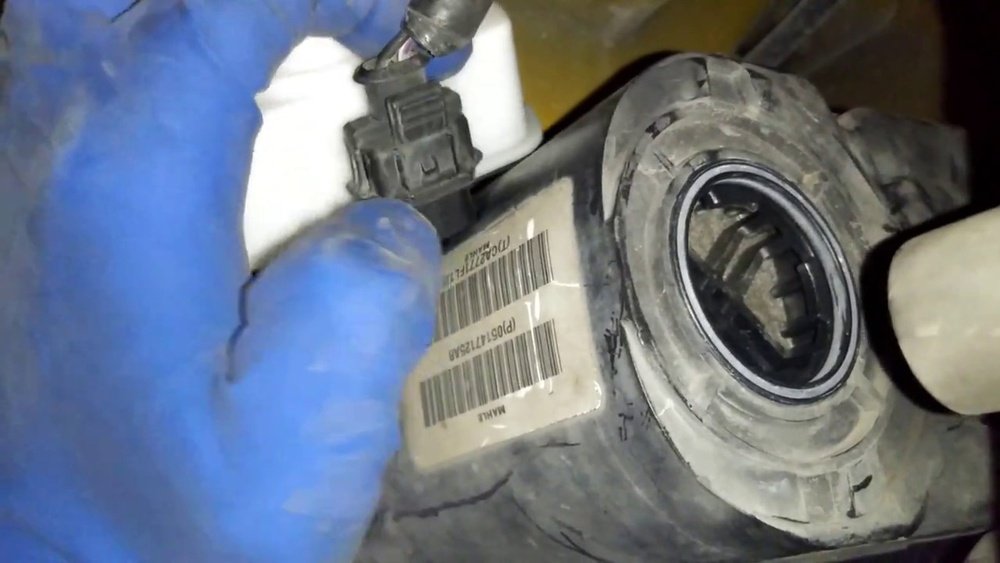
P0440 Code Basics
The P0440 code is a common issue for Jeep Wrangler owners. It signals a problem in the vehicle’s Evaporative Emission Control (EVAP) system. This system prevents fuel vapors from escaping into the air. Understanding this code helps you know what to check and how to fix it.
When the P0440 code appears, it means the EVAP system is not working correctly. It could be a small leak or a faulty component. Addressing it quickly keeps your Jeep running clean and efficient.
What The Code Means
The P0440 code means the EVAP system has a general malfunction. This system captures and recycles fuel vapors from the gas tank. If the system leaks or blocks vapors, the engine control module (ECM) triggers this code. It does not point to one specific part but warns of a problem in the vapor control system.
Common Symptoms
A Check Engine Light often turns on with this code. You might smell fuel vapors, especially near the rear of the Jeep. The engine may run rough or have trouble starting. Fuel efficiency can drop slightly. These symptoms show the EVAP system is not sealed or working properly.
Fuel Cap Issues
The EVAP system in your Jeep Wrangler stops fuel vapors from escaping. It keeps the air clean and reduces pollution. The system has several parts that work together to catch and recycle fuel vapors. Each part plays a key role in making sure the system works well.
Knowing about these parts helps you understand the P0440 code. This code shows there is a problem in the EVAP system. Let’s look at the main components that may cause this issue.
Canister And Hoses
The canister holds fuel vapors safely. It uses charcoal to trap the vapors. The hoses connect the canister to the fuel tank and engine. These hoses carry vapors back and forth. If the canister cracks or hoses leak, vapors escape. This escape can trigger the P0440 code.
Check for cracks, holes, or loose fittings in the canister and hoses. Damaged parts need quick replacement to fix the EVAP system.
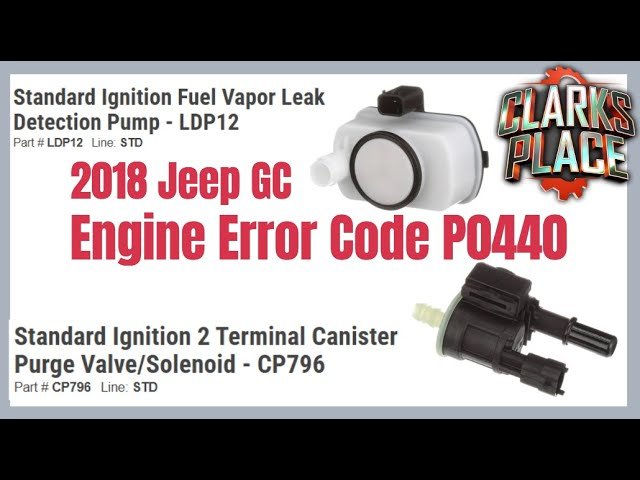
Purge Valve And Solenoid
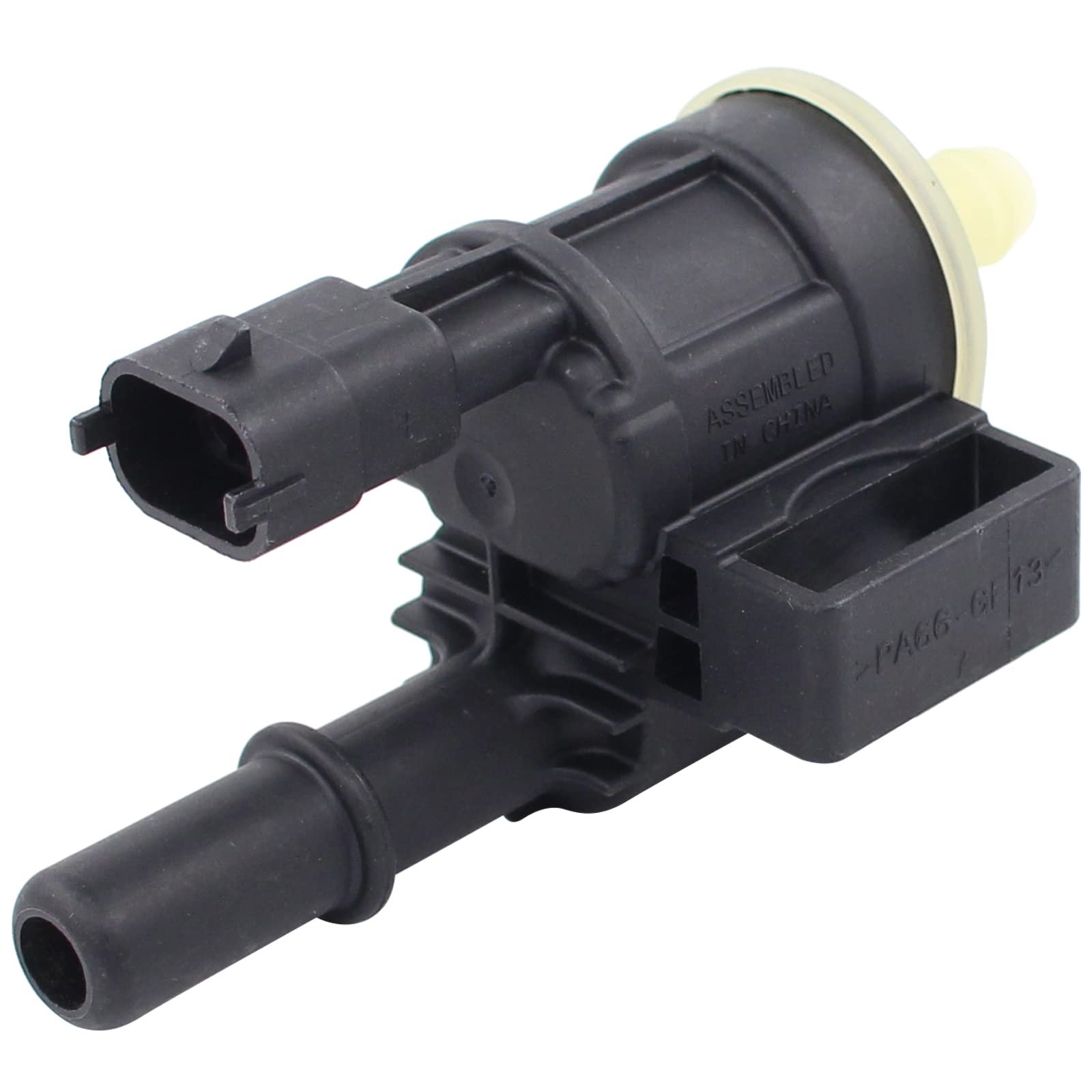
The purge valve controls when vapors leave the canister. It opens to send vapors to the engine for burning. The solenoid acts as a switch for this valve. It opens and closes based on signals from the engine computer.
If the purge valve or solenoid sticks or fails, vapors may not flow correctly. This problem often causes the P0440 error. Testing these parts can find if they need repair or replacement.
Evap System Components
Code P0440 on a Jeep Wrangler points to a leak in the Evaporative Emission Control (EVAP) system. This system traps fuel vapors to reduce pollution. Finding the leak fast keeps your Wrangler running smooth and avoids bigger problems. Several places often cause these leaks. Knowing where to look can save time and money.
Fuel Tank Area
The fuel tank is a common spot for leaks. Over time, the tank may develop cracks or holes. Damage can happen from road debris or rust. The fuel tank’s seal and its vent valves also wear out. These faults let vapors escape, triggering the P0440 code. Inspect the tank’s surface and seals carefully for any damage.
Hose Connections
Hose connections link the fuel tank to the EVAP canister. These hoses carry fuel vapors safely. Hoses may become loose, cracked, or broken. A small hole or loose fitting causes vapor leaks. Check all hose ends and clamps for tightness. Replace any hose that looks worn or damaged. This step often fixes the P0440 error quickly.
Canister Damage
The EVAP canister stores fuel vapors temporarily. It contains charcoal to trap vapors until the engine burns them. The canister can crack or get clogged. Damage stops it from working right and allows leaks. Look for visible cracks or dents on the canister. Also, listen for unusual hissing sounds. Replacing a damaged canister clears the P0440 code.
Diagnosing Leaks
The P0440 code on a Jeep Wrangler indicates a problem with the EVAP system. Repairing EVAP leaks is essential to keep your vehicle running clean and efficient. This system stops fuel vapors from escaping into the air.
Small leaks can cause the check engine light to come on. Fixing these leaks improves your Jeep’s performance and lowers emissions. The repair process often involves checking hoses, valves, and the gas cap.
Fixing Or Replacing Hoses
EVAP hoses often crack or wear out over time. Inspect all hoses for any visible damage or loose fittings. Replace any hose that looks brittle or cracked. Properly sealed hoses prevent vapor leaks and help pass emissions tests.
Purge Valve Replacement
The purge valve controls fuel vapor flow to the engine. A faulty valve may stick open or closed, causing leaks. Testing the valve helps find issues. Replace the purge valve if it fails the test. This fix stops vapors from escaping and clears the P0440 code.
Gas Cap Maintenance
The gas cap seals the fuel tank to keep vapors inside. A loose or damaged gas cap can cause leaks. Check the gas cap for cracks or worn seals. Tighten the cap after refueling and replace it if needed. Proper gas cap care helps prevent EVAP system errors.
Common Leak Locations
Preventive maintenance plays a key role in avoiding the P0440 code on your Jeep Wrangler. This code signals an issue in the EVAP system. The system controls fuel vapors to reduce pollution. Keeping it in good shape helps your Jeep run clean and smooth. Regular checks and careful care stop small problems from growing.
Regular System Checks
Inspect the EVAP system often to catch faults early. Look for cracks or damage in hoses and connections. Check the gas cap for tightness and seal condition. Loose or worn caps let fuel vapors escape. Use a scan tool to read error codes before symptoms appear. Early detection saves money and effort.
Avoiding Future Leaks
Replace old or brittle hoses before they fail. Use only quality parts designed for your Jeep Wrangler. Avoid over-tightening the gas cap, which can cause damage. Keep the fuel tank clean and free from debris. Store the vehicle in a dry place to prevent hose wear. Proper care keeps the EVAP system sealed and working well.

<!– wp:rank-math/faq-block {"questions":[{"id":"faq-question-a1c1706fd4f6","title":"How Do I Fix The Evap Code P0440?","content":"
To fix EVAP code P0440, first tighten or replace the gas cap. Next, inspect EVAP hoses and canister for leaks or damage.
nnnnReplace faulty purge valves or solenoids. Use a smoke test for hidden leaks.
nnnnClear the code after repairs to confirm the issue is resolved.
“,”visible”:true},{“id”:”faq-question-577c4fbddc90″,”title”:”What Is The Most Common Cause Of P0440?”,”content”:”The most common cause of P0440 is a loose, damaged, or faulty gas cap allowing fuel vapors to escape.
“,”visible”:true},{“id”:”faq-question-dd5632188be7″,”title”:”What Is The Code P0440 For Jeep Engine Light?”,”content”:”Code P0440 in a Jeep signals a general leak or malfunction in the Evaporative Emission Control (EVAP) system.
“,”visible”:true},{“id”:”faq-question-1b48edfed160″,”title”:”Is It Okay To Drive With A P0440 Code?”,”content”:”Driving with a P0440 code is possible but not recommended. It indicates an EVAP system leak, which may cause fuel odor and emissions issues.
nnnnFix the problem promptly to avoid potential engine performance problems and failed emissions tests.
“,”visible”:true}]} –>How Do I Fix The Evap Code P0440?
To fix EVAP code P0440, first tighten or replace the gas cap. Next, inspect EVAP hoses and canister for leaks or damage.
Replace faulty purge valves or solenoids. Use a smoke test for hidden leaks.
Clear the code after repairs to confirm the issue is resolved.
What Is The Most Common Cause Of P0440?
The most common cause of P0440 is a loose, damaged, or faulty gas cap allowing fuel vapors to escape.
What Is The Code P0440 For Jeep Engine Light?
Code P0440 in a Jeep signals a general leak or malfunction in the Evaporative Emission Control (EVAP) system.
Is It Okay To Drive With A P0440 Code?
Driving with a P0440 code is possible but not recommended. It indicates an EVAP system leak, which may cause fuel odor and emissions issues.
Fix the problem promptly to avoid potential engine performance problems and failed emissions tests.
Conclusion
The P0440 code signals a problem in your Jeep Wrangler’s EVAP system. Common causes include a loose gas cap or a damaged hose.
Regular checks help catch leaks early and keep your engine running smooth. Fixing this issue prevents fuel vapors from escaping and reduces pollution.
Always inspect parts carefully or seek a mechanic’s help if unsure. Stay alert to warning signs like the check engine light or fuel smell.
Taking quick action saves money and keeps your Jeep safe on the road.