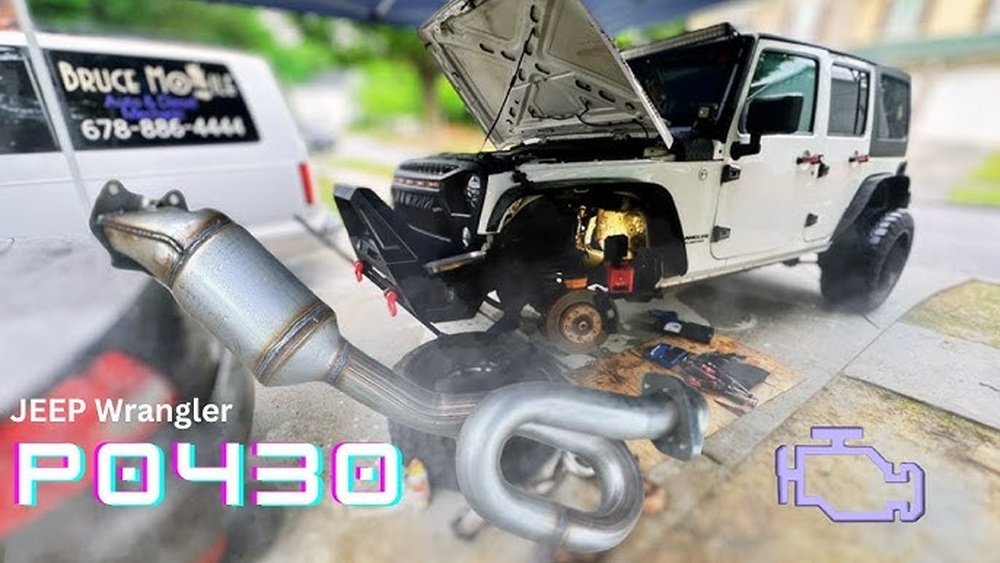
If you own a Jeep Wrangler and just saw the P0430 code pop up on your dashboard, you’re probably wondering what it means and what you should do next.
This code signals an issue with your vehicle’s catalytic converter efficiency, which can lead to poor performance and higher emissions.
But don’t worry understanding what triggers this warning and how to tackle it can save you time, money, and stress.
You’ll learn the common causes behind the P0430 code, simple steps to diagnose the problem, and smart solutions that help you get back on the road confidently.
Keep reading your Jeep deserves the best care, and so do you.
P0430 Code Basics
The P0430 code on a Jeep Wrangler points to issues with the catalytic converter’s efficiency. This code means the vehicle’s computer has detected poor performance in the converter on Bank 2. The catalytic converter helps reduce harmful emissions from your engine. When it fails or works below standard, your Jeep may not pass emissions tests.
Understanding the basics of the P0430 code helps in diagnosing and fixing the problem quickly. The code triggers due to certain conditions in your Jeep’s exhaust and sensor system.
Recognizing symptoms early avoids bigger engine or exhaust damage.
What Triggers P0430
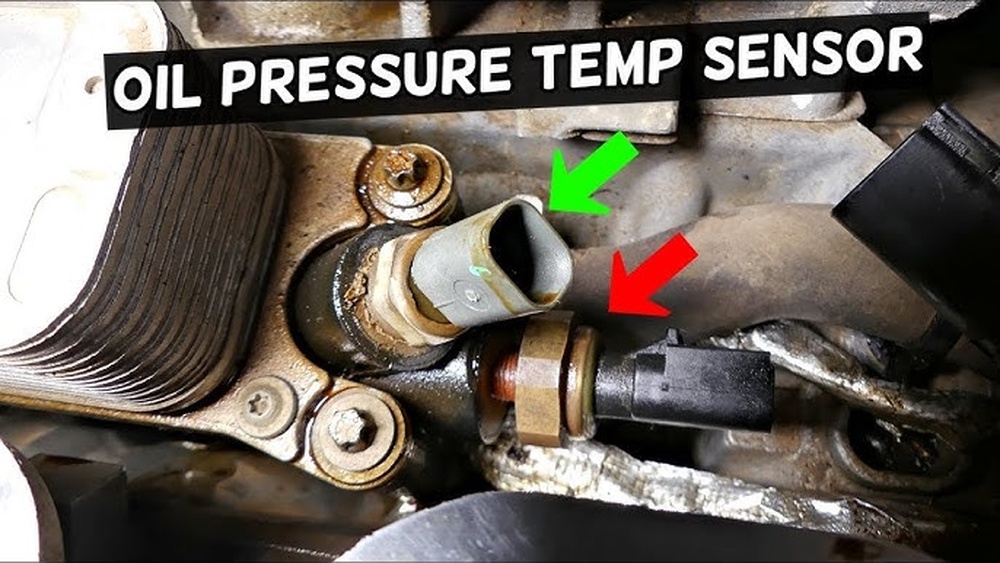
The P0430 code triggers when the oxygen sensors detect low converter efficiency. These sensors sit before and after the catalytic converter.
They measure oxygen levels in the exhaust gases.
If the downstream sensor reading is too similar to the upstream sensor, the computer sees poor catalytic action. Causes include a damaged converter, faulty sensors, or exhaust leaks.
Sometimes, issues with fuel or spark plugs can also cause this code.
Symptoms To Watch For
Common symptoms of P0430 include the check engine light turning on. You may notice reduced engine power or poor fuel economy.
The Jeep might run rough or stall at times.
Strange smells like rotten eggs from the exhaust can also appear. A failing catalytic converter can cause increased emissions and noise from the exhaust.
Paying attention to these signs helps catch the problem early.

Common Causes
The P0430 code in a Jeep Wrangler points to issues with the vehicle’s emission system. This code often triggers the check engine light.
Understanding common causes helps diagnose and fix the problem faster. Several parts can fail or work incorrectly, leading to this code.
Faulty Oxygen Sensors
Oxygen sensors measure exhaust gases before and after the catalytic converter. These sensors can wear out or fail over time.
A bad sensor sends wrong data to the engine control unit. This causes the system to think the catalytic converter is not working properly.
Replacing faulty sensors often clears the P0430 code.
Catalytic Converter Issues
The catalytic converter reduces harmful emissions in the exhaust. It can get clogged, damaged, or worn out.
Physical damage or carbon buildup lowers its efficiency. A failing converter triggers the P0430 code.
Cleaning or replacing the catalytic converter solves this problem. Sometimes, a simple fuel additive can help clear minor blockages.
Fuel And Air System Problems
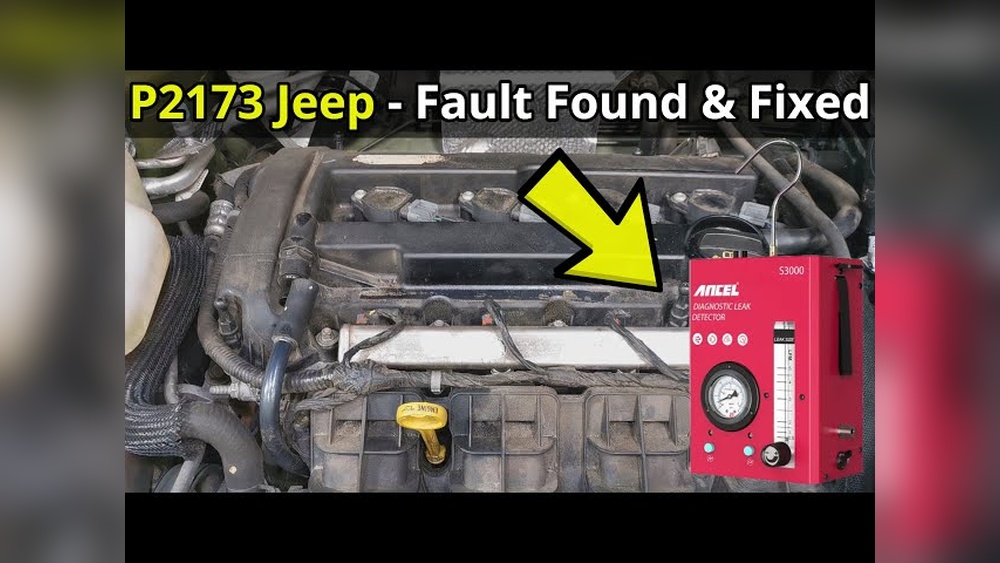
Problems with the fuel or air system affect engine combustion. Loose intake bolts or bad spark plugs cause poor fuel burning.
This results in excess emissions and triggers the P0430 code. Checking for loose parts and replacing worn spark plugs can fix the issue.
Proper fuel and air flow keep emissions low and the engine running well.
Quick Diagnostic Tips
Diagnosing the P0430 code on a Jeep Wrangler involves some simple, quick checks. These steps help identify if the issue lies with sensors, the exhaust system, or other components.
Use these tips to save time and avoid unnecessary repairs.
Using An Obd-ii Scanner
Start by connecting an OBD-II scanner to your Jeep’s diagnostic port. This tool reads trouble codes and live data from sensors. Look for the P0430 code and note any other codes present. Check the oxygen sensor readings before and after the catalytic converter. If both sensors show similar values, the converter may be failing.
Checking Sensor Readings
Monitor the oxygen sensors closely. The upstream sensor measures exhaust gases entering the converter.
The downstream sensor measures gases leaving it. A healthy converter causes different readings between these sensors.
Similar readings suggest the converter is not working properly. Replace sensors only if readings are clearly faulty or inconsistent.
Inspecting For Exhaust Damage
Physically inspect the exhaust system for dents, holes, or rust. Damage can cause leaks, affecting sensor readings.
Look around the catalytic converter and pipes for cracks or loose connections. Exhaust leaks may trigger the P0430 code.
Fix any damage found before replacing parts. This check prevents wasting money on unnecessary parts.

Simple Fixes
Fuel additives and treatments can help keep your Jeep Wrangler’s engine and exhaust system clean. They improve fuel quality and reduce carbon buildup.
Using these products regularly supports better engine performance and can address issues that cause codes like P0430.
Using Cataclean
Cataclean is a popular fuel additive designed to clean the catalytic converter. It helps remove carbon deposits from the exhaust system.
Pour Cataclean into your fuel tank before filling up. Drive normally for about 200 miles to let it work.
This process can improve exhaust flow and reduce emission problems. Many Jeep owners see fewer error codes after using Cataclean.
Benefits Of Regular Fuel System Maintenance
Regular fuel system maintenance keeps your Jeep running smoothly. It prevents carbon buildup in the engine and exhaust parts.
Clean fuel injectors and intake valves help fuel burn completely. This reduces harmful emissions and improves fuel economy.
Preventing buildup also lowers the risk of damage to the catalytic converter. Simple treatments save you money on repairs and boost Jeep Wrangler’s reliability.
Fuel Additives And Treatments
Fixing a P0430 code on your Jeep Wrangler can feel tricky without the right tools and knowledge. Many Jeep owners save time and money by handling repairs themselves.
Having the correct tools and resources makes troubleshooting easier and more effective.
This section lists helpful DIY tools and resources to help you diagnose and fix the P0430 code.
Recommended Obd-ii Scanners
OBD-II scanners read trouble codes like P0430 from your Jeep’s computer. Basic models show the code and its description.
More advanced scanners display live data from oxygen sensors and other parts.
Look for scanners compatible with Jeep Wrangler models. Brands like BlueDriver and Autel offer user-friendly devices.
These scanners connect via Bluetooth or USB to your phone or laptop.
Using a scanner helps you check sensor readings and clear codes after repairs. This tool is key for DIY diagnosis and saves visits to the mechanic.
Helpful Online Forums And Videos
Online forums dedicated to Jeep Wranglers offer real-world advice from fellow owners. Forums like Jeep Wrangler Forum and Reddit’s r/autorepair have active communities sharing tips and solutions.
YouTube channels such as GioTheMechanic and John’s Jeep Garage provide step-by-step videos. These tutorials show how to diagnose and fix P0430-related issues, from sensor tests to exhaust checks.
Facebook groups focused on Jeep Wranglers also offer quick answers and support. These resources help you understand the problem and guide your repairs safely.

Frequently Asked Questions
How Do I Fix Error Code P0430?
Fix error code P0430 by checking for faulty oxygen sensors and replacing them if needed. Inspect for exhaust leaks and damaged catalytic converter.
Clean fuel system with additives. Use an OBD-II scanner to monitor sensor data before replacing expensive parts.
Is P0430 Bank 1 Or Bank 2?
The P0430 code refers to the catalytic converter efficiency below the threshold on Bank 2. It does not indicate Bank 1.
Which Side Is Bank 2 On Jeep Wrangler?
Bank 2 on a Jeep Wrangler is on the passenger side of the engine. It includes cylinders opposite Bank 1.
How Much Does It Cost To Replace A Clock Spring On A Jeep Jk?
Replacing a clock spring on a Jeep JK typically costs between $150 and $300. Labor and parts vary by location.
Conclusion
The P0430 code on a Jeep Wrangler signals a catalytic converter issue. Addressing this early avoids costly repairs.
Start by checking oxygen sensors and exhaust leaks. Simple fixes like tightening bolts or cleaning the fuel system help. Use an OBD-II scanner to diagnose accurately.
Keeping your Jeep’s emissions system healthy improves performance and saves money. Stay alert for warning signs and act promptly.
Your Wrangler will run cleaner and smoother with proper care. Don’t ignore this code it impacts both your vehicle and the environment.