If you’ve seen the P0420 code pop up on your Jeep Grand Cherokee’s dashboard, you’re probably wondering what it means and how serious it is.
This code points to an issue with your vehicle’s catalytic converter system, which plays a key role in keeping your Jeep running smoothly and meeting emissions standards.
Ignoring it could lead to poor performance, higher fuel costs, or even more expensive repairs down the road. You’ll discover what causes the P0420 code, how to diagnose the problem, and the best steps to fix it.
Keep reading to protect your Jeep and get back on the road with confidence.
P0420 Code Basics
The P0420 code is a common error that Jeep Grand Cherokee owners may face. It signals an issue related to the vehicle’s emissions system. Understanding this code helps in maintaining the vehicle’s performance and efficiency.
Ignoring this code can lead to more serious problems and higher repair costs. Early detection allows for timely fixes, keeping your Jeep running clean and smooth.
What P0420 Means
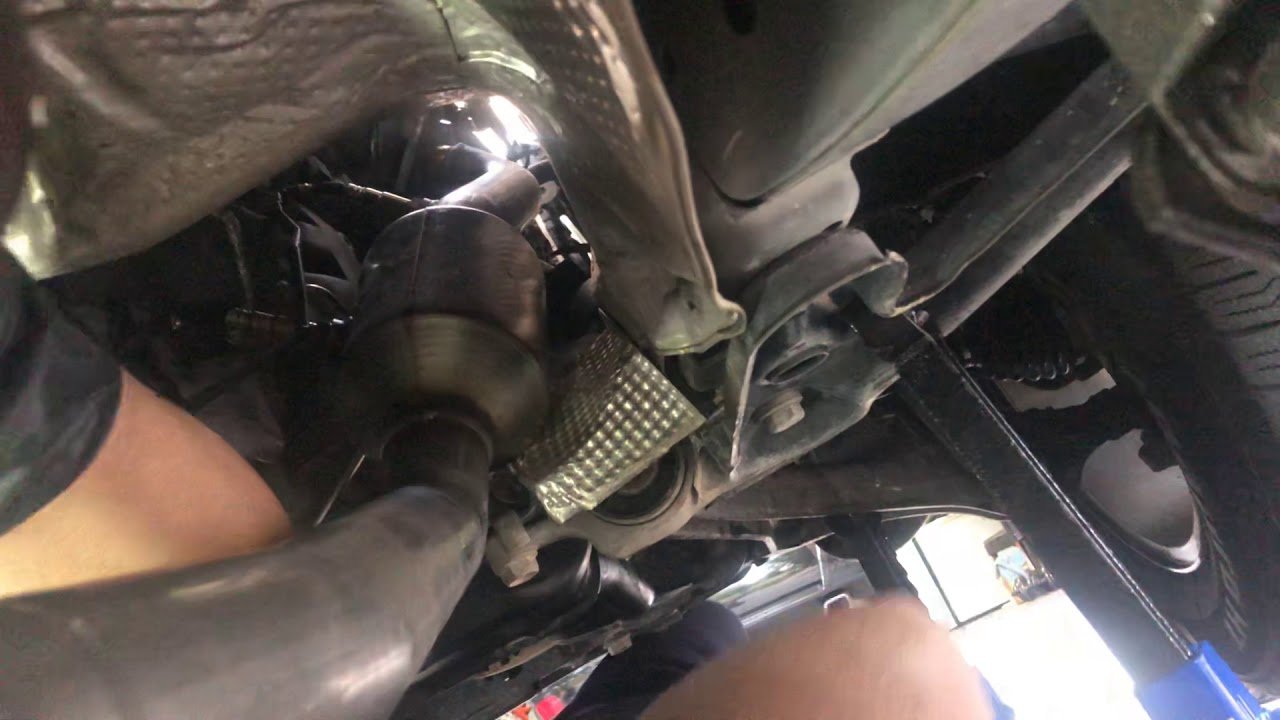
The P0420 code stands for “Catalyst System Efficiency Below Threshold.” It indicates the catalytic converter is not working properly. The converter cleans harmful gases from the exhaust before they leave the vehicle.
A failing catalytic converter means the car releases more pollution. The onboard computer detects this by comparing oxygen sensor readings before and after the converter.
If the difference is too small, it triggers the P0420 code.
Why It Matters For Jeep Grand Cherokee
For Jeep Grand Cherokee models, the catalytic converter plays a key role in meeting emission standards. A faulty converter reduces fuel efficiency and engine power.
It may also cause the check engine light to stay on.
Ignoring the P0420 code can damage other parts of the exhaust system. It may lead to failed emissions tests and legal troubles.
Timely repair protects the environment and keeps your Jeep reliable.
Common Causes
The P0420 code in a Jeep Grand Cherokee signals issues with the catalytic converter’s efficiency. This code often appears when the vehicle’s computer detects that emissions are higher than acceptable limits.
Several common causes trigger this code, each affecting the exhaust and emission system differently. Understanding these causes helps in diagnosing and fixing the problem effectively.
Catalytic Converter Wear
The catalytic converter can wear out over time due to heat and contamination. A worn converter loses its ability to clean exhaust gases properly.
This wear causes the P0420 code to appear. Driving with a damaged converter can increase pollution and reduce fuel efficiency.
Engine Misfires Impact
Engine misfires cause raw fuel to enter the exhaust system. This unburned fuel can overheat and damage the catalytic converter.
Misfires often result from bad spark plugs or ignition coils. Fixing misfires quickly can protect the converter and prevent the P0420 code.
Exhaust Leaks Effects
Leaks in the exhaust system allow extra air to enter, confusing the oxygen sensors. This false reading can trigger the P0420 code.
Common leak points include the exhaust manifold and pipes near the converter. Repairing leaks restores proper sensor function and stops the code.
Oxygen Sensor Malfunctions
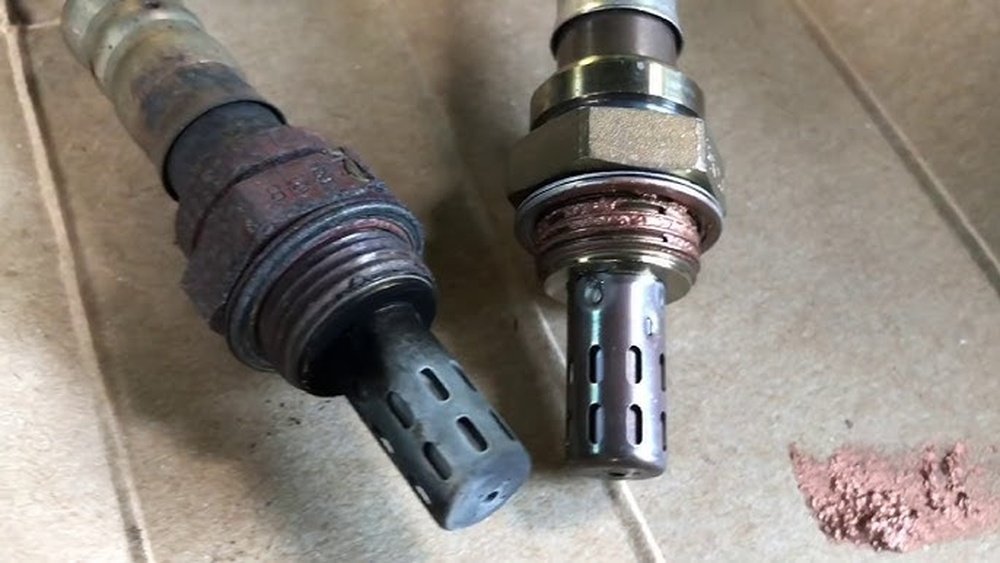
Oxygen sensors monitor the exhaust gases before and after the catalytic converter. Faulty sensors send wrong data to the engine computer.
This can falsely trigger the P0420 code. Testing and replacing bad sensors often clear the code and improve engine performance.
Diagnosing The Issue
Diagnosing the P0420 code in a Jeep Grand Cherokee requires a clear and careful approach. This code signals a problem with the catalytic converter’s efficiency.
Finding the root cause helps avoid unnecessary repairs and saves money. The following steps guide you through the diagnosis process.
Checking Exhaust System
Start by inspecting the exhaust system for leaks or damage. Small holes or cracks can cause false readings.
Check the pipes, manifold, and catalytic converter closely. Leaks allow air to enter, affecting sensor signals. Repair any found leaks before moving on.
Testing Oxygen Sensors
Oxygen sensors measure the oxygen level in exhaust gases. Faulty sensors can trigger the P0420 code.
Use a multimeter to test sensor voltage and response time. Replace any sensors that show slow or no response.
Clean sensors if they are dirty but still work properly.
Identifying Engine Misfires
Engine misfires cause unburned fuel to enter the exhaust. This extra fuel can damage the catalytic converter.
Check spark plugs and ignition coils for wear or faults. Listen for rough idling or hesitation while driving. Fixing misfires often improves converter performance.
Using Diagnostic Tools
Use an OBD-II scanner to read trouble codes and live data. The scanner shows oxygen sensor readings and catalyst efficiency. Clear the codes after repairs and test drive the vehicle. Persistent codes indicate deeper issues needing professional help.
Step-by-step Fixes
Fixing the P0420 code on a Jeep Grand Cherokee requires a clear and simple approach. This code usually points to issues with the catalytic converter or oxygen sensors.
Step-by-step fixes help you address the root cause without confusion. Follow these clear steps to restore your vehicle’s performance and reduce emissions.
Repairing Exhaust Leaks
Start by checking for any exhaust leaks near the catalytic converter and manifold. Leaks can let extra air enter, causing false readings.
Use a smoke test or listen for hissing sounds to find leaks. Tighten loose clamps or replace damaged gaskets.
Fixing leaks stops unburned fuel from damaging the converter.
Replacing Oxygen Sensors
Oxygen sensors monitor exhaust gases before and after the catalytic converter. Faulty sensors send wrong data to the engine control unit.
Remove the old sensor with an oxygen sensor socket. Install a new sensor that matches your Jeep model.
Clear the code after replacement and test drive to check if it resets.
Fixing Engine Misfires
Engine misfires can cause raw fuel to enter the exhaust system. This damages the catalytic converter over time.
Check spark plugs and ignition coils for wear or damage. Replace any faulty parts to restore proper engine firing.
A smooth engine run protects the converter and improves fuel economy.
Catalytic Converter Replacement
If repairs and sensor replacements don’t clear the P0420 code, the catalytic converter may be faulty. Inspect the converter for physical damage or clogging.
Use a scan tool to monitor converter efficiency. Replace with a high-quality OEM or compatible aftermarket converter.
Proper installation ensures emissions meet standards and the code stays off.
Parts And Tools
Fixing the P0420 code on a Jeep Grand Cherokee involves the right parts and tools. Using quality components ensures a reliable repair.
Proper tools make the job easier and safer. This section covers essential parts and tools for addressing the P0420 issue.
Official Replacement Parts
Choose genuine parts designed for the Jeep Grand Cherokee. Official replacement catalytic converters and oxygen sensors meet factory standards.
These parts fit perfectly and last longer. Avoid cheap alternatives that may cause more problems. Mopar offers certified components for reliable performance.
Recommended Tools For Repairs
A good OBD-II scanner helps read and clear trouble codes. Oxygen sensor socket sets make sensor removal easier.
A torque wrench ensures bolts are tightened correctly. Ratchets, wrenches, and screwdrivers are essential basics.
Safety gloves and eye protection keep you safe during repairs.
Where To Source Quality Components
Authorized Jeep dealers stock official parts with warranty coverage. Trusted auto parts stores carry OEM and aftermarket options. Online retailers offer competitive prices and fast delivery. Check reviews to confirm part quality and seller reliability. Local salvage yards can be a source for gently used parts.

Preventing Future Issues
Preventing future issues with the P0420 code in your Jeep Grand Cherokee keeps your vehicle running smoothly. Small steps help avoid costly repairs and improve your car’s performance.
Stay proactive by following key care practices. These simple habits protect the catalytic converter and sensors.
Regular Maintenance Tips
Change engine oil and filters on time. Use the correct oil grade recommended by Jeep.
Check and replace spark plugs regularly. Inspect exhaust system for leaks and damage.
Keep air filters clean for proper airflow. Schedule routine tune-ups with a trusted mechanic.
Timely maintenance prevents engine problems that harm the converter.
Avoiding Engine Misfires
Misfires dump raw fuel into the exhaust. This overheats and damages the catalytic converter.
Replace faulty spark plugs or ignition coils immediately. Use high-quality fuel and avoid running low on gas.
Pay attention to rough idling or stalling signs. Fix misfires promptly to protect your Jeep’s emission system.
Monitoring Sensor Performance
Oxygen sensors play a critical role in emission control. Keep sensors clean and replace them as needed.
Use a diagnostic scanner to check sensor readings regularly. Faulty sensors cause wrong fuel mix and trigger the P0420 code.
Early detection of sensor issues saves your catalytic converter from damage.
Driving Habits That Protect The Converter
Avoid hard acceleration and sudden stops often. Drive at steady speeds to reduce converter stress.
Do not ignore the check engine light or unusual exhaust smells. Allow the engine to warm up before driving aggressively.
Gentle driving helps maintain optimal converter temperature and longevity.
Troubleshooting Tips
Troubleshooting the P0420 code on a Jeep Grand Cherokee requires care and patience. This code often points to issues with the catalytic converter or oxygen sensors.
Fixing it means checking parts and system performance step-by-step.
Follow these tips to identify the cause and decide the best action. Understanding the right time to clear codes and handle intermittent problems can save you time and money.
Also, tapping into community advice helps you learn from other Jeep owners.
When To Clear Codes
Clear codes after fixing the identified issue. This resets the system and lets the computer check if the problem is gone.
Do not clear codes before repairs. Clearing too soon can hide the root cause.
After clearing, drive the vehicle normally to let it run the test cycles. If the code returns, further inspection is needed.
Handling Intermittent Problems
Intermittent issues can be tricky. They may not show up every time you drive.
Keep a log of when the code appears. Check for loose connections or damaged sensors.
Inspect the exhaust for leaks or cracks. Sometimes, a sensor might fail only under certain conditions.
Use a scan tool to monitor sensor data live during a drive. This helps spot unusual readings linked to the P0420 code.
Community Advice And Resources
Jeep forums and online groups offer valuable insights. Owners share their experiences with the P0420 code.
You can find tips on common fixes and trusted parts. Reddit and Jeep enthusiast forums are great places to start.
Videos and step-by-step guides help visualize repairs. Use these resources to avoid common mistakes and find affordable solutions.
Frequently Asked Questions
How To Fix P0420 Fault Code?
To fix the P0420 code, check for exhaust leaks and faulty oxygen sensors. Replace the catalytic converter if damaged.
Clear the code and test drive to confirm the repair.
Is P0420 Bank 1 Or Bank 2?
The P0420 code typically refers to Bank 1, indicating a catalytic converter efficiency issue on that side.
What Is The Most Common Cause Of A P0420 Code?
The most common cause of a P0420 code is a failing catalytic converter that no longer efficiently reduces emissions.
Is P0420 Expensive To Fix?
Fixing a P0420 code can cost between $100 and $2,000. Expenses depend on whether you replace sensors or the catalytic converter.
Oxygen sensor replacement is cheaper, while catalytic converter repairs are costly. Labor costs and vehicle make also affect the total price.
Conclusion
The P0420 code signals trouble with your Jeep Grand Cherokee’s catalytic converter. Fixing it quickly helps keep your engine running smoothly.
Check for exhaust leaks and faulty oxygen sensors first. Replacing worn parts often clears the code and restores performance.
Regular maintenance can prevent this issue from returning. Understanding these basics saves time and money on repairs.
Stay alert to warning signs and act early. Your Jeep deserves proper care for a long, healthy life.