If you’ve seen the P0390 code pop up on your Jeep Grand Cherokee’s dashboard, you’re probably wondering what it means and how to fix it. This code points to a problem with the camshaft position sensor circuit, which can cause your engine to hesitate, run rough, or even enter limp mode.
Ignoring it won’t make the issue go away in fact, it could lead to more serious engine trouble and costly repairs.
You’ll learn the common causes behind the P0390 code, clear signs to watch for, and simple steps you can take to get your Jeep running smoothly again.
Keep reading to take control of your vehicle’s health and avoid unexpected breakdowns.
Symptoms Of P0390 Code
The P0390 code on a Jeep Grand Cherokee points to a problem with the camshaft position sensor circuit. This sensor helps the engine control module manage timing for fuel injection and ignition. Recognizing the symptoms early can save you from costly repairs and poor driving experience.
Drivers often notice several warning signs that indicate this code is active. These symptoms affect how the vehicle runs and how safe it is to drive.
Understanding these signs helps in quick diagnosis and repair.
Check Engine Light Alerts
The most obvious symptom is the Check Engine Light turning on. This alert warns you that the engine control module has detected an issue.
The light may blink or stay steady, signaling a fault with the camshaft sensor circuit.
Engine Hesitation And Rough Idle
The engine may hesitate during acceleration or feel rough when idling. This happens because the timing of fuel and spark is off.
The result is a shaky or uneven engine operation, which can make driving uncomfortable.
Fuel Economy Drops
You may see a drop in fuel efficiency. The engine runs less efficiently when the camshaft sensor is faulty.
More fuel is used to produce the same power, which increases fuel costs.
Limp Mode Activation
In some cases, the Jeep enters limp mode to protect the engine. Limp mode limits the vehicle’s speed and power.
This safety feature prevents further damage but reduces driving performance drastically.

Common Causes
The P0390 code on a Jeep Grand Cherokee points to issues with the camshaft position sensor circuit. Understanding the common causes helps in accurate diagnosis and repair. Several factors can trigger this error code, affecting the engine’s timing and performance.
Some causes relate to parts wearing out. Others involve electrical problems or engine conditions.
Addressing these causes can restore engine function and prevent further damage.
Camshaft Sensor Failure
The camshaft sensor can fail due to age or heat damage. This sensor monitors the camshaft’s position and sends signals to the engine computer.
A failed sensor disrupts timing and triggers the P0390 code.
Over time, the sensor’s internal components wear out. Dirt and oil contamination can also cause sensor malfunction. Replacing the sensor often resolves this issue.
Wiring And Connector Problems
Wiring issues are common causes of the P0390 code. Frayed or broken wires may stop signals from reaching the engine control module.
Connectors can corrode or become loose, causing poor electrical contact.
Inspect wiring harnesses and connectors for damage or corrosion. Repair or replace faulty wiring to restore proper sensor communication.
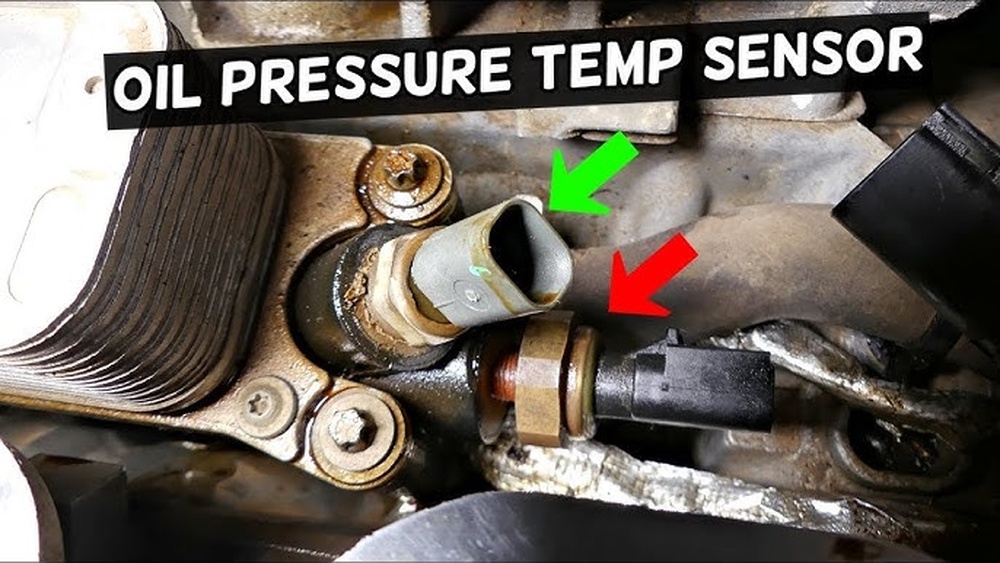
Oil Level And Pressure Issues
Low engine oil or poor oil pressure can affect the camshaft sensor’s operation. Oil lubricates the sensor and the camshaft area.
Insufficient oil causes sensor errors and engine performance problems.
Check oil levels regularly. Use the correct oil type and maintain proper oil pressure.
Fix leaks or oil pump issues to avoid sensor faults.
Damaged Tone Ring
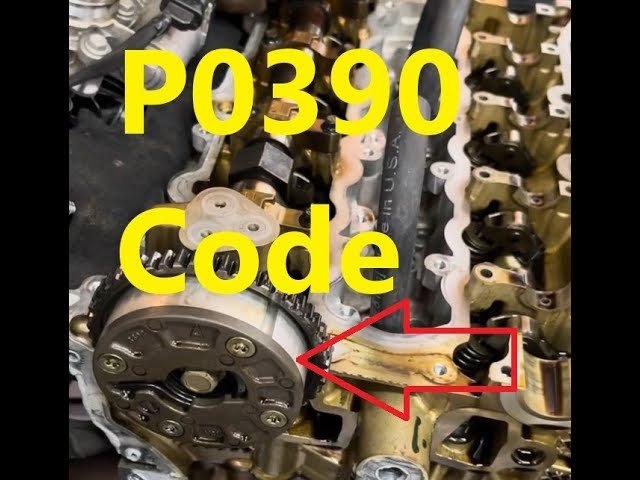
The tone ring works with the camshaft sensor to detect position. Damage to the tone ring, like cracks or missing teeth, disrupts the sensor signal.
This causes the engine computer to set the P0390 code.
Inspect the tone ring for physical damage. Replace a damaged tone ring to restore accurate camshaft position readings.
Quick Fixes
Addressing the P0390 code on your Jeep Grand Cherokee can seem tough. Quick fixes help save time and money.
These simple steps often solve the problem fast. Follow these easy checks to get your vehicle back on track.
Inspect And Replace Camshaft Sensor
The camshaft sensor sends important signals to the engine control unit. A faulty sensor causes error codes and poor engine performance.
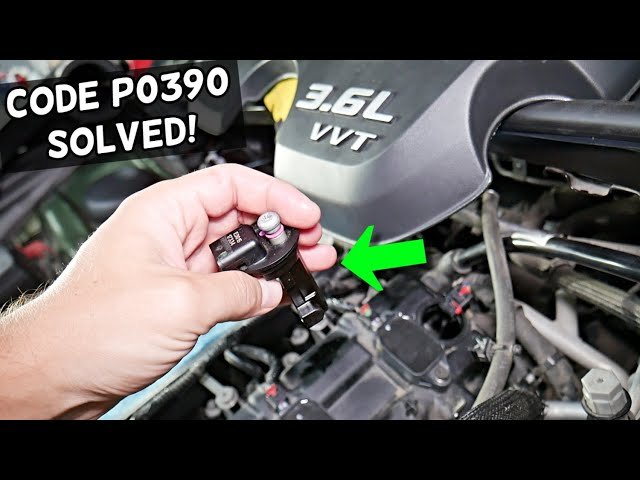
Remove the old sensor carefully. Install a new one that matches your Jeep model.
This fix often clears the P0390 code quickly.
Check Wiring And Connectors
Wiring issues can block sensor signals. Look for frayed wires or loose connectors near the camshaft sensor.
Clean any corrosion found on connectors. Tighten or replace damaged wires.
Secure connections restore proper communication to the engine computer.
Verify Engine Oil Level
Low oil levels affect sensor performance. Check your Jeep’s oil level using the dipstick.
Add the correct oil type if levels are low. Keeping oil at the right level ensures sensors work properly and prevents damage.
Clean Or Replace Tone Ring
The tone ring helps the sensor detect camshaft position. Dirt or damage on the ring can cause false signals.
Remove the tone ring and clean it gently with a soft brush. Replace it if you spot cracks or missing teeth. A clean tone ring improves sensor accuracy.
Tools And Parts Needed
Fixing the P0390 error code on your Jeep Grand Cherokee requires the right tools and parts. Having these items ready saves time and helps you work safely.
The main part to focus on is the camshaft position sensor. You will also need basic hand tools and a multimeter for testing.
Sometimes, replacement wiring or connectors are necessary if the original ones are damaged.
Camshaft Position Sensor
The camshaft position sensor is the key part that triggers the P0390 code. This sensor monitors the camshaft’s position and sends data to the engine control unit.
Choose a sensor that fits your Jeep Grand Cherokee model year. Buying a high-quality replacement ensures better performance and longevity.
Basic Hand Tools
You need basic hand tools like screwdrivers, wrenches, and socket sets. These tools help remove and install the sensor.
A ratchet with the correct socket size is essential for loosening bolts. Keep a flashlight handy to see tight spaces under the hood.
Multimeter For Testing
A multimeter is necessary to check the sensor’s electrical signals. This tool helps you test voltage, resistance, and continuity.
Testing the sensor before replacement avoids unnecessary part swaps. Set the multimeter to the correct setting to get accurate readings.
Replacement Wiring Or Connectors
Wiring and connectors can wear out or corrode over time. Damaged wiring can cause false error codes like P0390.
Have replacement wires and connectors ready to fix any electrical issues. Use electrical tape or heat shrink tubing to protect new connections.
Step-by-step Repair Guide
Fixing the P0390 error code on your Jeep Grand Cherokee involves a few clear steps. This guide walks you through each task.
Follow carefully to ensure a proper repair and avoid further issues. The process focuses on the camshaft sensor, its wiring, and clearing fault codes.
Locate The Camshaft Sensor
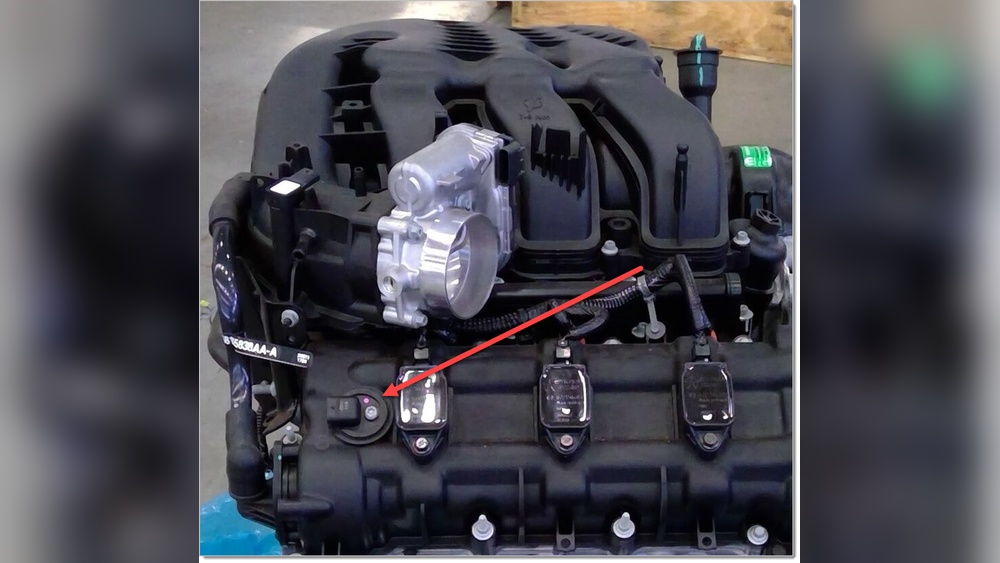
Open the hood and find the camshaft sensor. It sits on top of the valve cover.
Use your vehicle manual if needed. This sensor is near the engine’s front or side.
Clean the area to avoid dirt getting inside during repair.
Remove And Inspect Sensor
Disconnect the negative battery cable first. Unplug the sensor’s electrical connector.
Use a socket wrench to remove the sensor bolts. Gently pull out the sensor.
Check it for dirt, damage, or oil buildup. Clean or replace if necessary.
Test Sensor And Wiring
Use a multimeter to check sensor resistance. Compare readings to manufacturer specs.
Inspect wiring for cracks, corrosion, or loose connections. Repair or replace damaged wires.
Testing ensures the sensor and wiring work properly.
Install New Sensor
Insert the new camshaft sensor into place. Tighten bolts securely but avoid overtightening.
Reconnect the electrical connector. Double-check all connections are firm.
Reconnect the battery cable. A proper installation prevents future errors.
Clear Error Codes
Use an OBD-II scanner to clear stored codes. Turn the ignition on but do not start the engine. Connect the scanner and erase codes. Start the engine and verify the check engine light is off. This resets the system after repair.
Preventive Maintenance Tips
Preventive maintenance plays a key role in avoiding the P0390 error code on your Jeep Grand Cherokee. Keeping your vehicle in good shape helps prevent sensor issues and wiring problems.
Regular care ensures your engine runs smoothly and reduces repair costs.
Regular Oil Checks
Check your engine oil level every month. Use the dipstick to verify the oil is within the recommended range.
Low oil can cause sensor errors and engine performance issues. Change the oil and filter based on the Jeep’s manual schedule.
Clean oil keeps the engine and sensors working well.
Wiring Inspection Routine
Inspect sensor wiring and connectors regularly. Look for frayed wires, corrosion, or loose pins.
Damaged wiring can block signals and trigger the P0390 code. Secure all connections tightly to prevent moisture and dirt from entering.
Replace any worn wires to maintain good electrical flow.
Sensor Cleaning Schedule
Clean the camshaft position sensor every 12,000 miles or as needed. Dirt and oil buildup can affect sensor readings.
Use a safe electronic cleaner spray and a soft brush. Avoid harsh chemicals that may damage the sensor.
A clean sensor helps your engine run more efficiently.
Avoid Excessive Towing Strain
Towing heavy loads puts extra strain on your engine and sensors. Avoid exceeding the Jeep’s towing capacity.
High load can cause oil pressure drops and sensor errors. Take breaks during long trips to cool down the engine. Proper towing habits protect your vehicle’s components.
When To Seek Professional Help
Knowing when to seek professional help for the P0390 code in your Jeep Grand Cherokee is important. Some problems require expert attention to avoid costly repairs.
Understanding the signs that indicate a visit to a mechanic can save time and money.
Persistent Error Codes
If the P0390 code keeps coming back after resets, professional help is needed. Persistent codes suggest an underlying problem that simple fixes cannot resolve.
A trained technician can accurately diagnose and repair the root cause.
Complex Electrical Issues
Electrical problems involving sensors and wiring can be difficult to fix alone. Corroded connectors or damaged wires may cause the P0390 code.
Professionals have tools and knowledge to safely handle these issues.
Engine Performance Problems
Noticeable drops in engine power or rough idling call for expert checks. These symptoms often link to the camshaft position sensor or related parts.
A mechanic can test components and ensure your engine runs smoothly.
Diagnostic Scan Recommendations
Advanced diagnostic scans provide detailed information about the P0390 error. Mechanics use these scans to identify exact sensor failures or electrical faults.
Visiting a professional ensures thorough and accurate diagnosis.
Conclusion
The P0390 code can cause your Jeep Grand Cherokee to run poorly. It often points to a camshaft position sensor issue or wiring problems.
Fixing this code helps restore engine performance and fuel efficiency. Regular checks on oil and connectors can prevent future trouble.
Don’t ignore the warning signs like rough idling or the Check Engine Light. Timely action keeps your Jeep running smoothly and safely on the road.