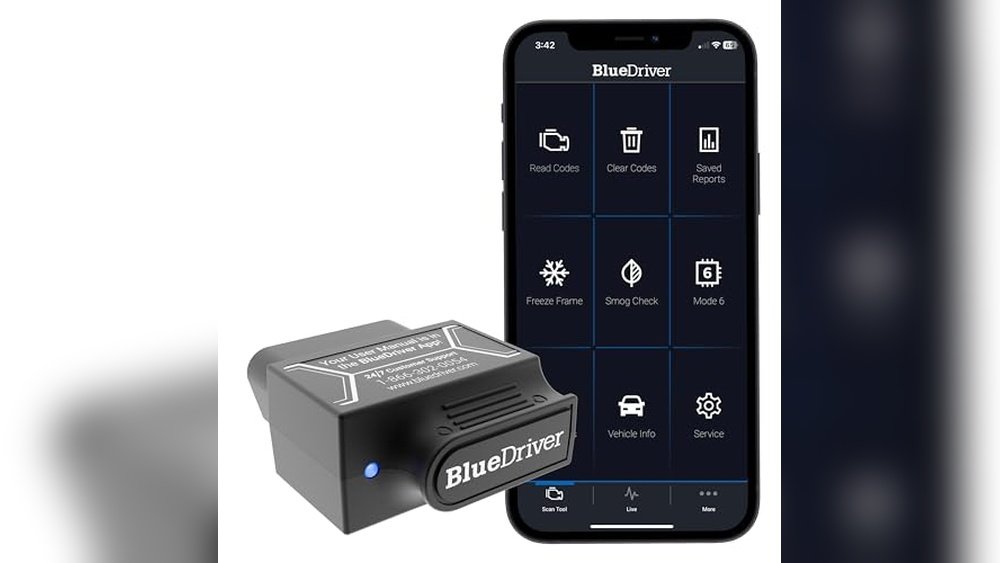
If you drive a Jeep Wrangler and suddenly see the P0344 code pop up, you might be feeling a mix of confusion and concern. This trouble code points to an issue with your camshaft position sensor circuit, which can affect how smoothly your engine runs.
You don’t want to ignore it because it can lead to rough idling, engine hesitation, or even stalling. But don’t worry understanding what causes the P0344 code and how to fix it can save you time, money, and stress.
You’ll learn the key reasons behind this code, simple checks you can do yourself, and when it’s time to call in a professional.
Keep reading to get your Jeep Wrangler back on the road with confidence.
Symptoms Of P0344 Code
The P0344 code in a Jeep Wrangler signals an issue with the camshaft position sensor circuit. Recognizing the symptoms early helps prevent further engine damage.
These symptoms affect how the engine runs and may cause safety concerns. Watch for signs that something is wrong under the hood.
Check Engine Light Indicators
The most obvious symptom is the check engine light on the dashboard. This light turns on when the engine control module detects a problem.
It may blink or stay solid, indicating a camshaft sensor fault.
Engine Stalling And Hesitation
The engine may stall unexpectedly while driving or hesitate during acceleration. This happens because the sensor sends erratic signals to the engine computer.
The timing of fuel injection and spark can be off.
Rough Idling And Backfiring
Your Jeep might idle roughly with inconsistent engine speed. Backfiring noises from the exhaust can occur due to incorrect timing.
These signs show the engine struggles to run smoothly.
Starting Difficulties
Starting the engine may become hard or take longer than usual. The sensor helps the computer know when to ignite the fuel.
Faulty signals can delay or prevent the engine from starting properly.
Reduced Engine Performance
The Jeep may feel weak or respond poorly to throttle input. Power loss and decreased fuel efficiency often accompany this symptom.
The engine cannot perform at its best without accurate sensor data.

Camshaft Position Sensor Issues
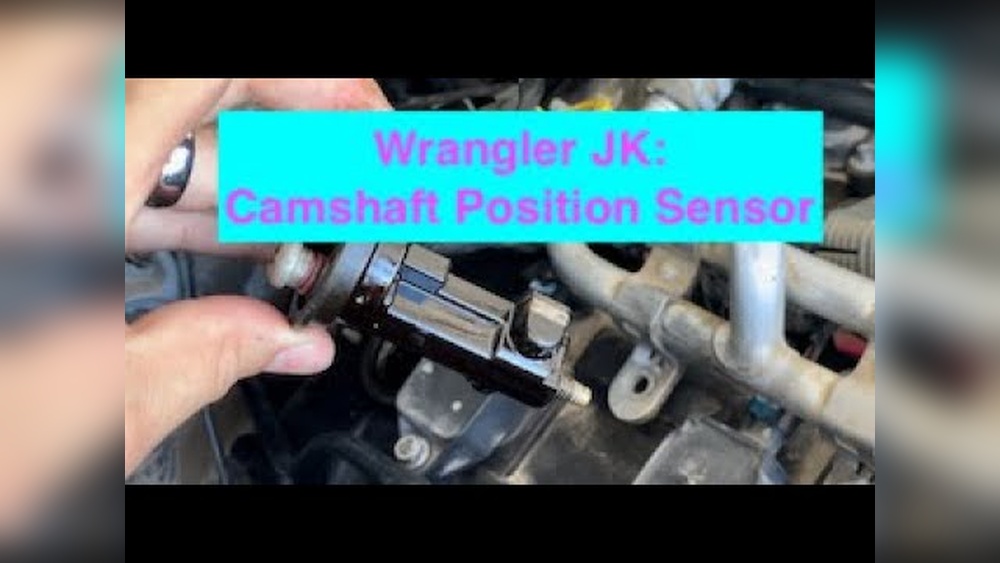
The camshaft position sensor plays a important role in your Jeep Wrangler’s engine performance. It helps control fuel injection and ignition timing by monitoring the camshaft’s position.
Sensor issues can cause the P0344 trouble code, leading to engine problems and warning lights. Understanding common faults and solutions can help keep your Wrangler running smoothly.
Common Sensor Failures
Sensor failures often start with wiring problems. Corrosion, broken wires, or loose connectors disrupt the sensor’s signal.
Heat and engine vibration can damage the sensor over time. A faulty sensor may cause rough idling, stalling, or poor acceleration.
Ignoring these signs can lead to more serious engine damage.
Passenger Side Sensor Problems
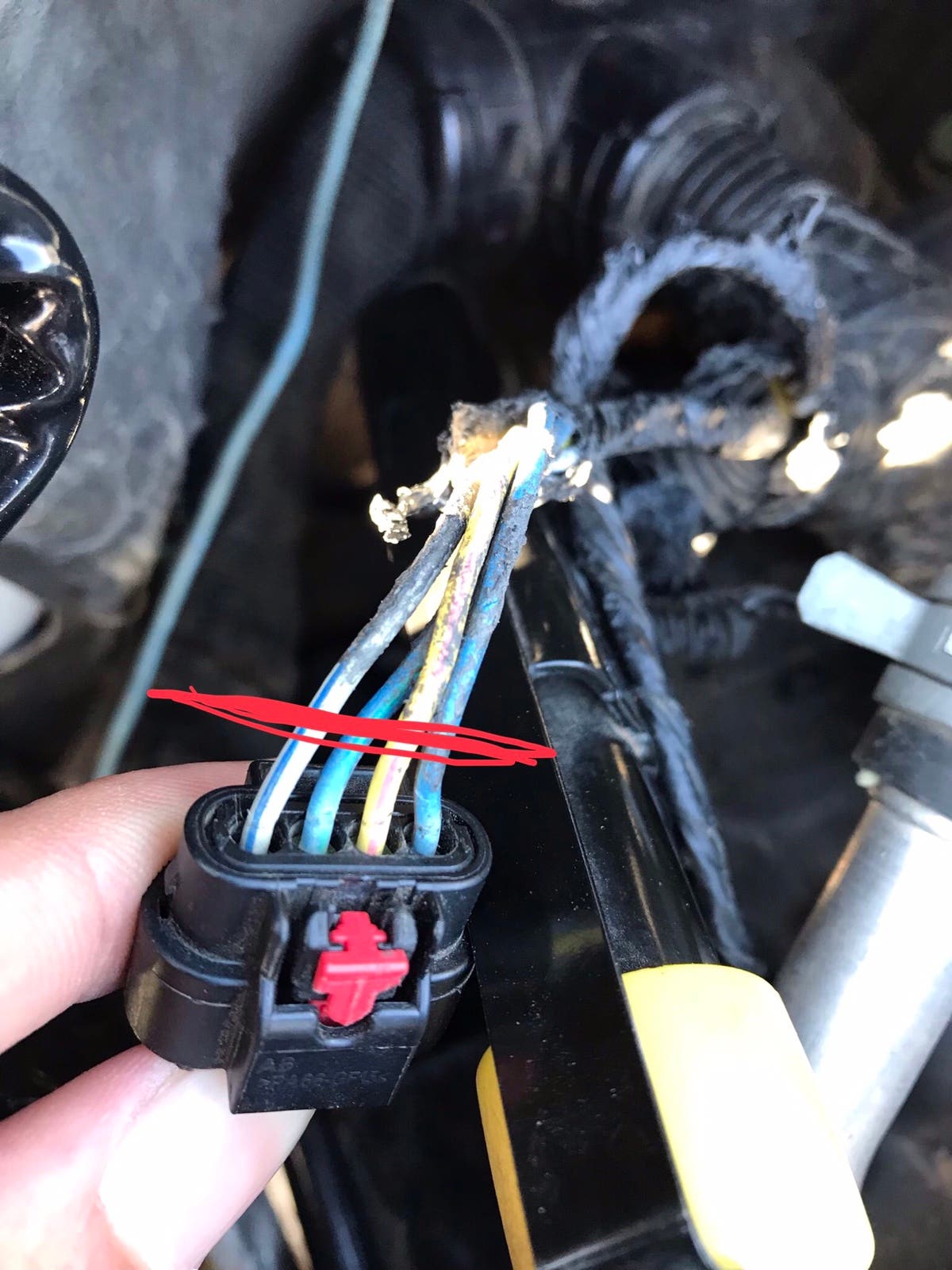
The passenger side camshaft sensor is prone to wiring issues. The sensor’s connector or wiring harness may become brittle or corroded.
This can cause intermittent signals and trigger the P0344 code. Checking the wiring carefully is important.
Wiggle the wires while the engine runs to find faults. Cleaning and tightening connections often fix the problem.
Sensor Replacement Tips
Replace the sensor with a high-quality OEM part. Before installing, inspect the wiring harness for damage.
Disconnect the battery to avoid electrical shorts. Use the correct tools to remove the old sensor carefully.
Apply dielectric grease to connectors to prevent corrosion. After replacement, clear the trouble codes and test drive the Jeep.
Ensure the engine runs smoothly without warning lights.
Wiring Harness And Connector Problems
The P0344 error code in a Jeep Wrangler often points to wiring harness and connector problems. These issues disrupt the camshaft position sensor signal, causing engine performance problems.
Faulty wiring or connectors can lead to intermittent or constant sensor failures. Identifying these faults early helps avoid costly repairs.
Brittle And Corroded Wires
Wiring near the camshaft position sensor can become brittle over time. Heat and vibration cause the wires to crack or break.
Corrosion also forms on wire surfaces, reducing electrical conductivity. These issues create poor sensor signals and trigger the P0344 code.
Inspect wires for visible damage or rust to catch problems early.
Pigtail Connector Failures
Pigtail connectors link the wiring harness to the camshaft sensor. These connectors can fail due to corrosion or broken terminals inside.
Loose or damaged connectors cause intermittent sensor signals. Cleaning and securing the connectors improves contact and prevents error codes.
Replace damaged pigtails to restore proper sensor function.
Inspecting And Testing Wiring
Begin inspection by visually checking wires and connectors for damage or corrosion. Wiggle the wiring while the engine runs to detect intermittent faults.
Use a multimeter to test wire continuity and resistance. Check for proper voltage at the sensor connector.
Repair or replace faulty wiring and connectors to clear the P0344 error.
Grounding And Electrical Connections
Grounding and electrical connections play a vital role in the proper functioning of the P0344 code in Jeep Wranglers. Poor grounding or loose electrical connections can cause intermittent signals from the camshaft position sensor.
This leads to engine performance issues and triggers the check engine light. Ensuring clean and secure connections helps maintain stable sensor readings and avoids false error codes.
Regular inspection and maintenance of grounding points and battery connections prevent corrosion and signal disruptions. A few simple steps can significantly improve the electrical system’s reliability.
Clean grounds, maintain battery posts, and apply dielectric grease to protect connectors from moisture and oxidation.
Cleaning Engine Grounds
Engine grounds often gather dirt, rust, and corrosion. These build-ups reduce the conductivity needed for accurate sensor signals.
Locate the main engine ground straps and remove any debris. Use sandpaper or a wire brush to clean the metal surfaces until shiny.
Reattach the ground securely to ensure a tight connection. Clean grounds reduce electrical resistance and improve sensor data accuracy.
Battery Posts And Harness Maintenance
Battery terminals can corrode over time, disrupting power flow. Inspect battery posts for white or greenish corrosion.
Disconnect the battery cables and clean the posts with a wire brush. Check the wiring harness connected to the camshaft sensor for cracks or damage.
Repair or replace any frayed wires to prevent signal loss. Properly maintained battery posts and harnesses support consistent sensor operation.
Applying Dielectric Grease
Dielectric grease prevents moisture and dirt from causing corrosion on electrical contacts. After cleaning grounds and connectors, apply a thin layer of grease to the contact points.
This helps maintain a strong electrical connection over time. Use dielectric grease on sensor plugs, battery terminals, and ground straps.
It acts as a barrier against oxidation and extends the life of electrical components.
Crankshaft Position Sensor Checks
The crankshaft position sensor plays a vital role in your Jeep Wrangler’s engine. It tells the engine control unit the exact position of the crankshaft.
This information helps manage fuel injection and ignition timing. Faults in this sensor often trigger the P0344 error code.
Regular checks keep your Jeep running smoothly and prevent engine problems.
Sensor Lifespan And Symptoms
The crankshaft position sensor usually lasts between 60,000 and 100,000 miles. Over time, heat and vibrations can cause it to wear out.
Common symptoms include engine stalling, rough idling, and trouble starting. You may also notice reduced engine power or misfires.
The check engine light often comes on with this sensor issue.
Testing And Replacement Advice
Testing the sensor requires a multimeter or an OBD-II scanner. Check for proper voltage and signal output. Inspect the wiring and connector for damage or corrosion. Replace the sensor if it fails these tests. Use a high-quality replacement to ensure reliability. Always disconnect the battery before starting the replacement. Tighten all connections and clear any error codes after installation.
Timing And Engine Performance
The timing system plays a key role in your Jeep Wrangler’s engine performance. It controls when the engine’s valves open and close.
Proper timing ensures smooth engine operation and efficient fuel use. A P0344 code signals an issue with the camshaft position sensor’s signal.
This can disrupt timing and reduce engine power.
Timing problems affect how well the engine runs. The engine may hesitate, stall, or run roughly.
These symptoms happen because the engine’s control unit receives wrong or no data about camshaft position. Fixing timing issues linked to P0344 helps restore engine smoothness and power.
The P0344 code points to an intermittent fault in the camshaft position sensor circuit. This sensor monitors camshaft rotation and sends signals to the engine control unit.
Timing depends on these signals to adjust fuel injection and spark timing. When the signal is weak or missing, timing goes off.
Bad timing causes poor engine performance. The engine may misfire or hesitate during acceleration.
Fuel economy drops and emissions rise. In some cases, the engine might not start at all.
Addressing sensor faults quickly prevents damage to engine components.
Pin Alignment And Sensor Signals
Pin alignment in the sensor connector affects signal quality. Bent or corroded pins disrupt communication between the sensor and engine control unit.
This leads to intermittent or no signal. Inspecting and correcting pin alignment can clear the P0344 code.
Sensor signals must be clean and consistent. Dirt, oil, or wiring damage can interfere with signals.
Checking wiring harnesses and connectors for wear or corrosion is vital. Ensuring strong sensor signals improves timing accuracy and engine performance.
Diy Fixes And Tools
DIY fixes for the P0344 Jeep Wrangler code can save time and money. This error often points to a camshaft position sensor issue.
Replacing the sensor is a common repair that many Jeep owners can do themselves. The key is having the right tools and knowing the steps to follow.
This section covers the tools needed, a clear repair guide, and safety tips to help you fix the problem confidently.
Tools Needed For Sensor Replacement
- Socket set with ratchet
- Torque wrench
- Screwdriver set
- Replacement camshaft position sensor
- Dielectric grease
- Work gloves
- Flashlight or work light
- OBD-II scanner (optional for code clearing)
Step-by-step Repair Guide
- Disconnect the negative battery terminal to avoid shocks.
- Locate the camshaft position sensor near the engine’s front or side.
- Unplug the electrical connector from the sensor carefully.
- Use a socket to remove the sensor mounting bolt(s).
- Pull out the old camshaft position sensor gently.
- Apply a small amount of dielectric grease to the new sensor’s O-ring.
- Install the new sensor and tighten the mounting bolt to spec.
- Reconnect the electrical plug securely.
- Reconnect the battery terminal.
- Start the engine and check for error code clearance.
Safety Precautions
- Always disconnect the battery before starting repairs.
- Wear gloves to protect your hands from sharp parts.
- Work in a well-lit area to avoid mistakes.
- Use tools correctly to prevent injury or damage.
- Do not force parts; if stuck, check for hidden bolts or clips.
- Keep the engine cool before working to avoid burns.
When To Seek Professional Help
Understanding when to seek professional help for the P0344 error code on your Jeep Wrangler is key. This code points to issues with the camshaft position sensor circuit.
Some problems may be simple to fix, but others require expert care. Knowing the signs can save time and money.
Complex Wiring Problems
Wiring problems are common causes of the P0344 code. If wires are damaged, corroded, or melted, the sensor will not work properly.
These issues can be hard to spot and fix without special tools. A professional mechanic can check the wiring harness and connectors thoroughly.
They can also test the circuit with precision equipment. Attempting to fix complex wiring yourself might cause more damage.
Persistent Engine Misfires
Engine misfires that keep happening need expert diagnosis. The P0344 code often appears with rough idling or stalling.
If these symptoms do not improve after simple fixes, it is time to visit a mechanic. Persistent misfires may point to sensor failure or related engine parts.
Professionals have the skills to find the root cause and fix it properly.
Cost Considerations
Repair costs vary based on the problem’s complexity. Simple sensor replacement is affordable, but wiring repairs or engine work can cost more.
A professional can provide an accurate estimate before starting repairs. They use quality parts to ensure long-lasting fixes.
Spending money on expert service can prevent expensive future damage.
How Much Does It Cost To Replace A Camshaft Position Sensor On A Jeep?
Replacing a camshaft position sensor on a Jeep typically costs between $150 and $300. Labor and parts affect the price.
How Do I Fix Code P0344?
Fix code P0344 by inspecting and repairing the camshaft sensor wiring and connectors. Clean engine grounds and battery terminals.
Test or replace the camshaft position sensor if needed. Check the crankshaft sensor for faults, as it may cause similar issues.
Can You Drive With A P0344 Code?
Driving with a P0344 code is possible but not recommended. It may cause engine misfires, rough idling, or stalling.
Get the sensor or wiring checked promptly to avoid further damage and ensure safe driving.
What Are The Symptoms Of A P0344 Code?
Symptoms of a P0344 code include check engine light, engine stalling, rough idle, hard starting, reduced performance, and misfires.
Conclusion
The P0344 code on a Jeep Wrangler usually points to camshaft sensor issues. Check the wiring harness and connectors first.
Clean engine grounds to ensure proper signals. Inspect the crankshaft sensor as well, since it can cause similar problems.
Fixing these common causes often clears the error and restores smooth engine performance.
Regular maintenance helps prevent this code from returning. Stay attentive to your Jeep’s signals for safe and reliable driving.