If you’re driving your Jeep Wrangler and the check engine light suddenly comes on, it can be frustrating and confusing. One common trouble code you might see is P0325, which relates to your vehicle’s knock sensor.
This sensor plays a important role in keeping your engine running smoothly by detecting unwanted vibrations. Ignoring this issue could lead to poor performance, reduced fuel efficiency, and even engine damage.
You’ll learn what the P0325 code means, how to spot the symptoms, and simple steps you can take to fix it.
Keep reading to get your Jeep back on the road with confidence.

P0325 Code And Jeep Wrangler
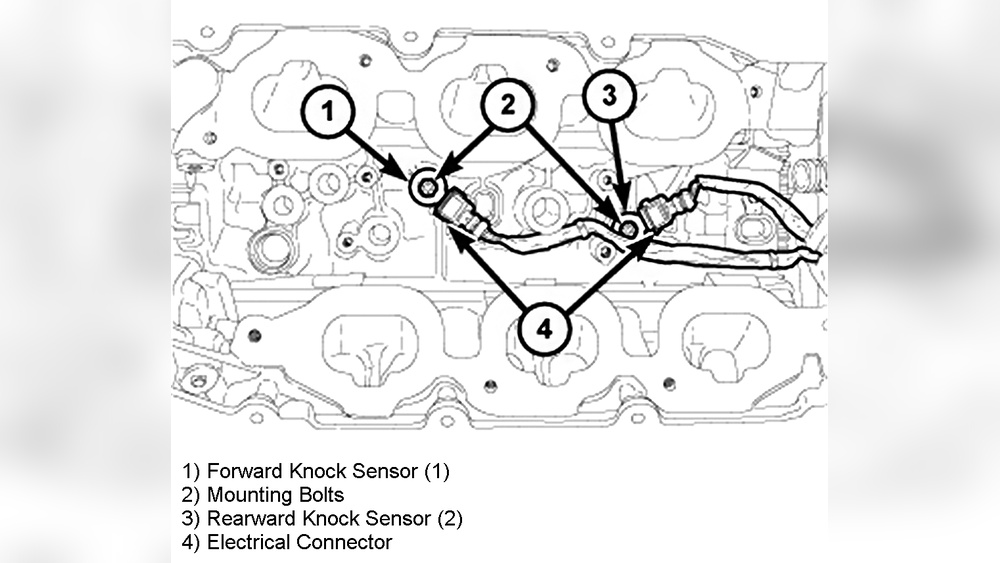
The P0325 code is a common trouble code that Jeep Wrangler owners face. It relates to the knock sensor in the engine. This sensor detects engine vibrations caused by knocking or pinging. When the sensor fails, the engine may run poorly or lose power.
Understanding the P0325 code helps maintain your Jeep Wrangler’s engine health. It ensures smooth driving and prevents costly repairs.
Learning what this code means and why it matters keeps your Jeep running strong.
What P0325 Means
The P0325 code means a problem with the knock sensor circuit. The sensor may be faulty or its wiring could be damaged.
The knock sensor detects engine knock, which is unwanted vibration.
When the sensor signals a fault, the engine control unit sets the P0325 code. This alerts you to check the sensor or its connection.
Ignoring this code can cause engine damage over time.
Why It Matters For Jeep Wranglers
In Jeep Wranglers, the knock sensor keeps the engine running efficiently. It adjusts ignition timing to prevent knocking.
If the sensor fails, the engine may lose power or hesitate.
This can reduce fuel economy and increase emissions. The check engine light will turn on, signaling trouble.
Fixing the P0325 code promptly protects your engine and improves performance.
Ignoring the code may lead to more serious engine problems. Regular check-ups and quick repairs help your Jeep stay reliable off-road and on the street.
Knock Sensor Role
Fixing the P0325 code on a Jeep Wrangler requires careful steps. Avoid common mistakes to save time and money.
Follow expert tips to troubleshoot like a pro. These insights help ensure the knock sensor works well and your engine runs smoothly.
Avoiding Over-tightening
Over-tightening the knock sensor can cause false error codes. It may also damage the sensor or the engine block threads.
Always use a torque wrench set to the Jeep manufacturer’s specs. Tighten the sensor just enough to secure it firmly but not too tight.
This prevents sensor sensitivity issues and extends its life.
Inspect wiring harnesses and connectors linked to the knock sensor. Look for frayed wires, corrosion, or loose connections.
Also, check the engine block for cracks or damage near the sensor. Faulty wiring or engine problems can trigger the P0325 code even if the sensor is fine. Testing these parts saves unnecessary sensor replacements.
Consulting Jeep Forums And Resources
Jeep forums offer practical advice from owners and mechanics. Search for P0325 issues specific to the Wrangler model and year.
Members share step-by-step fixes and tips that worked for them. Use these resources to compare symptoms and solutions.
Online communities can provide support and save costly repair errors.
Common Causes Of P0325
Preventing future issues with the P0325 code on your Jeep Wrangler starts with simple, smart steps. Taking care of your vehicle today helps avoid costly repairs tomorrow.
Focus on key areas like maintenance, wiring protection, and part upgrades. These steps keep the knock sensor and engine running smoothly.
Regular Maintenance Practices
Check the knock sensor regularly during routine service visits. Replace oil and filters on schedule to keep the engine clean.
Dirty oil can cause sensor damage and false codes. Inspect engine mounts and belts for wear.
Any vibration or movement affects sensor readings. Keep your Jeep’s engine tuned to factory specs.
Proper timing and fuel mix reduce sensor errors.
Protecting Sensor Wiring
Sensor wiring is delicate and exposed to heat and movement. Inspect wiring harnesses for cracks, frays, or corrosion often.
Use protective sleeves or conduit to shield wires from heat and debris. Avoid sharp bends or pinches in the wiring path.
Secure loose wires with clips or ties to prevent rubbing. Clean connectors with electrical contact cleaner to keep signals strong.
Upgrading Parts When Needed
Replace worn or damaged knock sensors with quality OEM parts. Aftermarket sensors can cause inaccurate readings or fail early.
Upgrade wiring harnesses if corrosion or damage is severe. Consider improved heat-resistant wiring materials for harsh conditions.
Use torque wrenches to install sensors to exact factory specs. Correct installation prevents sensor failure and false codes.

What Is The Code P0325 On A Jeep?
The code P0325 on a Jeep indicates a malfunction in the knock sensor circuit. It signals engine knocking or vibrations detected.
This can cause poor performance, reduced fuel efficiency, and a check engine light. Check the sensor and wiring for damage or failure to fix the issue.
How Do I Fix The P0325 Code?
To fix code P0325, inspect and replace the faulty knock sensor. Check wiring for damage or corrosion. Tighten the sensor to manufacturer torque specs. Clear the code with an OBD-II scanner, then test drive to confirm the issue is resolved.
Is The P0325 Code Serious?
The P0325 code signals a faulty knock sensor, which can reduce engine performance and fuel efficiency. It requires prompt attention to prevent engine damage.
What Triggers The Knock Sensor Code?
The knock sensor code triggers due to engine knocking, faulty sensor, damaged wiring, or improper sensor installation.
Conclusion
The P0325 code in your Jeep Wrangler points to a knock sensor issue. This sensor helps protect the engine from damage by detecting unusual vibrations.
Fixing it quickly improves engine performance and fuel efficiency. Regular checks and proper sensor installation prevent future problems.
Understanding this code helps keep your Jeep running smoothly and safely. Stay alert to symptoms and address them early to avoid costly repairs.