If you’ve seen the P0320 code pop up on your Jeep’s dashboard, you’re probably wondering what it means and how it affects your ride. This trouble code points to a problem with your ignition system, specifically, an issue with the engine speed input circuit.
Ignoring it can lead to engine stalling, rough starts, or even a no-start condition. But don’t worry understanding what causes this code and how to fix it can save you time, money, and stress.
Keep reading, and you’ll learn exactly what to look for and the steps you can take to get your Jeep running smoothly again.
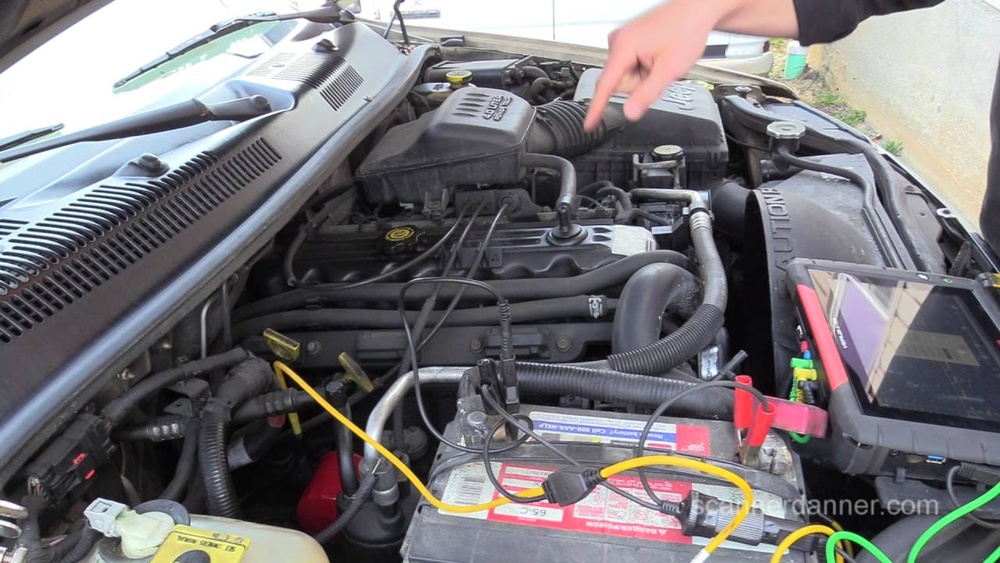
P0320 Code Basics
The P0320 code is a common issue for Jeep owners. It points to a problem with the ignition or engine speed input circuit.
This code triggers when the engine control module (ECM) detects a malfunction in the signal from the crankshaft or camshaft sensors. Understanding this code helps you identify and fix engine troubles early.
It keeps your Jeep running smoothly and avoids costly repairs.
What Triggers P0320
The P0320 code triggers when the ECM finds a fault in the ignition or distributor engine speed input circuit. This often means the crankshaft position sensor is not sending the correct signal.
Wiring issues, sensor damage, or poor connections can cause this. Engine vibrations or heat can wear out sensors over time.
A weak battery or bad ground can also disrupt signals and set off this code.
Symptoms To Watch For
Several symptoms point to a P0320 code in your Jeep. The check engine light will turn on.
The engine may stall suddenly, especially when hot or at stops. Your Jeep might crank but fail to start.
You might notice rough idling or hesitation during acceleration. These signs show the ignition or engine speed input circuit is not working properly.
Why It Matters
The P0320 code matters because it affects engine timing and performance. Faulty signals cause misfires and poor fuel efficiency.
Ignoring it can lead to harder starting or complete engine failure. Early detection saves money and prevents breakdowns.
Fixing this code keeps your Jeep reliable and safe on the road.
Common Causes
The P0320 code on a Jeep often points to ignition system issues. Understanding the common causes helps in quick diagnosis and repair.
Many problems trigger this code. Most relate to sensor or electrical faults.
Crankshaft Position Sensor Issues
The crankshaft position sensor monitors engine speed and position. A failing sensor sends wrong signals to the engine control unit.
Heat and vibration can damage this sensor over time. Dirt or oil contamination may also cause it to malfunction.
Replacing a bad sensor often clears the code.
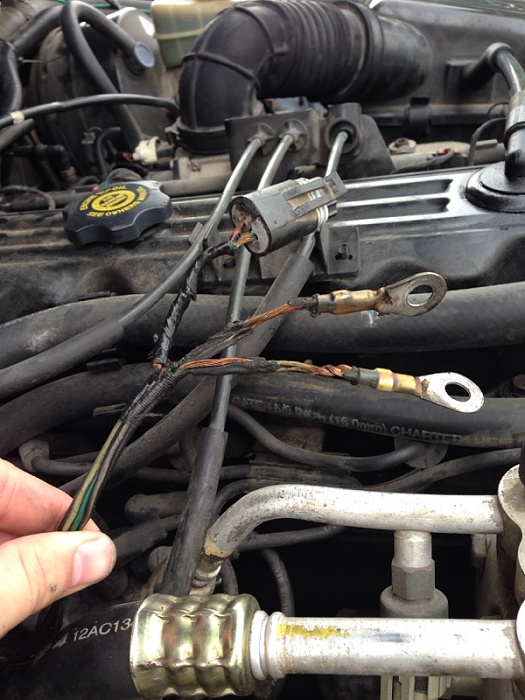
Faulty Wiring And Connectors
Wiring problems are a frequent cause of the P0320 code. Wires may become frayed, corroded, or disconnected.
Loose or dirty connectors interrupt signal flow. Inspecting the wiring harness and connectors is important.
Repairing or replacing damaged wiring restores proper communication.
Battery And Ground Problems
Low battery voltage or poor ground connections affect sensor signals. Weak power supply causes sensors to send faulty data.
Corroded or loose ground wires can create electrical noise. Testing battery health and cleaning grounds helps fix these issues.
Ensuring a strong electrical system prevents code recurrence.
Diagnosing The Problem
Diagnosing the P0320 code on your Jeep requires a careful approach. This code signals a problem with the ignition/distributor engine speed input circuit.
Finding the exact cause helps avoid unnecessary repairs. Start with basic checks, then move to detailed inspections and scans.
Checking Sensor Signals
The crankshaft position sensor sends signals to the engine control module. Use a multimeter to test its output voltage and resistance.
Look for irregular or missing signals, which can cause the P0320 code. Ensure the sensor surface is clean and free from damage.
Inspecting Wiring Harness
Wiring issues often cause signal problems. Examine the harness for broken, frayed, or corroded wires.
Check connectors for tightness and signs of rust. Look for areas where wires might rub against metal parts, causing shorts or breaks. Repair or replace damaged wiring as needed.
Using A Diagnostic Scanner
A diagnostic scanner reads error codes and live data from the Jeep’s computer. Connect the scanner to the OBD-II port under the dashboard.
Look for the P0320 code and related codes. Monitor sensor data while the engine runs to spot irregularities.
A scanner helps pinpoint the exact issue faster.
Quick Fixes
Quick fixes can help resolve the P0320 code in your Jeep fast. These simple steps target common causes like sensor issues and loose connections.
Trying these first can save time and money before a full repair.
Resetting The Crank Sensor
Resetting the crank sensor can clear minor glitches. Disconnect the battery for about 15 minutes.
This action resets the car’s computer and sensors. After reconnecting, start the engine to see if the code returns.
Cleaning Sensor Connectors
Dirty sensor connectors often cause signal problems. Use a clean cloth and electrical contact cleaner.
Gently wipe the connectors to remove dirt and corrosion. Ensure they dry completely before reconnecting.
Clean connectors improve sensor communication with the engine control unit.
Tightening Loose Connections
Loose connections can disrupt sensor signals. Inspect all wiring related to the crank sensor.
Firmly tighten any loose connectors or clips. Secure wiring prevents intermittent faults and keeps the sensor working well.
Check for damaged wires and replace if needed.
Replacing Sensors
Replacing sensors in your Jeep, especially the crankshaft position sensor, helps fix P0320 codes. A faulty sensor causes engine problems like stalling or no-start conditions.
Swapping out the sensor is a straightforward task that saves you money and time. Follow these steps to replace the sensor safely and correctly.
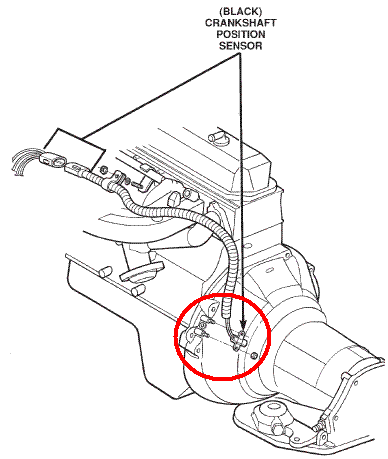
Locating The Crankshaft Sensor
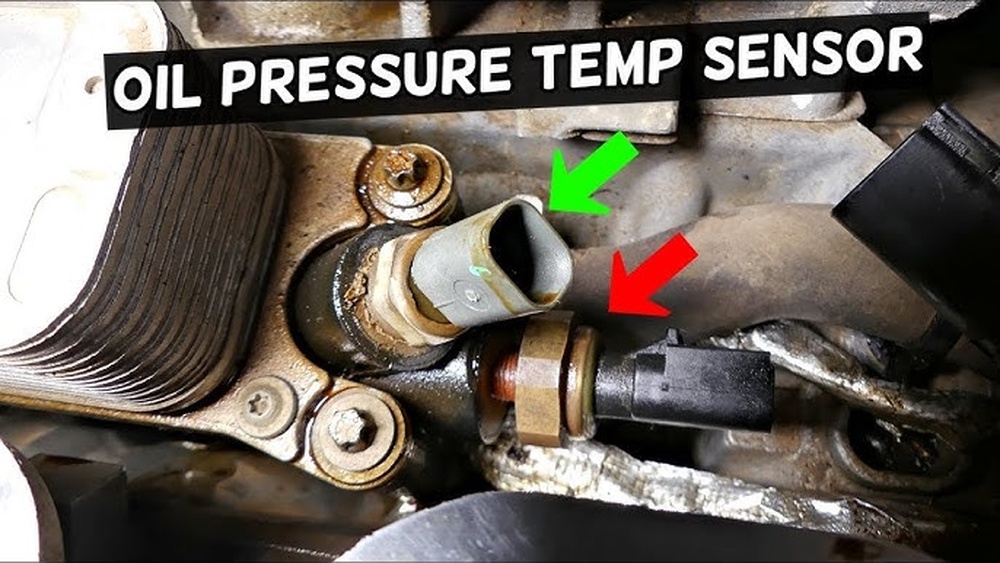
Find the crankshaft sensor on the engine block near the transmission. It usually sits on the left side of the engine, close to the firewall.
Look for a small, cylindrical sensor with a wiring connector attached. Clean the area around it to avoid dirt entering during removal.
Removing The Old Sensor
First, disconnect the battery to prevent electrical shocks. Unplug the wiring connector from the sensor carefully.
Use a socket wrench to remove the bolt holding the sensor in place. Gently pull the sensor out without forcing it to avoid damage to the engine components.
Installing A New Sensor
Compare the new sensor to the old one to ensure a perfect match. Insert the new sensor into the engine block carefully.
Tighten the bolt securely but avoid over-tightening. Reconnect the wiring harness and the battery.
Start the engine and check for error codes to confirm proper installation.

Preventive Tips
Preventing the P0320 trouble code in your Jeep is easier than fixing it after it appears. Taking simple steps can keep your engine running smooth.
Focus on key areas like wiring, battery health, and engine performance. These actions reduce the risk of sensor errors and engine misfires.
Protecting Wiring Harness
The wiring harness carries signals from sensors to the engine control unit. Check it often for cuts, wear, or loose connections.
Keep wires away from hot engine parts and sharp edges. Use protective sleeves to prevent damage from heat and vibration.
Secure all connectors firmly to avoid signal loss.
Regular Battery Maintenance
A weak or dirty battery can cause sensor malfunctions. Test your battery voltage regularly to ensure it stays strong.
Clean battery terminals to prevent corrosion and maintain good contact. Replace the battery if it shows signs of aging or fails to hold charge. Healthy batteries support stable sensor readings.
Monitoring Engine Performance
Watch for signs like rough idling, stalling, or poor acceleration. These can signal sensor or ignition problems.
Use a scanner to check for error codes early. Keep your Jeep’s engine tuned and oil changed on schedule.
Timely maintenance helps sensors work properly and avoids bigger issues.
When To Seek Professional Help
Knowing when to seek professional help for a P0320 Jeep code is important. Some problems need expert attention to avoid further damage.
Early intervention can save time and money. Understanding the signs helps you decide the right moment to visit a mechanic.
Complex Electrical Issues
Electrical problems can be tricky and hard to diagnose. Faulty wiring or damaged sensors cause the P0320 code.
Professionals have the skills to trace electrical faults safely. They use proper tools to fix issues without risking other parts.
Persistent Engine Misfires
Engine misfires that continue after simple fixes need expert care. Persistent misfires affect engine performance and fuel efficiency.
A mechanic can identify hidden causes like ignition or fuel system faults. Ignoring this may lead to bigger engine problems.
Advanced Diagnostic Tools
Professional mechanics use advanced diagnostic devices for accurate readings. These tools detect issues that basic scanners miss.
They provide detailed reports on engine and sensor conditions. Using these tools ensures correct repairs and prevents repeated errors.
How Do I Fix Code P0320?
Fix code P0320 by inspecting and repairing damaged wiring or connectors to the crankshaft sensor. Replace the faulty crankshaft position sensor if needed.
Clear error codes with a scanner and test drive to confirm the issue resolves.
What Is The Code P0320 On A Jeep?
Code P0320 on a Jeep indicates a malfunction in the ignition/distributor engine speed input circuit. It often relates to a faulty crankshaft position sensor or wiring issues.
This code causes engine stalling, no-start conditions, and triggers the check engine light.
Inspect sensors and wiring to fix it.
How Serious Is The P0320 Code?
The P0320 code signals a serious ignition system issue. It can cause engine stalling or no-start conditions. Prompt diagnosis and repair prevent further damage.
How Do I Reset A Crank Sensor?
To reset a crank sensor, disconnect the battery for 15 minutes to clear the ECU memory. Reconnect and start the engine. Use an OBD-II scanner to erase error codes if needed. Check sensor wiring and connections for damage before resetting.
Conclusion
The P0320 code on a Jeep signals an ignition or sensor issue. It can cause rough idling or engine stalling.
Checking the crankshaft and camshaft sensors is important. Inspect wiring for damage or loose connections. Replacing faulty parts often solves the problem.
Regular maintenance helps prevent this error. Keep your Jeep running smoothly by addressing this code promptly.
Understanding this issue saves time and money on repairs. Stay proactive to enjoy a reliable driving experience.