If you’re seeing the P0304 code pop up on your Jeep, it means your engine has detected a misfire in cylinder 4. This can lead to rough idling, reduced power, and even higher fuel consumption—none of which you want while driving.
But don’t worry, understanding what causes this code and how to fix it can save you time and money. You’ll learn the common reasons behind the P0304 error and the simple steps you can take to get your Jeep running smoothly again.
Keep reading you’re just a few fixes away from a healthier engine and a better driving experience.
P0304 Code Basics
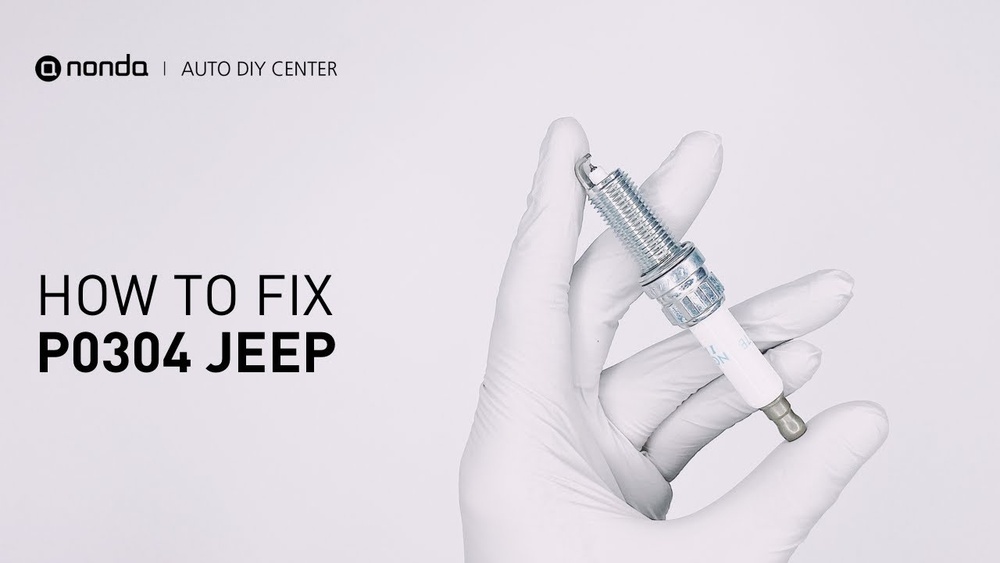
The P0304 code is a common trouble code for Jeep vehicles. It signals a misfire in cylinder 4.
This means the engine detects an issue with how cylinder 4 is firing. Misfires can cause rough running and reduce fuel efficiency.
Understanding this code helps in fixing the problem fast and saving money.
What P0304 Means
The P0304 code means cylinder 4 is misfiring. This happens when the air and fuel mixture in that cylinder does not ignite properly.
The engine control unit (ECU) senses this and triggers the code. A misfire can result from many issues like bad spark plugs, ignition coils, or fuel injectors.
It may also signal engine mechanical problems or wiring faults.
Symptoms To Watch For
Watch for rough engine idle and shaking. The Jeep might feel jerky or lose power.
Fuel consumption can rise due to poor combustion. The check engine light often turns on.
Sometimes, you may notice unusual sounds or exhaust smoke. Ignoring these signs can lead to bigger engine problems.

Common Causes
The P0304 code in a Jeep signals a misfire in cylinder 4. This can lead to rough engine performance and lower fuel efficiency.
Several common causes trigger this issue. Identifying the root cause helps fix the problem quickly.
The following sections explain the main reasons behind the P0304 code.
Faulty Spark Plugs And Ignition Coils
Faulty spark plugs or ignition coils often cause misfires. Worn or dirty spark plugs fail to ignite the fuel-air mix properly.
Ignition coils can also fail, causing weak or no spark. Replacing bad spark plugs or coils usually solves the issue.
Leaking Spark Plug Tube Seals
Leaking spark plug tube seals allow oil to seep into the spark plug wells. This oil can cause misfires by fouling the spark plugs.
Oil on the spark plug or coil is a clear sign of leaking seals. Fixing this requires replacing the valve cover gasket and tube seals.
Fuel Injector Problems
Fuel injectors deliver fuel to the engine cylinders. If an injector is clogged or faulty, it disrupts fuel flow.
Wiring damage to injectors can also cause issues. Cleaning or replacing the fuel injector often restores proper engine function.
Mechanical Engine Issues
Mechanical problems inside the engine can cause cylinder misfires. Low compression due to worn valves, piston rings, or cylinder head issues affects performance.
Sticking valves or lifters can also lead to misfires. These problems require detailed inspection and repair.
Diagnosing The Misfire
Diagnosing a P0304 misfire in your Jeep requires a clear and simple approach. The error means cylinder four is not firing properly.
This can cause rough idling, poor fuel economy, and engine hesitation. Pinpointing the cause saves money and prevents further damage.
Several parts can cause a misfire. Testing each part step-by-step helps find the exact issue.
This guide covers key checks for spark plugs, ignition coils, fuel injectors, and mechanical faults.
Swapping Spark Plugs
Start by swapping the spark plug from cylinder four with one from another cylinder. If the misfire moves with the spark plug, the plug is faulty.
Check the plug for wear, deposits, or damage. Replace it if needed.
Clean or gap the plug according to Jeep’s specifications.
Testing Ignition Coils
Ignition coils deliver spark to the plugs. Faulty coils can cause misfires.
Swap the coil from cylinder four with another cylinder’s coil. If the misfire follows the coil, replace it.
Use a multimeter to check coil resistance. Look for cracks or burns on the coil surface.
Inspecting Fuel Injectors
Fuel injectors spray fuel into the cylinder. A clogged or broken injector can cause a misfire.
Listen for a clicking sound from the injector. Use a noid light to check the injector’s electrical signal.
Clean the injector or replace it if it fails testing. Check wiring for damage or corrosion.
Checking For Mechanical Faults
Mechanical problems can also cause cylinder misfires. Low compression from worn valves or piston rings reduces engine power.
Perform a compression test on cylinder four. Look for oil leaks or broken valve seals.
Sticking valves or lifters may cause intermittent misfires. Inspect the engine for unusual noises or signs of wear.
Quick Fixes
Quick fixes for the P0304 Jeep code often solve the problem fast. This code shows a misfire in cylinder 4.
Misfires can cause rough running and poor fuel economy. Simple repairs can clear the error and restore smooth driving.
Replacing Spark Plugs And Coils
Old or damaged spark plugs cause misfires easily. Check cylinder 4’s spark plug first.
Swap it with another cylinder’s plug. If the misfire moves, replace the spark plug.
Ignition coils also wear out. Test the coil on cylinder 4 with a multimeter.
Replace it if readings are off. New plugs and coils improve spark and fix misfires quickly.
Fixing Leaking Seals
Leaking spark plug tube seals let oil enter the plug area. Oil fouls the spark and causes misfires.
Look for oil around cylinder 4’s spark plug.
Replace the valve cover gasket and the tube seals if you find oil leaks. This stops oil from fouling the plugs and clears the P0304 code.
Cleaning Or Replacing Injectors
Fuel injectors can get dirty or fail. A clogged injector sprays fuel unevenly, causing a misfire. Check the injector wiring for damage.
Clean the injector with a fuel injector cleaner. If cleaning does not help, replace the injector.
Proper fuel spray fixes combustion and stops misfires.
Addressing Engine Mechanical Issues
Low compression in cylinder 4 causes misfires too. Worn valves, piston rings, or cylinder heads can lower compression. Check compression with a gauge.
Mechanical repairs may be needed if compression is low. Fix valves or piston rings as required.
Good compression ensures proper engine power and smooth running.
Maintenance Tips
Proper maintenance helps prevent the P0304 error in your Jeep. It keeps the engine running smooth.
Small checks today avoid big repairs tomorrow. Focus on key parts that affect cylinder four.
These tips help keep your Jeep reliable and efficient.
Regular Spark Plug Checks
Check spark plugs often for wear and dirt. Worn plugs cause weak sparks and misfires.
Clean or replace them every 30,000 miles or as needed. Use the correct type for your Jeep model. Tighten plugs properly to avoid damage.
Keeping Injectors Clean
Fuel injectors spray fuel into the engine. Dirty injectors cause uneven fuel flow and misfires.
Use fuel injector cleaner regularly. If cleaning does not help, have a mechanic inspect or replace them.
Keep injector wiring intact and free from damage.
Routine Valve Cover Gasket Inspection
Valve cover gaskets seal oil inside the engine. Leaking gaskets let oil reach spark plugs.
This causes misfires and engine trouble. Inspect the gasket for cracks or leaks every oil change.
Replace it immediately if you see oil around spark plugs.
Throttle Body And Pcv Valve Care
Clean the throttle body to avoid dirt buildup. A dirty throttle body can cause rough idling and misfires.
Replace the PCV valve as part of routine maintenance. A faulty PCV valve can increase engine pressure and cause cylinder issues.
Both parts help your Jeep run clean and smooth.
When To Seek Professional Help
Knowing when to seek professional help for a P0304 Jeep code is crucial. This code signals a misfire in cylinder 4, which can lead to serious engine problems.
Early action can save money and prevent further damage. Some issues need expert tools and knowledge for proper diagnosis and repair.
Signs Of Serious Engine Damage
Watch for smoke from the exhaust or burning smells. Loud knocking or pinging noises can indicate engine damage.
A sudden drop in power or rough running also shows serious trouble. These signs mean the engine could be harmed and needs expert care immediately.
Complex Electrical Issues
Misfires can result from wiring or sensor problems. Faulty ignition coils or fuel injectors often cause these issues.
Complex electrical faults require specialized diagnostic equipment. Professionals can test and repair wiring and sensors accurately to fix the problem.
Persistent Misfire Problems
If the misfire code returns after basic fixes, it needs professional attention. Repeated misfires can damage the catalytic converter and other parts.
Mechanics can perform detailed inspections to find hidden causes. Persistent problems need expert repairs to ensure safe driving.
Frequently Asked Questions
How To Fix P0304 Cylinder 4 Misfire?
Fix P0304 by inspecting and replacing the spark plug or ignition coil on cylinder 4. Check for oil leaks and replace valve cover gasket if needed.
Test and clean or replace the fuel injector and wiring. Assess engine compression and repair mechanical issues like worn valves or piston rings.
What Is The Most Common Cause Of Cylinder 4 Misfire?
The most common cause of cylinder 4 misfire is a bad spark plug or ignition coil. Faulty spark plugs disrupt combustion, causing misfires.
Is It Worth Fixing A P0304 Code?
Fixing a P0304 code is worth it to prevent engine damage and improve performance. Address spark plugs, ignition coils, or injector issues promptly.
Is It Okay To Drive With A Cylinder 4 Misfire?
Driving with a cylinder 4 misfire can damage your engine and reduce fuel efficiency. Get it diagnosed and repaired promptly.
Conclusion
The P0304 Jeep code points to a misfire in cylinder four. Common causes include bad spark plugs, ignition coils, or fuel injectors.
Oil leaks around spark plugs may signal leaking tube seals. Mechanical issues like worn valves or low compression can also trigger this code.
Regular checks and timely repairs keep your Jeep running smoothly. Addressing problems early prevents bigger engine damage and costly fixes.
Stay attentive to symptoms like rough idling or engine hesitation. Understanding these basics helps you maintain your Jeep’s performance and reliability.