If you own a Jeep and have noticed the P0301 code pop up on your dashboard, you’re probably wondering what it means and how it affects your ride. This code points to a misfire in cylinder 1, which can cause rough idling, loss of power, or even engine shaking.
Ignoring it could lead to bigger problems and costly repairs. But don’t worry understanding the symptoms, common causes, and simple fixes can get your Jeep running smoothly again.
Keep reading to learn exactly what you need to do to tackle the P0301 code and keep your Jeep performing its best.
Symptoms Of P0301 In Jeep
The P0301 code in a Jeep signals a misfire in cylinder 1. This issue can cause several noticeable symptoms while driving.
Recognizing these signs early helps prevent further engine damage. Here are the common symptoms of P0301 in a Jeep.
Rough Idling And Engine Vibrations
The engine may idle roughly or shake noticeably. Vibrations can be felt inside the cabin.
This happens because cylinder 1 is not firing properly. The engine struggles to run smoothly at low speeds.
Check Engine Light Behavior
The Check Engine Light (CEL) often turns on with a P0301 code. It may flash or stay solid.
A flashing light means the misfire is severe. Ignoring this warning can lead to costly repairs.
Power Loss And Acceleration Issues
The Jeep may lose power during acceleration. Hesitation or stalling can occur when pressing the gas pedal.
The misfire reduces engine performance and fuel efficiency. Driving feels less responsive and less smooth.
Common Causes Of P0301
The P0301 code signals a misfire in cylinder one of your Jeep’s engine. This misfire can cause rough idling and loss of power.
Several issues can trigger this fault. Identifying the root cause helps in fixing the problem quickly.
Below are common causes of P0301 to watch for.
Oil In Spark Plug Tube
Oil can leak into the spark plug tube, soaking the spark plug and coil boot. This oil disrupts the electrical connection, causing the cylinder to misfire.
Oil presence often points to a sealing problem around the spark plug.
Leaking Valve Cover Gasket
A worn or damaged valve cover gasket may allow oil to seep into spark plug wells. This leak wets the spark plugs and ignition coils.
The wet parts fail to fire properly, leading to a P0301 code.
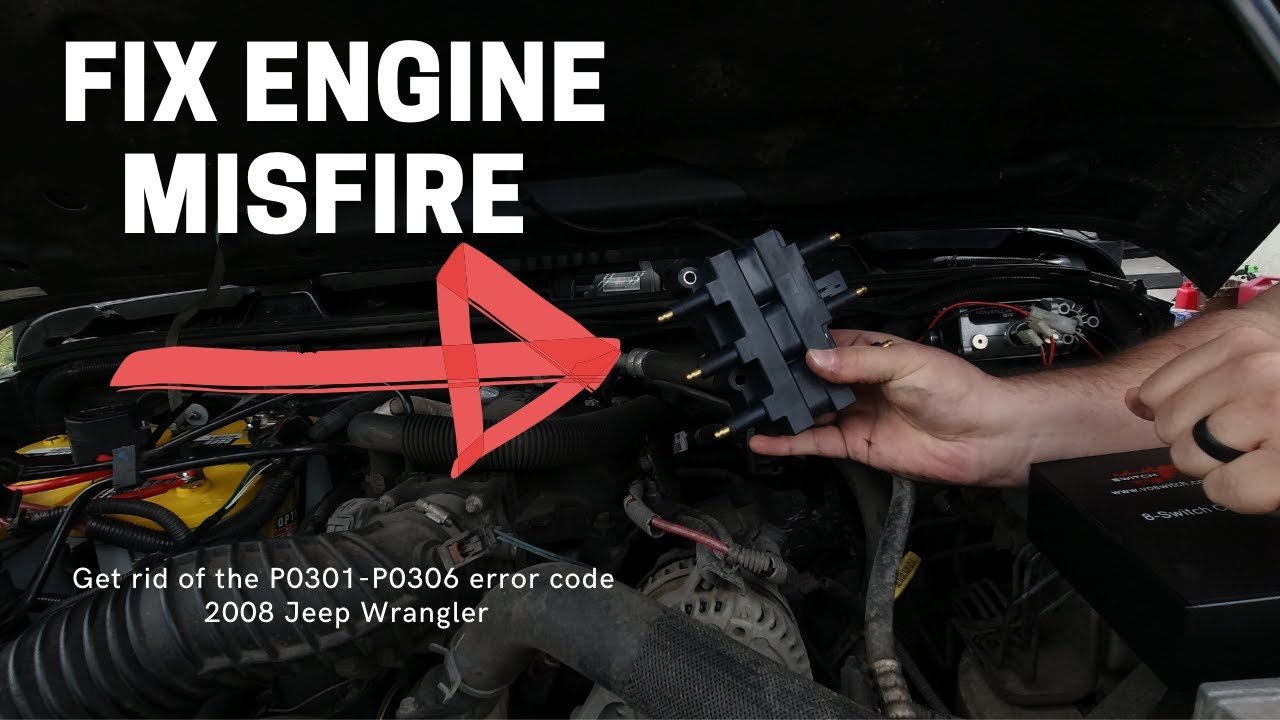
Faulty Ignition Coil Or Spark Plug
Ignition coils and spark plugs wear out over time. A bad coil or plug can fail to create the spark needed for combustion.
Replacing these parts often resolves the misfire on cylinder one.
Fuel System Problems
Fuel injectors that are clogged or malfunctioning can cause lean fuel conditions. Insufficient fuel disrupts combustion in the cylinder.
This issue may lead to a P0301 misfire.
Vacuum Leaks And Air Intake Issues
Air leaks in the intake system affect the air-fuel mixture. Too much air causes the engine to run lean.
This imbalance can cause the first cylinder to misfire and trigger the P0301 code.
Compression Problems
Low compression in cylinder one can result from worn piston rings or valves. Poor compression means weak combustion.
Testing compression helps diagnose if this is the cause of the misfire.
Diy Fixes For P0301
The P0301 code signals a misfire in cylinder 1 of your Jeep’s engine. This issue can cause rough idling, shaking, or loss of power.
Simple DIY steps can help fix this problem without costly repairs. These fixes focus on common causes that trigger the P0301 code.
Follow these easy methods to restore smooth engine performance.
Replacing Valve Cover Gasket
A leaking valve cover gasket can let oil seep into the spark plug well. This oil causes poor electrical contact, leading to misfires.
Remove the old gasket and clean the surface well. Install a new gasket to seal the valve cover tightly.
This fix often stops oil from reaching the ignition parts.
Cleaning Or Replacing Ignition Components
Dirty or worn ignition parts cause weak sparks and misfires. Check the spark plugs and ignition coils on cylinder 1.
Clean any dirt or replace faulty spark plugs and coils. Ensure connections are tight and free of corrosion.
Good ignition components help the engine fire correctly.
Checking And Repairing Fuel Injectors
Fuel injectors spray fuel into the engine. A clogged or faulty injector on cylinder 1 can cause a misfire.
Use a fuel injector cleaner or replace the injector if needed. Proper fuel flow keeps the engine running smoothly and avoids misfires.
Addressing Vacuum Leaks
Vacuum leaks disturb the air-fuel mixture in the engine. Inspect hoses and gaskets around cylinder 1 for cracks or damage.
Replace or seal any leaks found. Fixing vacuum leaks helps maintain the right engine balance and reduces misfires.
Performing A Cylinder Compression Test
A compression test measures the pressure inside cylinder 1. Low compression can point to worn piston rings or valves.
Use a compression tester by screwing it into the spark plug hole. Compare the reading to manufacturer specs. Repair any mechanical issues causing low compression.
Expert Troubleshooting Tips
Expert troubleshooting tips help you fix the P0301 Jeep code efficiently. This code signals a misfire in cylinder one.
Catching the issue early saves time and money. Use these tips to narrow down the cause and solve the problem.
Using Diagnostic Tools Effectively
Start by using an OBD-II scanner to read the trouble code. This tool shows error codes and live data from sensors.
Scan the engine while running to spot misfires or irregular data. Use freeze frame data to see conditions when the code appeared.
Check spark plugs, ignition coils, and fuel injectors using the scanner. Follow the readings to pinpoint faulty parts quickly.
Interpreting Compression Test Results
A compression test reveals the engine’s health inside the cylinder. Use a compression tester to measure pressure in cylinder one.
Low pressure means possible issues like worn piston rings or valves. Compare cylinder one’s pressure to the others for balance.
If pressure is uneven, it signals mechanical problems causing the misfire. Always test when the engine is cold for accurate results.
Identifying Intermittent Misfires
Intermittent misfires cause random engine shaking or hesitation. These misfires are tricky since they do not happen all the time.
Watch for patterns like misfires during acceleration or idle. Use live data from the scanner to catch misfires while driving.
Inspect wiring harnesses and connectors for loose or damaged parts. Clean or replace components that show wear or corrosion.
When To Consult A Professional Mechanic
Some problems need advanced tools or skills beyond home repair. Seek a mechanic if the misfire continues after basic checks.
Complex issues include internal engine damage or faulty ECU. Professionals use advanced diagnostics and repair techniques.
Early mechanic consultation prevents further engine damage and high repair costs. Trust expert help to ensure safe and lasting repairs.

Frequently Asked Questions
What Is The Most Common Cause Of A Code P0301?
The most common cause of code P0301 is a misfire in cylinder 1, often due to a faulty spark plug or ignition coil.
How To Fix P0301 Cylinder 1 Misfire?
Check and replace the spark plug and ignition coil on cylinder 1. Inspect for vacuum leaks and faulty fuel injectors.
Test compression and repair any valve cover gasket leaks causing oil in spark plug wells. Clear codes and retest to confirm the fix.
Can I Still Drive With A Cylinder 1 Misfire?
Driving with a cylinder 1 misfire is possible but not recommended. It can cause engine damage and reduce fuel efficiency.
Get it repaired promptly to avoid costly repairs and ensure safety.
What Is The Most Common Reason For Cylinder 3 Misfire?
The most common reason for cylinder 3 misfire is a faulty spark plug or ignition coil. Oil leaks causing poor electrical connection also contribute.
Conclusion
A P0301 code signals a misfire in cylinder one of your Jeep. This issue can cause rough idling and loss of power.
Common causes include faulty spark plugs, ignition coils, or oil leaks. Regular checks help spot problems early and keep your Jeep running smoothly.
Fixing the cause promptly avoids bigger engine troubles later. Stay attentive to your Jeep’s performance and address issues as they arise.
This simple care helps ensure your Jeep stays reliable on every drive.