If your Jeep’s check engine light just popped on and you spotted the P0300 code, you’re likely dealing with a random or multiple cylinder misfire. This can feel overwhelming, but understanding what’s behind this code is the first step to getting your Jeep back on the road smoothly.
You might wonder what causes these misfires and how to fix them without wasting time or money. You’ll learn the common reasons behind a P0300 code, where to start checking your Jeep, and quick troubleshooting tips that anyone can follow.
Keep reading to take control of your Jeep’s engine health and avoid bigger problems down the road.
P0300 Code Basics
The P0300 code on a Jeep signals a random or multiple cylinder misfire. This means the engine computer found that one or more cylinders are not firing properly.
The issue can affect engine performance and fuel efficiency. Understanding the basics of this code helps Jeep owners take the right steps to fix it.
What P0300 Means
The P0300 code means the engine is misfiring in more than one cylinder. It is called a “random” misfire because it does not point to a specific cylinder.
Misfires happen when the fuel-air mixture in the cylinder does not ignite correctly. This causes rough running and can damage the engine if not fixed.
Symptoms Of Engine Misfire
Engine misfires cause several noticeable symptoms. You may feel the engine shake or run unevenly.
The Jeep might hesitate or lose power during acceleration. The check engine light often comes on.
You may also hear popping or coughing sounds from the exhaust. Fuel economy can drop as well.
How The Engine Computer Detects Misfires
The engine computer uses sensors to monitor engine performance. It measures crankshaft speed and vibrations.
When a cylinder misfires, the crankshaft speed changes slightly. The computer detects these changes as misfires.
It then stores the P0300 code to alert you of the problem.
Common Causes
The P0300 code means the engine has random or multiple cylinder misfires. This code does not point to one specific problem.
It often needs checking several systems to find the cause.
Common causes include issues with the ignition system, fuel system, and airflow leaks. Each of these can disrupt engine performance and trigger the error code.
Ignition System Issues
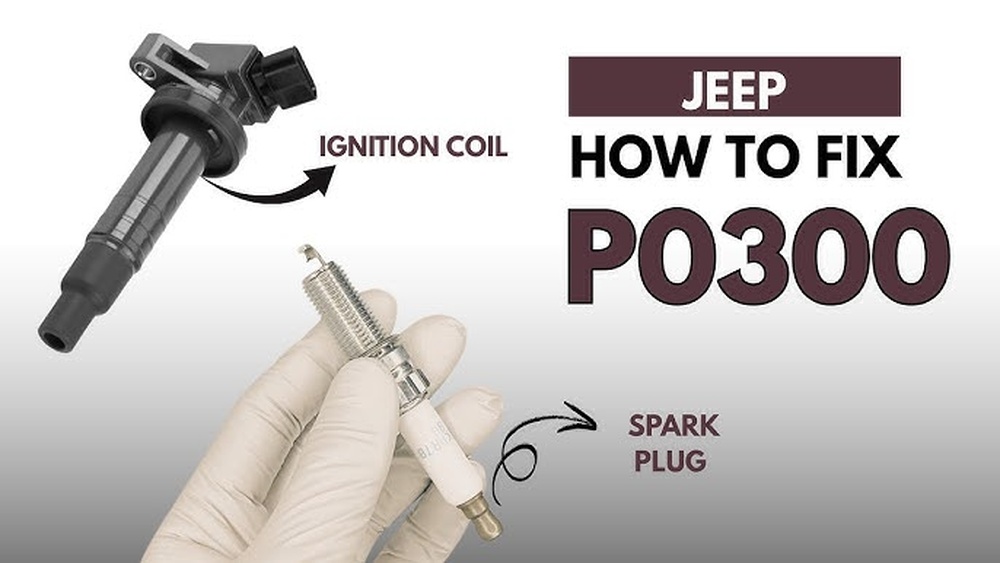
Faulty spark plugs are a frequent cause of misfires. Worn or damaged plugs fail to ignite the fuel-air mix properly.
Ignition coils can also fail, causing weak or no spark. Cracked spark plug wires lead to poor spark delivery and misfires.
Fuel System Problems
Clogged fuel injectors restrict fuel flow to the engine. A failing fuel pump may not supply enough fuel pressure.
Low fuel pressure starves the engine, causing misfires and rough running.
Airflow And Vacuum Leaks
Cracked intake boots or bad gaskets let unmetered air into the engine. This extra air confuses the engine control unit.
The air-fuel mix becomes unbalanced, leading to misfires and poor performance.
Ignition System Checks
The P0300 code in your Jeep signals a random or multiple cylinder misfire. This issue often roots in the ignition system.
Checking the ignition system parts can reveal worn or faulty components. These checks help restore engine performance and reduce misfires.
Inspecting Spark Plugs
Spark plugs deliver the spark needed to ignite the fuel-air mix in the engine. Worn or fouled spark plugs cause weak or no spark.
Remove each spark plug and check for damage, carbon buildup, or gaps that are too wide or narrow. Replace any plugs that look worn or damaged to maintain proper ignition.
Testing Ignition Coils
Ignition coils boost battery voltage to create a strong spark. Faulty coils can cause weak sparks or no spark at all.
Use a multimeter to check coil resistance and output. Swap coils between cylinders to see if misfires move.
Replace coils that fail tests or cause misfires to fix the problem.
Examining Spark Plug Wires
Spark plug wires carry electricity from coils to plugs. Cracks, burns, or corrosion in wires reduce spark quality.
Inspect wires closely for visible damage or wear. Wiggle wires gently to detect loose connections.
Replace damaged or worn wires to ensure consistent spark delivery and reduce misfires.
Fuel System Inspection
The fuel system plays a vital role in your Jeep’s engine performance. Problems here often cause the P0300 code.
This code signals random or multiple cylinder misfires, which can stem from fuel delivery issues.
Inspecting the fuel system helps pinpoint the cause. Checking injectors, fuel pump, and fuel pressure reveals possible faults.
Each part must supply the right amount of fuel at the right time.
Checking Fuel Injectors
Fuel injectors deliver fuel directly into the engine cylinders. Dirty or clogged injectors reduce fuel flow, causing misfires.
Look for signs of leaks or buildup. Testing injectors ensures they spray fuel evenly and properly.
Use a mechanic’s stethoscope or listen for clicking sounds. A weak or silent injector may need cleaning or replacement.
Proper injector function keeps the engine running smoothly.
Evaluating Fuel Pump Performance
The fuel pump moves fuel from the tank to the engine. A weak pump can starve the engine of fuel.
Check for whining noises or slow starts, which hint at pump trouble.
Measure the voltage at the pump connector to confirm power supply. Inspect the fuel filter for clogs that can reduce pump efficiency.
A faulty pump may cause inconsistent fuel delivery and misfires.
Measuring Fuel Pressure
Fuel pressure must stay within factory specs. Use a fuel pressure gauge to measure pressure at the fuel rail.
Low pressure means the engine may not get enough fuel.
Check pressure with the engine running and key on. Compare results to Jeep’s specifications.
Incorrect fuel pressure often triggers the P0300 code by causing random misfires.
Airflow And Vacuum Leak Diagnosis
The P0300 code in a Jeep signals random or multiple cylinder misfires. Airflow problems and vacuum leaks often cause these misfires.
Diagnosing these issues involves careful inspection of intake hoses, clamps, and sensors.
Unmetered air entering the engine throws off the air-fuel mix. This leads to rough running and poor performance.
Detecting vacuum leaks ensures the engine gets the right air amount.
Inspecting Intake Hoses And Clamps
Start by checking the intake hoses for cracks or holes. These damaged hoses let extra air bypass the sensors.
Loose clamps can also cause leaks. Tighten any loose clamps to restore proper sealing.
Replace any damaged hoses to prevent unmetered air from entering. Make sure all connections are secure and free of debris.
Testing Mass Air Flow Sensor
The Mass Air Flow (MAF) sensor measures the air entering the engine. Dirt or damage on the sensor can cause false readings.
Clean the sensor gently with a special MAF cleaner spray.
Check the sensor’s electrical connections for corrosion or loose pins. Test the sensor output with a multimeter to verify proper function.
Detecting Vacuum Leaks
Vacuum leaks let air enter the engine without passing through the MAF sensor. Use a smoke machine or spray carb cleaner near vacuum lines and intake gaskets. Changes in engine idle speed indicate leaks.
Listen for hissing sounds that signal escaping air. Replace faulty vacuum hoses and gaskets to fix leaks.
Proper sealing improves engine performance and reduces misfires.
Quick Troubleshooting Steps
The P0300 code signals a random or multiple cylinder misfire in your Jeep. This can cause rough idling, poor acceleration, and higher emissions.
Quick troubleshooting helps identify common causes fast. Focus on ignition parts, power relays, and diagnostic tools first.
These steps save time and prevent unnecessary repairs.
Removing And Inspecting Plugs And Coils
Start by removing the spark plugs and ignition coils. Look for worn, cracked, or fouled spark plugs.
Check for oil or carbon buildup that can cause misfires. Inspect ignition coils for cracks or corrosion on the connectors.
Replace any damaged or faulty parts to restore proper spark delivery.
Checking Asd Relay And Fuses
Locate the ASD (Automatic Shutdown) relay and fuses in the engine’s power distribution box. Check for burn marks, melted plastic, or corrosion.
A bad ASD relay can cut off power to ignition and fuel systems. Test the relay by swapping with a similar one or using a multimeter.
Replace blown fuses to ensure the circuit is complete.
Using Diagnostic Tools
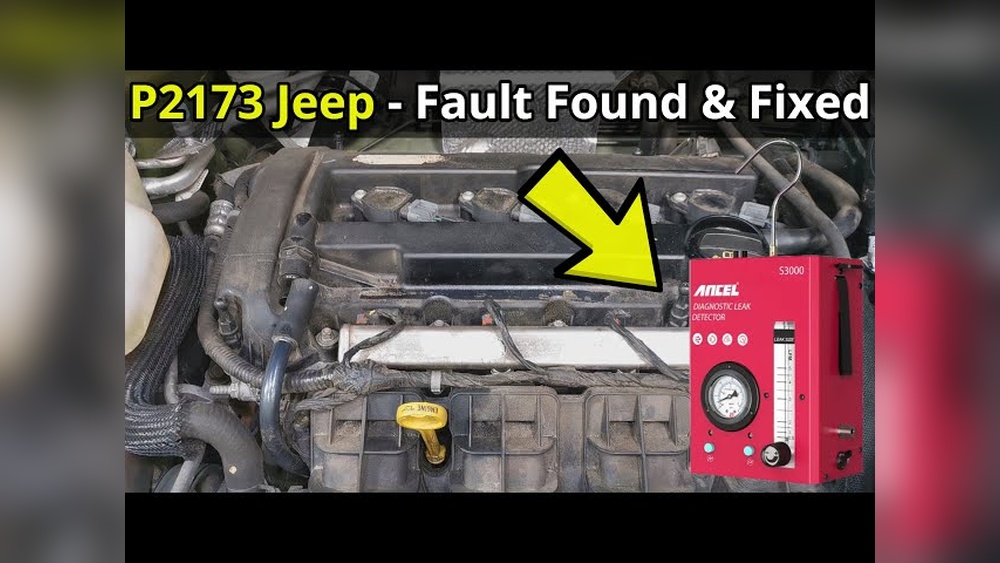
Use an OBD-II scanner to read trouble codes and live data. The scanner helps confirm misfire locations and patterns. Monitor engine parameters like fuel trims and ignition timing for clues. Advanced tools can perform cylinder balance tests. These tools provide accurate information to guide repairs and avoid guesswork.
Repair And Replacement Tips
Repairing and replacing parts for the P0300 Jeep code can bring your engine back to smooth running. This code means the engine has random misfires.
These misfires happen in different cylinders, not just one. Fixing the problem needs checking key parts like spark plugs, fuel injectors, and air intake components.
Simple repairs can save money and improve engine performance.
Replacing Spark Plugs And Coils
Old or damaged spark plugs cause weak sparks that lead to misfires. Remove each spark plug and check for wear or cracks.
Replace any plugs that look worn or have a big gap. Ignition coils send power to the spark plugs.
Faulty coils can also cause misfires. Swap bad coils with new ones to restore strong sparks.
Always use parts that fit your Jeep model.
Cleaning Or Replacing Fuel Injectors
Fuel injectors spray fuel into the engine. Dirt or clogs can block fuel flow and cause misfires.
Use a fuel injector cleaner to remove buildup. If cleaning does not help, replace the injectors.
Clean or new injectors keep the fuel flow steady. This helps the engine run smoothly and prevents random misfires.
Fixing Air Intake Components
The air intake system brings air into the engine. Cracks or loose parts in the intake hose let extra air in.
This confuses the engine’s computer and causes misfires. Check all hoses and clamps for damage or looseness.
Replace cracked hoses and tighten clamps to stop air leaks. Fixing air intake parts improves air-fuel balance and engine performance.
Preventive Maintenance
Preventive maintenance helps avoid the P0300 code in your Jeep. This code signals a random or multiple cylinder misfire.
Regular care keeps your engine running smoothly and prevents costly repairs. Simple steps protect your Jeep’s performance and fuel efficiency.
Follow these key maintenance tips to reduce engine trouble.
Regular Spark Plug Replacement
Worn spark plugs cause misfires and poor engine performance. Replace spark plugs every 30,000 miles or as recommended.
Use the correct type for your Jeep model. Clean and gap the plugs properly before installation. This ensures strong sparks and smooth combustion.
Fuel System Care
Dirty fuel injectors or a failing fuel pump can starve the engine of fuel. Use quality fuel and keep the fuel system clean.
Add fuel injector cleaner periodically to prevent clogging. Replace the fuel filter as scheduled.
These steps maintain steady fuel flow and prevent misfires.
Keeping Air Intake System Clean
Unmetered air entering the engine causes the P0300 code. Check intake hoses and clamps for cracks or looseness.
Clean or replace the air filter regularly to avoid dirt buildup. Inspect the mass air flow (MAF) sensor and keep it clean.
Proper air flow helps the engine run efficiently and prevents misfires.
When To Seek Professional Help
Knowing when to seek professional help for a P0300 code on your Jeep saves time and money. Some problems need expert tools and skills beyond simple fixes.
Early diagnosis by a technician prevents further damage to your engine.
Ignoring persistent misfires can lead to costly repairs. A mechanic can accurately find the root cause using advanced equipment.
Professional help ensures your Jeep runs smoothly and safely again.
Complex Diagnostics
The P0300 code signals random cylinder misfires. It often involves multiple systems like ignition, fuel, and air intake.
Professionals use scanners and testing tools to pinpoint the exact issue. DIY attempts may miss subtle problems or cause new ones.
Persistent Misfire Issues
If misfires continue after basic checks, professional service is necessary. A mechanic can inspect ignition coils, spark plugs, and fuel injectors thoroughly.
They detect hidden faults causing repeated misfire events. Persistent problems risk engine damage and poor performance.
Advanced Engine Repairs
Some causes of P0300 require engine repairs beyond simple part replacement. Issues like damaged cylinder walls, faulty sensors, or wiring faults need expert handling.
Mechanics have the knowledge and tools for precise engine work. Proper repairs restore your Jeep’s reliability and power.

How Do I Fix P0300 Random Misfire?
Check spark plugs, ignition coils, and wires for wear or damage. Inspect fuel injectors and fuel pressure.
Examine intake hoses and vacuum lines for leaks. Replace faulty parts and clear error codes to fix P0300 random misfire.
What Is The Most Common Cause Of P0300 Code?
The most common cause of P0300 code is worn or faulty spark plugs and ignition coils. These parts cause random cylinder misfires.
What Is The Most Common Reason For Cylinder 3 Misfire?
The most common cause of a cylinder 3 misfire is a faulty spark plug or ignition coil. Worn plugs or coils disrupt ignition.
How Much Does It Cost To Fix A P300 Code?
Fixing a P300 code typically costs between $150 and $500, depending on the cause and labor rates. Spark plugs or ignition coils usually need replacement. Diagnostic fees may apply.
Conclusion
The P0300 code in your Jeep signals a random engine misfire. Such issues can affect driving smoothness and fuel efficiency.
Checking ignition parts, fuel delivery, and air leaks helps find the cause. Regular maintenance can prevent this problem from worsening.
Stay attentive to your Jeep’s performance and address issues early. This keeps your vehicle running safely and reliably on the road.