If your Jeep Grand Cherokee’s check engine light just came on and the code P0175 popped up, you might be wondering what’s going on under the hood.
This trouble code points to a rich fuel mixture on bank 2, which means your engine is getting too much fuel and not enough air.
That can lead to rough idling, poor fuel economy, and even engine stalling problems you don’t want to ignore. You’ll discover the common causes behind the P0175 code, signs to watch for, and clear steps you can take to fix it.
Keep reading to get your Jeep running smoothly again and avoid costly repairs down the road.
P0175 Code Basics
The P0175 code is a common trouble code for Jeep Grand Cherokee owners. This code signals a problem with the engine’s fuel system. Knowing the basics helps you understand what the issue is and how it may impact your vehicle.
This section explains the meaning of the P0175 code. It also discusses how this code affects your Jeep’s performance.
The goal is to help you spot the problem early and take action.
What P0175 Means
The P0175 code means the engine is running too rich on bank 2. “Running rich” means there is too much fuel and not enough air in the engine.
Bank 2 refers to the side of the engine with the second cylinder. The engine control unit (ECU) detects this imbalance through sensors.
When the ECU sees too much fuel, it triggers the P0175 code. This code alerts you that something is wrong with the fuel or air supply.
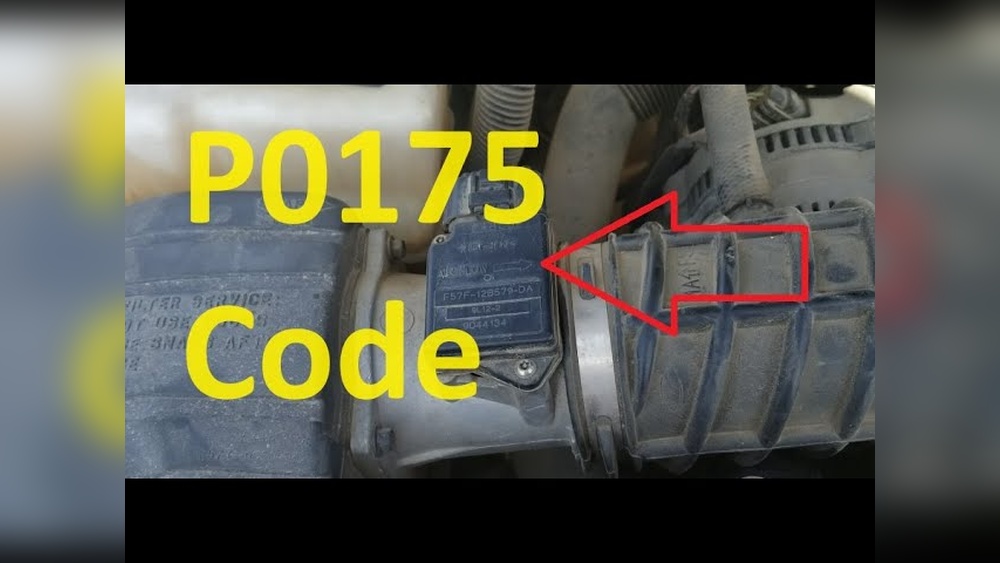
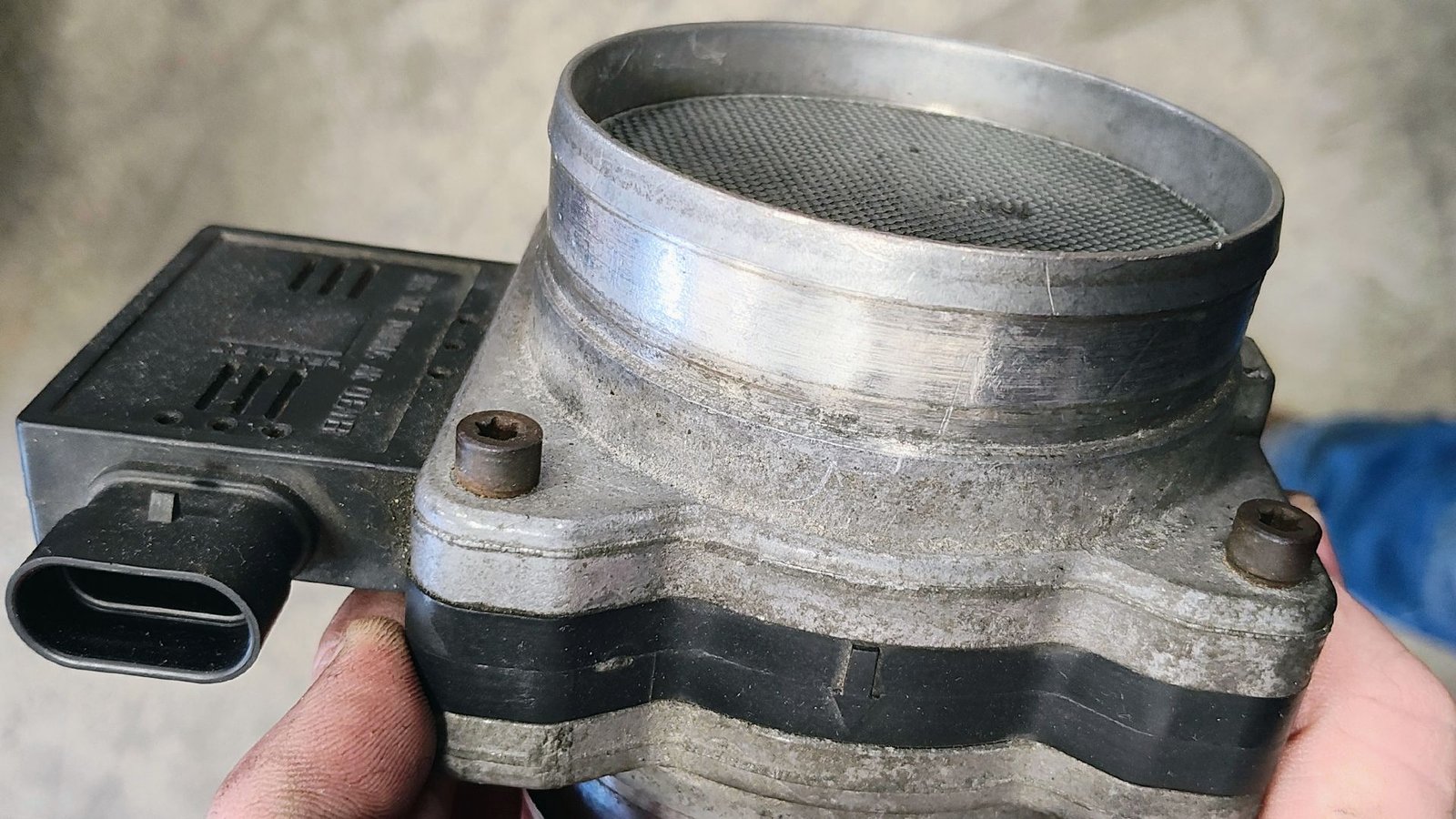
Common causes include faulty oxygen sensors, leaking fuel injectors, or issues with the mass airflow sensor.
How It Affects Your Jeep
A rich running engine can cause several problems in your Jeep Grand Cherokee. Fuel consumption will increase, reducing your gas mileage. The engine may run rough, idle poorly, or even stall.
Excess fuel can damage spark plugs and exhaust components over time. You might also notice black smoke coming from the tailpipe.
This condition can lead to higher emissions and failed emissions tests.
Ignoring the P0175 code can cause long-term damage. Fixing the issue early keeps your Jeep running smoothly and saves money on repairs.
Common Causes
The P0175 code in a Jeep Grand Cherokee points to a rich fuel condition on bank 2. This happens when the engine receives too much fuel or too little air.
Several parts can cause this problem. Knowing these common causes helps find the right fix fast.
Faulty Coolant Temperature Sensor
The coolant temperature sensor tells the engine how warm it is. A bad sensor may send wrong data.
The engine thinks it is cold and adds extra fuel. This makes the mixture too rich and triggers the P0175 code.
Thermostat Issues
A stuck thermostat can also cause trouble. If it stays open, the engine runs cooler than normal.
The engine responds by adding more fuel. This extra fuel can cause the rich condition detected by the sensor.
Dirty Or Clogged Air Filter
The air filter cleans air before it reaches the engine. If it gets clogged, less air flows in.
The engine then burns too much fuel for the air it gets. This imbalance leads to the P0175 code appearing on your dashboard.
Map Sensor Problems
The MAP sensor measures pressure in the intake manifold. Faulty readings from this sensor affect fuel delivery.
It may cause the engine to run rich by supplying too much fuel. Cleaning or replacing the MAP sensor often fixes this issue.
Fuel System Malfunctions
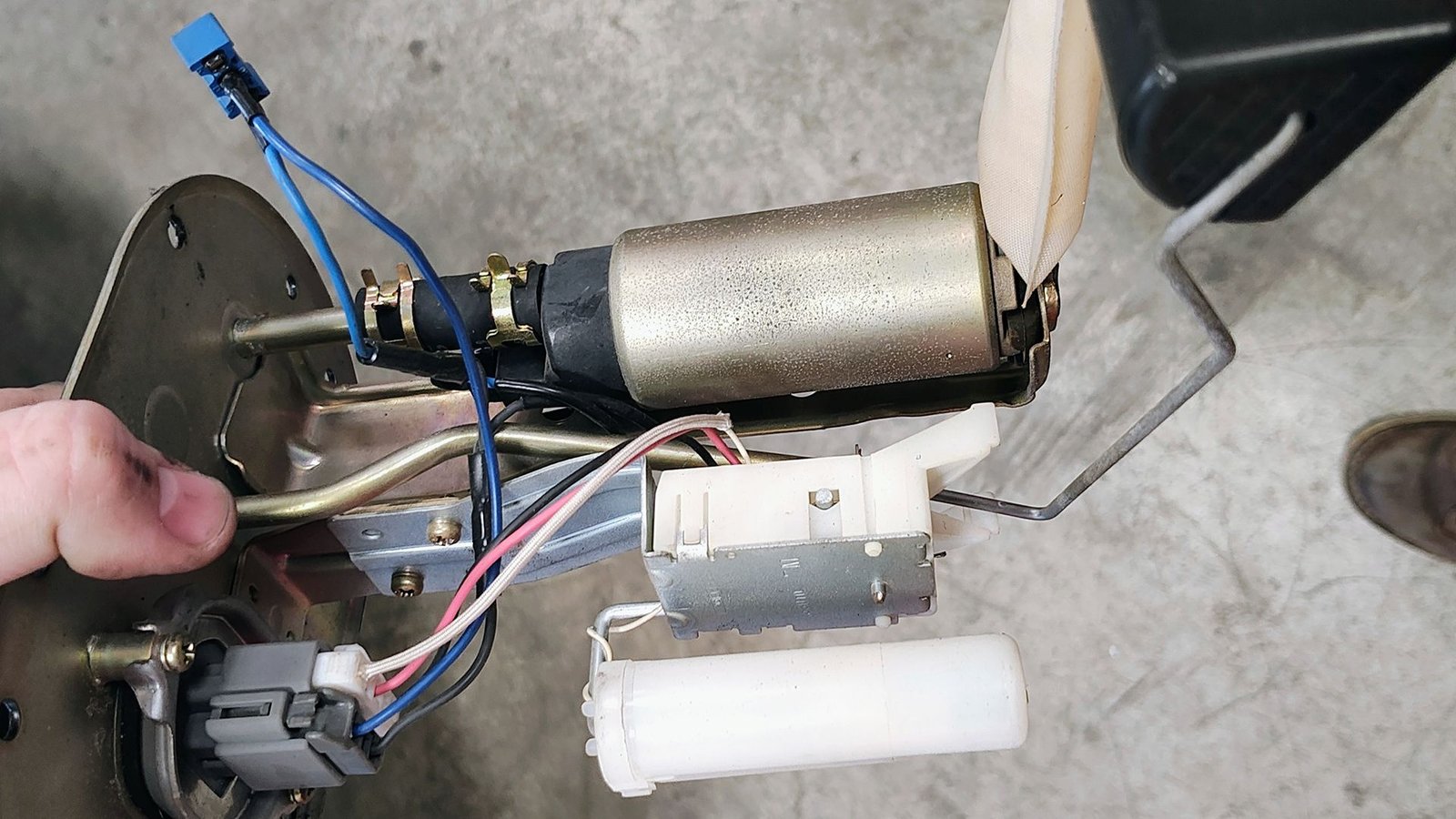
Issues in the fuel system can cause a rich condition. A leaking fuel injector or a bad fuel pressure regulator can add excess fuel.
This surplus fuel triggers the P0175 code. Checking fuel components helps spot these malfunctions early.
Symptoms To Watch For
Recognizing the symptoms of a P0175 code in your Jeep Grand Cherokee helps address issues early. This code points to a rich fuel condition on bank two of the engine.
Watch for signs that show your engine is not running efficiently. These signs may affect driving safety and fuel costs.
Check Engine Light
The check engine light often comes on with a P0175 code. It signals the engine control unit detects a problem. Ignoring this warning can cause more damage. Use an OBD-II scanner to read trouble codes. This step confirms the P0175 code and guides repairs.
Rough Idle And Stalling
Your Jeep may idle roughly or stall unexpectedly. This happens because the engine gets too much fuel.
The extra fuel disrupts combustion and engine balance. Rough idling makes driving uncomfortable and unsafe.
Stalling can occur at stoplights or low speeds.
Poor Fuel Economy
Fuel efficiency drops with a rich fuel mixture. Your Jeep uses more gas than usual.
The engine burns extra fuel to balance the air-fuel ratio. Watch your fuel gauge closely.
Frequent fill-ups signal a P0175 issue may be present.
Excessive Exhaust Smoke
Black or dark exhaust smoke shows excess fuel burning. This smoke comes from incomplete combustion in the engine.
It pollutes the air and may cause a failing emissions test. A strong fuel smell may also come from the exhaust pipe. Both signs need immediate attention.
Diagnosing The Problem
Diagnosing the P0175 code in a Jeep Grand Cherokee requires a clear and methodical approach. This code signals a rich fuel mixture on bank 2, meaning too much fuel or too little air enters the engine.
Finding the exact cause helps avoid costly repairs and keeps your Jeep running smoothly. The process involves using tools and inspecting key parts that influence fuel delivery and air intake.
Using An Obd-ii Scanner
An OBD-II scanner is essential for diagnosing the P0175 code. Connect the scanner to the Jeep’s port under the dashboard.
It reads trouble codes and shows live data from sensors. This data points to which system or part is causing the issue.
The scanner helps confirm if the problem is indeed a rich condition on bank 2.
Checking Fuel Trim Data
Fuel trim data reveals how the engine adjusts fuel delivery. Short-term fuel trim changes quickly, while long-term fuel trim adjusts over time.
Look for high negative numbers in long-term fuel trim on bank 2. This indicates the engine adds extra fuel to compensate for a perceived lean condition.
These readings narrow down if the issue is fuel-related or airflow-related.
Inspecting Sensors And Filters
Faulty sensors or dirty filters often cause rich fuel problems. Check the mass airflow sensor for dirt or damage.
Clean or replace it if needed. Inspect the oxygen sensors on bank 2 to ensure they work properly.
Also, examine the air filter for clogs that reduce air supply. Replacing dirty filters improves airflow and helps fix the P0175 error.
Step-by-step Fixes
Fixing the P0175 code on a Jeep Grand Cherokee requires a clear, step-by-step approach. Addressing this issue helps restore engine performance and fuel efficiency.
The following fixes cover common causes linked to this trouble code.
Cleaning Or Replacing The Map Sensor
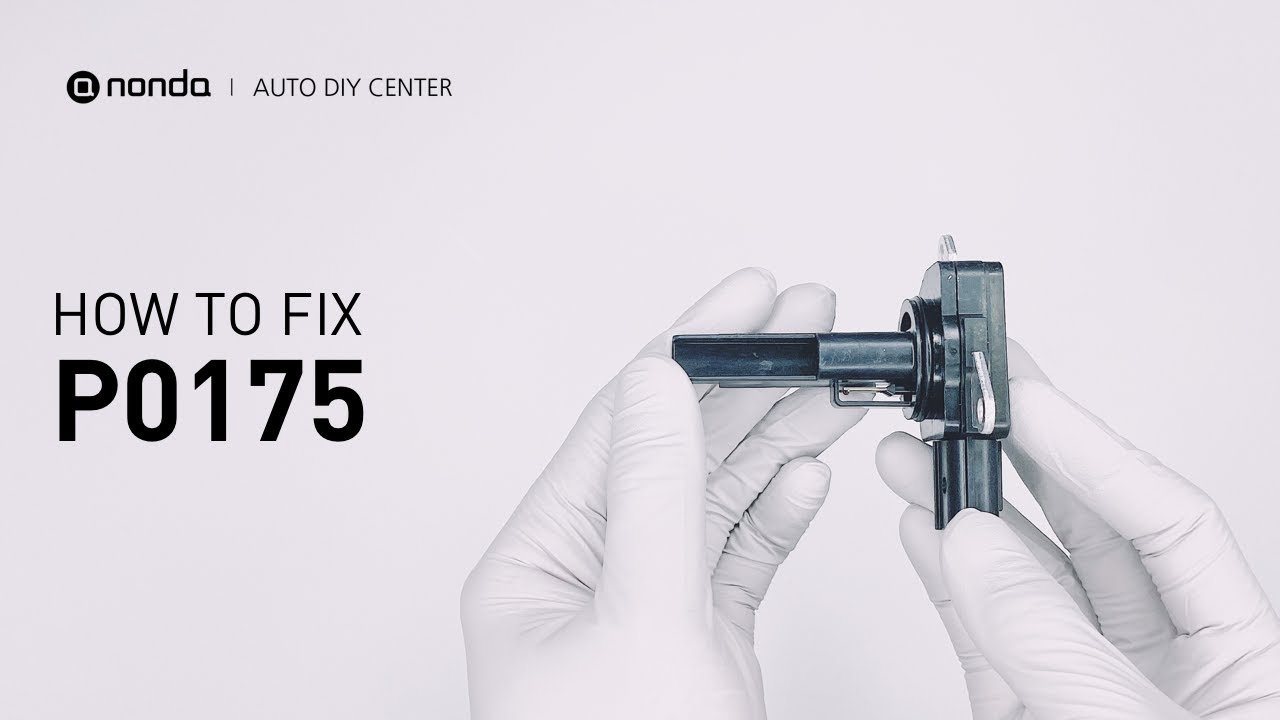
The MAP sensor measures air pressure in the intake manifold. Dirt or damage can cause incorrect readings.
Remove the sensor carefully. Use a MAP sensor cleaner spray to clean it.
If cleaning does not help, replace the sensor with a new one. A working MAP sensor ensures the engine gets the right air-fuel mix.
Replacing The Coolant Temperature Sensor
The coolant temperature sensor tells the engine how hot it is. A faulty sensor may cause the engine to run rich.
Find the sensor near the thermostat housing. Disconnect the wiring and remove the sensor.
Install a new sensor and reconnect the wiring. This fix helps the engine burn fuel properly.
Thermostat Replacement Tips
A stuck thermostat can affect engine temperature readings. It may cause poor fuel economy and rough idling.
Drain some coolant before removing the thermostat. Replace it with a new one that fits your Jeep model.
Refill the coolant and check for leaks. Proper temperature control improves engine performance.
Air Filter Maintenance
A dirty air filter reduces air flow to the engine. This can cause the engine to run rich and trigger the P0175 code.
Check the air filter regularly. Replace it if it looks clogged or dirty.
A clean air filter helps maintain the right air-fuel balance.
Fuel Injector Cleaning
Dirty fuel injectors affect fuel spray and engine running. Use a fuel injector cleaner additive in the gas tank.
For severe cases, remove injectors for professional cleaning. Clean injectors improve fuel delivery and engine efficiency.
This step helps clear rough idling and poor fuel economy.
Expert Tips
Facing a P0175 code on your Jeep Grand Cherokee can be frustrating. Expert tips help manage and avoid this issue.
Knowing how to maintain your vehicle and when to get help saves time and money. Here are some practical ways to keep your engine running smoothly and stop the code from coming back.
Preventing Future P0175 Codes
Keep the fuel and air systems clean to avoid triggering the code. Replace air filters regularly to ensure proper airflow.
Use high-quality fuel to reduce deposits in the fuel system. Avoid short trips that do not allow the engine to reach operating temperature.
Always fix minor leaks in vacuum hoses or intake systems promptly.
Regular Maintenance Practices
Check the mass air flow sensor often and clean it if dirty. Inspect oxygen sensors and replace them as needed to maintain fuel efficiency.
Change the fuel filter on schedule to keep fuel flow steady. Monitor coolant temperature sensor health to prevent false readings.
Regular oil changes help the engine run better and last longer.
When To Seek Professional Help
Persistent P0175 codes need expert diagnosis and repair. Choose a mechanic with experience in Jeep models for best results.
If you notice rough idling or poor fuel economy, get a professional check. Complex issues like faulty fuel injectors or computer errors require specialized tools.
Early professional help avoids costly repairs and keeps your Jeep safe.
Frequently Asked Questions
How Do I Fix P0175 System Too Rich Bank 2?
Check and clean the MAP sensor, inspect for vacuum leaks, replace faulty oxygen sensors, and ensure the air filter is clean. Scan fuel trims using an OBD-II scanner to confirm.
Replace damaged components to fix the P0175 system too rich bank 2 code.
What Are The Possible Causes Of P0175?
Possible causes of P0175 include a faulty coolant temperature sensor, stuck-open thermostat, dirty MAP sensor, clogged air filter, or fuel system issues causing a rich mixture.
What Causes System Too Rich Bank 2?
A system too rich Bank 2 occurs from faulty oxygen sensors, a leaking fuel injector, or a clogged air filter causing excess fuel delivery.
Can I Drive With System Too Rich Bank 1?
Driving with a “system too rich bank 1” code may cause poor fuel economy and engine issues. Get it diagnosed and fixed promptly.
Conclusion
The P0175 code signals a rich fuel mixture in your Jeep Grand Cherokee. This issue can cause poor fuel economy and engine problems.
Checking sensors like the MAP or cleaning the air filter often helps. Using an OBD-II scanner can guide your next steps.
Addressing this code early keeps your Jeep running smoothly. Regular maintenance prevents future errors and costly repairs.
Stay aware of symptoms and act quickly for best results.