If you own a Jeep and have noticed the check engine light flickering on, it might be linked to the P0174 trouble code. This code means your engine is running too lean on one side, which can lead to poor performance, rough idling, or even hesitation while driving.
You don’t want to ignore this warning because it can affect your Jeep’s fuel efficiency and reliability. You’ll learn what causes the P0174 code, how to spot the common symptoms, and the best ways to fix the issue.
Keep reading to make sure your Jeep stays in top shape and you avoid costly repairs down the road.

Symptoms Of P0174 Code
The P0174 code on a Jeep means the engine is running too lean. This means there is too much air and not enough fuel in the mixture.
Various symptoms show when this code appears. Recognizing these signs helps you fix the problem early and avoid bigger damage.
Check Engine Light Indicators
The most common sign is the check engine light turning on. It may blink or stay steady.
This light warns you that the engine has detected an issue. Ignoring it can lead to more serious problems.
Engine Hesitation And Rough Idle
The engine may hesitate or stumble during acceleration. You might feel it jerk or lose power suddenly.
At idle, the engine can run rough or shake. This happens because the fuel mixture is not right.
Fuel Economy Drops
Your Jeep may use more fuel than usual. A lean mixture makes the engine work harder.
This lowers fuel efficiency and raises fuel costs. Watching for this drop helps spot the P0174 code early.
Common Causes Of P0174
The P0174 code on a Jeep signals a lean condition on bank 2. This means the engine gets too much air or too little fuel.
Identifying the cause helps fix the problem quickly and prevents damage. Several issues can trigger this code, mostly related to air and fuel flow.
Understanding these causes aids in accurate repairs and saves time.
Vacuum Leaks And Intake Issues
Vacuum leaks let extra air enter the engine without measurement. This unmetered air creates a lean mixture.
Common sources include cracked vacuum hoses and loose intake manifold gaskets. Intake leaks also disrupt airflow, causing similar problems.
Checking all hoses and intake parts for damage helps find leaks fast.
Faulty Fuel Injectors
Fuel injectors spray the right amount of fuel into the engine. When injectors clog or fail, they reduce fuel delivery.
This causes the engine to run lean and triggers the P0174 code. Cleaning or replacing bad injectors restores proper fuel flow and engine performance.
Fuel Pump And Filter Problems
The fuel pump moves fuel from the tank to the engine. A weak pump cannot supply enough fuel, causing a lean condition.
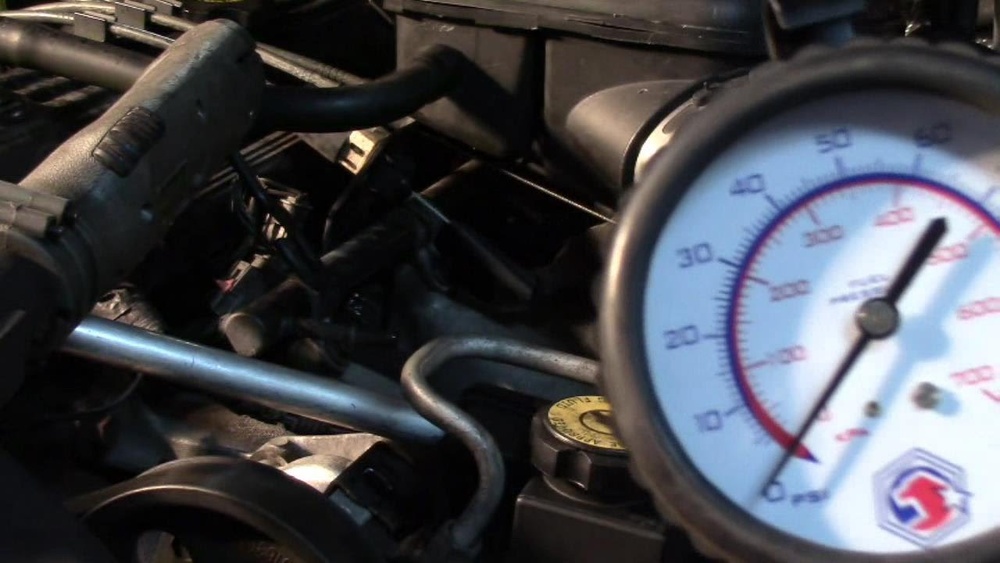
A clogged fuel filter also restricts fuel flow. Both issues reduce fuel pressure and lead to the P0174 code.
Inspecting and replacing the pump or filter fixes these problems.
Fuel Trim And Obd-ii Data
Understanding fuel trim and OBD-II data is important for diagnosing the P0174 Jeep code. Fuel trim shows how the engine adjusts fuel delivery to keep the air-fuel mix balanced.
OBD-II data provides real-time information from your Jeep’s engine control unit. This data helps identify if the engine runs too lean or rich, which is essential for fixing the P0174 code.
Short-term And Long-term Fuel Trims
Short-term fuel trim (STFT) changes quickly to fix sudden air-fuel mix problems. It reacts to sensor data every few seconds.
Long-term fuel trim (LTFT) adjusts slowly based on trends over time. Both trims work together to keep the engine running smoothly.
High positive fuel trim means the engine adds more fuel. Negative fuel trim shows the engine removes fuel.
Watching these trims helps spot issues causing the P0174 code.
Using Obd-ii Scanners Effectively
OBD-II scanners connect to your Jeep’s diagnostic port. They read trouble codes and live engine data. Use a scanner that shows fuel trim values for accurate diagnosis. Start the engine and watch the fuel trims at idle and during acceleration. Note any sudden jumps or high readings. This data points to problems like vacuum leaks or faulty sensors. Regular use of an OBD-II scanner saves time and money.
Interpreting Live Engine Data
Live engine data includes fuel trims, oxygen sensor readings, and air intake values. Compare these numbers to normal ranges.
A lean condition often shows high positive fuel trims and low oxygen sensor voltage. Watch changes as the engine warms up.
Consistent lean readings suggest a fuel delivery or air leak problem. Use this data to target repairs, reducing guesswork.
Understanding live data makes fixing the P0174 Jeep code easier.
Step-by-step Diagnosis
Diagnosing the P0174 code on a Jeep requires a clear, step-by-step approach. This helps find the exact cause of the issue.
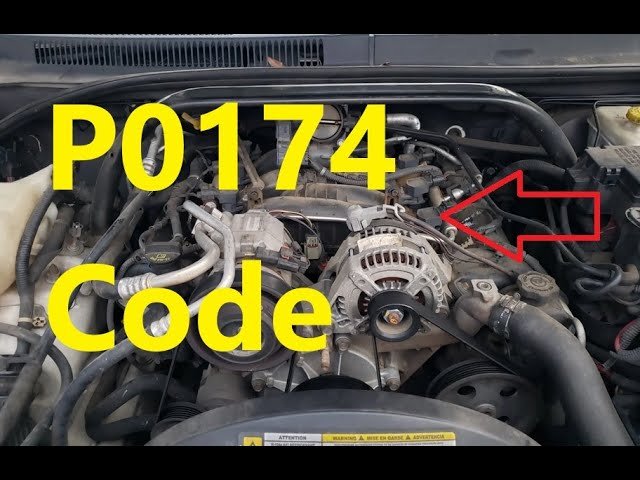
The P0174 code means the engine runs too lean on the right bank. A lean condition means too much air or too little fuel.
Follow these steps carefully to check common causes and avoid unnecessary repairs.
Visual Inspection For Leaks
Start by checking for vacuum or intake leaks. Look at all hoses and tubes connected to the intake manifold.
Check for cracks, holes, or loose connections. Inspect the air filter and housing for any damage.
Also, examine the throttle body and gasket for signs of wear. Leaks allow extra air into the engine, causing a lean condition.
Checking Fuel System Components
Next, inspect the fuel system parts. Check the fuel injectors for clogs or leaks.
Make sure the fuel pump delivers proper pressure. Look at the fuel filter and replace it if it is dirty or old.
Low fuel pressure or bad injectors can reduce fuel flow. This causes the engine to run lean and triggers the P0174 code.
Testing Sensors And Actuators
Finally, test the sensors and actuators related to fuel and air mixture. Check the Mass Air Flow (MAF) sensor for dirt or faults.
A dirty MAF sensor can send wrong data to the engine control unit. Test the oxygen sensors on the right bank to ensure they work correctly.
Also, verify the operation of the manifold absolute pressure (MAP) sensor. Faulty sensors cause wrong fuel adjustments, leading to a lean code.
Quick Fixes For P0174
The P0174 code signals a lean condition on your Jeep’s right bank. Fixing this quickly helps avoid engine damage and restore smooth driving.
Some fixes are simple and can be done at home. These focus on restoring the right air and fuel balance for your engine.
Repairing Or Replacing Vacuum Lines
Vacuum leaks cause extra air to enter the engine. This unmeasured air leads to the P0174 code.
Check all vacuum lines for cracks or loose connections. Replace any damaged hoses.
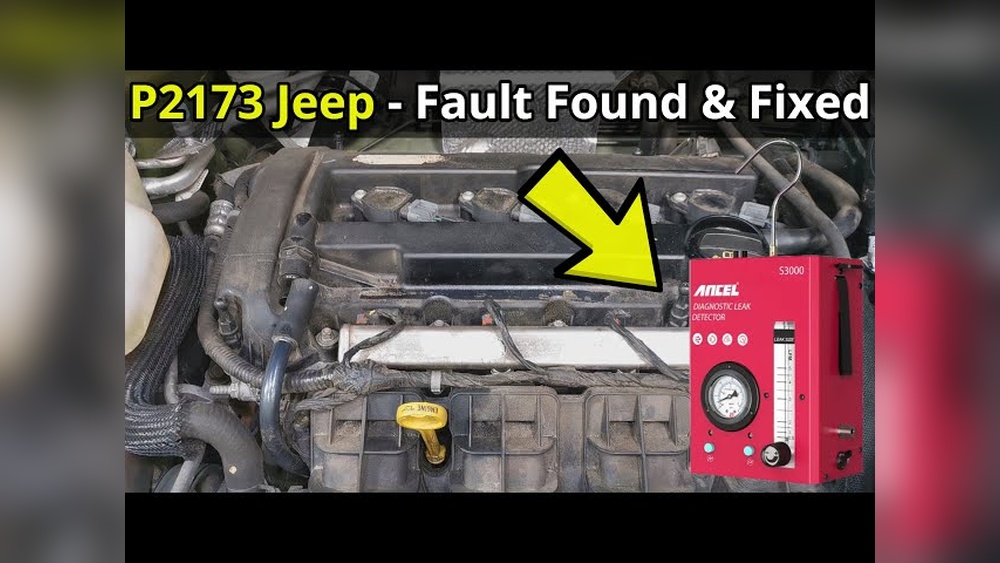
Use a vacuum gauge or spray soapy water to find leaks. Fixing leaks stops unmetered air from disturbing fuel balance.
Cleaning Or Changing Fuel Injectors
Dirty or clogged fuel injectors disrupt fuel delivery. This causes the engine to run lean.
Remove the injectors and clean them with fuel injector cleaner. Replace any injectors that are badly worn or broken.
Clean injectors improve fuel spray, helping the engine get enough fuel.
Fuel Pump And Filter Maintenance
A weak fuel pump or clogged filter limits fuel flow. This starves the engine of fuel and triggers the P0174 code.
Test fuel pressure using a gauge. Replace the fuel filter if it is dirty or old.
If fuel pressure is low, consider replacing the fuel pump. Proper fuel flow keeps the engine running smoothly.
Preventive Maintenance Tips
Preventive maintenance helps keep your Jeep running smoothly and avoids error codes like P0174. Simple, regular checks can stop fuel system issues early.
This saves time and money on repairs later. Focus on three key areas to maintain fuel efficiency and engine health.
Regular Fuel System Cleaning
Keep your fuel system clean to prevent clogging and poor fuel flow. Use fuel system cleaners every few thousand miles.
Clean injectors and fuel lines improve combustion and reduce lean code errors. Avoid low-quality fuel that can leave deposits in the system.
Routine Vacuum System Checks
Vacuum leaks cause unmetered air to enter the engine. This leads to a lean fuel mixture and triggers code P0174.
Check all vacuum hoses for cracks or loose connections. Replace damaged hoses quickly to maintain proper air-fuel balance and engine performance.
Monitoring Engine Performance
Watch for signs like rough idling, hesitation, or loss of power. These symptoms often indicate fuel or air problems.
Use an OBD-II scanner to track fuel trim data and catch issues early. Regular monitoring helps identify problems before they cause engine damage.
Conclusion
The P0174 code signals your Jeep’s engine runs too lean on the right side. This can cause rough idling, hesitation, and lower fuel efficiency.
Checking vacuum lines and fuel injectors helps find the problem fast. Using an OBD-II scanner gives real-time data for accurate diagnosis.
Fixing the issue early prevents bigger engine troubles later. Keep your Jeep running smoothly and avoid costly repairs by addressing P0174 promptly.
Understanding this code helps you maintain your vehicle better and enjoy a safer drive.