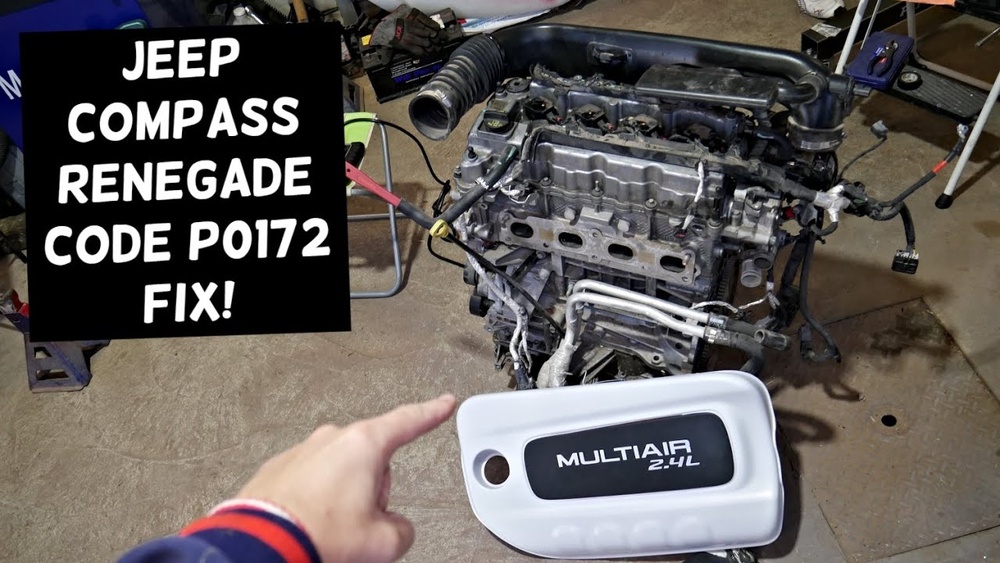
If you’ve seen the P0172 code pop up on your Jeep’s dashboard, you’re probably wondering what it means and how it affects your ride. This code signals that your engine is running too rich—basically, there’s too much fuel and not enough air in the mix.
That can cause rough idling, poor fuel economy, and even black smoke from the tailpipe. Don’t ignore it.
Understanding what triggers this issue and how to fix it can save you from costly repairs and keep your Jeep running smoothly.
Keep reading to learn the most common causes of the P0172 code and simple steps you can take to get your Jeep back in top shape.
Common Causes
The P0172 code on a Jeep indicates the engine runs too rich. This means the fuel mixture has too much fuel and not enough air.
Several common issues cause this problem. Understanding these causes helps in quick diagnosis and repair.
Dirty Or Faulty Map Sensor
The MAP sensor measures air pressure inside the intake manifold. A dirty or faulty sensor sends wrong data to the engine control unit.
This causes the engine to add too much fuel. Cleaning or replacing the MAP sensor often solves the issue.
Leaking Fuel Injector
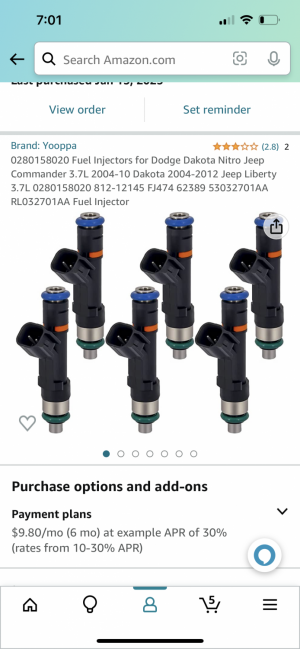
A leaking fuel injector lets extra fuel enter the engine. This creates a rich fuel mixture.
The engine may run rough or stall. Replacing or repairing the injector stops the leak and restores balance.
Fuel Pressure Regulator Issues
The fuel pressure regulator controls fuel flow to the injectors. If it fails, fuel pressure can rise too high.
This pushes more fuel than needed into the engine. Testing and replacing the regulator fixes this problem.
Vacuum And Exhaust Leaks
Leaks in the vacuum or exhaust system affect engine performance. They can cause incorrect air-fuel ratios.
This may trigger the P0172 code. Checking and sealing these leaks helps the engine run smoothly.
Typical Symptoms
The P0172 code in Jeep vehicles signals a rich fuel mixture problem. This means the engine gets too much fuel and not enough air.
Recognizing the symptoms early helps prevent engine damage and costly repairs.
Typical symptoms show up in different ways. They often affect how the Jeep runs and how it looks.
Some signs are easy to spot, while others need closer attention.
Check Engine Light Activation
The check engine light turns on when the P0172 code appears. This warning indicates the engine control module detected a rich fuel condition.
The light may stay steady or blink. A blinking light means the engine is misfiring and needs fast attention.
Black Smoke From Tailpipe
Excess fuel causes black smoke from the exhaust. This smoke is thick and dark.
It shows the engine burns too much fuel. Black smoke is a clear sign of a rich mixture problem.
It also harms the environment and wastes fuel.
Poor Fuel Economy
Too much fuel lowers fuel efficiency. The Jeep will use more gas than usual.
Drivers notice they must fill the tank more often. Poor fuel economy raises driving costs.
It also means the engine runs less cleanly.
Rough Idle And Misfires
The engine may idle roughly or stall. Misfires can happen during acceleration or cruising.
This causes jerking or shaking while driving. Rough idle and misfires reduce engine power and smoothness.
They often lead to further engine issues if ignored.
Diagnostic Steps
Diagnosing the P0172 code on a Jeep requires a clear, step-by-step approach. This code means the engine is running too rich, or it has too much fuel compared to air.
Checking specific parts helps pinpoint the cause. The following steps focus on key components affecting the fuel mixture.
Inspecting The Map Sensor
The MAP sensor measures air pressure in the intake manifold. A dirty or faulty sensor sends wrong data to the engine control module.
This can cause too much fuel to inject into the engine. Remove the sensor carefully.
Clean it with electronic cleaner or replace it if damaged. Use a scanner to check sensor readings against the expected range.
Testing Fuel Pressure
Fuel pressure that is too high can flood the engine with fuel. Attach a fuel pressure gauge to the fuel rail.
Turn the ignition on and read the pressure. Compare it with Jeep’s specifications.
A faulty fuel pressure regulator or pump may cause high pressure. Replace any part that fails the test to restore proper fuel flow.
Checking Fuel Injectors
Fuel injectors spray fuel into the engine cylinders. A leaking or stuck injector adds too much fuel.
Listen for clicking sounds from each injector using a mechanic’s stethoscope. Clean dirty injectors with a fuel injector cleaner.
Replace injectors that leak or do not operate correctly. This will help balance the air-fuel mix.
Examining Vacuum And Exhaust Systems
Vacuum leaks let extra air enter the engine, altering fuel mixture and sensor readings. Inspect all vacuum hoses for cracks, breaks, or loose connections.
Check the exhaust system for leaks before the oxygen sensors. Leaks can cause false sensor signals and rich fuel condition.
Fix any leaks to help the engine run smoothly.

Quick Fixes
Keeping your Jeep free from the P0172 error code is easier with simple preventive steps. These tips help avoid common problems that cause the engine to run too rich.
Small actions now save time and money later. Follow these easy habits to keep your Jeep’s engine healthy and running smoothly.
Regular Sensor Maintenance
Check sensors like the MAP and oxygen sensors often. Dirt and wear can make them send wrong signals.
Clean sensors carefully or replace them if needed. Good sensor readings help the engine mix air and fuel correctly. This stops the P0172 code from appearing.
Fuel System Cleaning
Keep the fuel injectors and fuel system clean. Dirty injectors can leak or spray too much fuel.
Use fuel system cleaners or have a professional clean the parts. Clean fuel systems improve performance and reduce rich fuel conditions. This prevents engine problems and error codes.
Routine Leak Inspections
Look for leaks in the fuel and air systems regularly. Leaks can cause wrong fuel or air amounts in the engine.
Check hoses, gaskets, and connections for cracks or damage. Fix leaks quickly to keep the engine balanced.
Leak-free systems reduce the chance of P0172 errors.
Using Quality Fuel
Choose good quality fuel with proper additives. Low-quality fuel may contain impurities or water.
Bad fuel can harm injectors and sensors. Use recommended fuel grades for your Jeep.
Quality fuel supports clean combustion and smooth engine operation.
Frequently Asked Questions
How Do I Fix A P0172 Code?
Check and clean the MAP sensor first. Test fuel pressure to rule out regulator issues.
Replace leaking or stuck fuel injectors. Clear any vacuum leaks.
These steps fix the P0172 rich fuel code effectively.
What Is The Most Common Cause Of P0172?
The most common cause of P0172 is a faulty or dirty Manifold Absolute Pressure (MAP) sensor sending incorrect air data.
Can A Dirty Air Filter Cause A P0172 Code?
A dirty air filter can reduce airflow but rarely causes a P0172 code. This code usually indicates a rich fuel mixture.
Check sensors and fuel injectors for issues causing excess fuel.
Is System Too Rich Bank 1 Serious?
Yes, a "System Too Rich Bank 1" code is serious. It indicates excess fuel in the engine, causing poor performance and damage.
Prompt diagnosis and repair prevent issues like rough idling, black smoke, and increased emissions. Check sensors, injectors, and fuel pressure to fix this problem quickly.
Conclusion
The P0172 code on your Jeep means the engine runs too rich. This can cause poor fuel economy and rough idling.
Common causes include a dirty MAP sensor or leaking fuel injectors. Checking and fixing these parts can solve the issue.
Regular maintenance helps prevent this code from appearing. Stay alert to warning signs like the check engine light.
Taking action early keeps your Jeep running smoothly and saves money. Keep your Jeep in good shape by addressing P0172 promptly.