If you’ve seen the P0152 code pop up on your Jeep’s dashboard, you might be wondering what it means and how it affects your ride. This code points to an issue with your oxygen sensor, a small but crucial part that helps your engine run smoothly and efficiently.
Ignoring it can lead to poor fuel economy, rough engine performance, and even costly repairs down the line. But don’t worry you’re in the right place.
You’ll learn exactly what causes the P0152 code, how to spot the symptoms early, and what steps you can take to fix it.
Keep reading to protect your Jeep and keep it running like new.

P0152 Code Basics
The P0152 code is a common trouble code in Jeep vehicles. It points to a problem with the oxygen sensor’s voltage.
This sensor plays a key role in managing fuel and air mixture for the engine.
Understanding the P0152 code helps Jeep owners know what to expect. This knowledge aids in diagnosing and fixing the issue quickly.
What P0152 Means
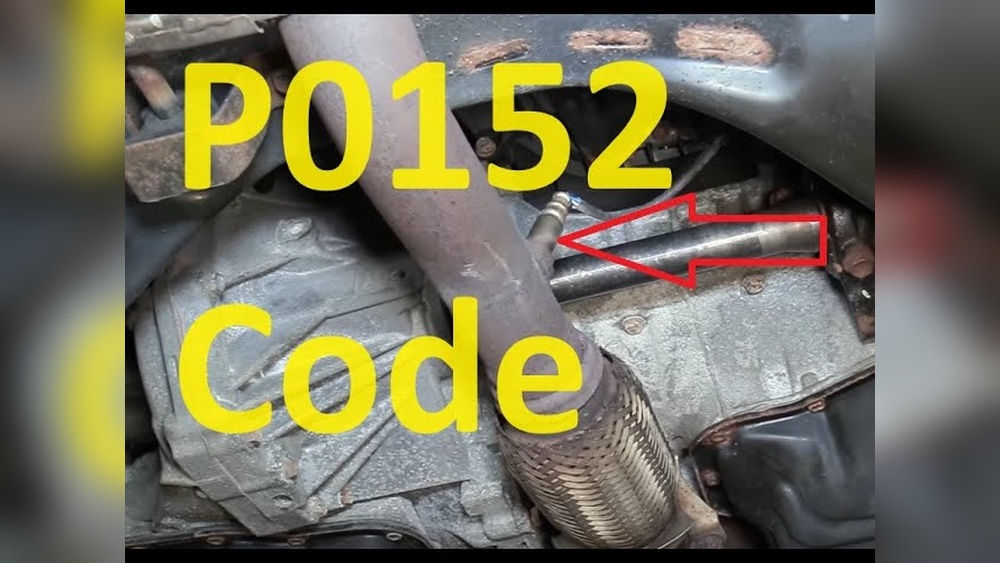
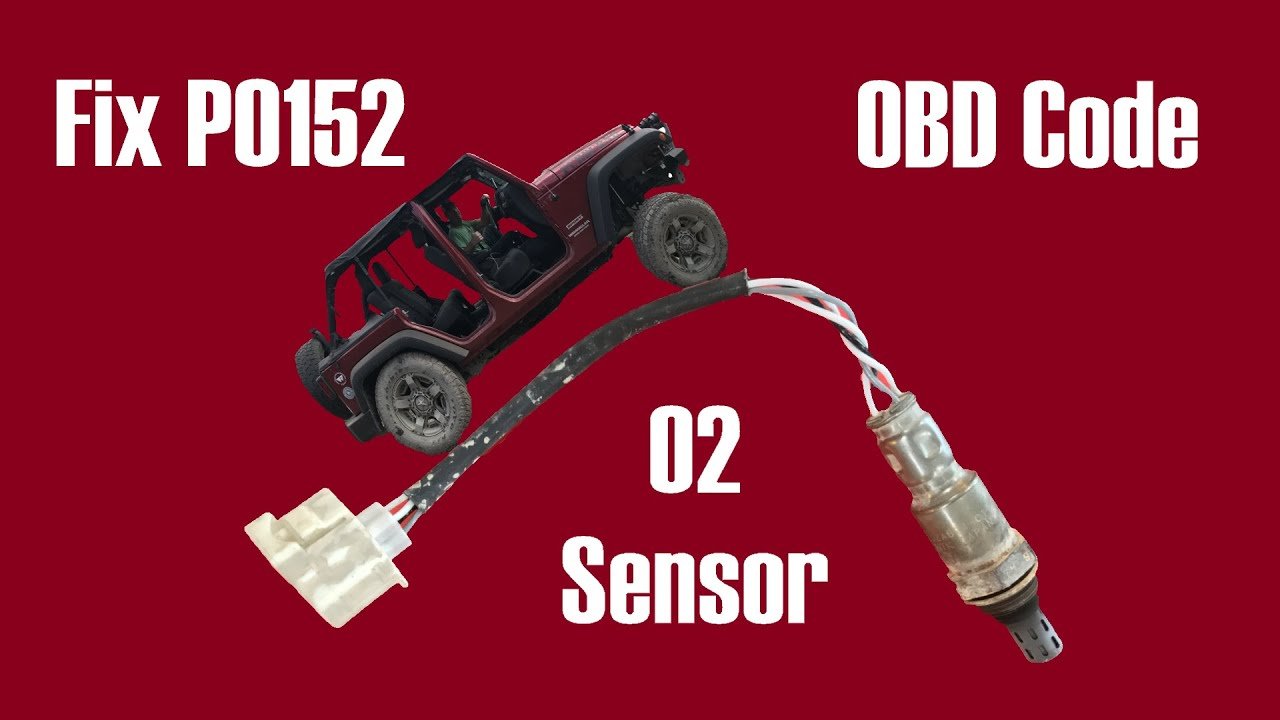
The P0152 code means the oxygen sensor voltage is higher than normal. This sensor is located before the catalytic converter.
It measures oxygen levels in the exhaust gases. A high voltage signal means the sensor detects too little oxygen.
This can signal a rich fuel mixture or a faulty sensor.
Common Symptoms
The first sign is usually the Check Engine Light turning on. The Jeep may run rough or hesitate during acceleration.
Fuel economy often drops, causing more trips to the gas station. Some drivers notice a strong fuel smell from the exhaust. Engine misfires or stalling can also happen.
How It Affects Your Jeep
A bad oxygen sensor causes the engine computer to run the engine rich. This means more fuel and less air in the mix.
It wastes fuel and can damage the catalytic converter. Over time, engine performance drops and emissions rise.
Ignoring the code can lead to costly repairs later.

Oxygen Sensor Role
The oxygen sensor plays a key role in your Jeep’s engine system. It measures the amount of oxygen in the exhaust gases.
This helps the engine control unit adjust the air-fuel mix. Proper adjustment improves fuel efficiency and lowers emissions.
Without the oxygen sensor, the engine may run too rich or too lean. Both conditions can cause performance issues and higher pollution.
The sensor’s data helps keep your Jeep running smoothly and cleanly.
Function In Engine Management
The oxygen sensor sends real-time data to the engine control module. This data shows how much oxygen is in the exhaust.
The module uses this info to balance air and fuel. A balanced mix means better combustion and less waste.
The sensor helps detect if the engine burns fuel completely. If it finds too much or too little oxygen, it signals the system to adjust.
This keeps emissions low and fuel use optimal. It also helps prevent engine damage over time.
Upstream Vs Downstream Sensors
Your Jeep uses two types of oxygen sensors. The upstream sensor sits before the catalytic converter.
It monitors the exhaust gases right after combustion. This sensor mainly controls the fuel mixture.
The downstream sensor sits after the catalytic converter. It checks how well the converter cleans the exhaust.
This sensor helps monitor the converter’s efficiency. Both sensors work together to keep your Jeep running well and clean.
Common Causes
The P0152 code in Jeep vehicles signals a problem with the oxygen sensor circuit. This sensor measures oxygen levels in the exhaust to control fuel mixture.
Several common causes trigger this issue. Understanding these helps to identify the root problem quickly.
Faulty Oxygen Sensor
A damaged or worn oxygen sensor often causes the P0152 code. Sensors can fail over time due to heat and contamination.
A bad sensor gives incorrect voltage readings. This misleads the engine computer into adjusting fuel wrongly. Replacing the sensor usually fixes the problem.
Wiring And Connector Issues
Wiring problems can cause sensor errors. Broken wires, loose connections, or corrosion disrupt the sensor signal.
These faults lead to high voltage readings seen by the computer. Inspecting and repairing the wiring or connectors restores proper communication.
Fuel System Problems
Fuel system faults affect oxygen sensor readings. A leaking fuel injector or a faulty fuel pressure regulator causes rich fuel mixtures.
Excess fuel changes exhaust gas composition. The sensor detects this as a high voltage condition.
Checking fuel components helps find and fix these issues.
Vacuum And Intake Leaks
Leaks in the vacuum or intake system alter air flow. This causes the engine to run rich or lean.
Oxygen sensor readings fluctuate due to unstable air-fuel ratios. Locating and sealing leaks corrects the airflow and sensor output. This prevents the P0152 code from returning.
Diagnosing P0152
Diagnosing the P0152 code in your Jeep involves a few key steps. This code indicates a problem with the oxygen sensor circuit, specifically a high voltage reading.
Proper diagnosis helps avoid unnecessary parts replacement and ensures your Jeep runs efficiently. Follow these methods to find the root cause.
Using An Obd-ii Scanner
Start by connecting an OBD-II scanner to your Jeep’s diagnostic port. This tool reads trouble codes and sensor data. Check for P0152 and any related codes. Look at live data from the oxygen sensor to see if voltage levels are unusually high. The scanner helps pinpoint if the sensor or wiring is at fault.
Checking Sensor Voltage
Measure the oxygen sensor voltage with a multimeter. The sensor voltage should fluctuate between 0.1 and 0.9 volts during normal operation.
A constant high voltage reading above 0.9 volts indicates a problem. This could be due to a rich fuel mixture or a faulty sensor.
Confirm this by comparing readings with the scanner data.
Inspecting Wiring And Connectors
Visually inspect the wiring and connectors to the oxygen sensor. Look for damaged wires, corrosion, or loose connections.
These issues can cause false high voltage readings. Repair or replace any damaged parts.
Secure all connectors properly to ensure good electrical contact.
Testing Fuel Trim Data
Fuel trim data reveals how the engine adjusts fuel delivery. Use your OBD-II scanner to monitor short-term and long-term fuel trims.
High positive trims suggest a lean condition, while negative trims indicate a rich mixture. Abnormal fuel trims alongside P0152 may point to fuel system problems rather than the sensor itself.
Quick Fixes
Fixing the P0152 code on your Jeep can feel urgent. This code shows a problem with the oxygen sensor voltage, which affects engine performance.
Quick fixes often save time and money. They target common causes and restore normal function fast.
Below are simple steps that can help resolve the issue.
Cleaning Or Replacing The Sensor
The oxygen sensor may get dirty or damaged. Dirt blocks its ability to measure oxygen levels properly.
Cleaning the sensor with a specialized cleaner can restore its function. If cleaning does not work, replacing the sensor is a good choice.
New sensors ensure accurate readings and smooth engine performance.
Repairing Wiring Problems
Wiring issues often cause P0152 errors. Wires can fray, break, or corrode over time.
Inspect the wiring harness near the sensor carefully. Fix any loose or damaged wires by reconnecting or replacing them.
Good wiring helps the sensor send correct signals to the engine control unit.
Fixing Vacuum Leaks
Vacuum leaks disrupt the air-fuel mixture and cause sensor errors. Check hoses and connections for cracks or holes.
Replace any damaged vacuum lines promptly. Sealing leaks improves engine efficiency and stops false sensor readings.
This fix also reduces rough idling and poor fuel economy.
Addressing Fuel System Issues
Fuel problems affect oxygen sensor readings. A leaking fuel injector or bad pressure regulator causes a rich fuel condition.
Inspect the fuel system parts carefully. Repair or replace faulty injectors and regulators.
Fixing fuel issues balances the air-fuel mix and clears the P0152 code.
Preventive Tips
Preventing the P0152 error in your Jeep saves time and money. Simple care habits keep sensors and systems working well.
Regular checks stop small issues from turning into big problems. Follow these easy tips to maintain your Jeep’s oxygen sensor and fuel system.
Regular Sensor Maintenance
Clean the oxygen sensor to avoid dirt buildup. Dirt and grime reduce sensor accuracy.
Replace sensors every 60,000 to 90,000 miles. Use quality parts made for your Jeep model.
A clean sensor helps keep fuel efficiency high and emissions low.
Fuel System Care
Use clean, high-grade fuel to protect injectors. Dirty fuel clogs injectors and changes fuel pressure.
Check and replace the fuel filter regularly. Avoid letting the tank run too low, which can pull dirt into the system.
Proper fuel care prevents rich running conditions that trigger P0152.
Wiring Inspection Routine
Inspect oxygen sensor wiring for cracks or damage. Damaged wires cause false sensor readings.
Secure loose wires to avoid wear and tear. Use electrical cleaner on connectors to ensure good contact.
Regular wiring checks help avoid electrical faults linked to P0152 errors.
Frequently Asked Questions
What Is The Code Po152 On A Jeep Wrangler?
The code P0152 on a Jeep Wrangler indicates a high voltage issue in the oxygen sensor circuit, causing a rich fuel mixture. It may result from a faulty oxygen sensor, wiring problems, or fuel system issues. Addressing this helps improve engine performance and fuel efficiency.
How Do I Fix Code P0152?
Fix code P0152 by checking and replacing a faulty oxygen sensor or repairing its wiring. Inspect for vacuum leaks or fuel system issues causing rich fuel mixture.
Use an OBD-II scanner to confirm sensor readings before replacement.
How To Fix Fault Code 157?
To fix fault code 157, check for a leaking fuel injector, faulty fuel pressure regulator, or intake/vacuum leaks. Use an OBD-II scanner to monitor fuel trims and oxygen sensor readings.
Repair or replace any faulty components to restore proper engine performance.
Where Is The Oxygen Sensor Bank 2 Sensor 1 Located?
The oxygen sensor bank 2 sensor 1 is located on the exhaust manifold of the engine’s second bank, before the catalytic converter.
Conclusion
The P0152 code on your Jeep signals an oxygen sensor voltage issue. Addressing this quickly helps maintain engine performance and fuel efficiency.
Check for faulty sensors, wiring problems, or fuel system issues. Using an OBD-II scanner can guide your diagnosis.
Fixing the problem prevents rough running and saves fuel. Regular maintenance keeps your Jeep running smoothly.
Stay attentive to warning lights and unusual engine behavior. Taking action early avoids costly repairs later.
Your Jeep deserves proper care for better driving.