If you’ve noticed your Jeep acting up or the check engine light flashing with the code P0123, you’re probably wondering what’s going on under the hood.
This code points to an issue with your throttle position sensor, a small but crucial part that helps control your engine’s response when you press the gas pedal.
Ignoring it can lead to rough idling, hesitation, or even your Jeep going into limp mode, limiting speed and power just when you need it most.
You’ll learn exactly what causes the P0123 code, how to spot the symptoms, and what simple steps you can take to fix it so you can get back on the road with confidence and peace of mind.
Keep reading to protect your Jeep and avoid costly repairs down the line.
Symptoms Of P0123 Code
The P0123 code in a Jeep signals a problem with the throttle position sensor. This sensor controls how much air enters the engine.
Faulty signals can cause various driving issues. Recognizing the symptoms helps diagnose the problem early.
It keeps your Jeep running smoothly and safely.
Check Engine Light
The most common sign is the check engine light. It turns on to warn about sensor issues.
The light may stay steady or flash. Ignoring it can lead to worse engine problems.
Rough Idling And Surging
The engine may idle roughly or surge unexpectedly. You might feel the Jeep shaking or vibrating.
This happens because the sensor sends wrong data. The engine struggles to maintain a steady speed.
Acceleration Hesitation
The Jeep may hesitate or jerk when you press the gas. This delay can make driving unsafe.
The throttle sensor error confuses the engine control unit. It cannot adjust fuel and air properly.
Limp-home Mode Activation
The vehicle might enter limp-home mode. This mode limits speed and power to protect the engine.
You will notice sluggish performance and reduced acceleration. It helps prevent damage but reduces drivability.
Transmission Shifting Issues
Older Jeep models may show transmission problems. Shifts can become harsh or delayed.
The sensor error affects the transmission control system. Smooth gear changes become difficult, causing a rough ride.
Common Causes
The P0123 code in Jeep vehicles points to a throttle position sensor issue. Several factors cause this trouble.
Knowing common causes helps diagnose and fix the problem quickly. This section breaks down frequent reasons behind the P0123 Jeep code.
Faulty Throttle Position Sensor
The throttle position sensor (TPS) may fail due to age or wear. A bad TPS sends wrong voltage signals to the engine control unit.
This disrupts fuel delivery and engine timing. Symptoms include rough idling and poor acceleration. Replacing the sensor often solves the issue.
Wiring And Connector Problems
Wiring issues can cause false P0123 codes. Damaged, frayed, or corroded wires affect sensor signals.
Loose or dirty connectors also interrupt communication with the engine computer. Inspecting and fixing wiring helps restore proper sensor function.
Dirty Throttle Body
Carbon buildup in the throttle body blocks sensor readings. Dirt causes the throttle plate to stick or move unevenly.
This leads to incorrect throttle position data. Cleaning the throttle body removes deposits and improves sensor accuracy.
Defective Accelerator Pedal Sensor
Newer Jeeps use an accelerator pedal sensor instead of a cable. A faulty pedal sensor sends bad data to the computer.
This causes hesitation or limp mode activation. Testing and replacing the pedal sensor can clear the P0123 code.
Tools And Equipment Needed
Fixing the P0123 code on a Jeep requires the right tools and equipment. These tools help diagnose the problem quickly and fix it properly.
Having them ready saves time and avoids frustration.
Gathering the correct tools also ensures safety during the repair process. Some parts need careful handling, and the right equipment makes the job easier.
The list below covers the essential items needed to address the P0123 Jeep code.
Obd-ii Scanner
An OBD-II scanner reads the trouble codes from your Jeep’s computer system. It helps confirm the P0123 code and check for other issues. This tool allows you to clear the code after repairs. Many models connect via Bluetooth to your phone for easy use.
Throttle Body Cleaner
Throttle body cleaner removes dirt and carbon buildup inside the throttle body. Cleaning this part often fixes sensor errors causing the P0123 code.
Use a cleaner made specifically for throttle bodies to avoid damage. A soft brush helps reach tight spots without harming surfaces.
Replacement Parts
Sometimes cleaning is not enough, and parts must be replaced. The throttle position sensor or the entire throttle body may need swapping out.
Always use parts designed for your Jeep model. Genuine or high-quality aftermarket parts ensure better fit and function.
Basic Hand Tools
Basic hand tools include screwdrivers, pliers, and socket wrenches. These tools help remove and install sensors and throttle body components.
A ratchet set with different sized sockets covers most bolts. Having a flashlight and gloves improves visibility and safety during repairs.
Diagnosing The P0123 Code
Diagnosing the P0123 code on a Jeep requires a clear, step-by-step approach. This code signals a high voltage issue in the throttle position sensor circuit.
Correct diagnosis helps fix the problem fast and prevents further damage. The process involves scanning for trouble codes, inspecting wiring, checking the throttle body, and testing the sensor itself.
Scanning For Trouble Codes
Start by connecting an OBD-II scanner to the Jeep’s diagnostic port. This tool reads stored trouble codes and confirms the P0123 code.
The scanner may also reveal other related codes. Clear the codes and run the engine to see if the code returns.
This confirms an active issue rather than a one-time glitch.
Inspecting Wiring And Connectors
Check the wiring harness and connectors linked to the throttle position sensor. Look for signs of damage like fraying, corrosion, or loose connections.
Damaged wiring can cause false voltage readings. Use a multimeter to check for continuity and proper voltage supply. Fix any wiring faults before moving on.
Checking Throttle Body Condition
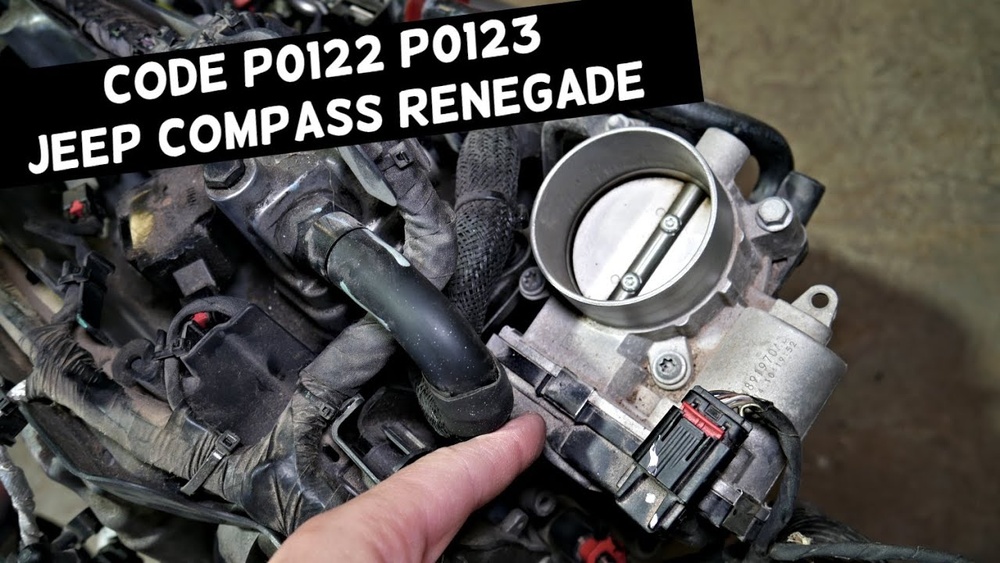
Remove the air intake tube to access the throttle body. Inspect the throttle plate and bore for carbon buildup or dirt.
Excessive buildup can cause the throttle plate to stick or misread sensor signals. Clean the throttle body using a throttle body cleaner and a soft brush.
This step often improves sensor readings and performance.
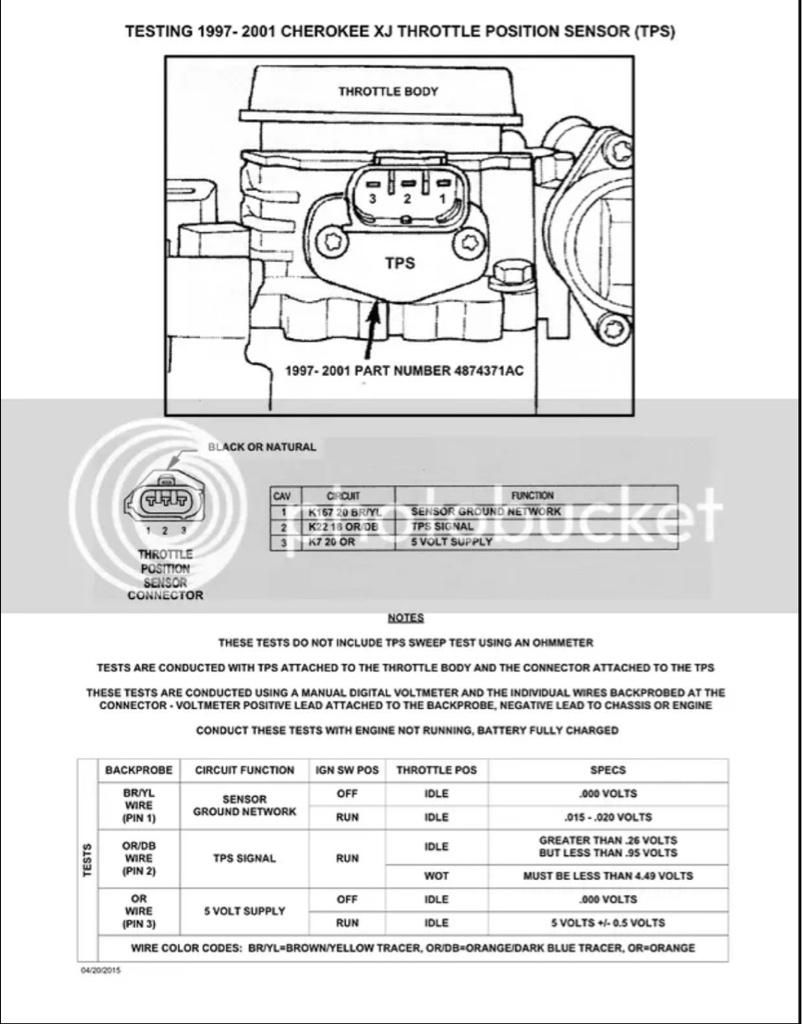
Testing The Throttle Position Sensor
Use a multimeter to measure the sensor’s voltage signal while slowly opening the throttle. The voltage should increase smoothly from about 0.5 volts at closed throttle to around 4.5 volts at wide open throttle.
Any sudden jumps or drops indicate a faulty sensor. Replace the throttle position sensor if it fails this test.
Fixing The P0123 Code
Fixing the P0123 code on a Jeep requires careful steps. The code means the throttle position sensor (TPS) is sending a high voltage signal.
This can cause engine problems like rough idling or poor acceleration. Repairing this issue often involves cleaning, replacing parts, or fixing electrical connections.
Each step helps restore proper sensor function and engine performance.
Cleaning The Throttle Body
Start by removing the air intake tube from the throttle body. Use a throttle body cleaner and a soft brush to remove carbon buildup.
Clean the throttle plate and the bore thoroughly. Dirt and grime can block sensor signals and cause the P0123 code.
After cleaning, check if the sensor readings improve during a test drive.
Replacing The Throttle Position Sensor
If cleaning does not fix the problem, the throttle position sensor might be faulty. The sensor is often part of the throttle body assembly.
Remove the old sensor carefully and install a new one. Make sure the new sensor is compatible with your Jeep model.
After replacement, clear the error codes and test the vehicle for smooth operation.
Repairing Wiring Or Connectors
Inspect the wiring harness and connectors linked to the TPS. Look for frayed wires, corrosion, or loose connections.
Damaged wiring can cause false high voltage signals. Repair or replace any faulty wires or connectors.
Secure all connections tightly. A clean and intact wiring system ensures accurate sensor readings.
Calibrating The Throttle Body
After repairs, calibrate the throttle body to reset the sensor. Use a scan tool or follow the Jeep’s service manual instructions.
Calibration aligns the sensor’s signal with the engine control module. This step helps avoid future P0123 errors.
Test the throttle response to confirm proper calibration and smooth engine performance.
Resetting The Throttle Position Sensor
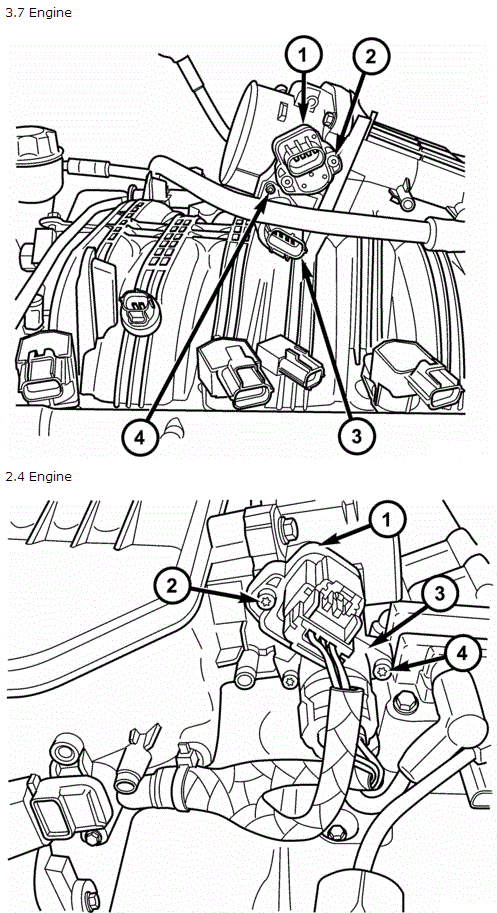
Resetting the throttle position sensor (TPS) on a Jeep is a key step to fix the P0123 error code. This sensor controls the engine’s throttle by measuring the position of the gas pedal.
Over time, the sensor can lose calibration, causing poor engine performance or a check engine light. Resetting the TPS helps restore accurate readings and smooth driving.
There are simple ways to reset the throttle position sensor. Each method ensures the sensor and the engine control unit (ECU) communicate correctly.
The process is safe and requires basic tools or no tools at all. Follow these steps carefully to reset your Jeep’s TPS and clear the P0123 code.
Disconnecting The Battery
Start by turning off the engine and removing the key. Open the Jeep’s hood and locate the battery.
Use a wrench to disconnect the negative battery cable. Leave it disconnected for about 15 minutes.
This action resets the ECU and clears stored codes. Reconnect the battery cable firmly after the wait.
Start the engine to check if the TPS resets automatically.
Using An Obd-ii Scanner
Connect an OBD-II scanner to the Jeep’s diagnostic port, usually under the dashboard. Turn the ignition to the “on” position without starting the engine.
Use the scanner to read and clear fault codes. Clearing the codes resets the TPS data in the ECU.
After clearing, turn off the ignition and disconnect the scanner. Start the Jeep and monitor if the check engine light stays off.
Performing Throttle Relearn Procedure
Some Jeep models need a throttle relearn after resetting the TPS. This process helps the ECU relearn the correct throttle position.
Begin by turning the ignition key to the “on” position without starting the engine. Wait for about 10 seconds.
Press the gas pedal slowly to the floor and hold it for 5 seconds. Release the pedal and turn off the ignition.
Start the engine and let it idle for a few minutes. This procedure ensures smooth throttle response and clears any idle issues.
Preventative Maintenance Tips
Preventative maintenance is key to avoiding the P0123 error code on your Jeep. This code often points to issues with the throttle position sensor or related components.
Taking steps to care for these parts helps keep your Jeep running smoothly. Small efforts can prevent costly repairs later.
Regular Throttle Body Cleaning
Cleaning the throttle body removes dirt and carbon buildup. These deposits can block the sensor’s readings.
Use a throttle body cleaner and a soft brush for best results. Remove the air intake tube before cleaning.
Clean the butterfly valve and the bore carefully. This keeps the throttle body working properly and stops sensor errors.
Inspecting Sensors Periodically
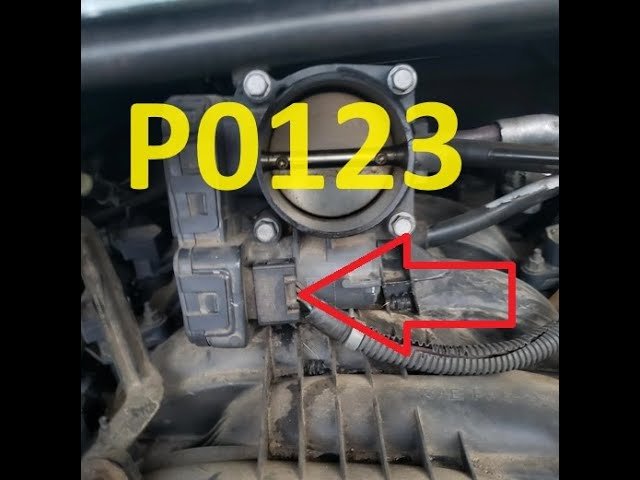
Check the throttle position sensor and accelerator pedal sensor often. Look for signs of wear or damage.
Test the sensors with a multimeter if possible. Faulty sensors send wrong signals and cause the P0123 code.
Replacing sensors early can avoid engine problems and rough idling.
Maintaining Wiring Integrity
Wiring issues often cause throttle sensor errors. Inspect wiring harnesses for frays, corrosion, or loose connections.
Repair or replace damaged wires to ensure good electrical flow. Secure connectors tightly to prevent vibrations from loosening them.
Good wiring keeps sensor signals strong and accurate.
When To Seek Professional Help
Knowing when to seek professional help for a P0123 code in your Jeep is important. Some issues might look simple but need expert care.
Avoid risking further damage or unsafe driving conditions. Here are signs that call for a mechanic’s attention.
Persistent Check Engine Light
The check engine light stays on despite your attempts to fix it. This often means the problem is more serious than a simple sensor fault.
Professionals can use advanced tools to diagnose hidden issues. Ignoring a persistent light can lead to costly repairs later.
Complex Wiring Issues
Wiring problems can be tricky to find and fix. Damaged or corroded wires may cause the P0123 code.
Electric circuits in your Jeep require special knowledge and equipment to repair. A professional technician can safely handle these tasks and avoid electrical hazards.
Sensor Replacement Complications
Replacing the throttle position sensor might seem easy but can be complex. Some Jeep models need precise calibration after replacement.
Incorrect installation can cause new errors or poor engine performance. A mechanic ensures proper sensor setup and tests your vehicle thoroughly.
Frequently Asked Questions
How Do I Fix Code P0123?
Fix code P0123 by cleaning the throttle body and checking for carbon buildup. Replace the faulty throttle position sensor if issues persist.
Inspect wiring and connectors for damage. Reset the engine control unit after repairs to clear the code.
How Do You Reset The Throttle Position Sensor On A Jeep?
To reset a Jeep’s throttle position sensor, disconnect the battery for 15 minutes. Reconnect it, then start the engine to allow the ECU to recalibrate the sensor.
Can I Drive With A P0123 Code?
Driving with a P0123 code is not recommended. It may cause rough idling, poor acceleration, or limp mode activation.
Get the throttle position sensor checked and repaired promptly to avoid further damage and ensure safe driving.
How Do I Reset An Accelerator Pedal Sensor?
To reset an accelerator pedal sensor, disconnect the battery for 15 minutes. Reconnect and start the vehicle to recalibrate the sensor.
Conclusion
The P0123 code in your Jeep signals a throttle position sensor issue. This can cause rough idling, hesitation, or reduced power.
Simple steps like cleaning the throttle body often help. If problems persist, sensor replacement may be needed.
Regular checks keep your Jeep running smoothly and safely.
Stay alert for warning signs to avoid bigger repairs. Taking care early saves time and money down the road.