If you’ve seen the P0113 code pop up on your Jeep’s dashboard, you might be wondering what it means and how it could affect your ride. This code points to an issue with your Intake Air Temperature (IAT) sensor—an important part that helps your engine run smoothly.
Ignoring it could lead to poor fuel efficiency, rough starts, or hesitation while driving. But don’t worry understanding the P0113 Jeep code is the first step to fixing it and getting back on the road with confidence.
Keep reading to learn what causes this code, how to spot the symptoms, and the simple checks you can do to diagnose and solve the problem yourself.
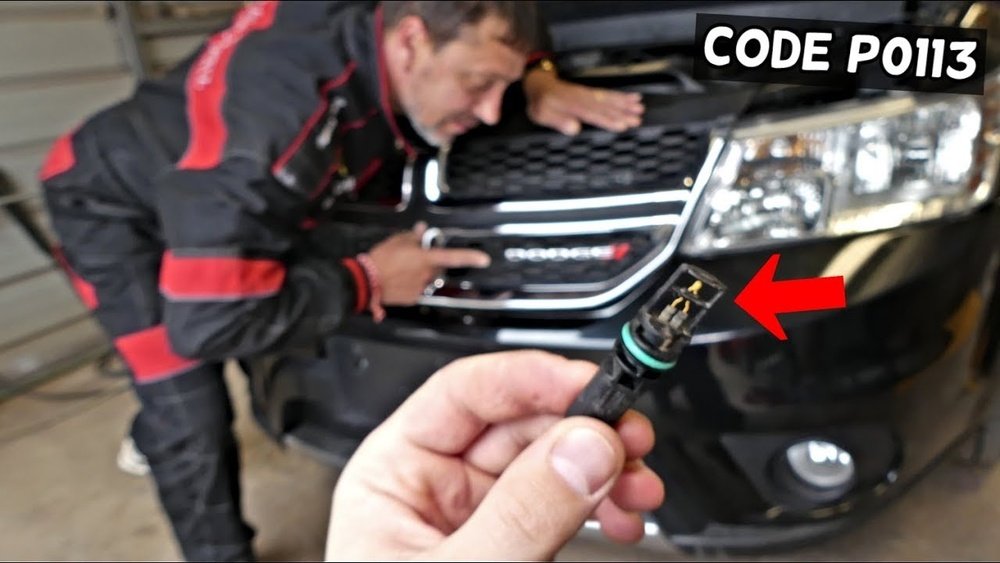
Your Jeep deserves the best care, and so do you.

P0113 Code And Jeep Models
The P0113 code signals an issue with the Intake Air Temperature (IAT) sensor in Jeep vehicles. This sensor measures the temperature of the air entering the engine.
Accurate readings help the engine control unit adjust fuel delivery and ignition timing. A P0113 code means the sensor is sending a high voltage signal or no signal at all.
This can cause poor engine performance and increased emissions.
Understanding which Jeep models commonly experience this code helps owners diagnose problems faster. Some models are more prone due to sensor placement or wiring design.
Knowing the affected models guides proper troubleshooting and repair.
What P0113 Means
P0113 stands for Intake Air Temperature Sensor Circuit High Input. It means the sensor reports an unusually high voltage.
This usually happens when the sensor or wiring is damaged. The engine control module receives false data.
It may cause rough idling, hesitation, or even stalling. The check engine light often turns on with this code.
Jeep Models Affected
Several Jeep models can show the P0113 code. The Jeep Liberty and Compass often face this issue.
The Grand Cherokee and Patriot are also common. Some Wrangler models may experience it too.
Older and newer models alike can have sensor or wiring faults. Regular maintenance and sensor checks reduce the chances of this code appearing.
Symptoms Of P0113 Sensor Issues
The P0113 code in Jeep vehicles signals a problem with the Intake Air Temperature (IAT) sensor circuit. This sensor helps the engine control module measure the air temperature entering the engine.
Issues with this sensor can cause noticeable symptoms. Recognizing these signs early can prevent further engine damage and costly repairs.
Check Engine Light Alerts
The most obvious sign of a P0113 sensor issue is the check engine light turning on. The vehicle’s computer detects a high voltage signal or no signal from the IAT sensor.
This triggers the warning light on the dashboard. Ignoring this alert can lead to worse engine problems over time.
Performance Problems
A faulty IAT sensor can cause the engine to run poorly. The vehicle may experience rough idling or stalling.
Fuel efficiency often drops as the engine gets incorrect air temperature data. This causes improper fuel mixture and reduces overall power and responsiveness.
Cold Start Hesitation
Jeep models with P0113 sensor issues may hesitate or struggle to start in cold weather. The engine control module cannot adjust fuel delivery correctly without accurate air temperature input.
This causes longer cranking times and rough starts until the engine warms up.
Common Causes Of P0113 Code
The P0113 code on a Jeep signals a problem with the Intake Air Temperature (IAT) sensor circuit. This code means the sensor is sending a high voltage signal to the engine control module (ECM).
Several issues can cause this. Understanding these causes helps diagnose and fix the problem faster.
Below are the most common reasons for the P0113 code.
Faulty Intake Air Temperature Sensor
The IAT sensor measures the temperature of the air entering the engine. A faulty sensor can send incorrect data.
This happens if the sensor’s internal thermistor fails or wears out. The ECM then receives a high signal, triggering the P0113 code.
Replacing a bad sensor usually solves the issue.
Wiring And Connector Problems
Wiring issues are common causes of the P0113 code. Damaged or corroded wires can break the connection between the sensor and the ECM.
Loose or dirty connectors also cause poor contact and signal errors. Checking the wiring and connectors for damage or corrosion helps find and fix these problems.
Sensor Contamination And Damage
The IAT sensor is exposed to dirt, oil vapors, and debris from the engine. These contaminants can coat the sensor’s tip.
This layer blocks the sensor from measuring air temperature accurately. Physical damage to the sensor can also cause faulty readings.
Cleaning or replacing the sensor restores proper function.
Locating The Intake Air Temperature Sensor
Finding the Intake Air Temperature (IAT) sensor on your Jeep is the first step in diagnosing code P0113. This sensor measures the temperature of the air entering the engine.
Proper sensor location helps with accurate readings and smooth engine performance. The IAT sensor can vary by Jeep model, but it usually sits near the intake manifold or air filter housing.
Typical Sensor Locations
The IAT sensor is often mounted directly in the intake air duct. It may be found near the air filter box or attached to the throttle body.
Some Jeep models have the sensor inside the mass airflow sensor assembly. The sensor tip sticks into the airflow path to sense air temperature effectively.
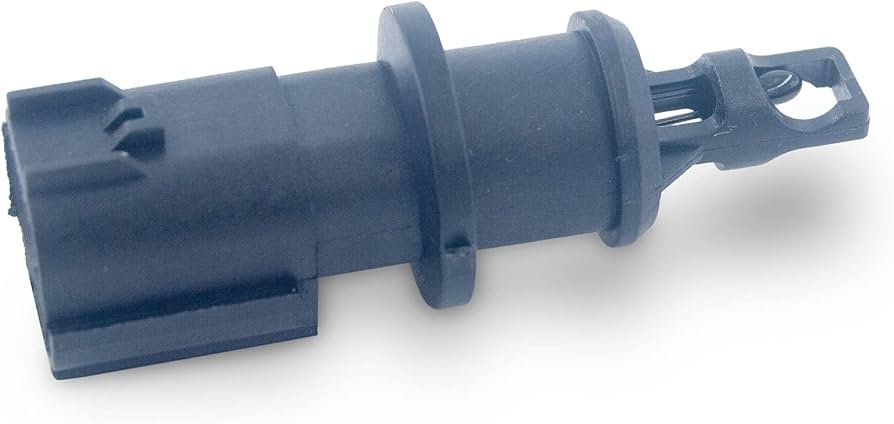
Look for a small, two-wire connector plugged into a plastic sensor body. Dirt or oil can cover the sensor tip, causing false readings.
Sensor Variations By Jeep Model
Jeep models like the Wrangler, Cherokee, and Grand Cherokee have slight differences in sensor placement. For example, the Jeep Wrangler often has the IAT sensor near the front of the air intake tube.
The Jeep Grand Cherokee may place it inside the air intake box or close to the mass airflow sensor. Newer Jeep models sometimes combine the IAT sensor with other sensors for space-saving.
Always check the vehicle’s service manual for exact location details.
Diagnosing P0113 Sensor Issues
Diagnosing P0113 sensor issues in your Jeep requires a careful approach. The P0113 code means the Intake Air Temperature (IAT) sensor has a high input signal.
This can cause engine performance problems like rough idling and poor fuel economy.
Start by checking the sensor’s wiring and connectors. Next, test the sensor resistance.
Finally, use diagnostic tools to get accurate readings. Each step helps pinpoint the exact problem.
Inspecting Wiring And Connectors
Begin with a visual inspection of the wiring harness and connectors at the IAT sensor. Look for signs of damage such as frayed wires, corrosion, or loose connections.
Damaged wiring can cause false high readings. Clean any corrosion and secure loose connectors to ensure good contact.
A steady, clean connection is crucial for sensor accuracy.
Testing Sensor Resistance
Use a multimeter to check the resistance of the IAT sensor. Disconnect the sensor and measure resistance across its terminals.
Compare readings to the manufacturer’s specifications. Resistance that is too high or too low indicates a faulty sensor.
Testing resistance helps confirm if the sensor itself needs replacement.
Using Diagnostic Tools
Scan your Jeep’s computer system with an OBD-II scanner. Look for P0113 and other related codes.
Monitor live data from the IAT sensor to see if it shows erratic or out-of-range values. Some diagnostic tools provide detailed sensor voltage and temperature readings.
These insights help verify the sensor’s condition and guide your repair steps.
Quick Fixes For P0113 Code
The P0113 code on your Jeep signals a high input from the Intake Air Temperature (IAT) sensor. This error can affect engine performance and fuel efficiency.
Quick fixes often solve the issue without needing expensive parts. These simple steps help you get back on the road fast.
Cleaning The Sensor
Dirt and oil can coat the IAT sensor, causing false readings. Start by locating the sensor on the intake manifold.
Use a soft cloth and sensor-safe cleaner to wipe away grime gently. Avoid harsh chemicals that could damage the sensor.
Let it dry completely before reinstalling. This can restore accurate temperature readings and clear the code.
Repairing Wiring And Connectors
Wiring problems often cause the P0113 code. Check the sensor’s wiring harness for frays or breaks.
Inspect connectors for corrosion or loose pins. Use electrical contact cleaner to remove dirt and oxidation.
Secure any loose connections with electrical tape or new connectors. Repairing these faults ensures reliable sensor signals to the engine control unit.
Resetting The Engine Control Unit
After fixing the sensor or wiring, reset the engine control unit (ECU). Disconnect the Jeep’s battery for about 15 minutes.
This clears stored error codes and resets the ECU memory. Reconnect the battery and start the engine.
If the P0113 code does not return, the fix worked. This reset helps the system recalibrate with fresh sensor data.
When To Replace The Iat Sensor
The Intake Air Temperature (IAT) sensor plays a key role in your Jeep’s engine performance. It measures the air temperature entering the engine.
This data helps the engine control unit adjust fuel delivery and ignition timing. Replacing the IAT sensor is necessary when it no longer provides accurate readings.
Faulty sensors can cause poor fuel economy and rough idling. Knowing when to replace the sensor avoids engine problems and costly repairs.
Signs Of Internal Sensor Failure
Check engine light often signals a bad IAT sensor. The engine may hesitate or stall during startup.
Cold weather can make these symptoms worse. Poor fuel efficiency is another common sign.
If the sensor reads extreme temperatures, the engine runs poorly. Inaccurate readings cause incorrect air-fuel mixtures.
These issues often point to an internal sensor failure.
Choosing The Right Replacement Part
Select a sensor designed for your Jeep model. Using the correct part ensures proper fit and function.
OEM sensors match factory specifications and offer reliability. Aftermarket sensors vary in quality; choose trusted brands only.
Consider sensor durability and warranty for long-term use. Proper installation is critical to avoid further problems.
Follow the Jeep’s service manual for best results.
Preventing Future Sensor Issues
Preventing future sensor issues in your Jeep is key to maintaining smooth engine performance. Sensors like the Intake Air Temperature (IAT) sensor play a vital role in managing air-fuel mixture.
Keeping these sensors in good shape helps avoid engine hesitation and poor fuel economy. Simple care steps can extend sensor life and reduce repair costs.
Regular Maintenance Tips
Check your Jeep’s sensors during routine oil changes. Clean dirt and debris from sensor areas carefully.
Use a soft brush or cloth to avoid damage. Replace sensors showing signs of wear or corrosion.
Keep air filters clean to prevent dirt from reaching sensors. Follow your Jeep’s service schedule for sensor inspections.
Protecting Wiring From Damage
Wiring issues often cause sensor problems. Inspect sensor wires for cracks, frays, or corrosion regularly.
Secure loose wires to prevent rubbing against engine parts. Avoid exposing wires to extreme heat or moisture.
Use protective sleeves or conduit on exposed wiring. Repair or replace damaged wiring immediately to keep signals strong.
Frequently Asked Questions
Where Is The Intake Air Temperature Sensor 1 Located?
The intake air temperature sensor 1 is located in the intake air duct or air filter housing. It measures incoming air temperature.
How To Fix P0113 Fault Code?
Check the intake air temperature (IAT) sensor and wiring for damage or dirt. Clean or replace the sensor if faulty.
Ensure connectors are secure. Clear the code and test drive to confirm the fix.
Does A P0113 Code Mean I Need A New Maf?
A P0113 code indicates a problem with the Intake Air Temperature (IAT) sensor circuit. It doesn’t always mean you need a new MAF sensor.
Check wiring, connections, and sensor condition before replacing the MAF. Cleaning or repairing the IAT sensor or wiring often resolves the issue.
What Is The Code Po111 On A Jeep?
The P0111 code on a Jeep indicates an Intake Air Temperature (IAT) sensor circuit high input. It means the sensor signals unusually high air temperature.
Common causes include a faulty IAT sensor, wiring issues, or sensor contamination. Check wiring and sensor before replacing.
Conclusion
Understanding the P0113 code helps keep your Jeep running well. This code often means the intake air temperature sensor sends wrong signals.
Check the sensor and wiring carefully before replacing parts. Simple fixes like cleaning or repairing wires often solve the problem.
Regular maintenance can prevent this issue from returning. Stay attentive to your Jeep’s performance for a smoother drive.
https://www.youtube.com/watch?v=GFEVNqbAbfU