If you’ve seen the P0058 code pop up on your Jeep’s dashboard, you’re probably wondering what it means and how it might affect your ride. This trouble code points to an issue with the heater control circuit, which can impact your vehicle’s performance and fuel efficiency.
Don’t ignore it understanding the cause and knowing how to fix it can save you time, money, and stress down the road.
You’ll discover the common symptoms, what usually triggers the P0058 code, and simple steps you can take to get your Jeep back on track quickly and safely.
Keep reading to protect your Jeep and keep your drives smooth.
Symptoms Of P0058 Code
The P0058 code on a Jeep signals a problem with the oxygen sensor heater circuit. This issue causes several noticeable symptoms.
Recognizing these signs helps in diagnosing and fixing the problem quickly. Symptoms impact engine performance and emissions.
Understanding them prevents further damage and costly repairs.
Check Engine Light Activation
The most common symptom is the check engine light turning on. It appears on the dashboard without warning.
This light signals the engine control module found a fault. Ignoring it can lead to worse engine problems.
A diagnostic scan usually reveals the P0058 code.
Reduced Fuel Efficiency
Fuel consumption rises as the engine runs less efficiently. The faulty sensor sends incorrect data to the engine computer.
This causes poor air-fuel mixture adjustments. Drivers may notice more visits to the gas station.
Reduced mileage is a clear sign of the problem.
Increased Emissions
Faulty oxygen sensors cause incomplete fuel combustion. Exhaust gases contain higher levels of pollutants.
This increase can cause the vehicle to fail emissions tests. It also harms the environment due to excess harmful gases. Fixing the P0058 code helps lower emissions.
Engine Hesitation And Rough Idling
The engine may hesitate during acceleration or feel rough while idling. Power delivery becomes uneven and unpredictable.
This happens because the engine control module receives bad oxygen sensor data. The vehicle may stall or struggle to maintain idle speed. Such symptoms affect driving safety and comfort.
Common Causes Of P0058
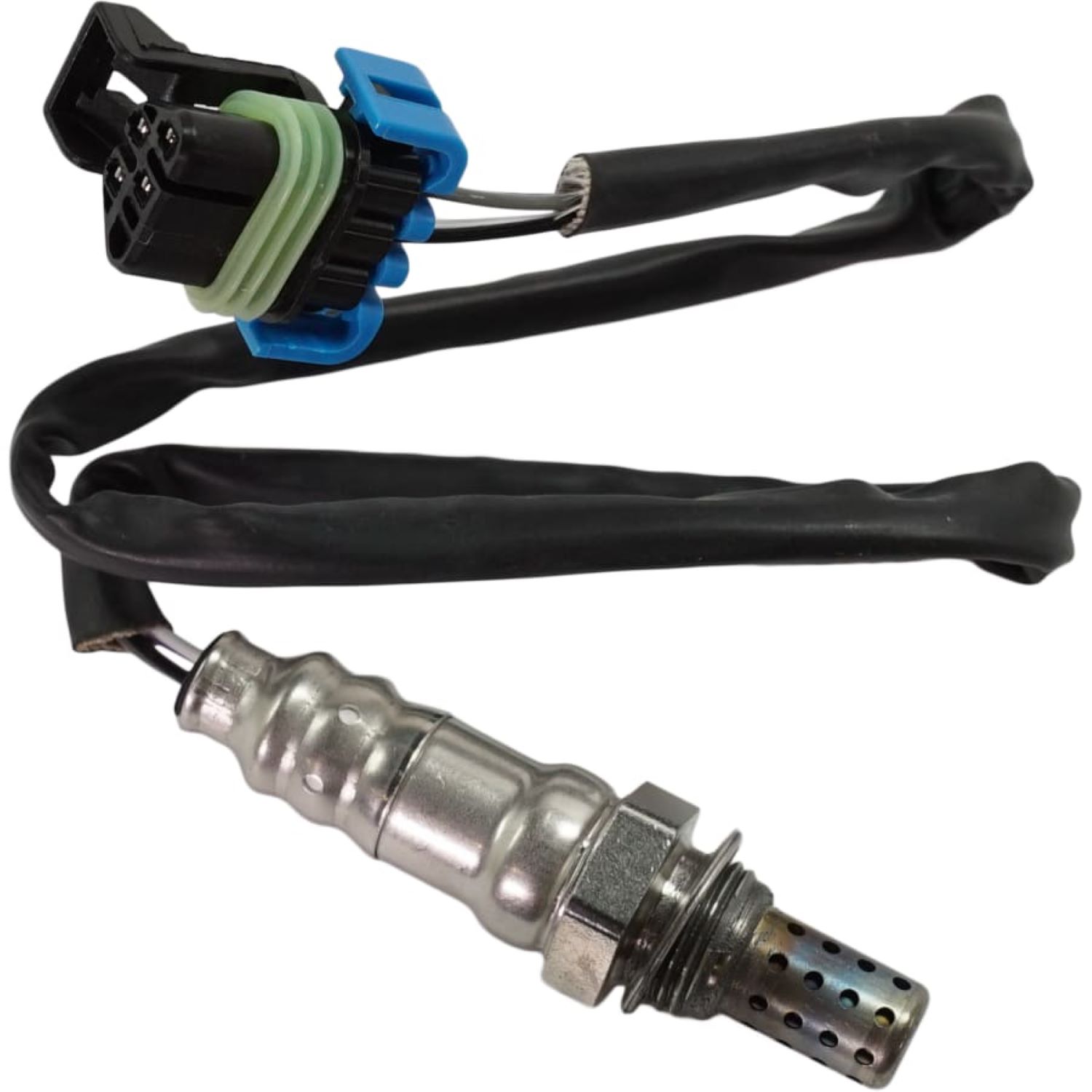
The P0058 code on a Jeep signals a heater control circuit issue in the oxygen sensor. This problem stops the sensor from working properly.
Several reasons can cause this fault code. Knowing these causes helps you fix the problem faster.
Failed Oxygen Sensor Heater
The oxygen sensor has a heater inside to reach the right temperature quickly. The heater can burn out or short circuit over time.
When the heater fails, it triggers the P0058 code. The sensor cannot warm up properly, affecting engine performance.
Damaged Wiring And Connectors
Wiring and connectors link the oxygen sensor to the vehicle’s computer. Heat and vibration can damage wires, causing breaks or shorts.
Corrosion or loose connections also disrupt the circuit. Any wiring issue can cause the heater circuit to fail.
Short Circuits To Power
The heater control circuit may accidentally connect to a power source. This short circuit causes too much voltage in the circuit.
The vehicle’s computer detects this and sets the P0058 code. This problem needs careful inspection to find where the wires touch power.
Faulty Powertrain Control Module
The Powertrain Control Module (PCM) controls the oxygen sensor heater. Sometimes, the PCM itself can malfunction.
A faulty PCM might wrongly detect a heater circuit problem. In rare cases, replacing or repairing the PCM fixes the P0058 error.
Inspecting Wiring And Connectors
Inspecting wiring and connectors is a key step in diagnosing the P0058 Jeep error code. This code points to a problem in the heater control circuit of the oxygen sensor.
Faulty wiring can cause voltage issues that trigger this trouble code. Careful inspection helps spot damage that may disrupt the sensor’s function.
Follow each step to check the wiring and connectors thoroughly.
Visual Wire Harness Check
Start by tracing the wire harness connected to the oxygen sensor. Look for any cuts, cracks, or worn spots on the wires.
The harness should be intact without signs of damage. Check along the length for any areas where the wires might rub against metal parts.
Damaged wire insulation can lead to short circuits or open circuits in the heater circuit.
Identifying Melted Insulation
Melted insulation signals overheating or electrical shorts. Inspect the wires near the sensor and exhaust system closely.
Heat from the engine or a shorted wire can cause the plastic coating to melt. This damage exposes the copper wire inside, increasing the risk of shorts.
Replace or repair any wires with melted or burnt insulation to restore proper function.
Detecting Loose Or Corroded Connections
Loose or corroded connections interrupt electrical flow and cause sensor errors. Check all connectors linked to the oxygen sensor and the engine control module.
Ensure each connector fits tightly and locks in place. Look for corrosion or rust on the metal pins inside connectors.
Clean or replace corroded connectors to maintain strong electrical contact.

Testing The Oxygen Sensor Heater
Testing the oxygen sensor heater is essential when diagnosing the P0058 code on a Jeep. This sensor helps the engine control module (ECM) regulate the air-fuel mix.
A faulty heater can cause poor engine performance and trigger the check engine light. Testing ensures the heater element works properly and the sensor receives the right voltage.
Using A Multimeter For Resistance
Start by disconnecting the oxygen sensor from the wiring harness. Set the multimeter to measure resistance (ohms).
Place the probes on the heater terminals of the sensor. A healthy sensor usually shows resistance between 5 and 10 ohms.
A reading outside this range means the heater element might be damaged.
Checking For Shorts To Power
Inspect the sensor’s wiring for shorts that could cause excess voltage. Use the multimeter in voltage mode to test the heater circuit.
Check for any power where it should not be. Shorts to power often cause the P0058 error code by sending too much voltage to the heater circuit.
Replacing A Faulty Sensor
If tests show the heater element is faulty or wiring is damaged, replace the oxygen sensor. Use a sensor designed specifically for your Jeep model.
Install the new sensor and clear the error codes from the ECM. Recheck to confirm the P0058 code does not return.
Addressing Power Supply Issues
Power supply problems often cause the P0058 Jeep code. Fixing these issues helps the sensor work correctly.
A stable power flow keeps the engine running smoothly.
Careful checks of electrical parts stop errors and prevent engine trouble. Follow clear steps to find and fix power supply faults.
Begin by examining the fuses linked to the oxygen sensor circuit. A blown fuse stops power from reaching the sensor.
Use a fuse tester or visually check for breaks or burns.
Replace any damaged fuses with the right type and rating. This simple step often solves the P0058 code quickly.
Tracing Short Circuits
Look for short circuits along the sensor wiring. A short happens when wires touch metal or each other.
This causes high voltage to the sensor’s control wire.
Use a multimeter to check for shorts between wires and ground. Follow the wire harness from the sensor back to the engine control module.
Repair any spots where insulation is worn or wires are broken.
Repairing Or Replacing Damaged Wires
Damaged wires cause poor sensor signals and can set the P0058 code. Cut out frayed or melted sections carefully.
Use quality wire and connectors to replace them.
Secure all wiring with electrical tape or heat shrink tubing. Make sure connections are tight and corrosion-free.
Proper wiring ensures the sensor receives the correct voltage.

Clearing The Code And Resetting The Ecm
Clearing the P0058 code and resetting the ECM in your Jeep is a key step after repairs. This process helps the vehicle’s computer recognize that the issue is fixed.
It can turn off the check engine light and restore normal engine function. Properly resetting the ECM also allows the system to run new diagnostics and confirm the problem is resolved.
There are different ways to clear the code and reset the ECM. Some methods require tools, while others depend on driving conditions.
Knowing the right approach can save time and avoid unnecessary repairs. Below are the main methods to clear the P0058 code and reset your Jeep’s ECM.
Using An Obd-ii Scanner
An OBD-II scanner is the easiest tool to clear the P0058 code. Plug the scanner into the Jeep’s OBD port, usually under the dashboard. Turn the ignition on but do not start the engine. Follow the scanner’s instructions to read the codes. After confirming the P0058 code appears, select the option to clear or erase it.
Once cleared, the scanner will reset the ECM. This will switch off the check engine light.
The ECM will then monitor the system for any new faults. Using a scanner is quick and does not require special skills.
Many auto parts stores offer free code reading and clearing services.
Driving Cycle For Code Reset
After clearing the code, the Jeep needs to complete a full driving cycle. This cycle lets the ECM check all systems again.
It includes different driving speeds and conditions, like idling, accelerating, and cruising. A full cycle may take 20 to 30 minutes on city and highway roads.
If the P0058 issue is fixed, the check engine light should stay off after the cycle. If the light returns, the problem may still exist.
Repeating the cycle can help verify if the code resets properly. This process allows the ECM to adapt to the repairs and confirm system health.
When To Seek Professional Help
If the P0058 code returns after multiple resets, it’s time to see a mechanic. Persistent codes may indicate wiring or sensor issues.
Professionals can perform detailed tests and repairs. They have tools to check electrical circuits and replace faulty parts.
Also seek help if you do not have access to an OBD-II scanner. Mechanics can clear the code and reset the ECM for you.
Don’t ignore recurring codes, as they can cause engine problems and reduce fuel efficiency. Early diagnosis and repair save money and prevent bigger issues.
Frequently Asked Questions
What Are The Three Common Causes Of O2 Sensor Failure?
The three common causes of O2 sensor failure are contamination by oil or coolant, wiring damage, and sensor heater element burnout.
How Do I Fix My O2 Sensor Delayed Response?
Check and repair damaged wiring or connectors near the O2 sensor. Replace the sensor if faulty. Clear error codes and test drive.
What Causes The Heater Control Circuit To Be Low?
A low heater control circuit often results from a failed oxygen sensor, wiring damage, or poor electrical connections. Check for shorts, broken wires, or melted insulation in the sensor’s wiring harness.
Electrical faults cause the control wire to show low voltage to the engine control module.
What Are The Symptoms Of The P0058 Code?
The P0058 code symptoms include an illuminated Check Engine Light, rough idling, decreased fuel efficiency, increased emissions, and possible engine hesitation.
Conclusion
The P0058 code on a Jeep signals an issue with the oxygen sensor heater circuit. This can cause poor engine performance and increased emissions.
Check the wiring and connectors first for damage or shorts. Replacing a faulty oxygen sensor often solves the problem.
Addressing this code quickly keeps your Jeep running smoothly. Regular maintenance helps prevent such electrical faults.
Stay alert to warning signs for safer driving.