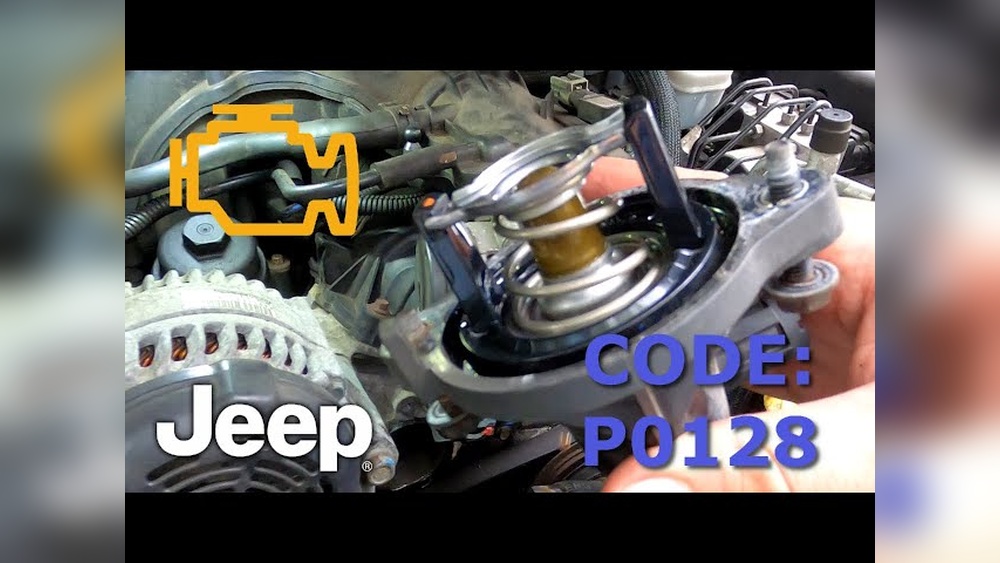
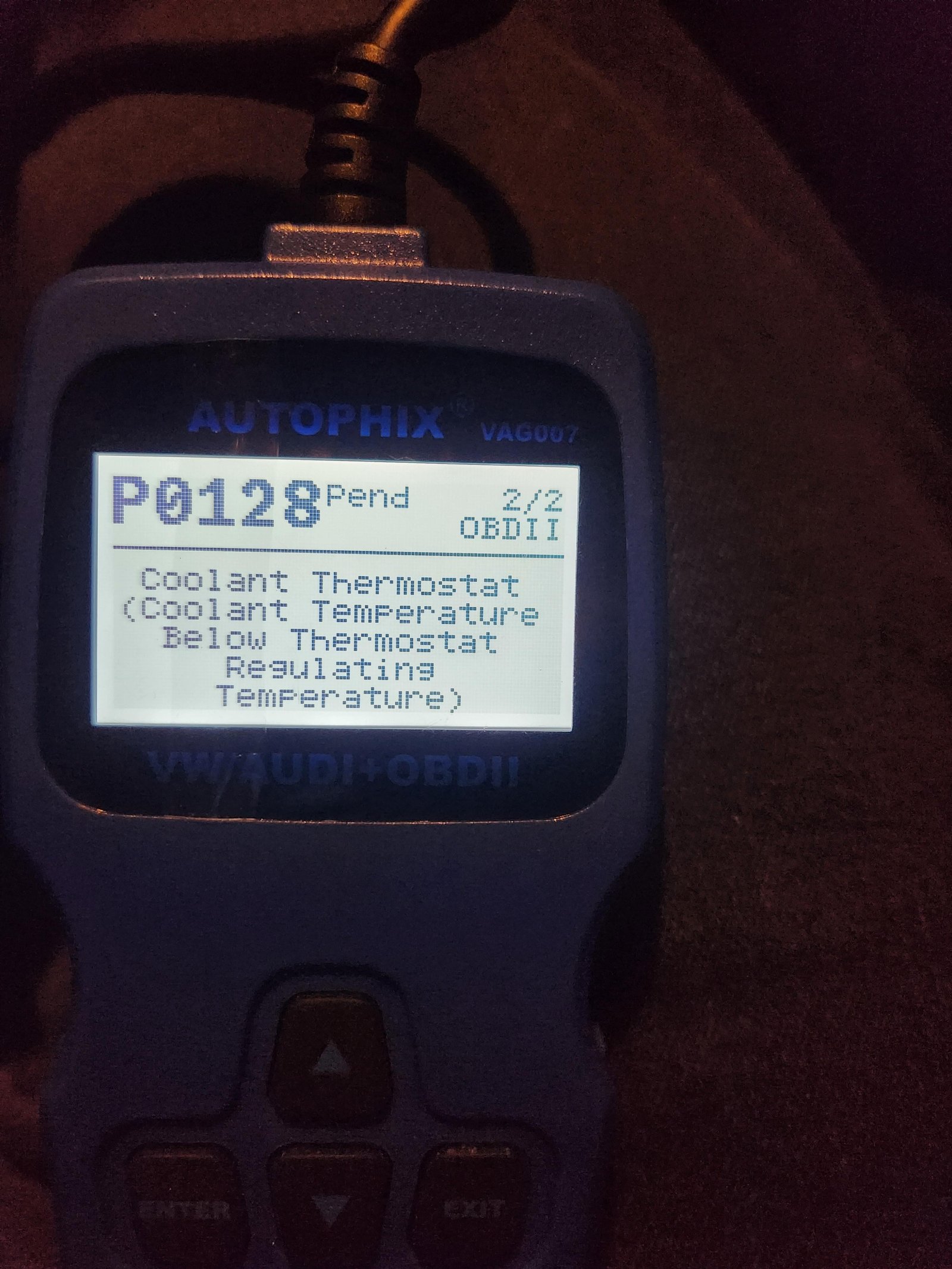
If you’ve noticed your Jeep Wrangler’s check engine light flickering on, and you’ve come across the P0128 code, you’re probably wondering what it means and how to fix it. This code signals that your engine coolant temperature is below the thermostat’s regulating temperature.
In simple terms, your Wrangler isn’t warming up as it should, which can affect performance and fuel efficiency. But don’t worry you’re not alone, and this issue is often easier to handle than you might think.
Keep reading to learn what causes the P0128 code, the common symptoms you should watch for, and step-by-step solutions to get your Jeep running smoothly again.
Your Wrangler deserves the best care, and you deserve peace of mind.
P0128 Code Basics
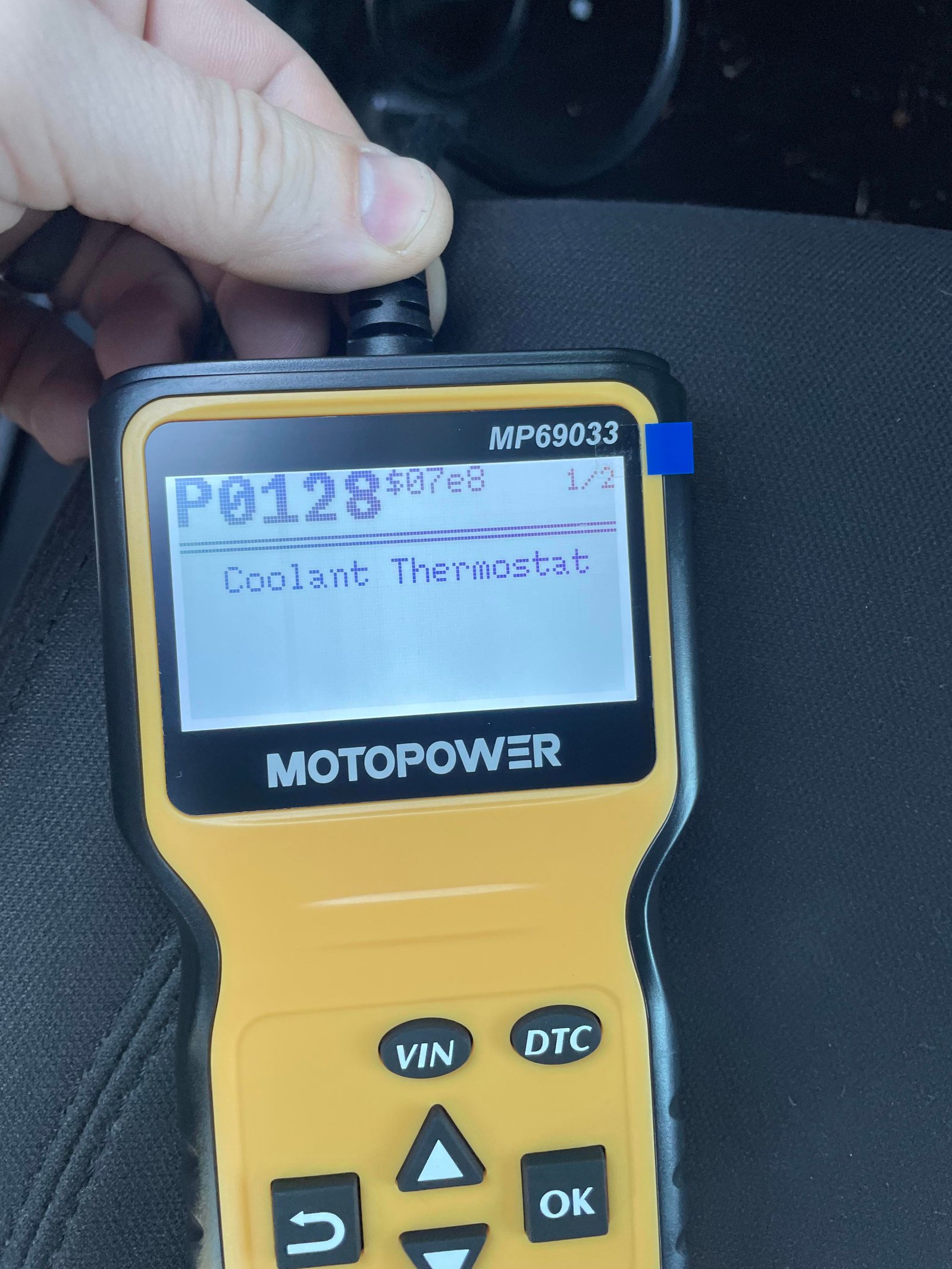
The P0128 code is a common trouble code for Jeep Wrangler owners. It means the engine coolant temperature is below the expected level. This usually happens after the engine warms up. The code signals a problem with the cooling system. Understanding the basics of this code helps in quick diagnosis and repair.
Ignoring the P0128 code can lead to poor engine performance. It can also cause higher fuel consumption and increased emissions.
Early detection and fixing save time and money. what triggers this code and its effects on your Jeep Wrangler.
What Triggers P0128
The P0128 code triggers when the engine does not reach the correct operating temperature on time. This can happen if the thermostat is stuck open.
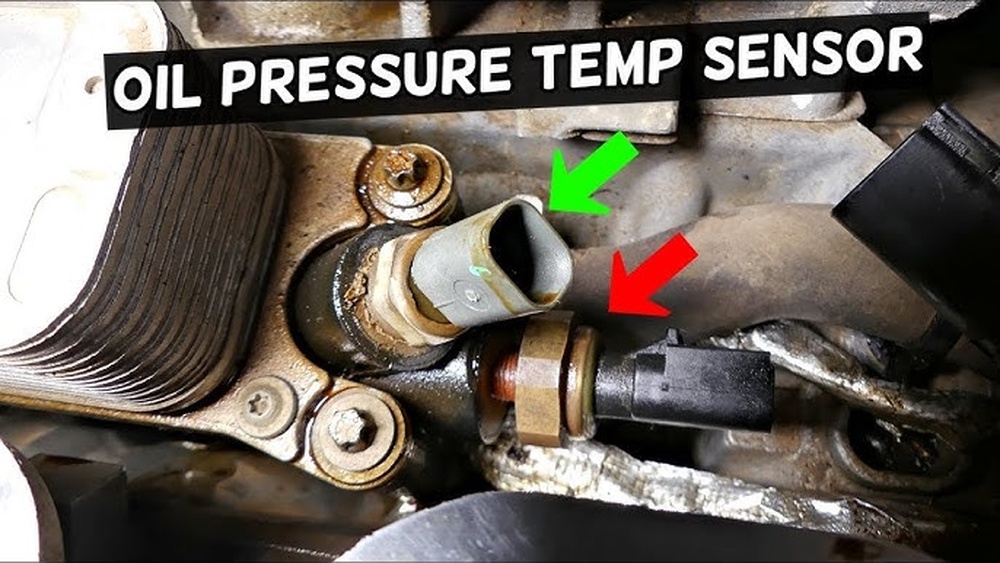
A faulty coolant temperature sensor can also cause wrong readings. Low coolant levels or leaks affect temperature rise as well.
These issues prevent the engine from warming up properly.
In some cases, the wiring to the temperature sensor might be damaged. This causes false signals to the engine control unit (ECU).
A bad thermostat or sensor should be checked first. Regular coolant maintenance helps avoid this problem.
Proper diagnosis is key to pinpointing the exact cause.
Impact On Jeep Wrangler
When the P0128 code appears, the Jeep Wrangler’s engine runs cooler than normal. This leads to poor fuel efficiency.
The engine may run rich, burning more fuel than needed. You might notice the heater blowing cold or lukewarm air. This reduces comfort during cold weather.
Long-term driving with this code can cause engine wear. The engine parts rely on the right temperature for lubrication.
Cold engines can increase wear and tear. The check engine light will stay on until the problem is fixed.
Timely repair ensures your Jeep runs smoothly and safely.
Common Causes
Recognizing the symptoms of the Jeep Wrangler P0128 code helps catch issues early. This code signals that the engine is running cooler than normal.
It often means the thermostat is stuck open or the coolant temperature sensor is faulty. Watching for key signs can prevent bigger problems and costly repairs.
Check Engine Light Activation
The check engine light turns on when the P0128 code appears. This warning shows the engine’s temperature is not reaching the proper level.
Ignoring the light can lead to poor engine performance. A quick scan with an OBD-II reader can confirm the P0128 code.
Cold Heater Air
The heater may blow cold or lukewarm air even after driving for a while. This happens because the engine stays too cool.
The thermostat stuck open stops the engine from reaching the right temperature. Cold heater air in winter is uncomfortable and a clear sign of trouble.
Reduced Fuel Efficiency
Fuel economy drops when the engine runs cooler than normal. The engine control unit adds more fuel to compensate for the low temperature.
This wastes gas and reduces miles per gallon. Noticing a sudden drop in fuel efficiency could mean the P0128 code is active.
Conclusion
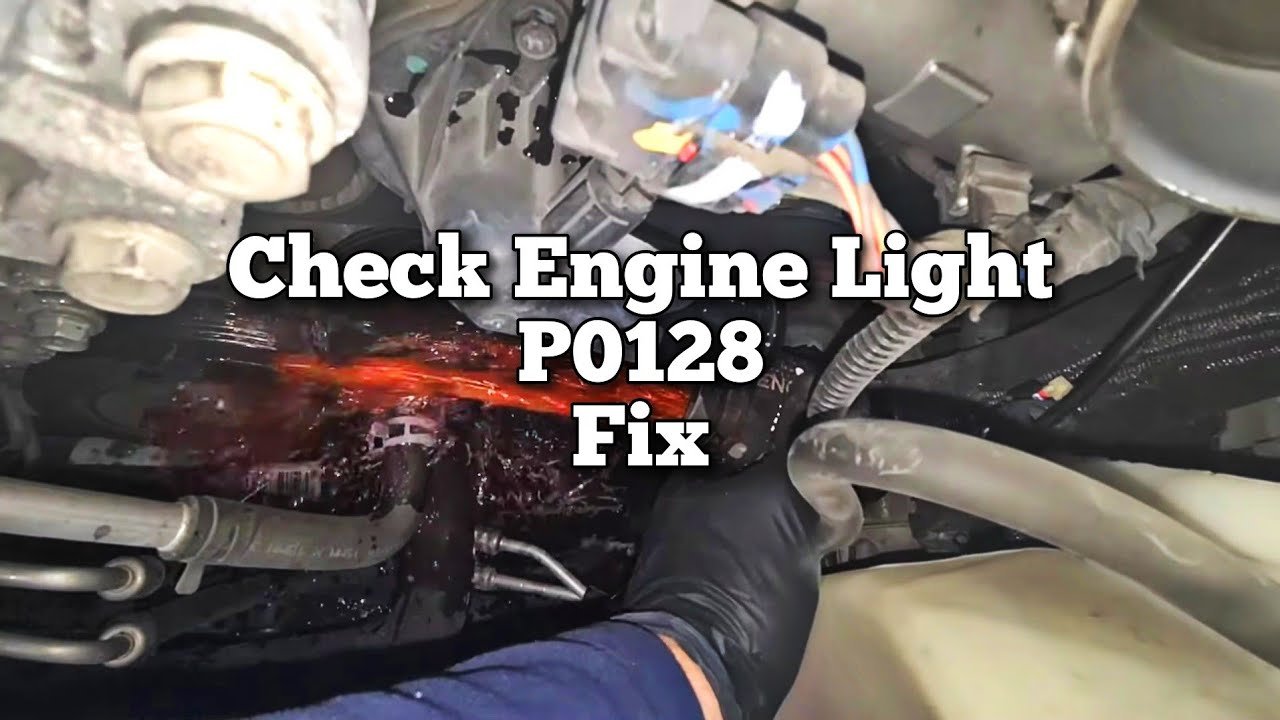
The Jeep Wrangler P0128 code points to a cooling system issue. It usually means the engine isn’t reaching the right temperature.
Fixing it often involves checking the thermostat and coolant temperature sensor. Keeping your cooling system in good shape helps your Jeep run smoothly.
Regular maintenance can prevent this problem from returning. Don’t ignore warning signs like the check engine light or poor heater performance.
Taking care of these issues early saves time and money. Stay on top of your Jeep’s health for better driving and peace of mind.